The argument through time
History enters the room.
c. 50–160
The first day: word, meal, prayer
What happened
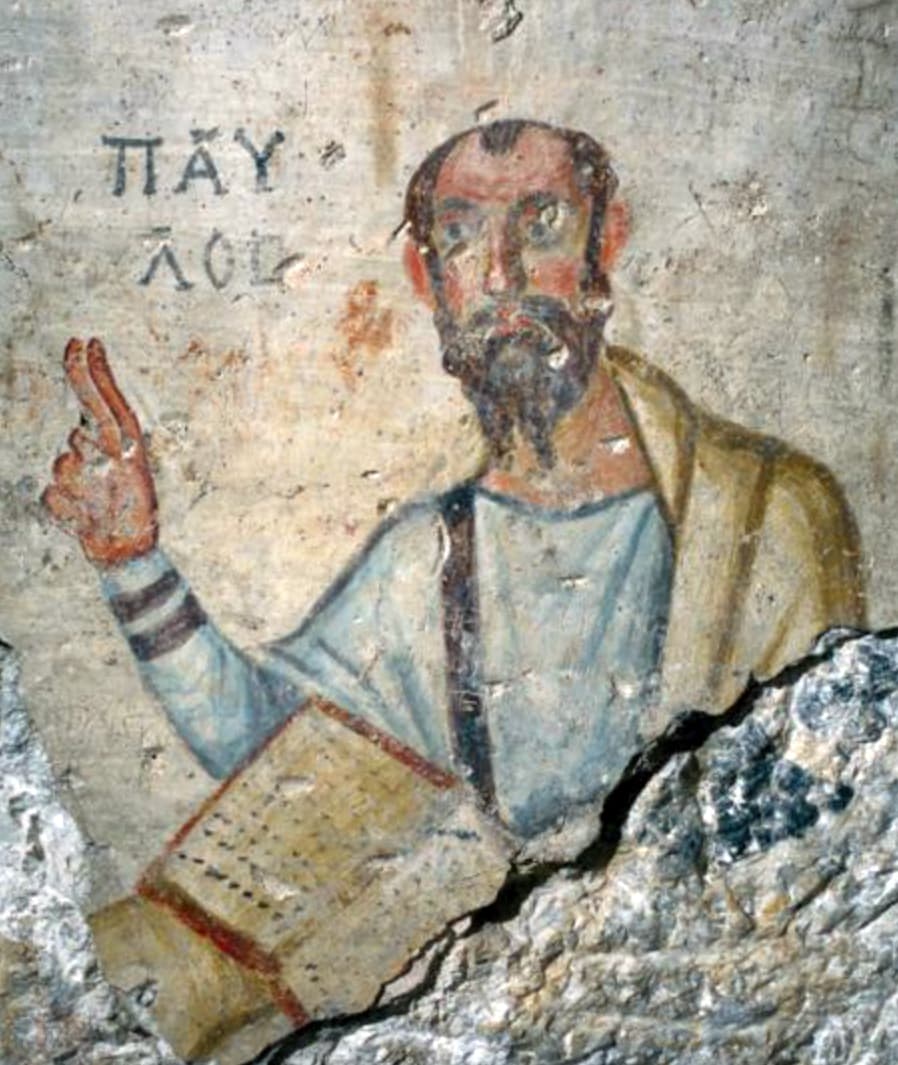
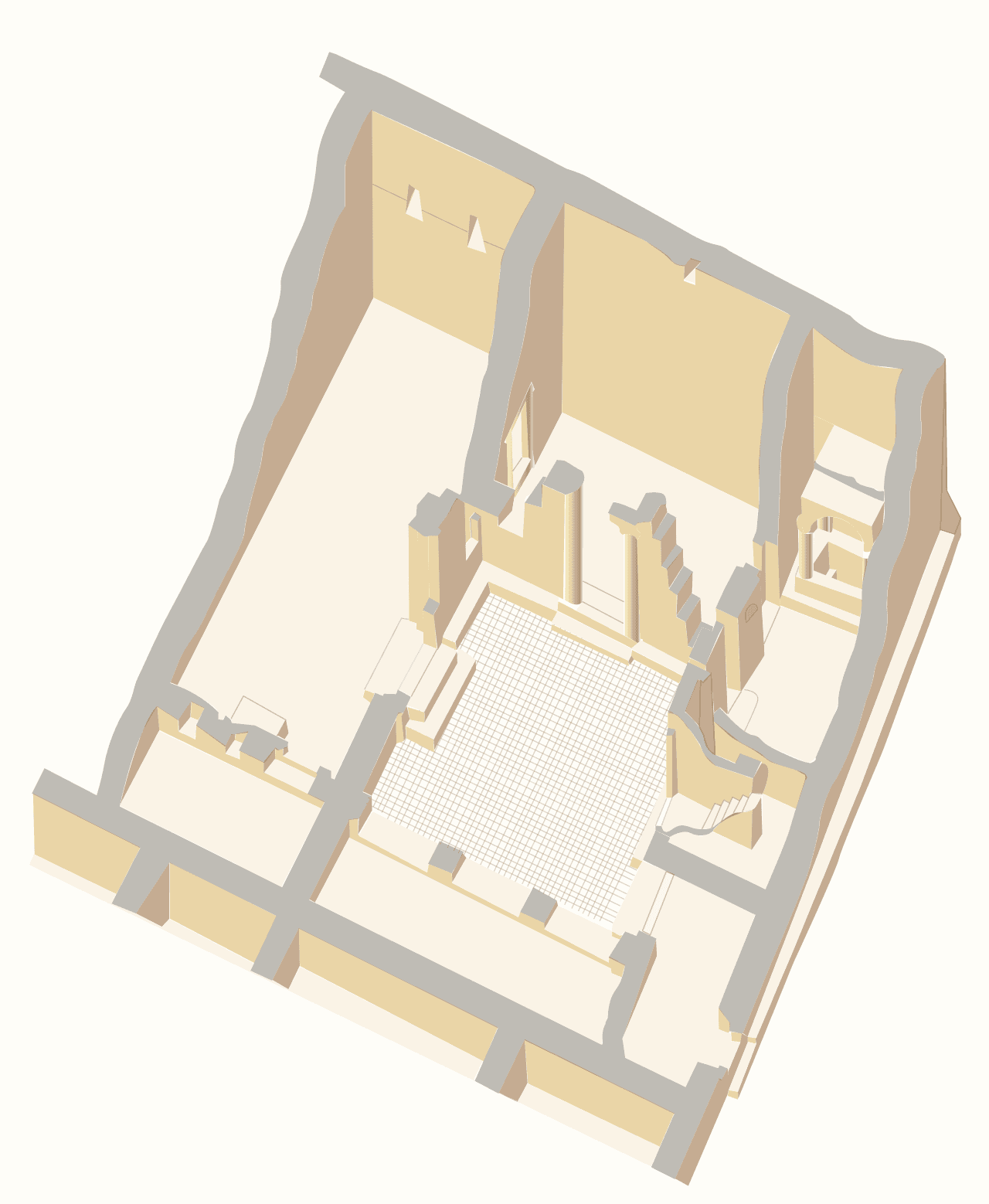
New Testament communities read Scripture, taught, prayed, sang, baptized, collected for the poor, and broke bread. The Didache and Justin Martyr witness Sunday gathering and thanksgiving, but no single surviving text can stand for every local church.
How it was received
Sunday's earliest specifically Christian rationale was the resurrection and new creation. It was a day of assembly before it became a protected civil day of rest, and its relation to the Jewish Sabbath remained contested in different communities.
Key voicesApostolic church · Justin Martyr · Paul
160–600
From house churches to basilicas
What happened
Stable patterns emerged around readings, preaching, intercessions, peace, Eucharistic prayer, communion, and care for the needy. After imperial toleration, basilicas, processions, vesture, chant, and a richer calendar made public worship more visible.
How it was received
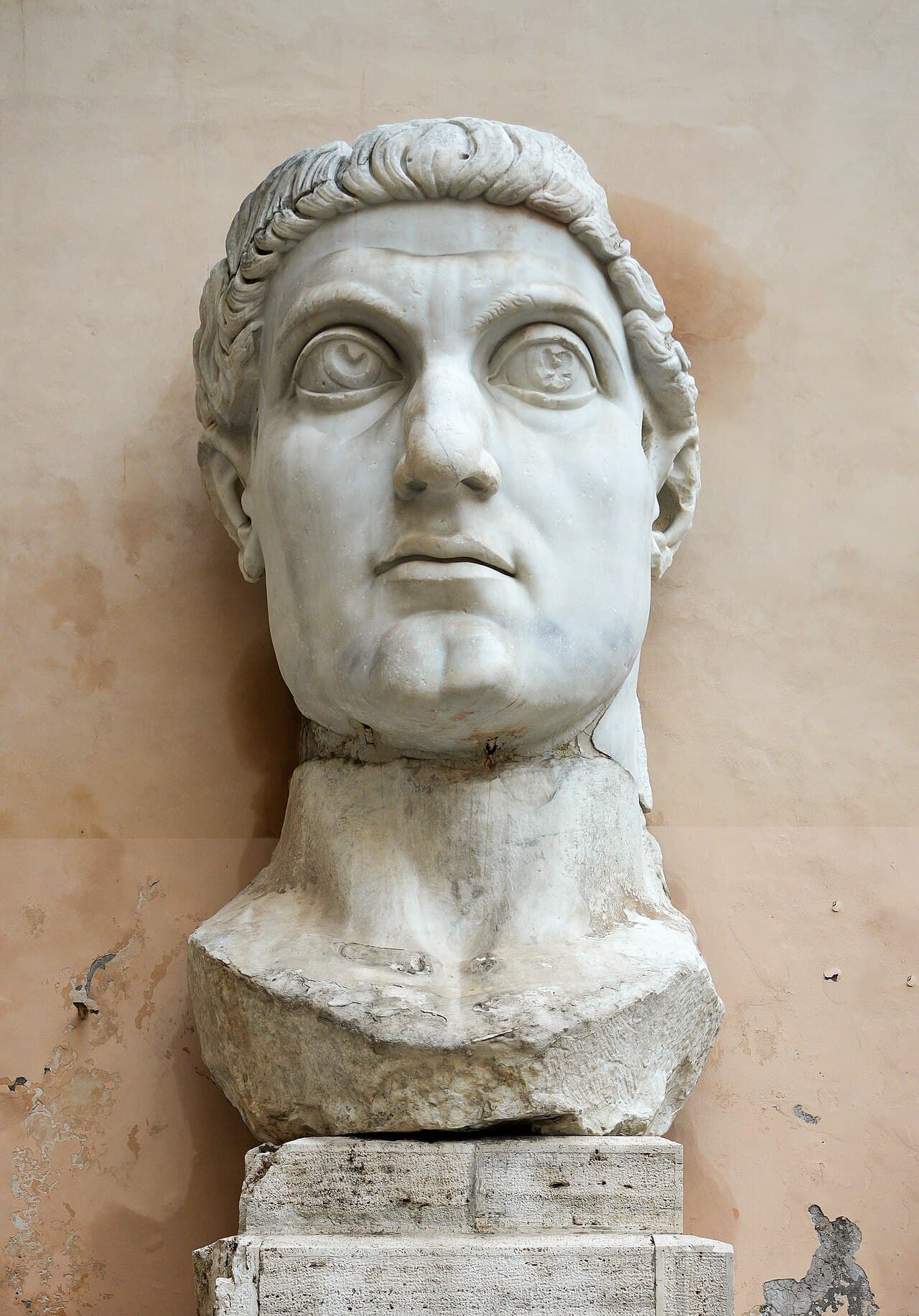
Constantine's Sunday legislation protected rest without creating Christian Sunday worship. Cathedral and monastic offices also developed daily cycles of psalmody and prayer, and major sees generated related but distinct liturgical families.
Key voicesConstantine · Basil the Great · Augustine
600–1517
Rites, hours, and the sacred year
What happened
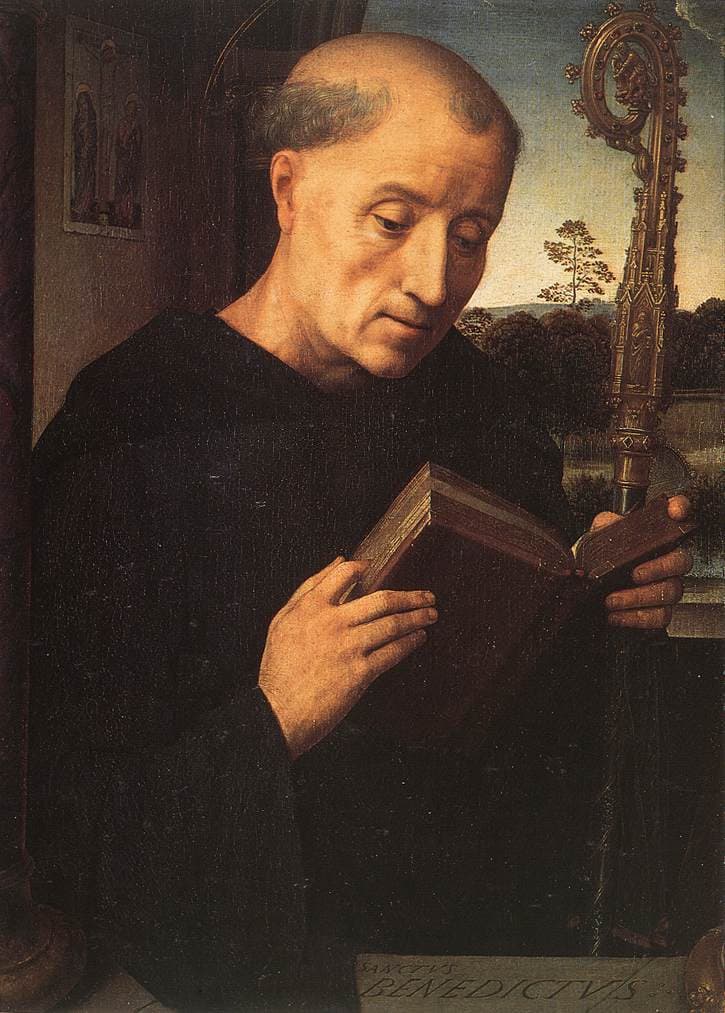
Byzantine, Roman, Syriac, Coptic, Armenian, and other rites matured through centuries of local reception. Monastic rules ordered the hours, while parish worship centered on Eucharist, preaching in varying measure, feast, fast, pilgrimage, and sacramental rites.
How it was received
The medieval West moved toward greater liturgical uniformity but never possessed only one use. Lay participation was real yet structured differently from modern expectations; visual, musical, processional, and devotional forms carried meaning even when the liturgical language was not vernacular.
Key voicesBenedict · Gregory the Great · Fourfold sense
1517–1700
Reformation by service book and sermon
What happened
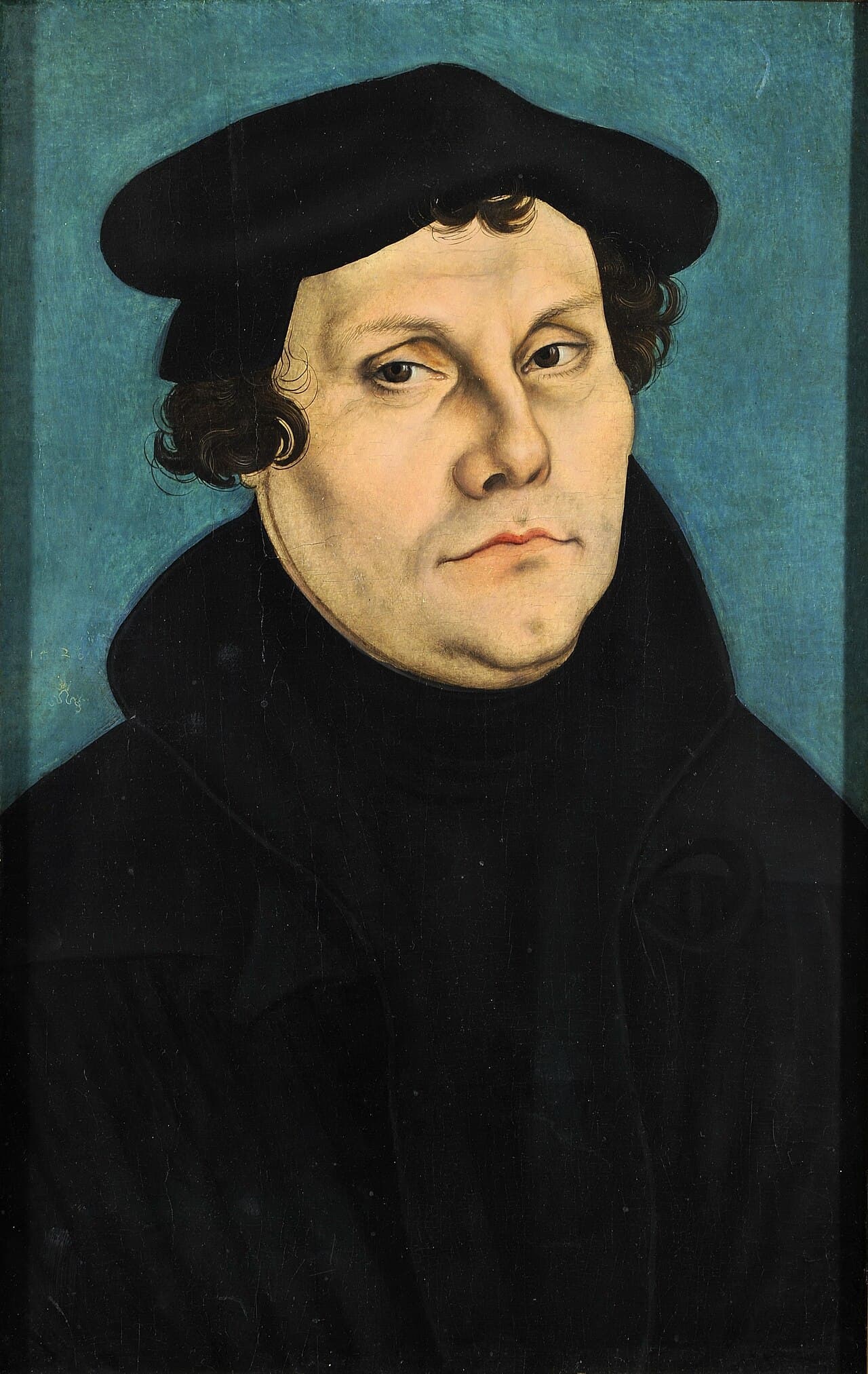
Luther revised the inherited Mass while retaining a strong liturgical shape; Reformed churches simplified rites under the regulative principle; Anglicans produced vernacular prayer books; Anabaptists centered the gathered community and disciplined discipleship.
How it was received
Protestants also differed over Sunday. English and Scottish Sabbatarianism applied the fourth commandment strongly to the first day, while Lutheran and continental Reformed practice used different accounts of Christian freedom, worship, and rest.
Key voicesMartin Luther · John Calvin · Augsburg Confession
1700–1963
Revival, hymn, and liturgical retrieval
What happened
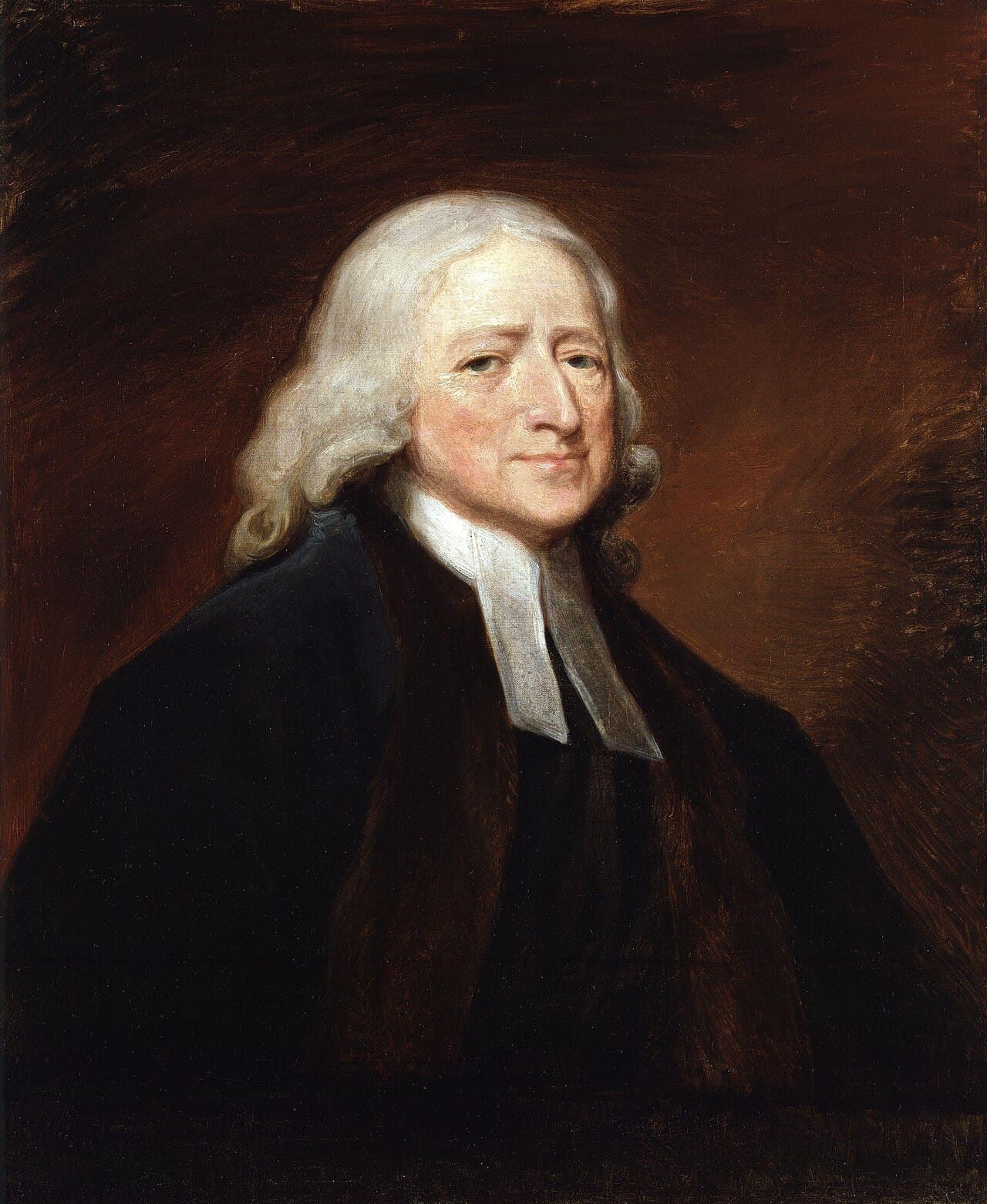
Pietism, Methodism, camp meetings, Black church traditions, and revivalism expanded extemporaneous prayer, testimony, congregational hymnody, and conversion preaching. These forms did not simply eliminate liturgy; they created new, repeatable orders and musical canons.
How it was received
The nineteenth- and twentieth-century liturgical movements recovered patristic sources, frequent communion, congregational participation, and the church year across denominational lines. Pentecostal worship added testimony, tongues, healing prayer, and expectation of spontaneous gifts.
Key voicesJohn Wesley · William Seymour · Pentecostalism
1963–today
Vernacular reform and the worship marketplace
What happened
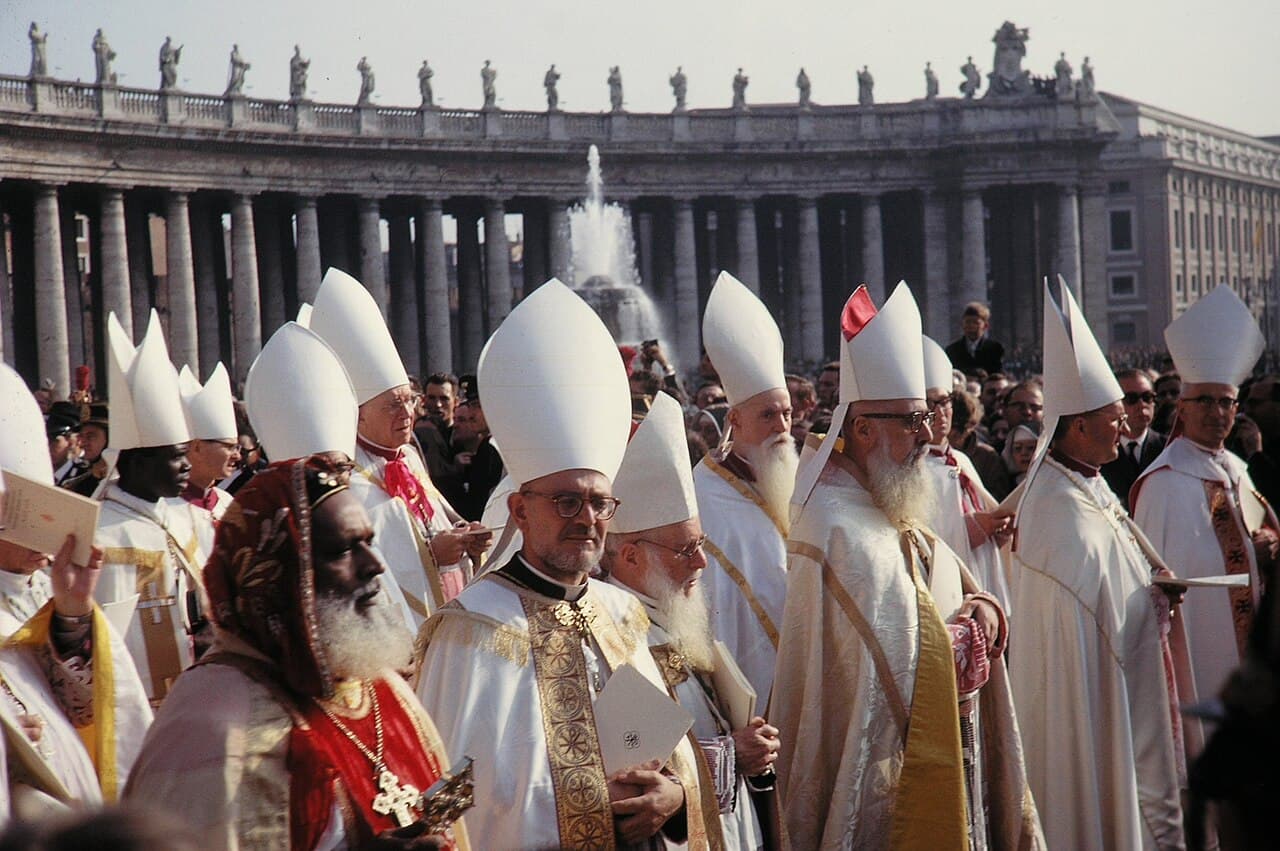
Vatican II's Sacrosanctum Concilium called for full, conscious, active participation and enabled extensive vernacular reform. Ecumenical liturgical renewal produced convergent lectionaries and service patterns while Orthodox churches largely retained inherited rites in old and modern languages.
How it was received
Evangelical and charismatic churches developed contemporary worship bands, projection, broadcast, and multisite forms. The resulting spectrum runs from ancient fixed rites to highly adaptive services, though nearly all traditions still organize Christian time around Sunday gathering.
Key voicesVatican II · BEM 1982 · Pentecostalism
The present landscape
Where the traditions stand today
Catholic
The Eucharistic liturgy is the summit and source of church life; Sunday is the primordial feast and a day for worship and rest, celebrated through authorized rites.
Orthodox
The Divine Liturgy, daily offices, fasting cycles, icons, chant, and the liturgical year enact the church's participation in heavenly worship.
Protestant
Practices range from confessional liturgies and lectionaries to sermon-centered, revivalist, and contemporary charismatic services; Lord's Day theology ranges from Sabbatarian to non-Sabbatarian.