The argument through time
History enters the room.
c. 50–100
The New Testament and the Didache
What happened
Baptism is the New Testament's normal rite of Christian initiation: 'for the forgiveness of sins' (Acts 2:38), a burial and rising with Christ (Romans 6). Whole 'households' are baptized, but the texts do not say whether infants were among them; both sides of the later debate therefore appeal to the same passages.
Primary source“But if you have neither, pour out water three times upon the head in the name of the Father and of the Son and of the Holy Spirit.”
— Didache 7, late 1st century
How it was received
The Didache, an early church manual, already shows practical flexibility: running ('living') water is best, but pouring is fine when water is scarce. The rite mattered more than the mode.
Key voicesApostolic church · Didache
150–250
Regeneration — and the first recorded debate over infants
What happened
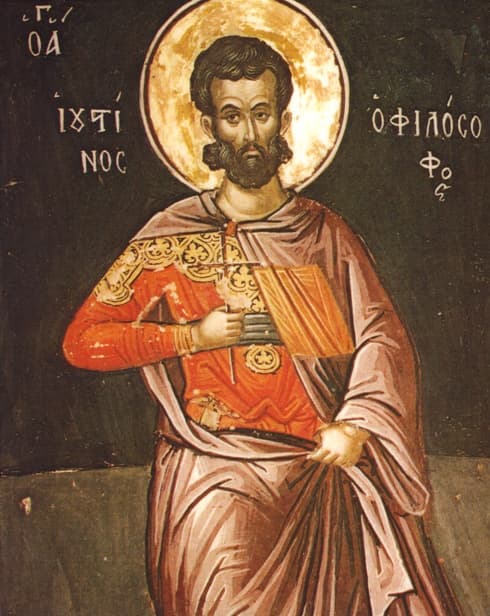
Justin Martyr calls baptism 'illumination'; for the early fathers it truly washes sin and regenerates. Tertullian gives us the first explicit discussion of infant baptism — and he argues for delay: let children come when they can know Christ. His objection presumes the practice already existed.
Primary source“The Church received from the apostles the tradition of giving baptism even to infants.”
— Origen, Commentary on Romans 5.9, c. 244
How it was received
Origen, by contrast, calls infant baptism an apostolic tradition, and a council under Cyprian (253) ruled that infants should be baptized as soon as born, without waiting even the eight days of circumcision. Notably, many Christian parents in the fourth century still delayed baptism for decades (Constantine, Augustine himself) — mostly from fear of post-baptismal sin.
Key voicesJustin Martyr · Tertullian · Origen · Cyprian
311–430
Augustine: validity, original sin, and necessity
What happened
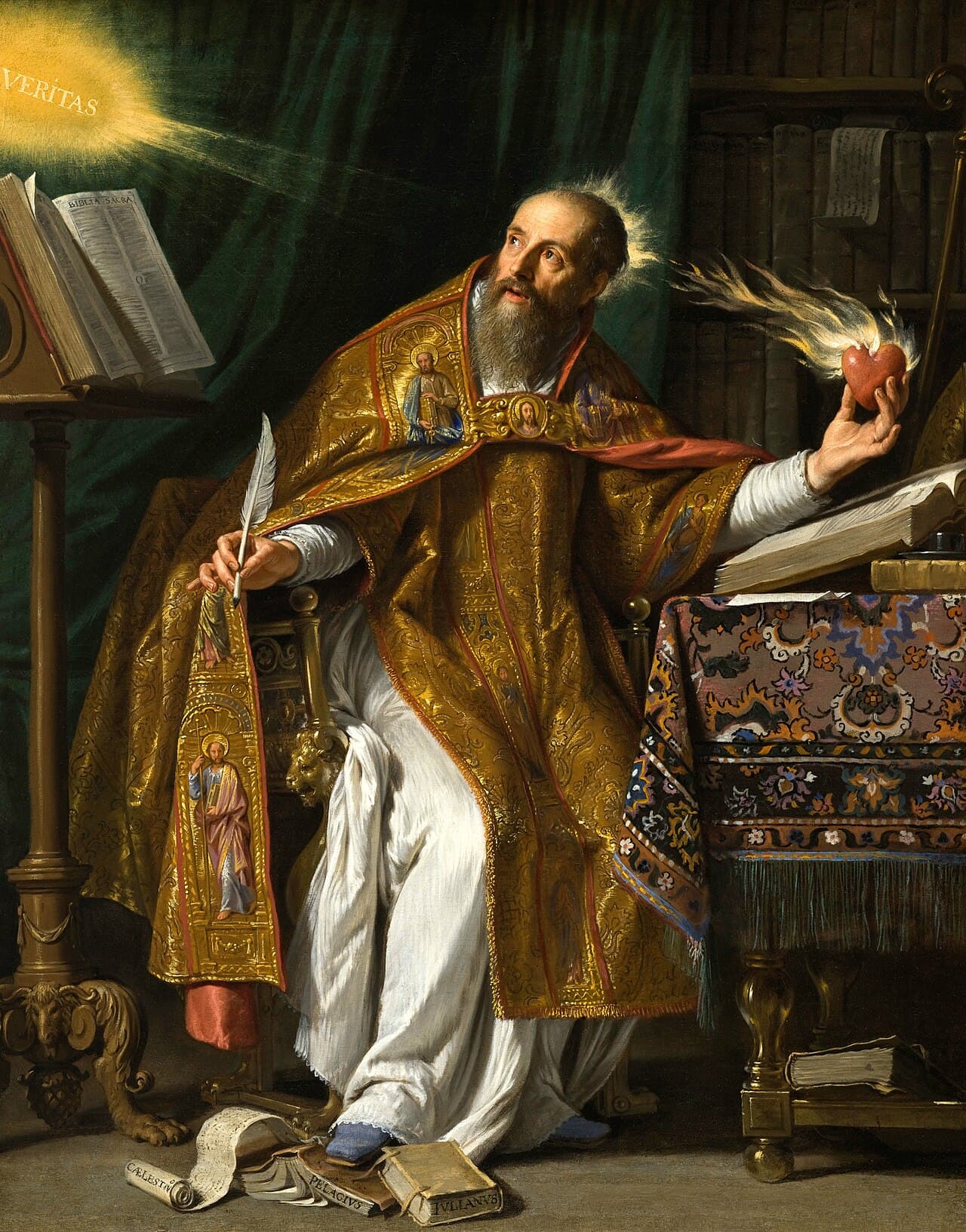
Two North African controversies fixed the Western doctrine. Against the Donatists, Augustine argued that baptism belongs to Christ, not the minister — a baptism performed by an unworthy or schismatic priest is still valid. The sacrament works by God's action (later shorthand: ex opere operato).
Primary source“Baptism does not depend on the merits of him who administers it… but on the One of whom it is said: 'This is he who baptizes.'”
— Augustine, Tractates on John 6.7 (paraphrasing his anti-Donatist teaching)
How it was received
Against Pelagius, he argued that the church baptizes infants 'for the remission of sins' — proof, he said, that even newborns carry original sin. The dark corollary, that unbaptized infants are lost (however mildly), haunted Western theology and later spawned the theory of limbo.
Key voicesAugustine · Donatists · Pelagius
500–1500
The medieval settlement — East and West drift in practice
What happened
Infant baptism became predominant and increasingly urgent in most medieval churches, often performed within days of birth. The West gradually made affusion common and separated confirmation from baptism by years; the Byzantine East normally retained immersion and still chrismates and communes infants immediately, preserving the rites as a unit.
How it was received
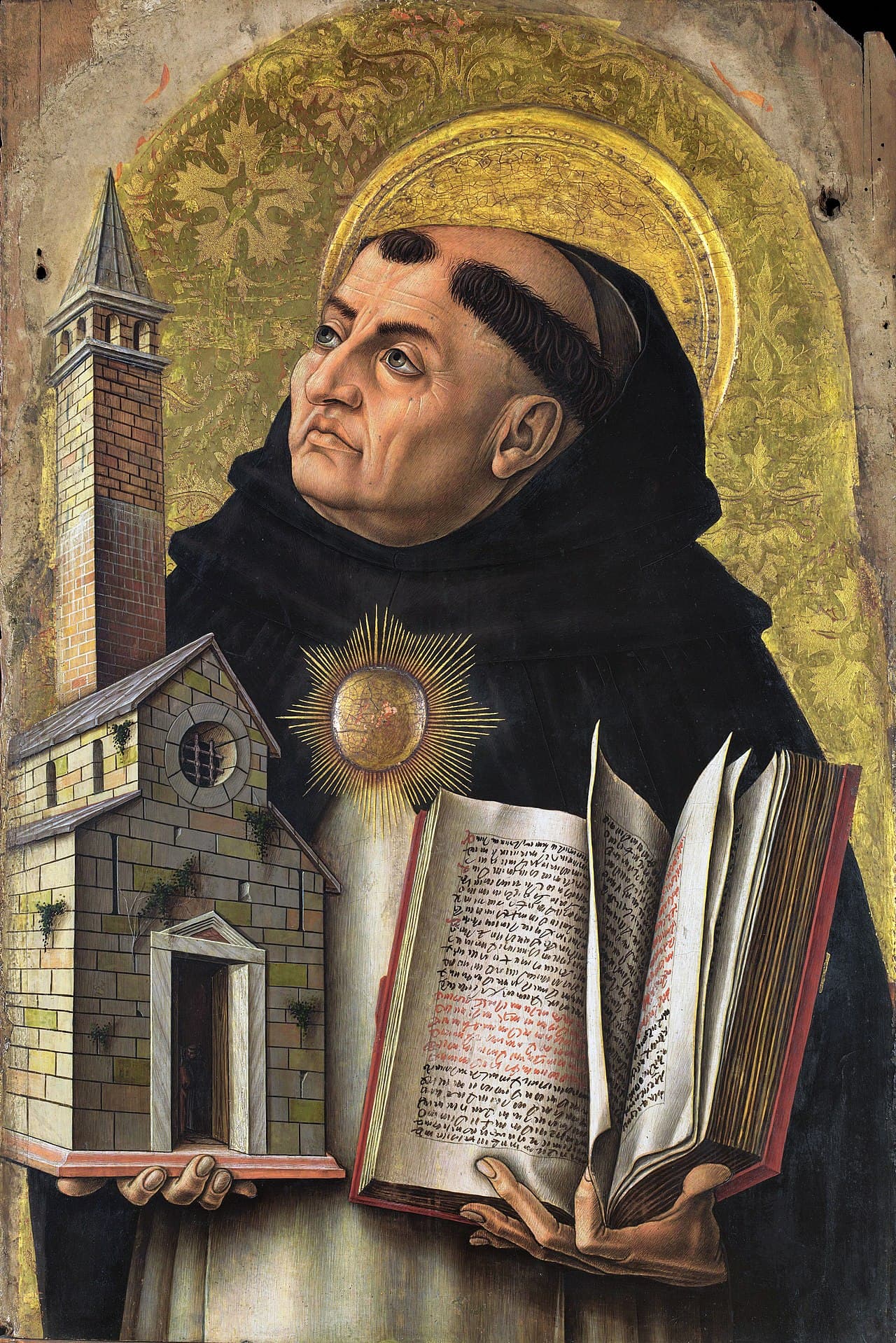
Scholastic theology systematized it all: baptism imprints an indelible character, removes original sin, and is necessary for salvation — with 'baptism of blood' (martyrdom) and 'baptism of desire' as recognized exceptions.
Key voicesThomas Aquinas · Fourth Lateran Council · Byzantine rite
1517–1525
Reformation: regeneration kept, then radically questioned
What happened
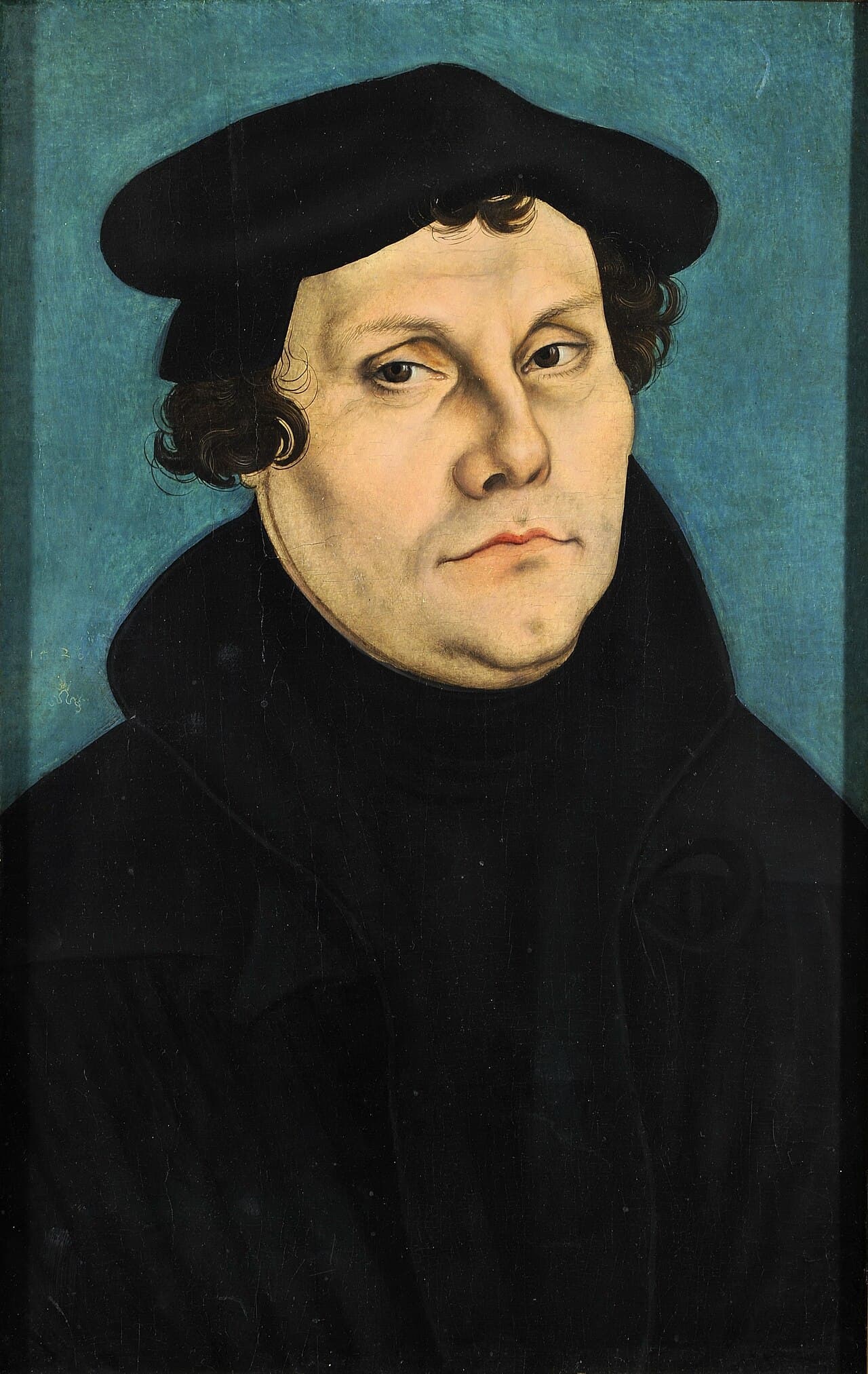
Luther kept a robustly sacramental view — baptism truly saves, because God's word is joined to the water — and defended infant baptism fiercely. Zwingli reframed baptism as a covenant sign, the Christian counterpart of circumcision: it pledges a child to God rather than washing away sin.
Primary source“Baptism shall be given to all those who have been taught repentance and amendment of life… and to all those who desire to walk in the resurrection of Jesus Christ.”
— Schleitheim Confession, art. 1, 1527
How it was received
In January 1525, some of Zwingli's own radical students in Zurich rebaptized one another as confessing adults — the birth of Anabaptism. For them, only a believer's baptism is baptism at all; infant baptism is no baptism. City councils, Catholic and Protestant alike, answered with exile and execution.
Key voicesMartin Luther · Huldrych Zwingli · Conrad Grebel · Felix Manz
1530–1700
Confessional lines harden; the Baptists emerge
What happened
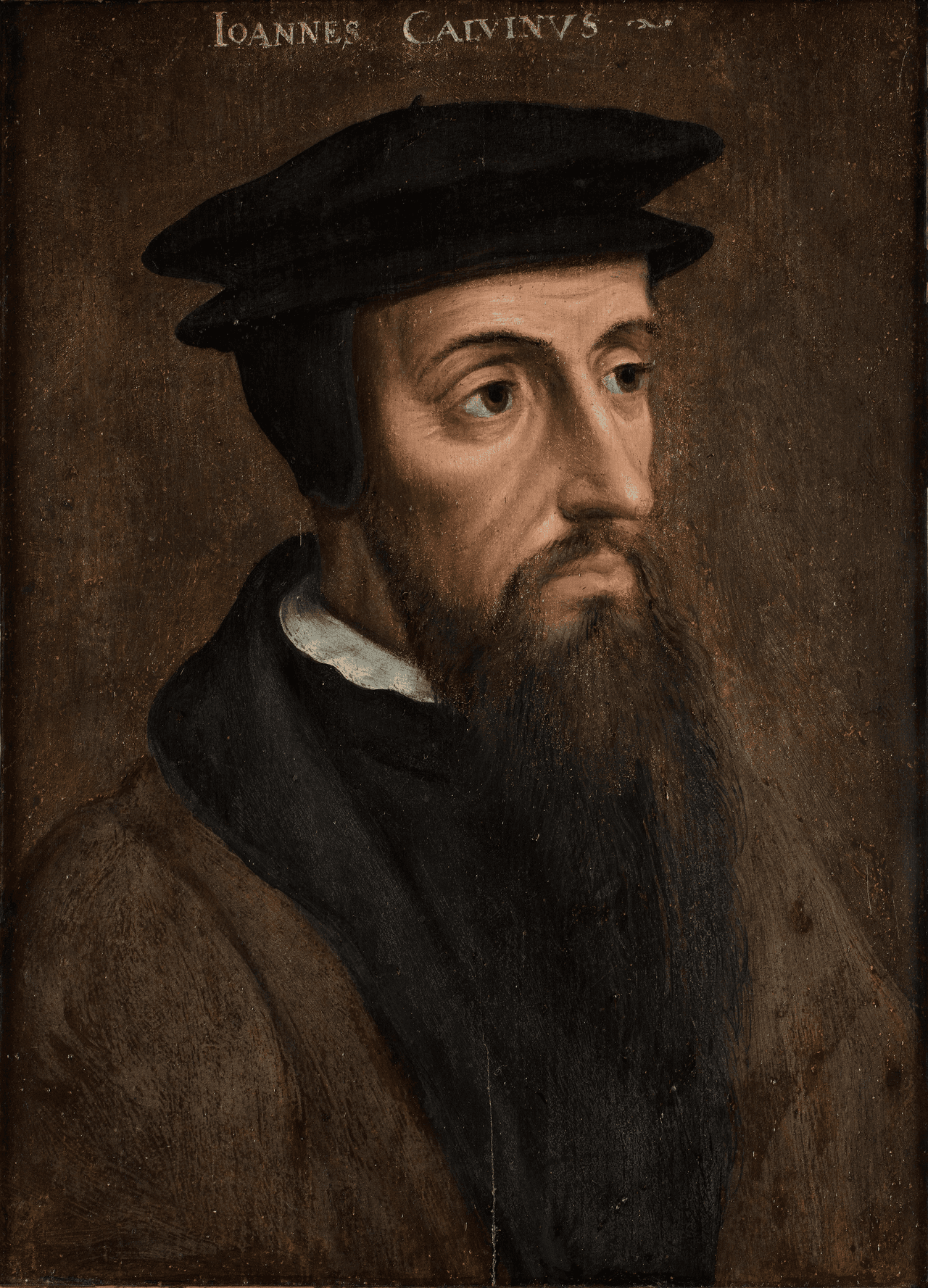
Calvin gave infant baptism its enduring Reformed rationale: one covenant of grace spans both testaments, so believers' children receive the sign as Israel's children received circumcision. Trent reaffirmed the full Catholic doctrine against all comers.
How it was received
In the English-speaking world, John Smyth's congregation (1609) and the later Particular Baptists revived believer's baptism, and the 1644 London Confession specified immersion as the proper mode — fusing the Anabaptist 'who' with a restored ancient 'how.'
Key voicesJohn Calvin · Council of Trent · John Smyth · London Confession 1644
1800–today
Global growth of believer's baptism — and ecumenical convergence
What happened
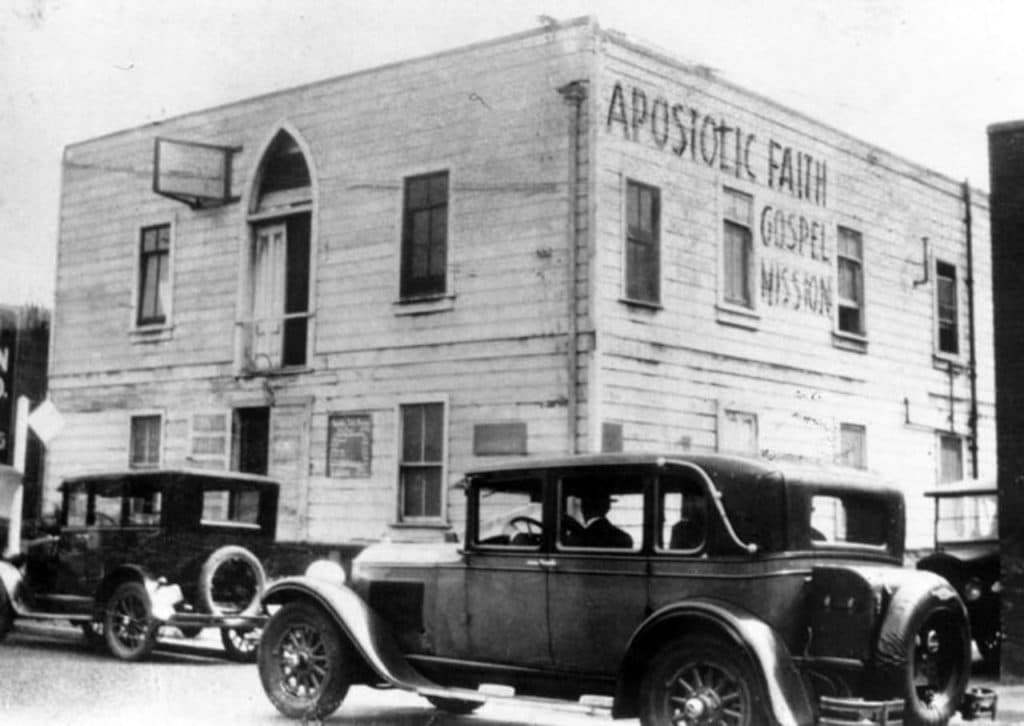
Baptist, many Pentecostal, and many nondenominational movements made believer's baptism by immersion a major global Protestant practice, while Catholic, Orthodox, Anglican, Lutheran, and Reformed churches maintain infant baptism. The Roman Catholic Rite of Christian Initiation of Adults, promulgated in 1972, restored an extended adult catechumenate.
Primary source“Baptism is an unrepeatable act. Any practice which might be interpreted as 're-baptism' must be avoided.”
— Baptism, Eucharist and Ministry (WCC 'Lima text'), 1982
How it was received
The WCC's landmark Baptism, Eucharist and Ministry (1982) found remarkable common ground — one baptism, God's gift, unrepeatable — while naming the infant/believer question as the great unresolved divide. Many churches now mutually recognize each other's baptisms; Baptists, consistently, generally do not recognize infant baptism.
Key voicesPentecostalism · BEM 1982 · RCIA
The present landscape
Where the traditions stand today
Catholic & Orthodox
Baptism regenerates, forgives sin, and incorporates into the church; infants are baptized. Orthodoxy immerses and immediately chrismates; Catholicism typically pours and confirms later.
Lutheran / Anglican / Reformed
Infant baptism retained. Lutherans and many Anglicans affirm baptismal regeneration; Reformed churches see a covenant sign and seal of grace.
Baptist / Anabaptist / Pentecostal
Baptism is the believer's own confession, by immersion, following personal faith; it does not itself regenerate. Infant baptism is not recognized as baptism.