The argument through time
History enters the room.
c. 200–500
Art in the catacombs, unease in the councils
What happened
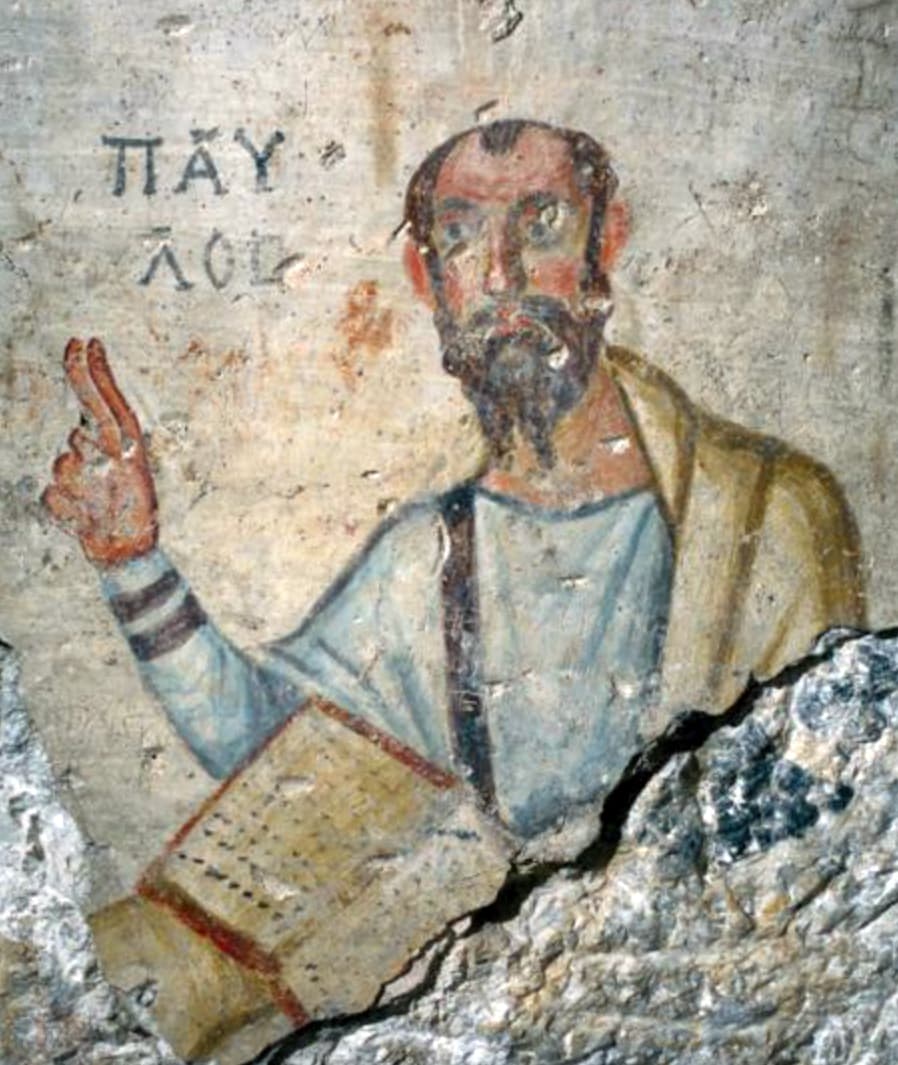
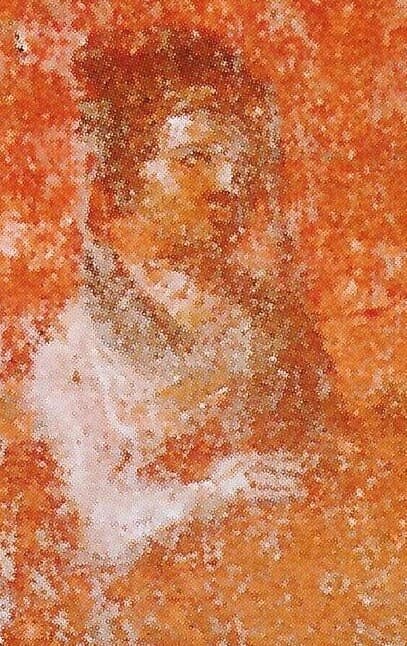
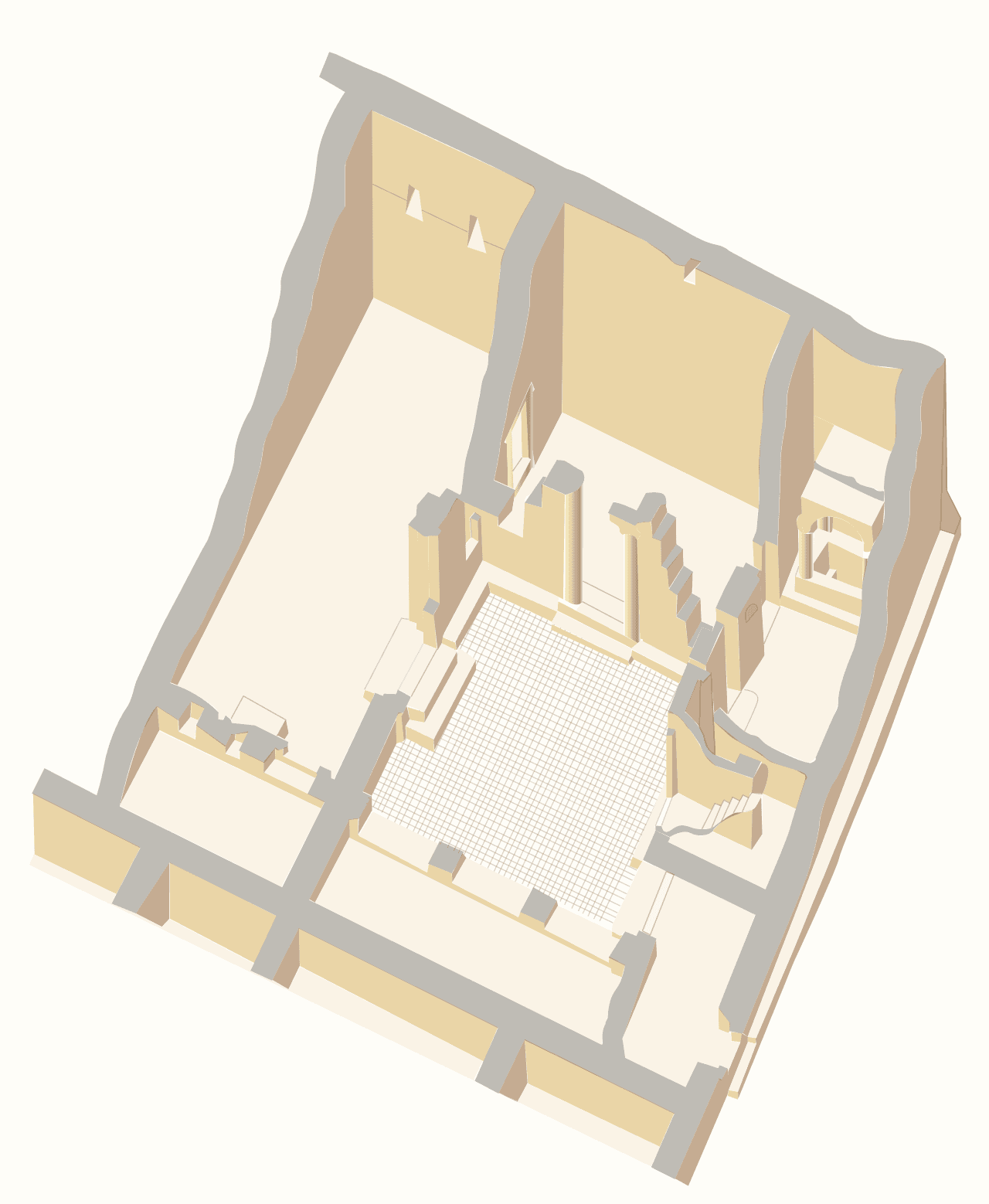
Despite the second commandment, Christian art appears early: the catacombs and the Dura-Europos house church (c. 240) show Good Shepherds, Jonahs, and Gospel scenes. Yet unease persisted — the Spanish Council of Elvira (c. 306) forbade pictures in churches 'lest what is worshiped be depicted on walls,' and fathers like Epiphanius reportedly tore down an image curtain.
How it was received
Practice ran ahead of theory: images multiplied for teaching and memory while theology had not yet decided what they were for.
Key voicesDura-Europos · Council of Elvira · Epiphanius
500–726
The icon triumphant
What happened
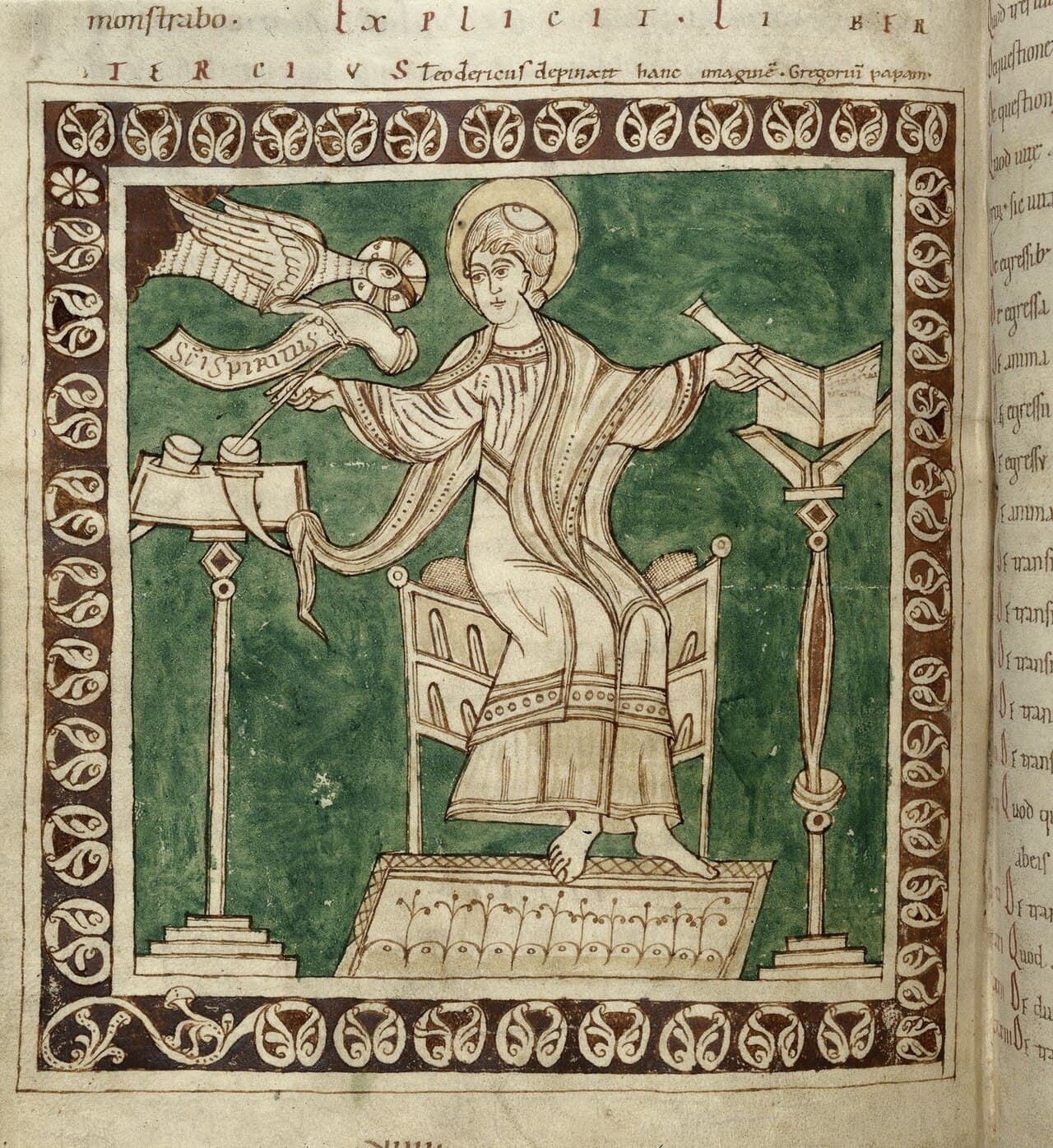
By the sixth and seventh centuries icons had become prominent in Byzantine public and devotional life: portraits 'not made by hands,' images carried in processions or battle, and reports of wonder-working icons. Gregory the Great, in the West, defended images chiefly as aids to memory and instruction — 'books of the unlettered.'
Primary source“What writing presents to readers, a picture presents to the unlearned who behold it.”
— Gregory the Great, Letter to Serenus of Marseilles, 599
How it was received
The very intensity of the devotion set up the explosion: were Christians praying through the images, or to them?
Key voicesGregory the Great · Image of Edessa · Byzantine piety
726–787
Iconoclasm — and the incarnation argument
What happened
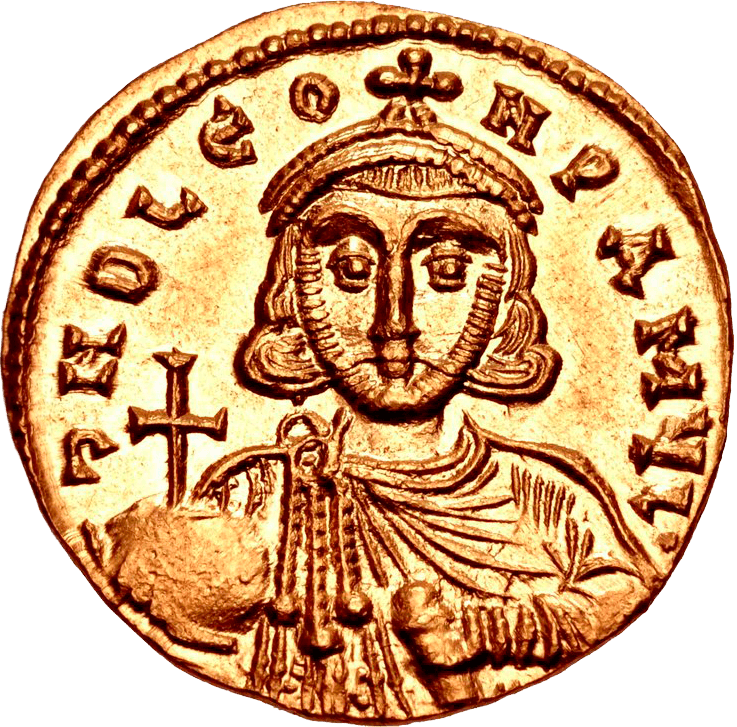
Emperor Leo III began removing icons (726); his son Constantine V made iconoclasm imperial theology, and a council of 754 condemned images wholesale. Monks who resisted were mutilated and killed.
Primary source“I do not worship matter; I worship the God of matter, who became matter for my sake… and through matter worked my salvation.”
— John of Damascus, On the Divine Images 1.16, c. 730
How it was received
From Muslim-ruled territory, John of Damascus wrote the classic defense: the invisible God cannot be depicted, but the incarnate Son has made God visible in human form. Matter is not evil; God works salvation through it. The Second Council of Nicaea (787), the seventh council received as ecumenical by both the Catholic and Eastern Orthodox churches, vindicated icons while distinguishing relative veneration (proskynesis) from the worship (latreia) owed to God alone: 'the honor paid to the image passes to the prototype.'
Key voicesLeo III · John of Damascus · Nicaea II
815–843
Second iconoclasm and the Triumph of Orthodoxy
What happened
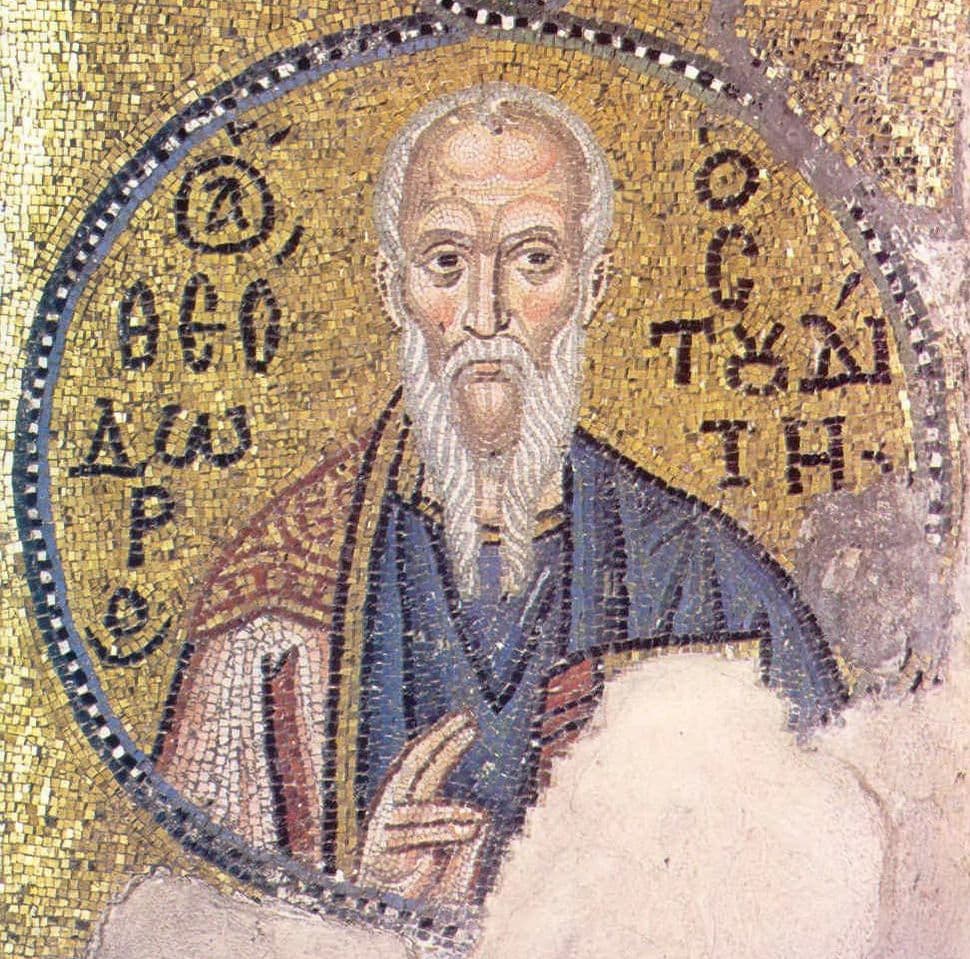
The battle reignited under Leo V and lasted a generation, resisted above all by the monk Theodore the Studite, who pushed the theology further: an icon of Christ depicts his person, not his nature — so painting him neither divides nor circumscribes the Godhead.
How it was received
In 843 the Empress Theodora restored the icons for good. The Orthodox Church still celebrates the event on the first Sunday of Lent as the 'Triumph of Orthodoxy' — icons standing, ever since, at the very definition of Orthodox identity.
Key voicesTheodore the Studite · Empress Theodora · Triumph of Orthodoxy 843
790–1500
The West: useful, lovely, and under-theorized
What happened
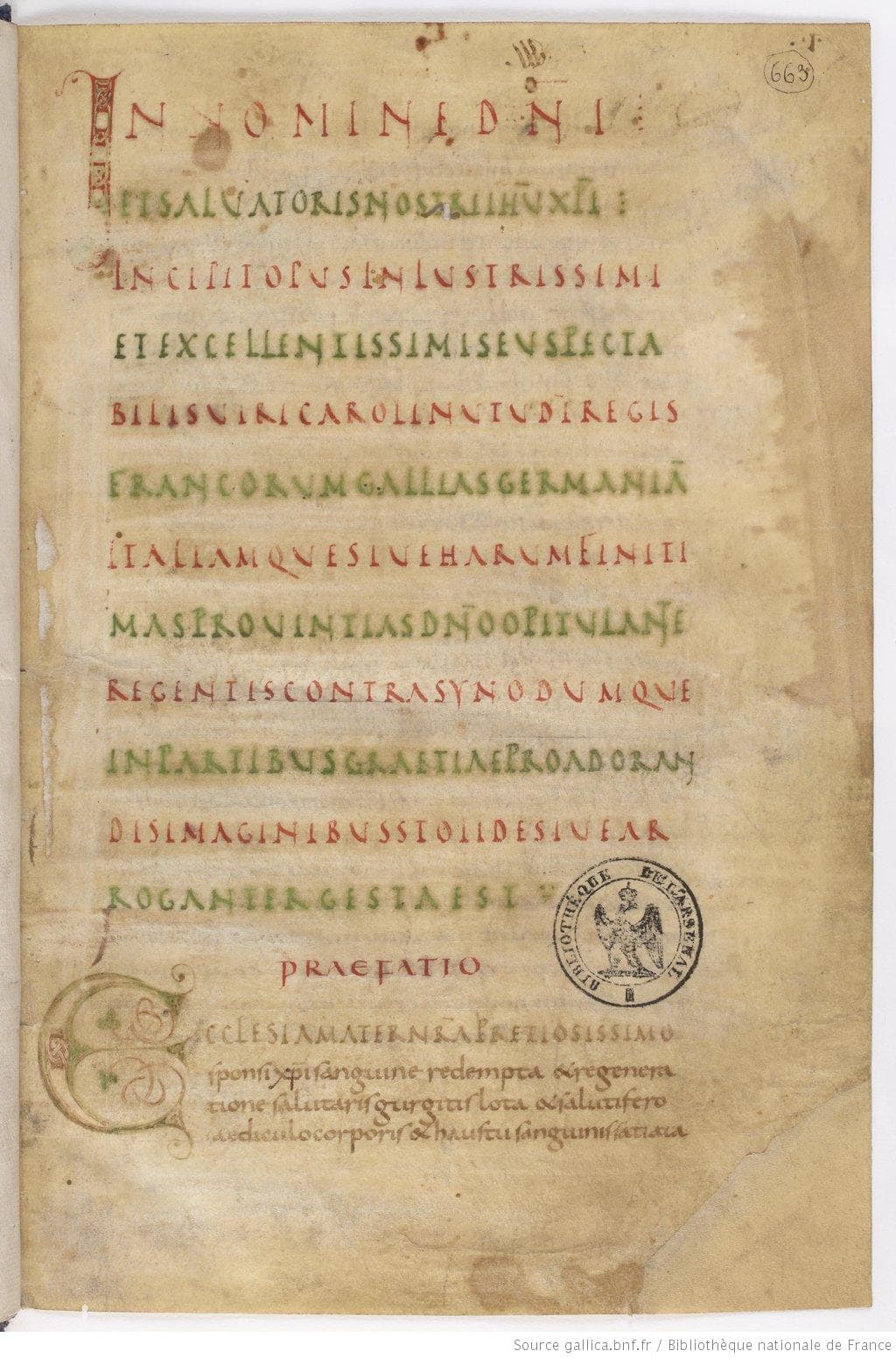
Charlemagne's theologians, working from a bad translation of Nicaea II, issued the Libri Carolini — images are useful decoration and instruction, neither to be smashed nor venerated — a cooler position than either Greek party. In practice the medieval West filled up with statues, relics, crucifixes, and pilgrimage images, its piety as image-saturated as Byzantium's but with less careful theory.
How it was received
That gap — lavish practice, thin theory — left the West's images exposed when the questioning came.
Key voicesLibri Carolini · Gothic image culture
1522–1600s
Reformation iconoclasm
What happened
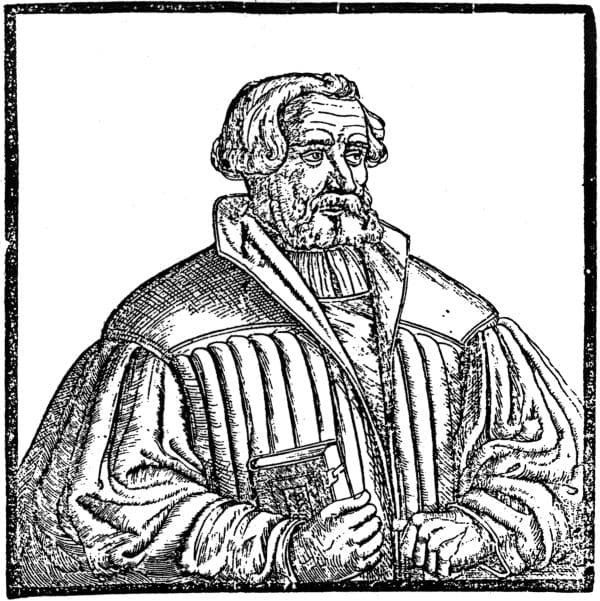
The Reformation split three ways. Karlstadt and Zwingli's Zurich stripped and whitewashed the churches (1524); Calvin held that God may not be represented at all, and Reformed sanctuaries became famously bare — the argument now aimed not at abuse but at images of God as such. Luther, disgusted by the mobs, kept crucifixes and art: images are 'neither here nor there,' matters of freedom, and the ear, not the eye, is faith's organ.
Primary source“God cannot be represented by any visible figure… every statue man erects to God is repugnant to his majesty.”
— Calvin, Institutes 1.11 (condensed), 1559
How it was received
England oscillated violently — Edwardian smashing, Marian restoration, Elizabethan compromise, then the Puritan hammer of the 1640s. Europe's empty niches and headless statues are the Reformation's most visible archaeological signature.
Key voicesKarlstadt · Huldrych Zwingli · John Calvin · William Dowsing
1900–today
The icon rediscovered
What happened
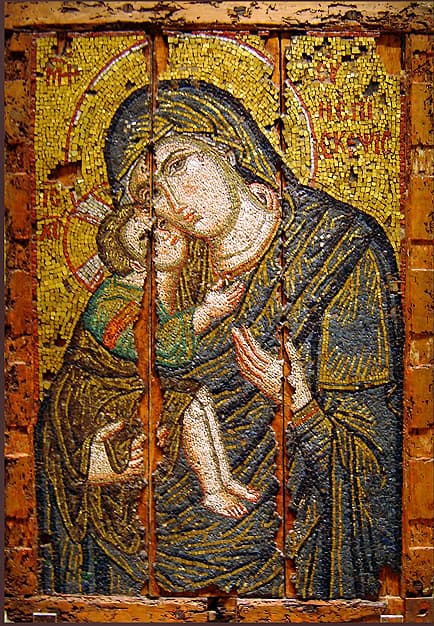
The twentieth century reversed the flow: the Russian émigré theologians (Ouspensky, Lossky) and restored medieval icons (Rublev's Trinity, cleaned in 1904) taught the West to read icons as theology in color, not primitive art. Icons now hang in Catholic parishes and evangelical homes; Taizé chants before them.
How it was received
Meanwhile Protestant worship quietly re-filled with images — projection screens, film, digital art — often without revisiting the old questions. The debate between Nicaea II and Geneva is dormant, not dead; every tradition still lives somewhere on its map.
Key voicesLeonid Ouspensky · Andrei Rublev's Trinity · Taizé
The present landscape
Where the traditions stand today
Catholic
Images of Christ and the saints are venerated, never worshiped (Nicaea II reaffirmed at Trent); sacred art is part of the church's patrimony.
Orthodox
Icons are near the heart of the faith — the incarnation in line and color — venerated with kisses, incense, and prostrations; iconoclasm is a condemned heresy.
Protestant
Lutherans and Anglicans retain images without veneration; the Reformed tradition historically rejects images of God (many now allow art, not devotion); evangelicalism is image-rich in media and image-averse in liturgy.