The argument through time
History enters the room.

c. 30–200
Mysteries before definitions
What happened
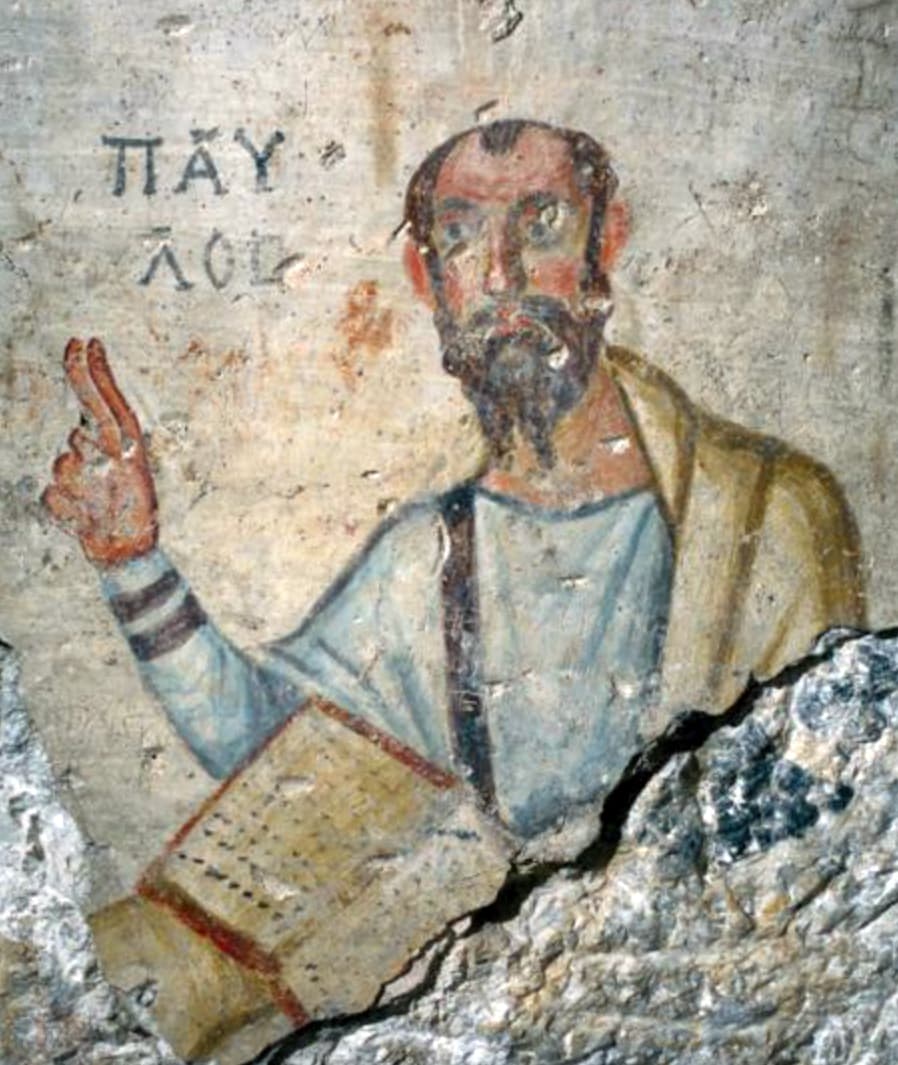
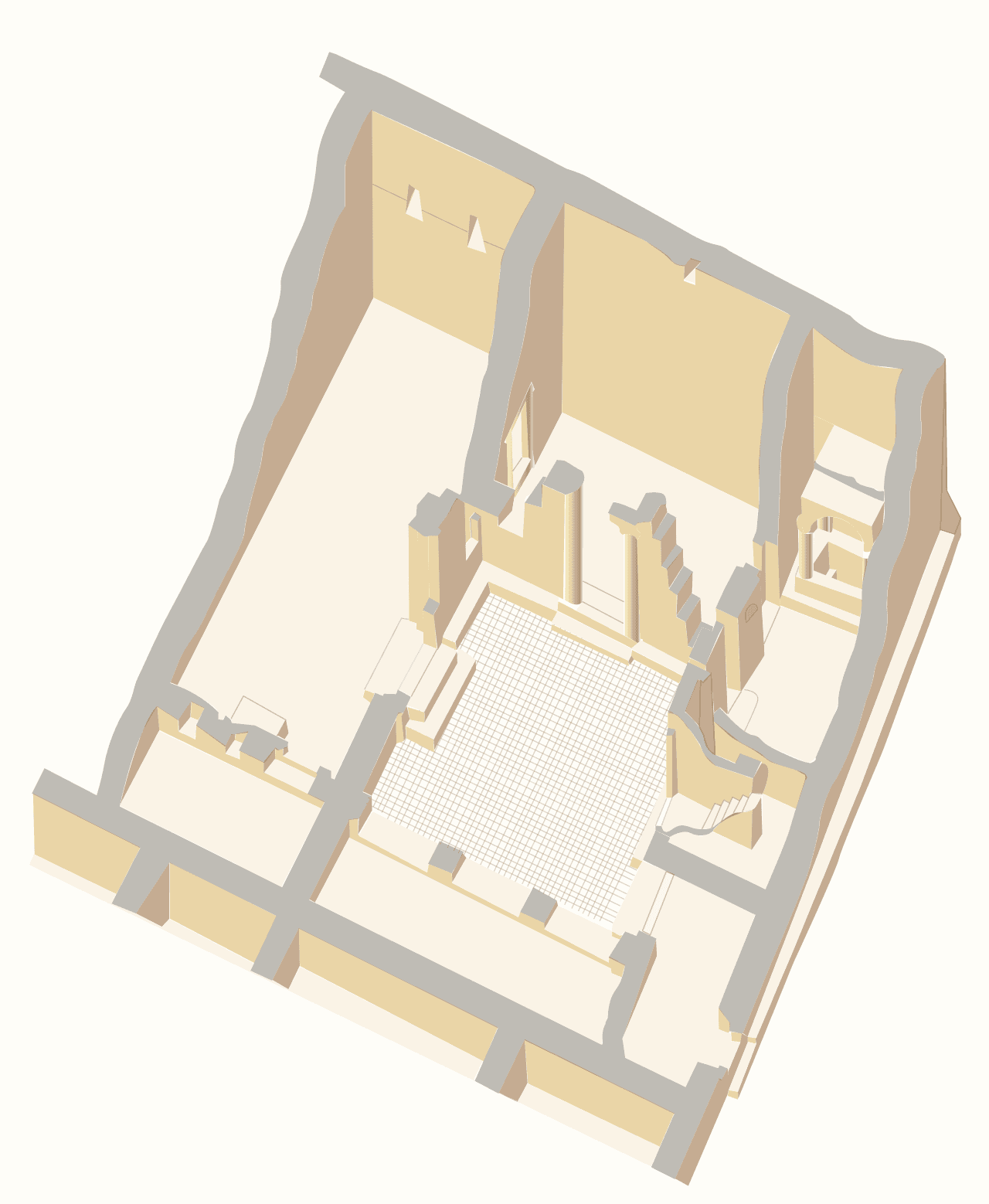
The New Testament has no word for 'sacrament'; it has practices — baptism and the Lord's supper above all — and the Greek word mysterion, God's once-hidden plan now revealed in Christ. The Latin Bible translated mysterion as sacramentum — a soldier's oath of allegiance — and Tertullian ran with the military image: baptism as the recruit's oath.
How it was received
For centuries the word stayed generous: rites, symbols, Scripture's deep senses, the creed itself could all be 'sacraments.' The instinct — God works through material signs — was firm; the inventory was not.
Key voicesMysterion · Tertullian · Early liturgies
390–430
Augustine: the visible word
What happened
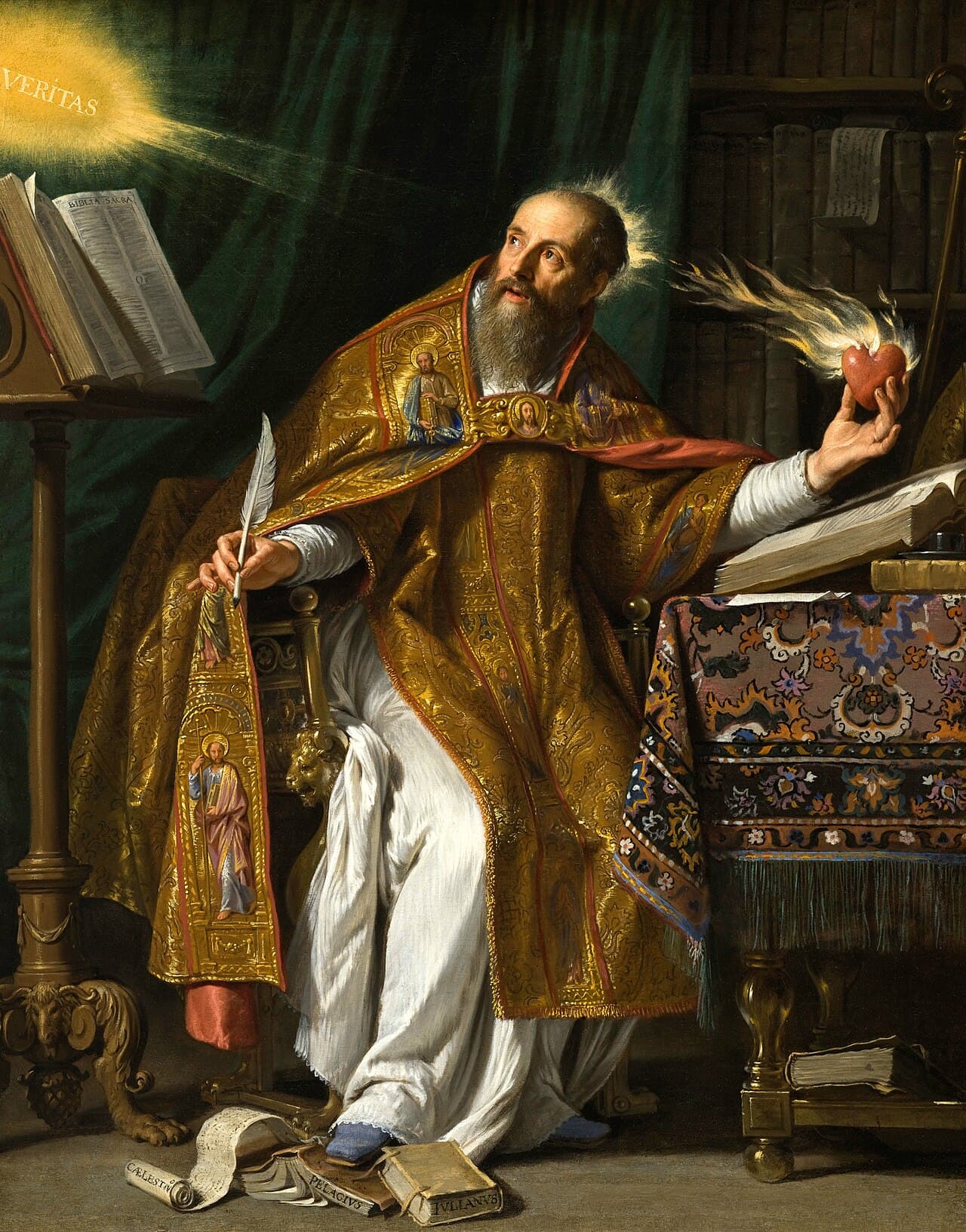
Augustine gave the West its lasting definition: a sacrament is a sacred sign — a 'visible word' — in which the word joins the element and grace is signified and conveyed. His formulations ('he who believes is washed not by the water but by the word') balanced sign and faith so carefully that both Catholics and Reformers would later claim him.
Primary source“The word is added to the element, and there results a sacrament, itself a kind of visible word.”
— Augustine, Tractates on John 80.3, c. 420
How it was received
Augustine's own count was open-ended — he could call dozens of things sacraments. What he fixed was the grammar: sign, word, grace, and Christ as the true minister of every sacrament.
Key voicesAugustine
1150–1274
Seven — the scholastic settlement
What happened
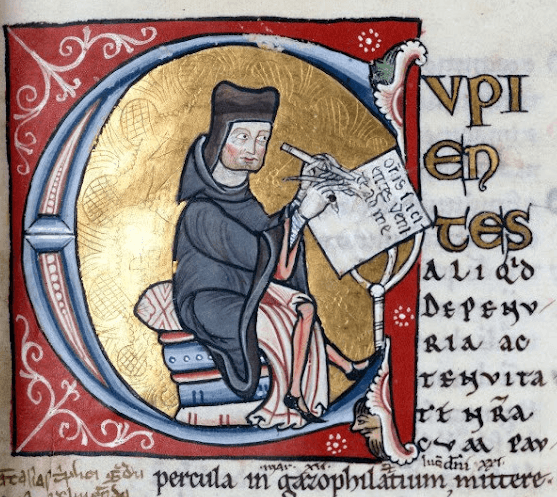
Peter Lombard's Sentences (c. 1150), the medieval theology textbook, listed exactly seven: baptism, confirmation, Eucharist, penance, extreme unction, orders, marriage — and the number stuck, ratified by its elegant fit with life's arc (birth, growth, nourishment, healing, mission, love) and the mystique of seven.
How it was received
Aquinas systematized sacraments as instrumental causes of grace, working ex opere operato when no obstacle is placed, each discussed in terms of sign, minister, and effect. The Council of Florence (1439) gave an authoritative Latin account of the seven. Twelfth-century theologians standardized the number; the rites are older than their classification as a closed set.
Key voicesPeter Lombard · Thomas Aquinas · Council of Florence
1520
Luther's axe: The Babylonian Captivity
What happened
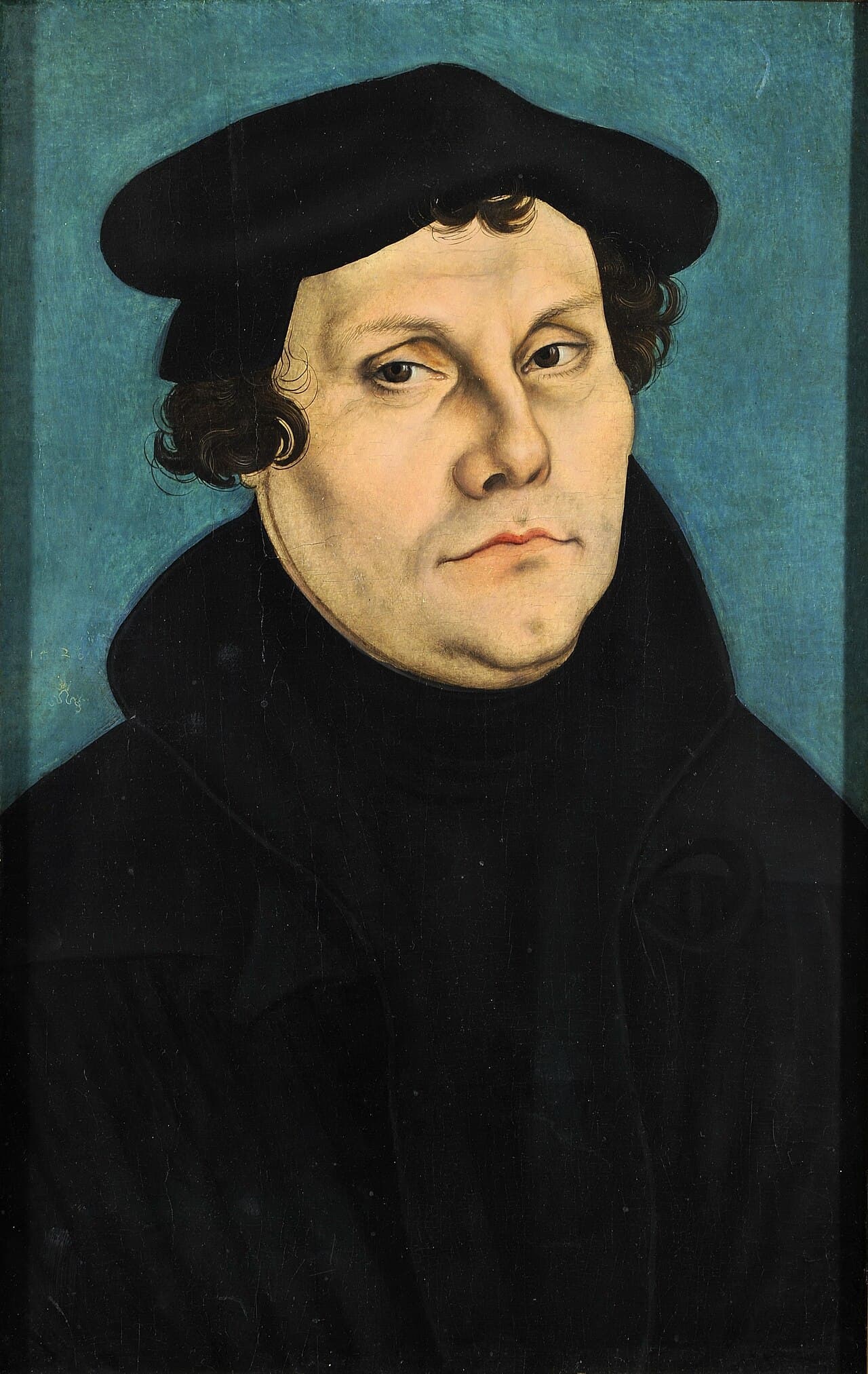
In one treatise Luther re-derived the category: a sacrament requires a sign instituted by Christ with a promise of grace attached. Marriage, confirmation, orders, unction — good things, but not that; penance wavered (he kept absolution while denying it separate sacramental status); two remained: baptism and the supper.
Primary source“There are, strictly speaking, only two sacraments in the church of God — baptism and the bread; for only in these do we find both the divinely instituted sign and the promise of forgiveness of sins.”
— Luther, The Babylonian Captivity of the Church, 1520
How it was received
The redefinition, not the demolition, was the radical act: sacraments now existed to awaken and confirm faith in the promise. Zwingli went further — signs of allegiance, badges of the covenant community, the soldier's sacramentum again but pointing manward; Calvin held the deep middle: real instruments through which the Spirit truly offers what they picture.
Key voicesMartin Luther · Huldrych Zwingli · John Calvin
1547–1563
Trent: seven, no more, no fewer
What happened
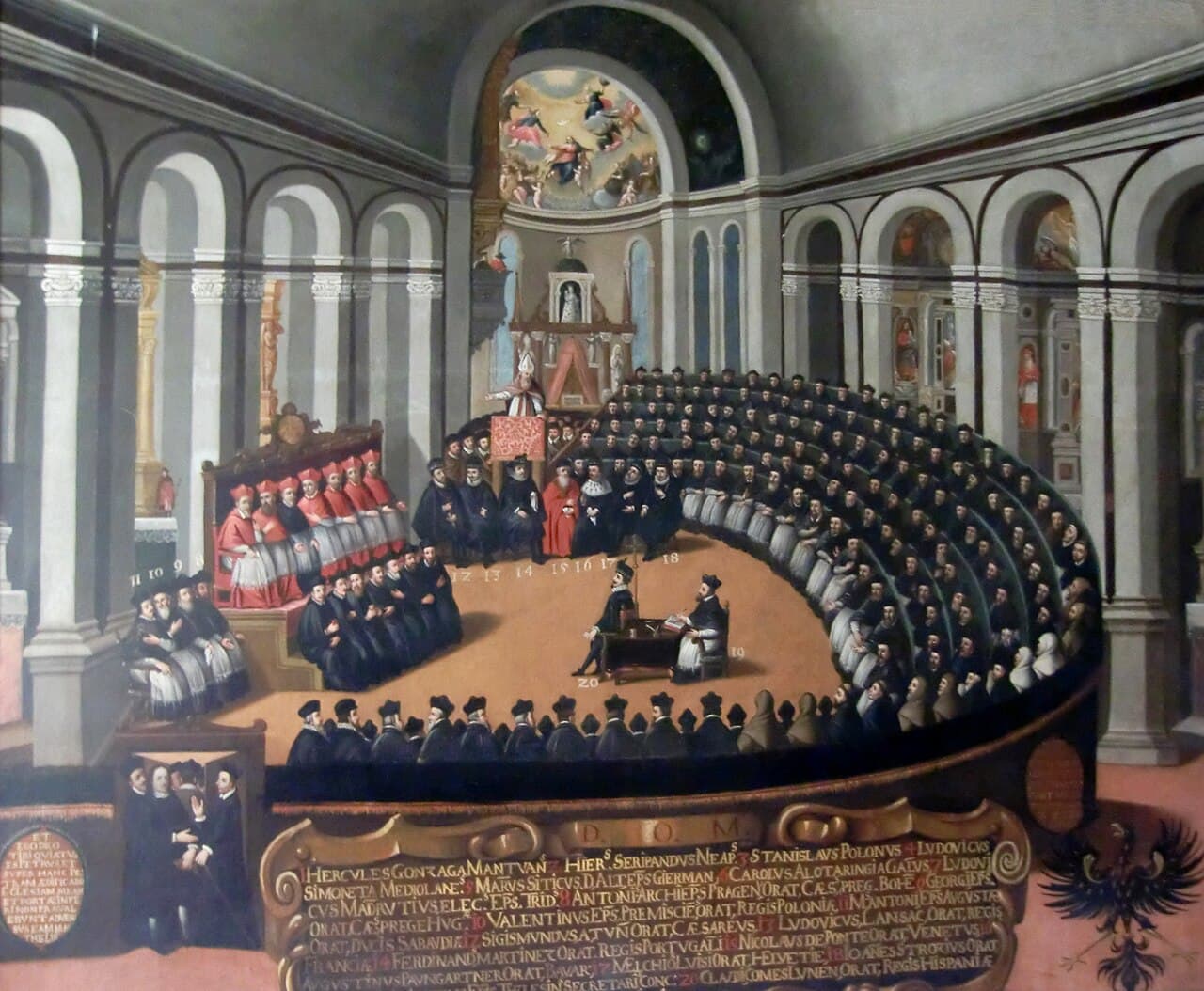
Trent anathematized the new math: the sacraments of the new law are 'seven, neither more nor fewer,' all instituted by Christ, conferring grace ex opere operato on those who place no obstacle. The council also carefully ranked them — Eucharist supreme — and rebuilt sacramental discipline for the Counter-Reformation parish.
Primary source“If anyone says that the sacraments of the new law… are more or fewer than seven… let him be anathema.”
— Council of Trent, Session 7, Canon 1, 1547
How it was received
The Church of England's articles split the difference with characteristic diplomacy: two 'sacraments of the Gospel,' five 'commonly called sacraments' that lack a visible sign or ceremony ordained of God — a formula still generating Anglican theses.
Key voicesCouncil of Trent · Thirty-Nine Articles
1900–today
Sacramentality recovered — beyond the counting
What happened
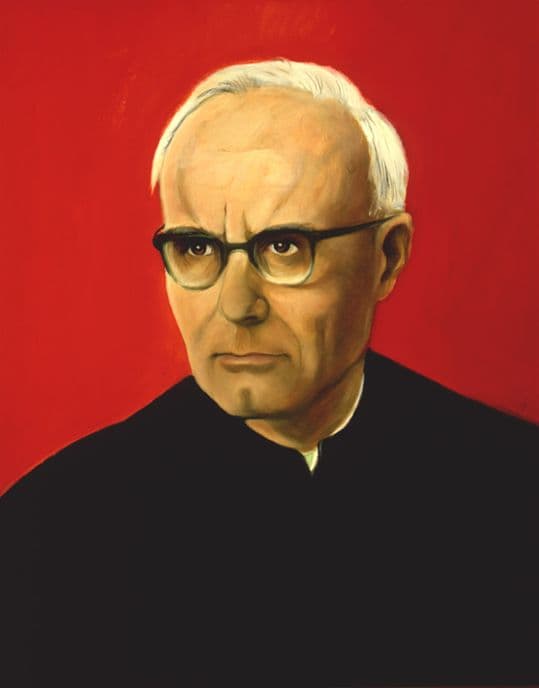
Modern theology largely moved past the arithmetic to the principle. Rahner called the church itself the primal sacrament of Christ; Schmemann's For the Life of the World (1963) taught a generation that the world itself is sacramental material and the Eucharist the restoration of all eating and seeing. Orthodoxy, which adopted the count of seven under Western influence, cheerfully notes its own list was never closed — monastic tonsure, burial, the great blessing of waters shade into the mysteries.
How it was received
Some evangelical congregations and theologians have shown renewed interest in frequent communion, liturgy, and stronger accounts of baptism and the Lord's supper, while others retain a memorial or ordinance framework. The seven-versus-two distinction endures, and disagreement remains over whether the signs instrumentally convey grace or chiefly confess a grace already received.
Key voicesKarl Rahner · Alexander Schmemann · Evangelical sacramental turn
The present landscape
Where the traditions stand today
Catholic
Seven sacraments instituted by Christ, effective ex opere operato as acts of Christ himself; the Eucharist is source and summit.
Orthodox
The mysteries are conventionally seven but uncounted in principle — the church's whole life is mystery; definitions are held loosely, the rites fiercely.
Protestant
Two sacraments (or ordinances) of the gospel: baptism and the Lord's supper. Lutherans and Reformed count them means of grace; Baptists and most evangelicals, acts of obedient witness.