The argument through time
History enters the room.
c. 30–100
Pentecost and the charismatic congregations
What happened
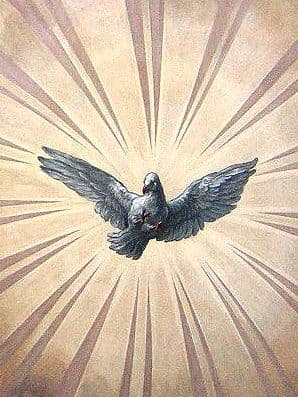
The church was born in wind, fire, and tongues (Acts 2), and Paul's letters show congregations where prophecy, tongues, healing, and interpretation were regular — and regularly disorderly (1 Corinthians 12–14: eagerly desire the gifts; do everything decently and in order). The Spirit in the New Testament is personal — grieved, sending, forbidding — but nowhere given a doctrinal definition.
How it was received
Both later camps quote the same chapters: 'love never ends… as for prophecies, they will pass away' — but when? When 'the perfect' comes: the canon's completion, said later cessationists; the face-to-face of glory, say continuationists.
Key voicesActs 2 · 1 Corinthians 12–14
c. 165–230
Montanism: the crisis of prophecy
What happened
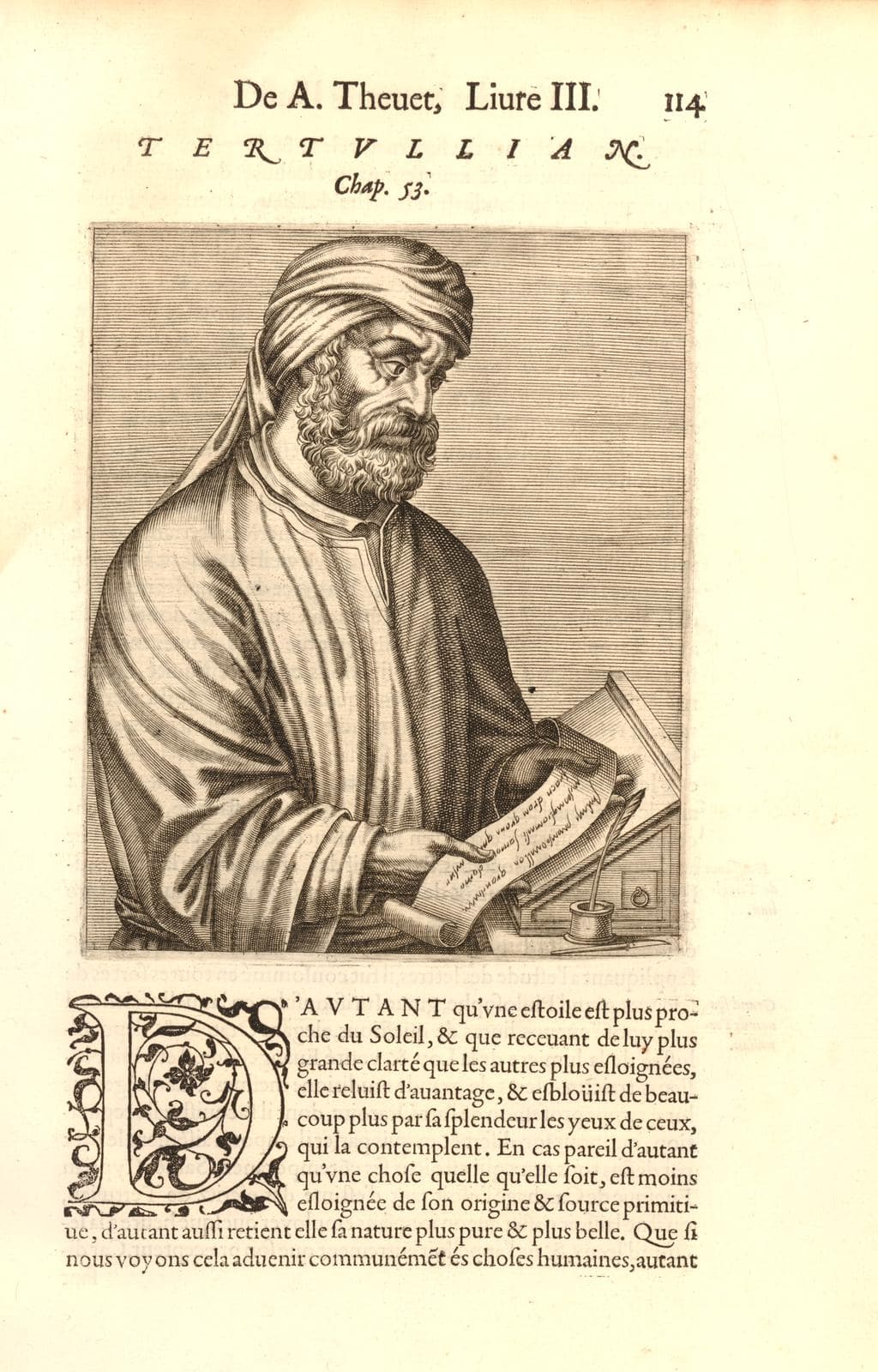
Montanus and the prophetesses Priscilla and Maximilla proclaimed the New Prophecy, combining ecstatic utterance, rigorous discipline, and claims to the Paraclete's speech. Opponents disputed its prophecies, discipline, and authority, and regional churches eventually rejected the movement. Tertullian later embraced the New Prophecy, impressed by its rigor; the episode did not end Christian prophecy but made claims to new revelation more contested.
How it was received
The relation between Montanism and later institutional attitudes toward charismatic gifts is debated. Reports of healings, prophecy, visions, and exorcisms continued: Irenaeus describes such gifts, and Augustine, after earlier skepticism about some miracles, catalogued healings reported in his own diocese.
Key voicesMontanus · Priscilla & Maximilla · Tertullian · Augustine's miracles
360–381
The Spirit's deity defined
What happened
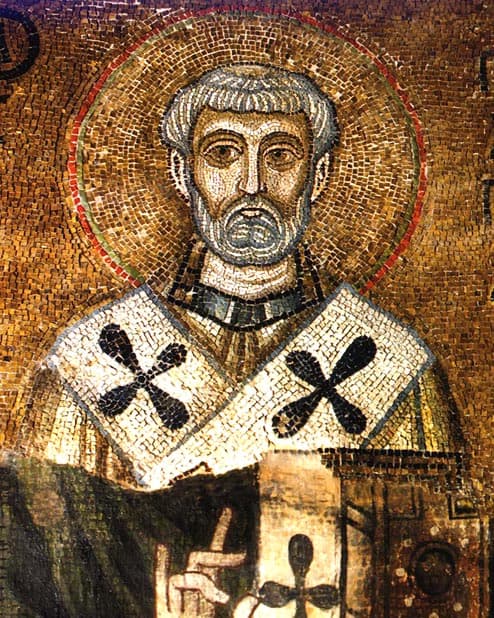
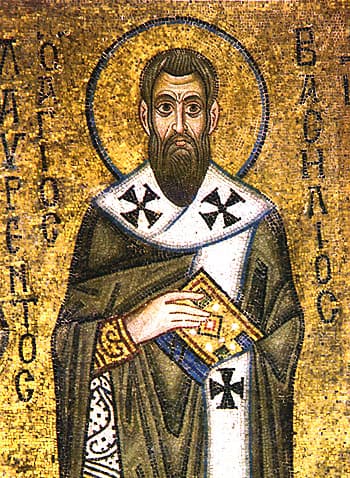
Some fourth-century churchmen, conceding the Son's deity, balked at the Spirit's ('Spirit-fighters,' the Pneumatomachi). Basil of Caesarea's On the Holy Spirit made the decisive argument from worship: the church baptizes and doxologizes in the Spirit's name; the Spirit ranks with the Father and Son, not below.
Primary source“And in the Holy Spirit, the Lord, the giver of life… who with the Father and the Son together is worshiped and glorified, who spoke by the prophets.”
— Niceno-Constantinopolitan Creed, 381
How it was received
The Council of Constantinople (381) wrote it into the creed with careful biblical titles: 'the Lord, the giver of life, who proceeds from the Father, who with the Father and the Son together is worshiped and glorified.' Pneumatology's dogmatic core was complete — and, many later theologians complained, its development largely stopped there for a millennium: the Spirit as the 'forgotten' or 'shy' member of the Trinity.
Key voicesBasil the Great · Gregory of Nazianzus · Constantinople 381
1100–1918
Mystics, radicals — and cessationism codified
What happened
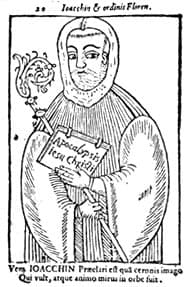
The Spirit's fire kept breaking out at the edges: Joachim of Fiore's coming Age of the Spirit, medieval mystics (Hildegard's visions were examined and approved), radical reformers claiming the inner Word, Quakers waiting on the Light, revivalists swooning under the Awakenings. The institutions kept managing the outbreaks.
How it was received
Some Reformers, especially Calvin, argued that extraordinary sign-gifts had authenticated the apostolic foundation and were no longer ordinary offices of the church, while reported providences, healings, and unusual gifts complicated any simple label. Later Reformed cessationism received a classic scholarly statement in B.B. Warfield's Counterfeit Miracles (1918).
Key voicesJoachim of Fiore · Hildegard of Bingen · George Fox · B.B. Warfield
1901–1975
Azusa Street: the gifts return at scale
What happened
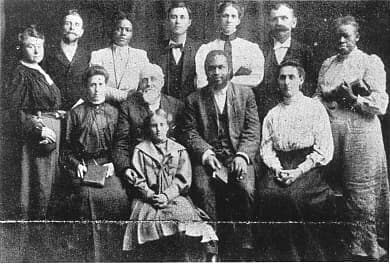
In 1901 Agnes Ozman spoke in tongues at Charles Parham's Topeka Bible school. In 1906 the Azusa Street revival in Los Angeles, led by William Seymour, the son of formerly enslaved parents, became a decisive center of global Pentecostalism. Many classical Pentecostals taught tongues as the initial evidence of Spirit baptism; later charismatic movements used broader definitions, so global population estimates vary substantially by what is counted.
How it was received
The 1960s charismatic renewal carried the gifts into Anglican, Lutheran, Presbyterian — and, from a 1967 Duquesne University retreat, Catholic — churches: the same phenomena, now inside the traditions that had once defined them away.
Key voicesWilliam Seymour · Azusa Street 1906 · Duquesne 1967 · Dennis Bennett
1975–today
Continuationists, cessationists, and the global south
What happened
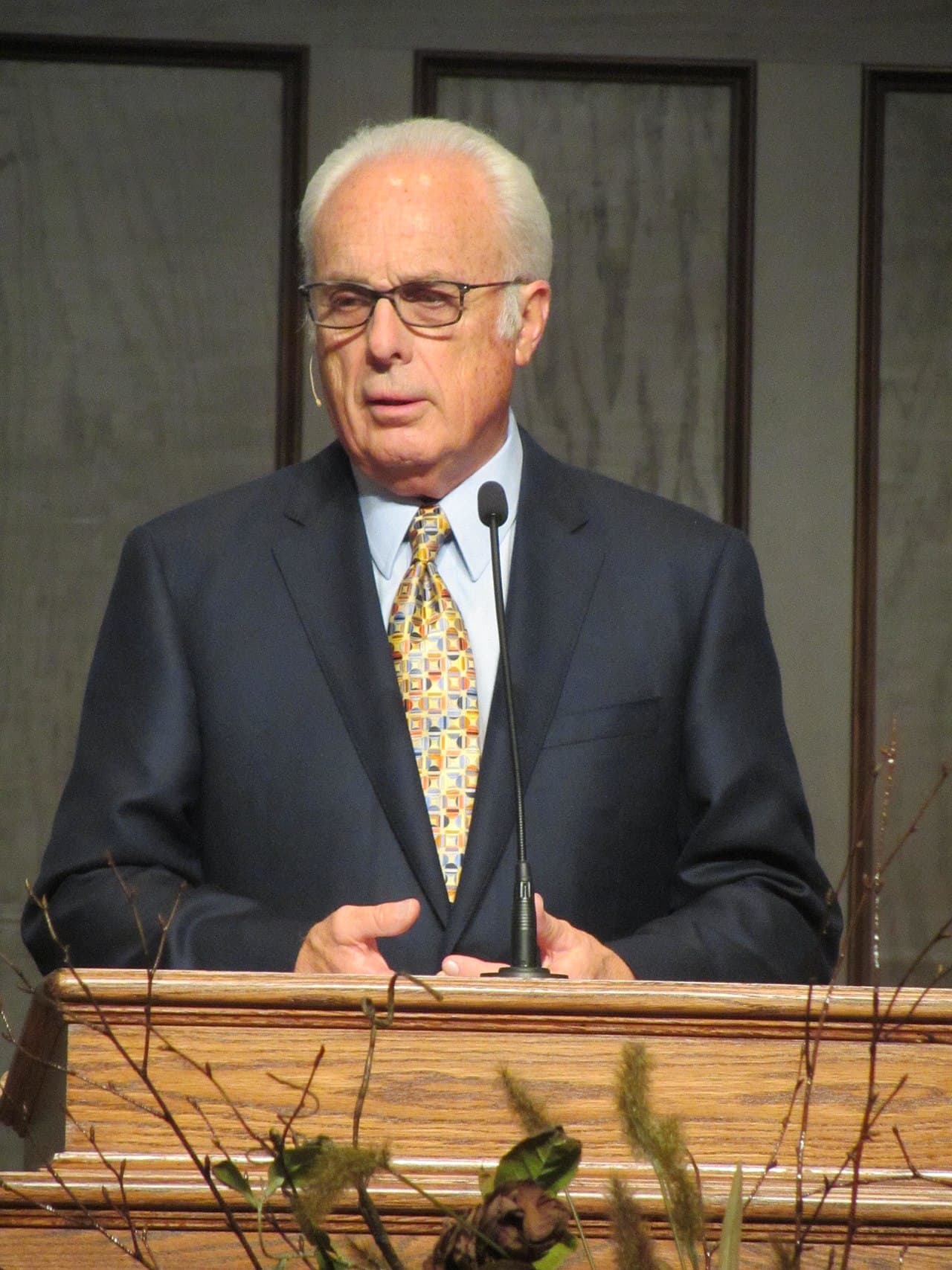
The debate is now intra-evangelical and explicit: cessationists (MacArthur's Strange Fire, 2013) argue the sign-gifts ended with the apostolic testimony; continuationists (Grudem, Piper, Storms) argue no text teaches cessation and church history never fully exhibits it. 'Open but cautious' holds the broad middle.
How it was received
Demographics may be deciding what exegesis could not: Christianity's center of gravity has moved to Africa, Asia, and Latin America, where Pentecostal and charismatic Christianity — healing, deliverance, prophecy — is simply normal. The Spirit-question of the next century is less whether the gifts continue than how the old churches and the new fire learn to test everything and hold fast what is good.
Key voicesJohn MacArthur · Wayne Grudem · Global Pentecostalism
The present landscape
Where the traditions stand today
Catholic
The Spirit is God, giver of sacramental grace and hierarchical and charismatic gifts alike; the charismatic renewal is officially welcomed and officially supervised.
Orthodox
Robust pneumatology (epiclesis at every liturgy, theosis by the Spirit's energies); wary of Pentecostal phenomena, insistent the Spirit is never separated from the church.
Protestant
Cessationism remains influential in confessional Reformed and conservative evangelical circles, while Pentecostal and charismatic churches form a large and rapidly growing global stream built on the continuation of spiritual gifts. Many Protestants occupy intermediate or 'open but cautious' positions.