The argument through time
History enters the room.
c. 30–150
Water, hands, Spirit, and belonging
What happened
Acts relates baptism, reception of the Spirit, apostolic laying on of hands, prophecy, and mission in several sequences rather than one mechanical order. Paul's language joins baptism and the Spirit to incorporation into Christ and his body.
How it was received
These texts became common sources for later sacramental and Pentecostal accounts, but they do not yet describe a separately named rite of Confirmation. Initiation was a cluster of actions interpreted through Easter and Pentecost.
Key voicesActs 2 · Paul · Apostolic church
![Russian icon: Cyprian of Carthage Heiligenlexikon.de Image was kindly "publicized" by ÖHL [1]](/_next/image?url=%2Fimages%2Fhistory%2Fsections%2Fcyprian-of-carthage-3c7cb566.jpg&w=3840&q=75&dpl=dpl_7eb3JpnMe4ekXihsASES3CnRvKef)
c. 150–400
One initiation, several ritual acts
What happened
Early rites commonly joined renunciation, profession, water baptism, anointing, laying on of hands, sealing, and first Eucharist. Details and their theological explanations varied by region, and historians should not force later sacramental boundaries onto every early text.
How it was received
As churches grew, episcopal presidency became harder to maintain at every baptism. In the West, reserving a post-baptismal act to the bishop helped create a distinct confirmation; in the East, priests continued to chrismate infants with chrism consecrated by the bishop.
Key voicesCyprian of Carthage · Tertullian · Basil the Great
400–1274
East keeps the rites together; West separates them
What happened
Byzantine initiation normally baptized and chrismated infants and admitted them to Eucharist. Chrismation was the seal of the Spirit and remained visibly connected to baptism through one celebration.
How it was received
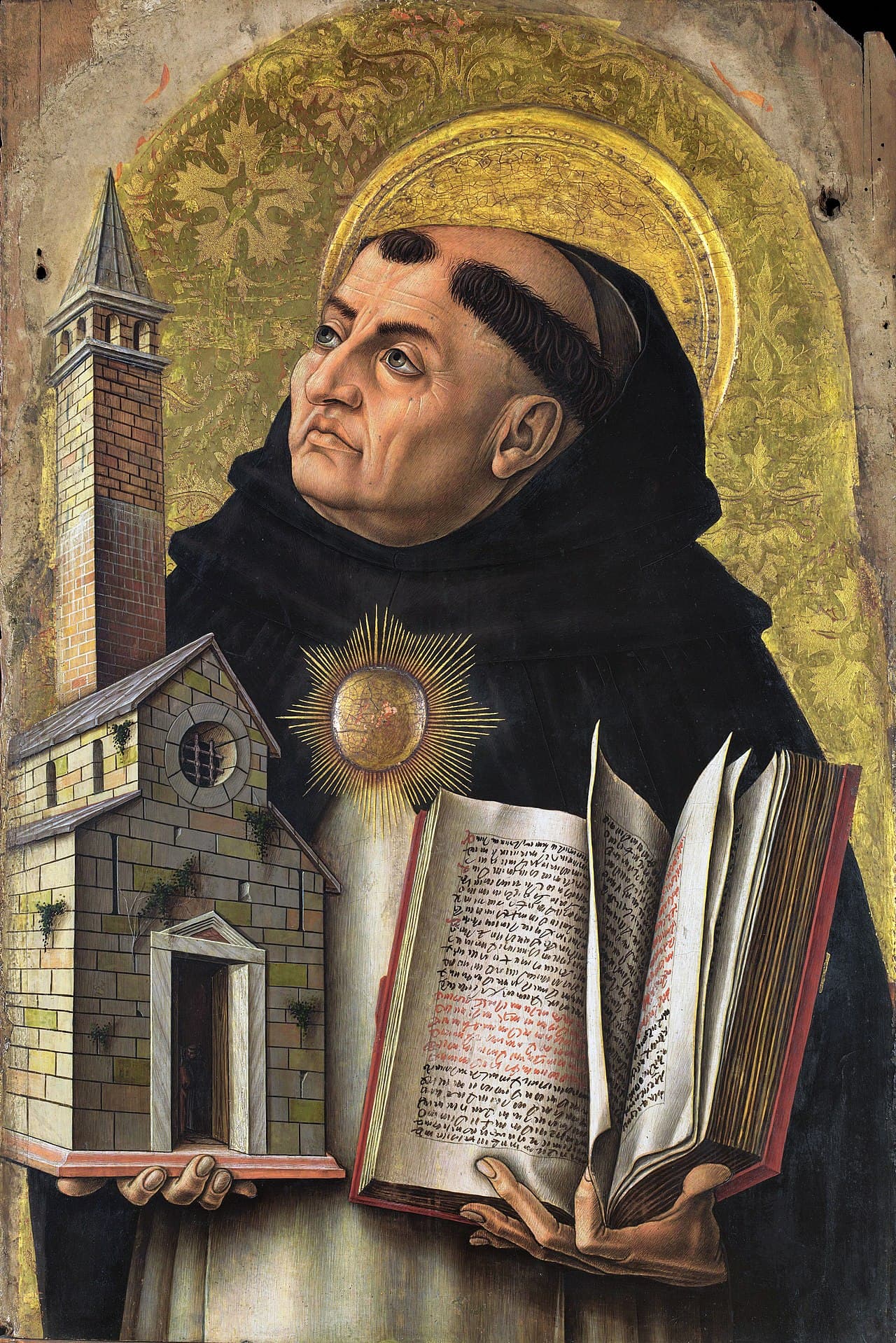
In the Latin West, confirmation increasingly occurred later when a bishop was present. The separation encouraged new emphases on strengthening, maturity, and episcopal communion, although the rite's baptismal origin was never wholly lost.
Key voicesAugustine · Gregory the Great · Thomas Aquinas
1274–1563
A distinct sacrament—and a Reformation question
What happened
Medieval Latin theology counted Confirmation among seven sacraments and described an indelible character and strengthening by the Spirit. Florence and Trent gave authoritative Western formulations while recognizing that Eastern priests chrismated with episcopally consecrated oil.
How it was received
Reformers challenged claims they judged unsupported by Christ's institution. Lutherans retained catechetical confirmation as a useful church rite rather than a Gospel sacrament; Reformed and Anglican practice developed along different lines.
Key voicesThomas Aquinas · Martin Luther · Council of Trent
1700–1900
Confirmation becomes profession and admission
What happened
In many Protestant churches confirmation became a public profession after catechesis and, in practice, a gate to first communion. This strengthened its link to adolescent ownership of faith but could obscure the older sequence of initiation.
How it was received
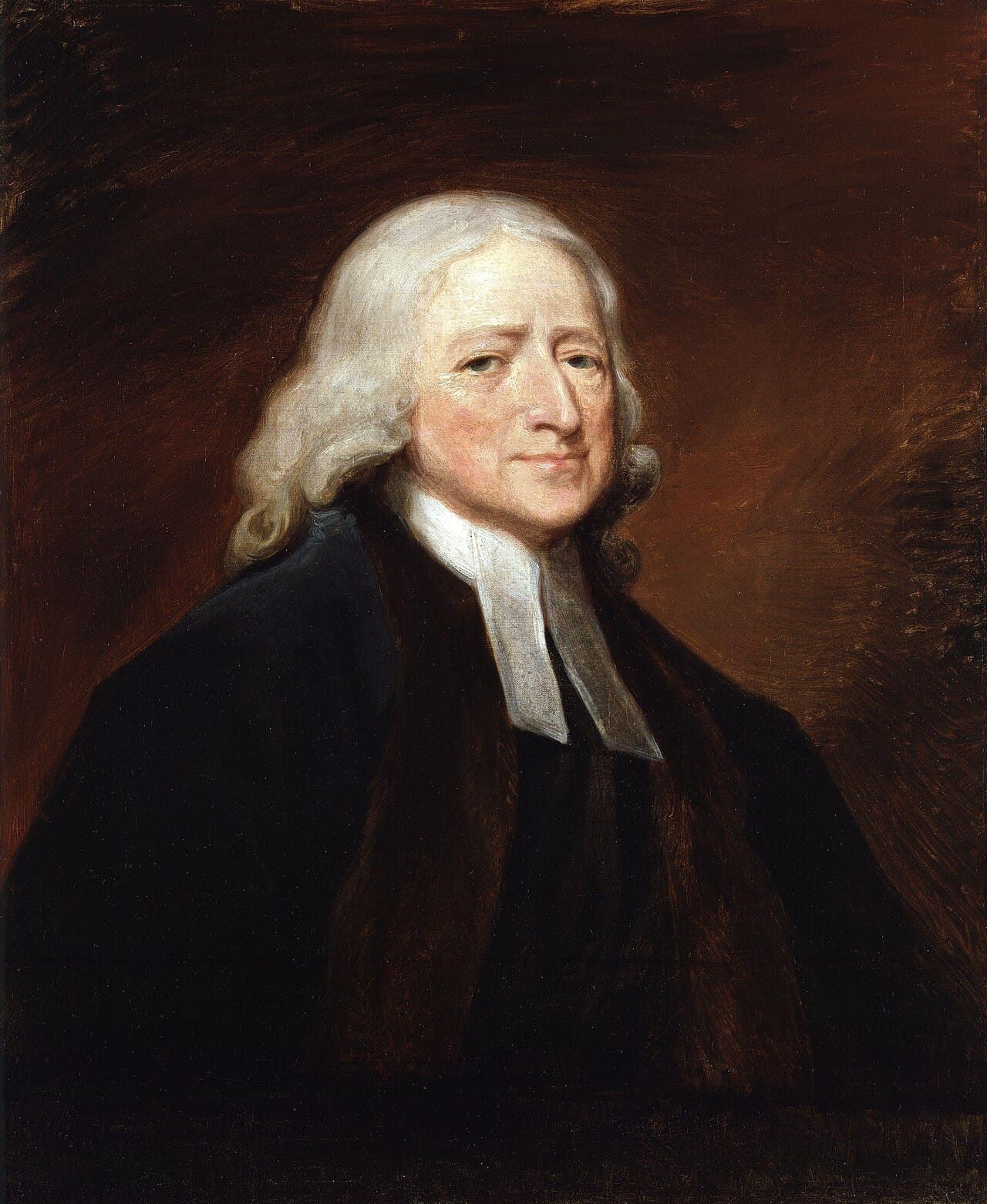
Revival movements placed greater weight on conversion, assurance, sanctification, and experiences of empowerment. Wesleyan holiness teaching about a further work of grace helped create the conceptual setting in which Pentecostal Spirit baptism would emerge.
Key voicesJohn Wesley · Jonathan Edwards · Augsburg Confession
1901–today
Spirit baptism acquires a Pentecostal meaning
What happened
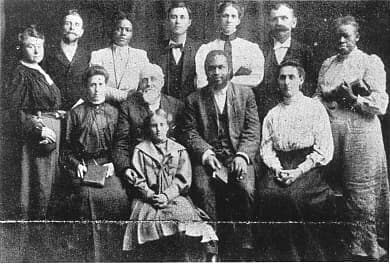
Classical Pentecostals taught a post-conversion baptism in the Holy Spirit for power and witness, commonly with tongues as initial evidence. Later charismatic renewal carried experiences of Spirit filling into Catholic, Orthodox, Anglican, and Protestant churches without imposing one sacramental explanation.
How it was received
Catholic and Orthodox teaching continues to identify Confirmation or Chrismation as sacramental initiation and strengthening, not simply the Pentecostal experience. Protestant accounts range from sacramental confirmation to profession of faith to the claim that every believer receives Spirit baptism at conversion.
Key voicesWilliam Seymour · Pentecostalism · Vatican II
The present landscape
Where the traditions stand today
Catholic
Confirmation completes baptismal grace through an anointing and gift of the Spirit, ordinarily conferred by a bishop in the Latin Church; Eastern Catholic practice chrismates with baptism.
Orthodox
Chrismation immediately follows baptism, including for infants, as the seal of the gift of the Holy Spirit and admission to full Eucharistic initiation.
Protestant
Lutheran and Anglican churches often retain confirmation; Reformed forms emphasize profession; evangelicals differ on whether Spirit baptism occurs at conversion or as a subsequent empowering experience.