The argument through time
History enters the room.
c. 96–110
A church that intervenes — and 'presides in love'
What happened
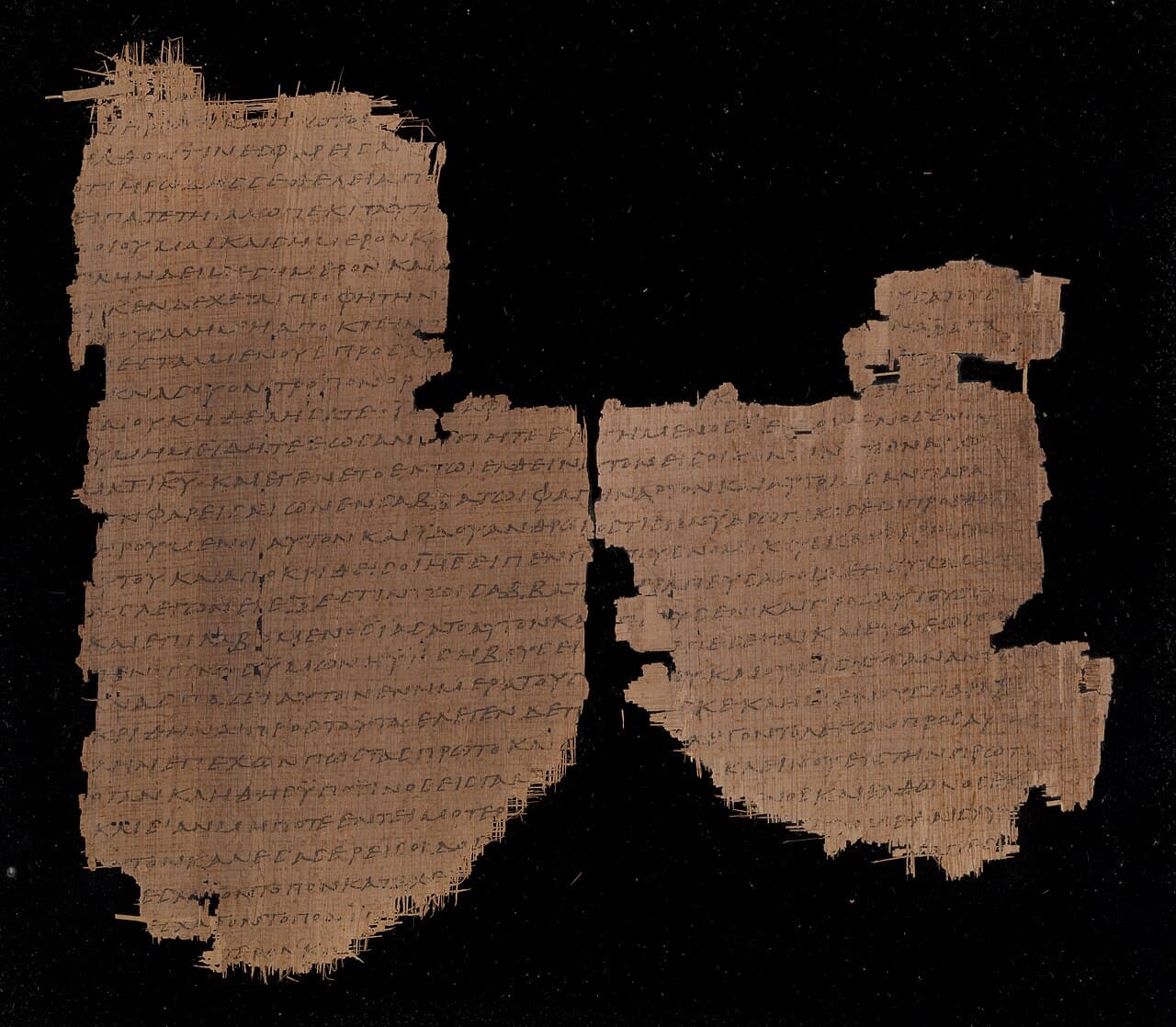
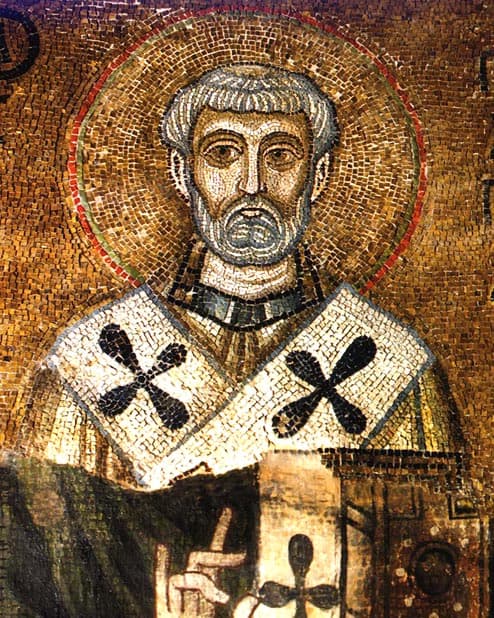
Around 96, the church of Rome (traditionally through Clement) wrote to the church in Corinth urging it to reinstate deposed presbyters. The letter is authoritative in tone but is sent by the church of Rome, not a named bishop claiming universal office; the circumstances that prompted Rome to intervene are not fully known.
Primary source“You, therefore, who laid the foundation of the sedition, submit yourselves to the presbyters and receive correction unto repentance.”
— 1 Clement 57, Rome to Corinth, c. 96
How it was received
A decade or so later, Ignatius of Antioch greets the Roman church with unmatched honorifics, calling it the church 'which presides in love' in the region of the Romans. What that presidency meant — moral prestige? doctrinal oversight? — became the argument of the next eighteen centuries.
Key voicesClement of Rome · Ignatius of Antioch
c. 180
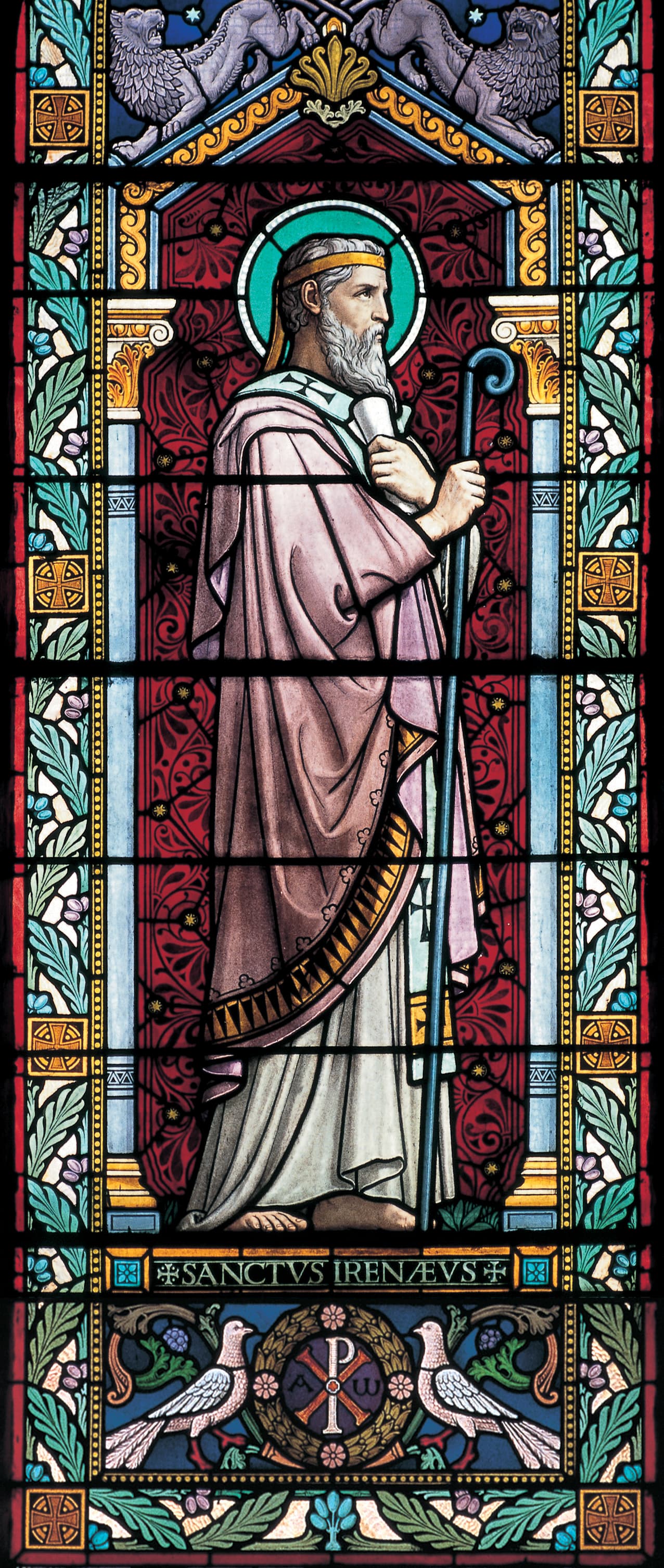
Irenaeus: the church 'with which all must agree'
What happened
Writing against the Gnostics, Irenaeus of Lyons pointed to Rome — founded, he says, by Peter and Paul — as the touchstone of apostolic teaching, because of its 'preeminent authority' (potentior principalitas). Catholics read this as early evidence of Roman primacy; Orthodox and Protestants note he was making an argument about where reliable apostolic tradition could be checked, not about jurisdiction.
Primary source“For it is a matter of necessity that every church should agree with this church, on account of its preeminent authority.”
— Irenaeus, Against Heresies 3.3.2, c. 180
How it was received
The Latin text is itself a translation of a lost Greek original, and scholars still dispute what precisely Irenaeus meant — a fitting emblem of the whole debate.
Key voicesIrenaeus of Lyons
![Russian icon: Cyprian of Carthage Heiligenlexikon.de Image was kindly "publicized" by ÖHL [1]](/_next/image?url=%2Fimages%2Fhistory%2Fsections%2Fcyprian-of-carthage-3c7cb566.jpg&w=3840&q=75&dpl=dpl_7eb3JpnMe4ekXihsASES3CnRvKef)
250s
Cyprian: no 'bishop of bishops'
What happened
Cyprian of Carthage held Peter's chair in high regard as the symbol of the church's unity — yet when Pope Stephen tried to impose Rome's practice on rebaptism, Cyprian and eighty-plus African bishops flatly refused. Every bishop, Cyprian insisted, answers to God alone.
Primary source“For neither does any of us set himself up as a bishop of bishops, nor by tyrannical terror does any compel his colleague to the necessity of obedience.”
— Cyprian, opening the Council of Carthage, 256
How it was received
The episode shows both realities at once: a Roman bishop already claiming the right to command other churches, and major churches denying he had any such right.
Key voicesCyprian of Carthage · Pope Stephen I · Firmilian of Caesarea
343–451
Appeals, tomes, and 'Peter has spoken through Leo'
What happened
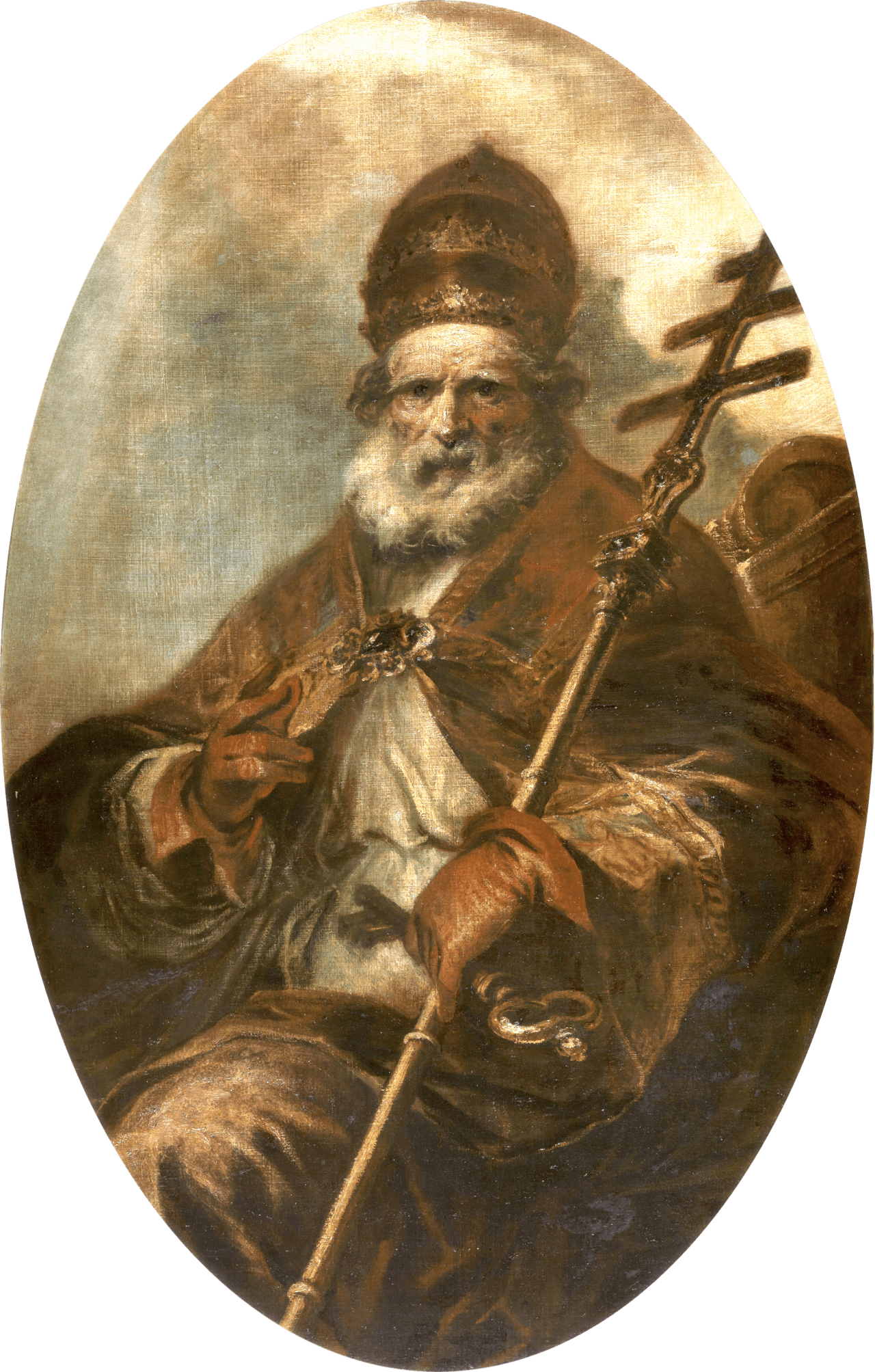
The Council of Sardica (343) allowed deposed bishops to appeal to Rome — a canon Rome later treasured. Leo the Great (440–461) gave papal claims their classic theological form: the pope as heir of Peter, in whom Peter himself continues to speak.
Primary source“This is the faith of the fathers, this is the faith of the apostles… Peter has spoken thus through Leo.”
— Acclamation of the bishops at Chalcedon, 451
How it was received
At the Council of Chalcedon (451), Leo's Tome was acclaimed with the cry 'Peter has spoken through Leo!' — yet the same council, in its 28th canon, granted Constantinople equal privileges to Rome because it was the new imperial capital. Leo rejected the canon; the East kept it. The fault line of 1054 is already visible.
Key voicesLeo the Great · Council of Sardica · Council of Chalcedon
590–604
Gregory the Great refuses 'universal bishop'
What happened
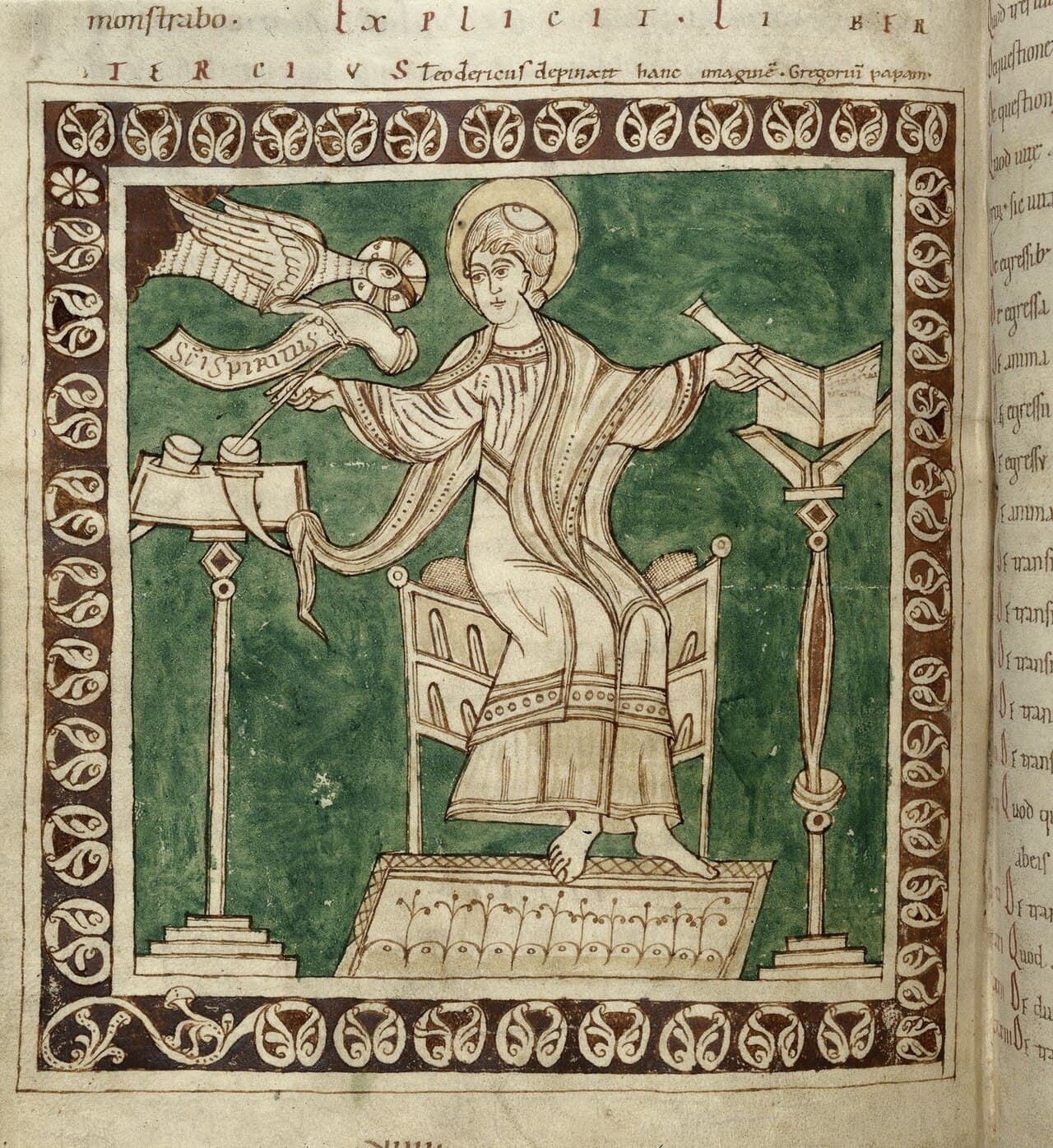
When the patriarch of Constantinople styled himself 'ecumenical (universal) patriarch,' Pope Gregory I denounced the title as proud and unchristian — for anyone, including himself. He preferred 'servant of the servants of God,' a papal title to this day.
Primary source“I say it without the least hesitation, whoever calls himself the universal bishop, or desires this title, is, by his pride, the precursor of Antichrist.”
— Gregory the Great, Letters 7.33, c. 597
How it was received
Later Catholic theology reads Gregory as objecting to a title that seemed to unmake other bishops, not to Roman primacy itself (which he clearly exercised). Orthodox and Protestant writers have long quoted him against the later papacy. Both readings have textual support — a genuine crux of interpretation.
Key voicesGregory the Great · John the Faster
1054–1302
Schism, Gregorian reform, and the papal monarchy
What happened
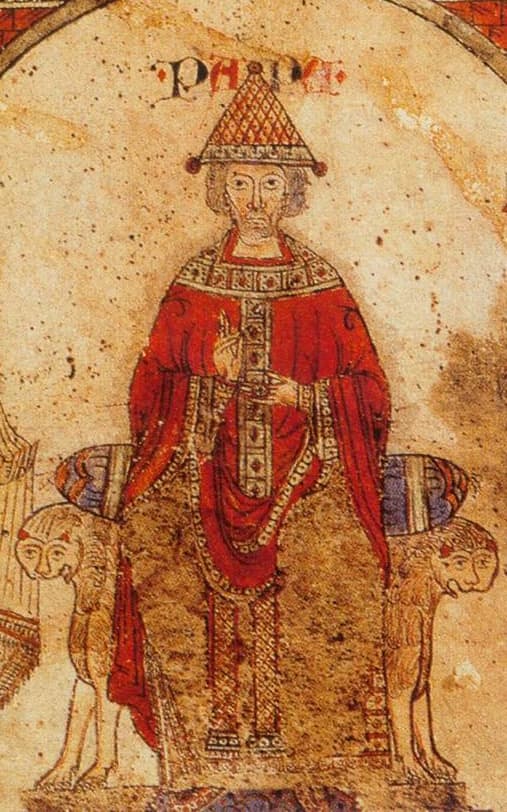
In 1054 mutual excommunications between Rome and Constantinople crystallized centuries of drift; papal authority was a central grievance. In the West, the reforming papacy then soared: Gregory VII's Dictatus Papae (1075) asserted that the pope alone may be called universal, may depose emperors, and may be judged by no one.
Primary source“We declare, state, and define that it is absolutely necessary for salvation that every human creature be subject to the Roman Pontiff.”
— Boniface VIII, Unam Sanctam, 1302
How it was received
Innocent III (1198–1216) made the papacy the arbiter of Christendom, and Boniface VIII's bull Unam Sanctam (1302) pushed the claim to its maximum. Medieval forgeries — the Donation of Constantine and the Pseudo-Isidorian Decretals — had meanwhile supplied the legal pedigree, exposed as forgeries only in the fifteenth century by Lorenzo Valla.
Key voicesGregory VII · Innocent III · Boniface VIII · Lorenzo Valla
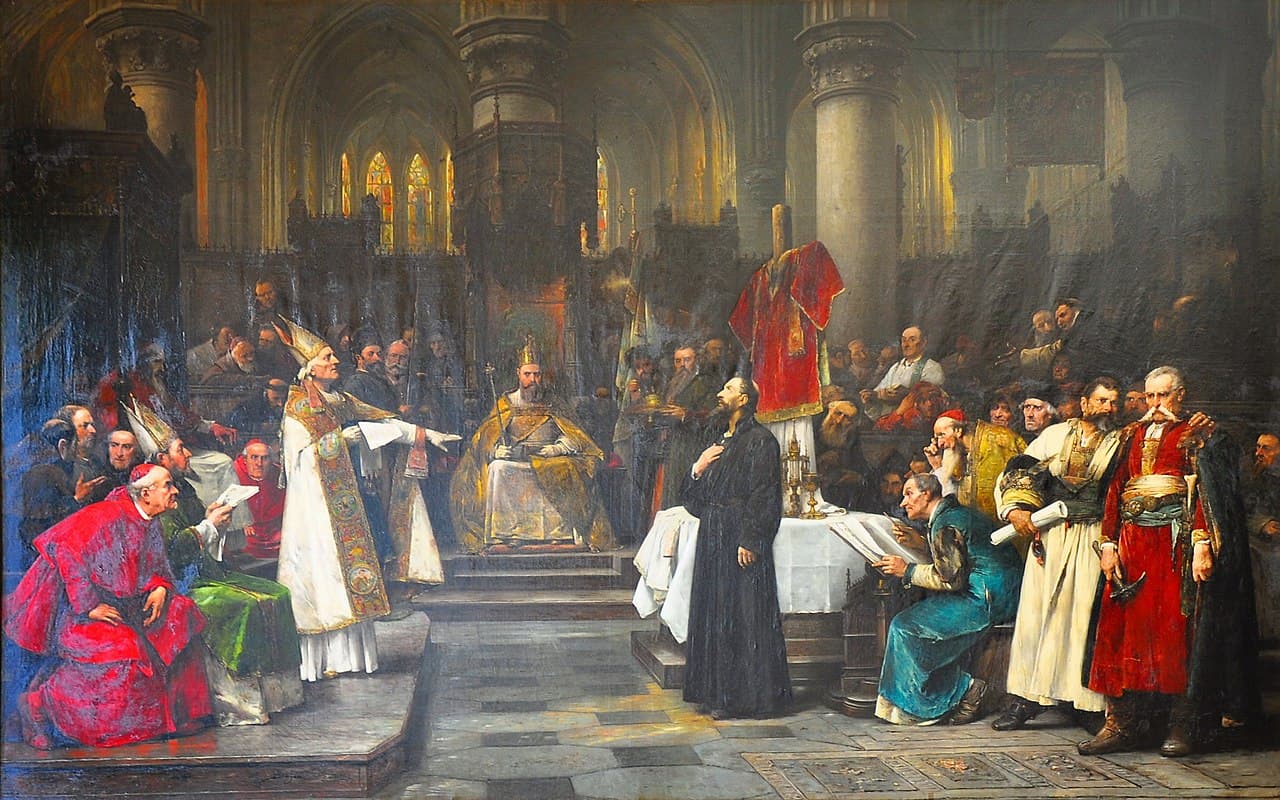
1414–1563
Conciliarism and the Reformation revolt
What happened
With three rival popes claiming the throne, the Council of Constance decreed (Haec Sancta, 1415) that a general council holds authority even over a pope — conciliarism's high-water mark. The restored papacy spent the next century rolling that claim back.
Primary source“This holy synod… has power immediately from Christ; and every one of whatever state or dignity, even papal, is bound to obey it in those matters which pertain to the faith.”
— Council of Constance, Haec Sancta, 1415
How it was received
The Reformers went further: Luther concluded the papacy was not merely corrupt but the Antichrist of prophecy. The major Protestant confessions rejected papal jurisdiction and located the church's final doctrinal norm in Scripture, although later Protestant judgments about the papal office have ranged more widely.
Key voicesCouncil of Constance · Martin Luther · John Calvin
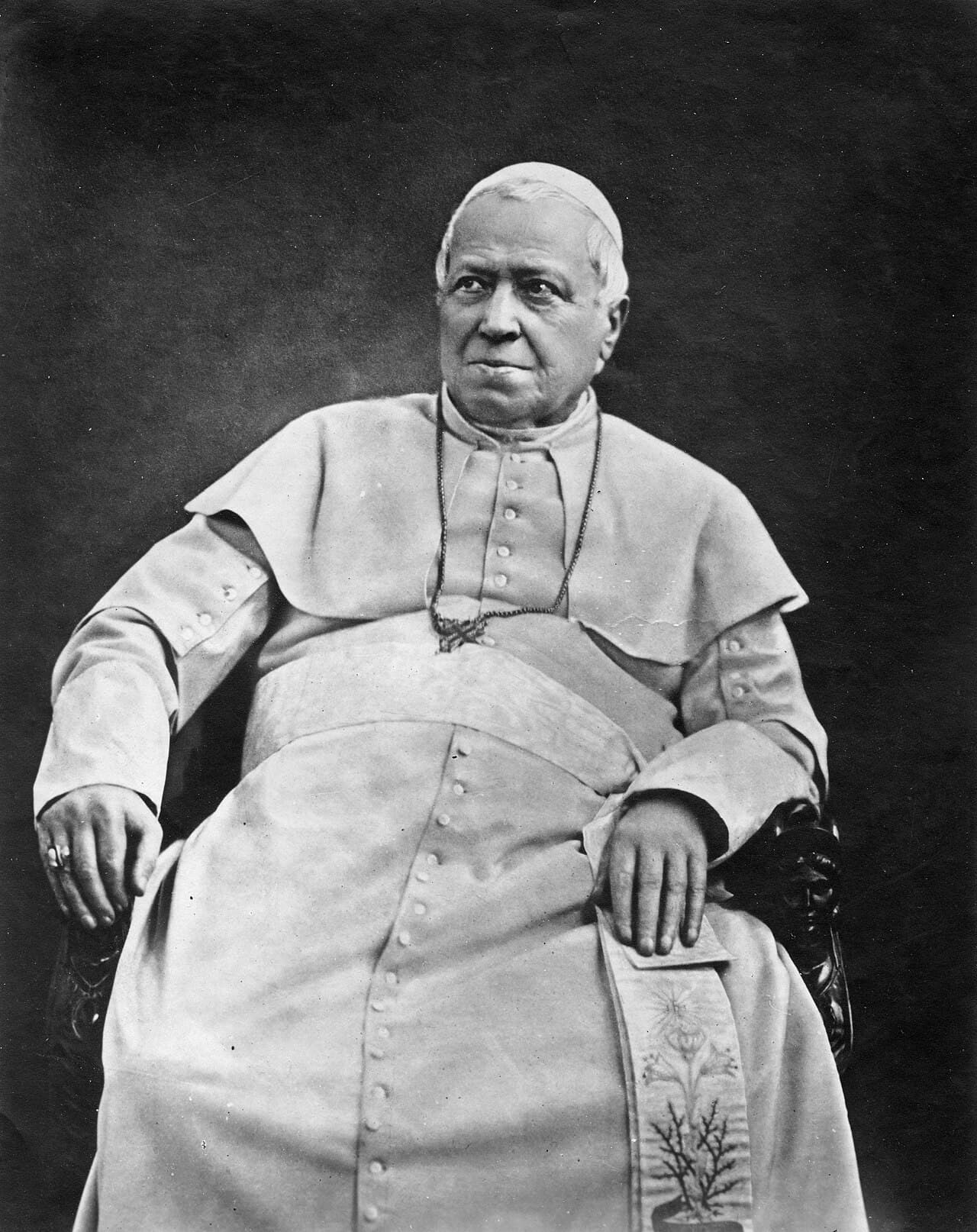
1870
Vatican I: infallibility defined
What happened
Amid the collapse of the Papal States, the First Vatican Council defined that the pope possesses 'full and supreme power of jurisdiction over the whole Church' and that when he speaks ex cathedra on faith or morals he teaches infallibly — 'of himself, and not from the consensus of the Church.'
Primary source“Such definitions of the Roman Pontiff are irreformable of themselves, and not from the consensus of the Church.”
— Vatican I, Pastor Aeternus, 1870
How it was received
A minority of bishops left before the vote; the 'Old Catholic' churches split off in protest; Orthodoxy and Protestantism saw their oldest objections confirmed. Catholic theology stresses the definition's tight limits. The 1950 definition of the Assumption is the clearest later exercise; the 1854 Immaculate Conception is also commonly counted retrospectively.
Key voicesPius IX · Ignaz von Döllinger · John Henry Newman
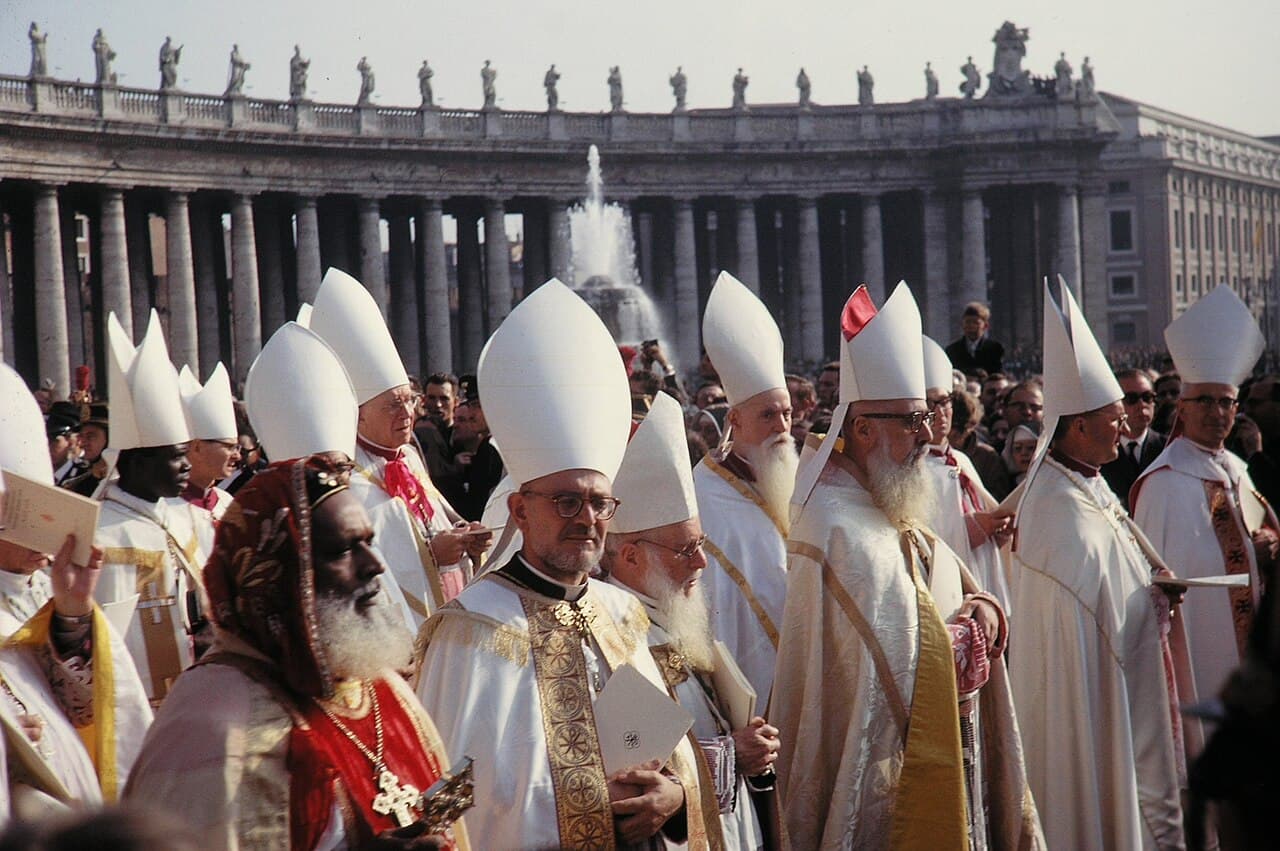
1962–today
Collegiality and the ecumenical rethink
What happened
Vatican II (1962–65) re-balanced the picture: bishops as a college govern the church together with and never without the pope. In 1995 John Paul II did something unprecedented — he invited other Christians to help him imagine 'a way of exercising the primacy' open to a reunited church.
Primary source“…to find a way of exercising the primacy which, while in no way renouncing what is essential to its mission, is nonetheless open to a new situation.”
— John Paul II, Ut Unum Sint, 1995
How it was received
Orthodox–Catholic dialogue (e.g. the Ravenna Document, 2007) has explored Rome as 'first among the patriarchates' — agreeing there is a universal 'first,' while still disagreeing about what his authority is. The oldest question in the file remains open.
Key voicesVatican II · John Paul II · Ravenna Document
The present landscape
Where the traditions stand today
Catholic
The pope, as successor of Peter, holds universal, immediate jurisdiction and teaches infallibly under defined conditions (Vatican I, reaffirmed with collegial balance at Vatican II).
Orthodox
Rome held a primacy of honor as 'first among equals'; universal jurisdiction and infallibility are innovations. Authority lives in the whole college of bishops in council.
Protestant
No bishop holds divine-right authority over the universal church; Scripture is the final norm. Views of the papacy range from 'a venerable office gone wrong' to historic identifications with Antichrist.