The argument through time
History enters the room.
c. 50–150
The New Testament and the New Eve
What happened
Scripture gives Mary a modest but charged profile: the virgin conception (Matthew, Luke), her own prophecy that 'all generations will call me blessed,' Cana, the cross, Pentecost. Everything later is interpretation of this slim dossier.
Primary source“The knot of Eve's disobedience was loosed by the obedience of Mary.”
— Irenaeus, Against Heresies 3.22.4, c. 180
How it was received
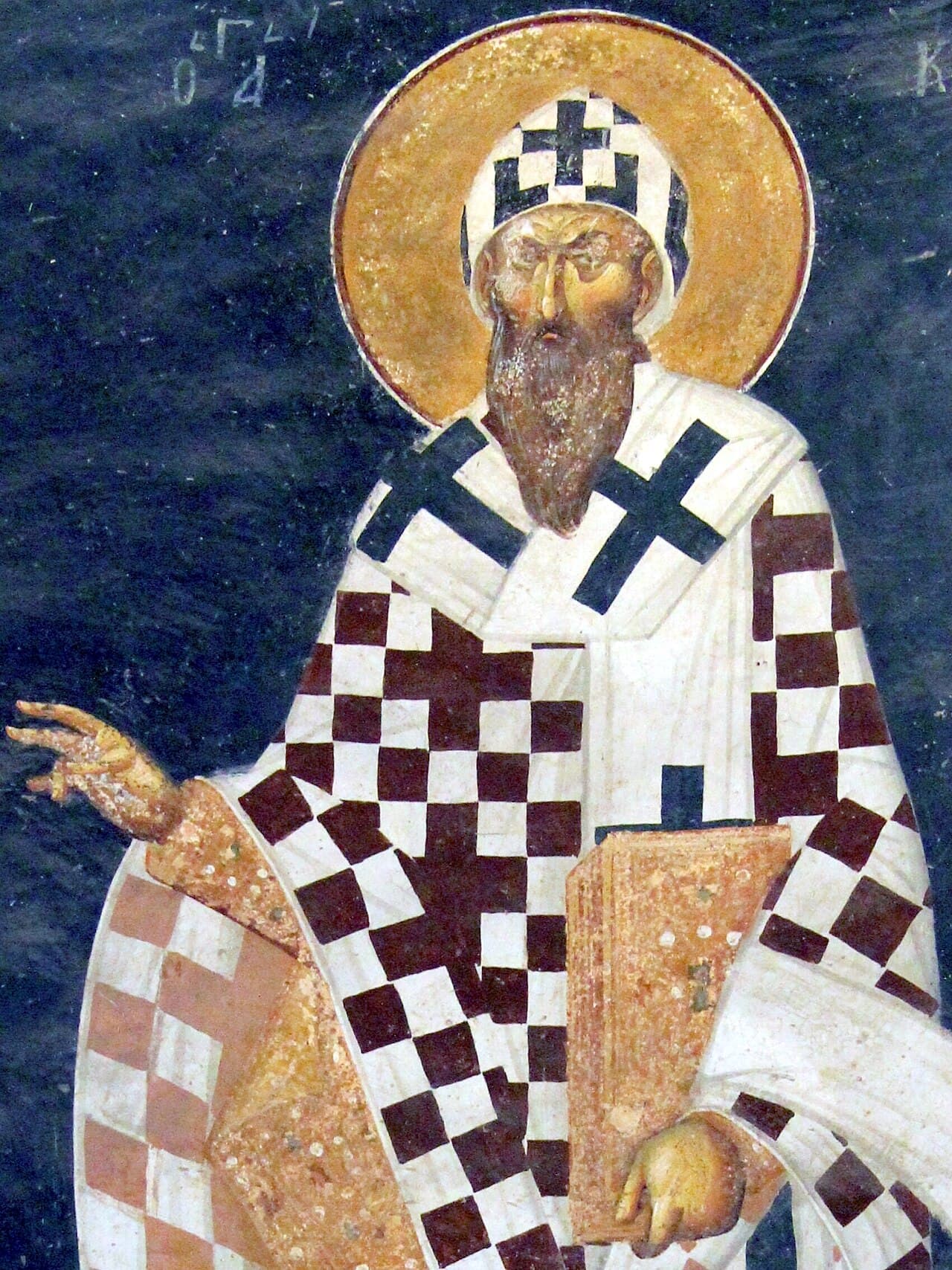
By the mid-second century Justin Martyr and then Irenaeus drew the parallel that shaped everything after: as death entered through the virgin Eve's disobedience, life entered through the virgin Mary's obedience. The apocryphal Protoevangelium of James (c. 150) supplied the devotional biography — her parents Joachim and Anna, her dedication to the temple, her perpetual virginity.
Key voicesLuke's Gospel · Justin Martyr · Irenaeus · Protoevangelium of James
c. 250–431
Theotokos: a title about Christ
What happened
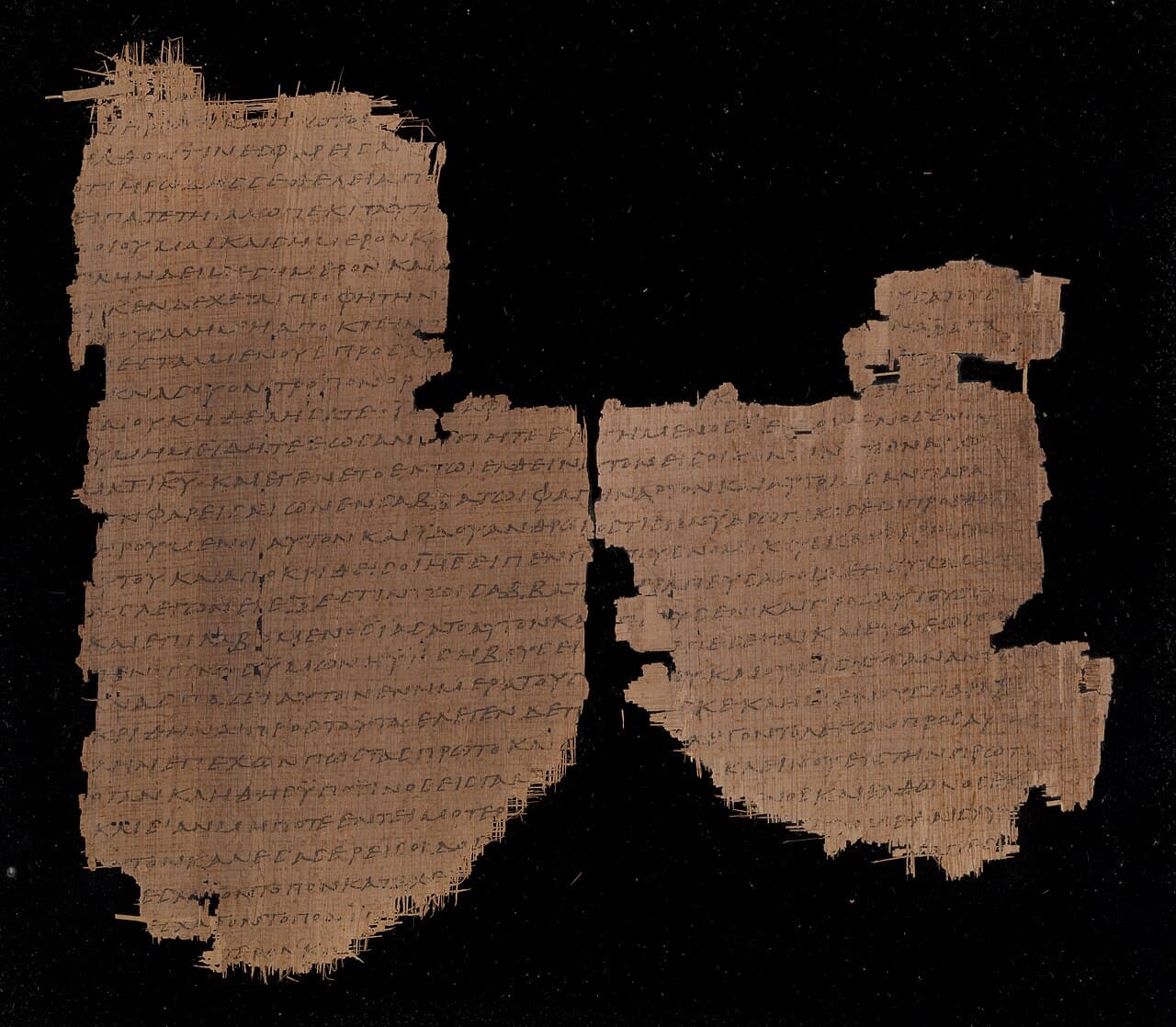
The oldest surviving Marian prayer, Sub tuum praesidium, is preserved on an Egyptian papyrus and calls Mary Theotokos, 'God-bearer.' It was long dated to the third century, though more recent palaeographic proposals range into the fourth or later. When Nestorius resisted using Theotokos without qualification, the resulting controversy centered on Christology: is the one Mary bore truly God?
Primary source“Beneath your compassion we take refuge, O Theotokos; despise not our petitions in time of trouble.”
— Sub tuum praesidium, Egyptian papyrus, c. 3rd–5th century
How it was received
The Council of Ephesus (431) vindicated Cyril of Alexandria and the title. Catholic, Eastern Orthodox, Oriental Orthodox, and the historic magisterial Protestant traditions receive the title because it safeguards the unity of Christ's person, even though they differ sharply over later Marian teaching and devotion.
Key voicesCyril of Alexandria · Nestorius · Council of Ephesus
383–553
Ever-virgin
What happened
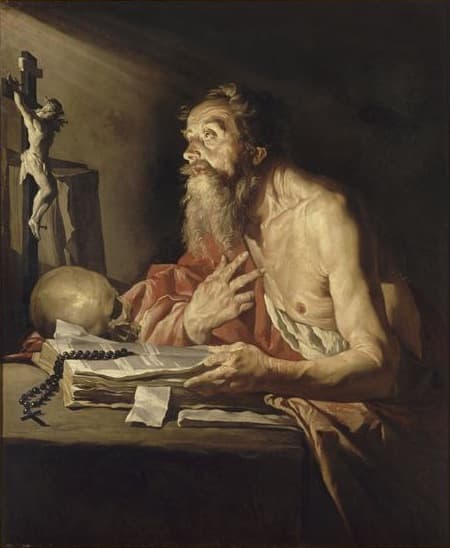
When Helvidius argued from the Gospels' 'brothers of Jesus' that Mary had other children, Jerome answered with a ferocious treatise: the 'brothers' were kinsmen, and Mary remained a virgin perpetually. His view carried the field for over a millennium.
Primary source“You say that Mary did not continue a virgin: I claim still more, that Joseph himself was a virgin through Mary.”
— Jerome, Against Helvidius, 383
How it was received
The Second Council of Constantinople (553) used 'ever-virgin' as a matter of course, and it remains doctrine in Catholicism and Orthodoxy — and, less famously, was held by Luther, Zwingli, Calvin (cautiously), and Wesley.
Key voicesJerome · Helvidius · Constantinople II
600–1300
The medieval flowering — devotion outruns definition
What happened
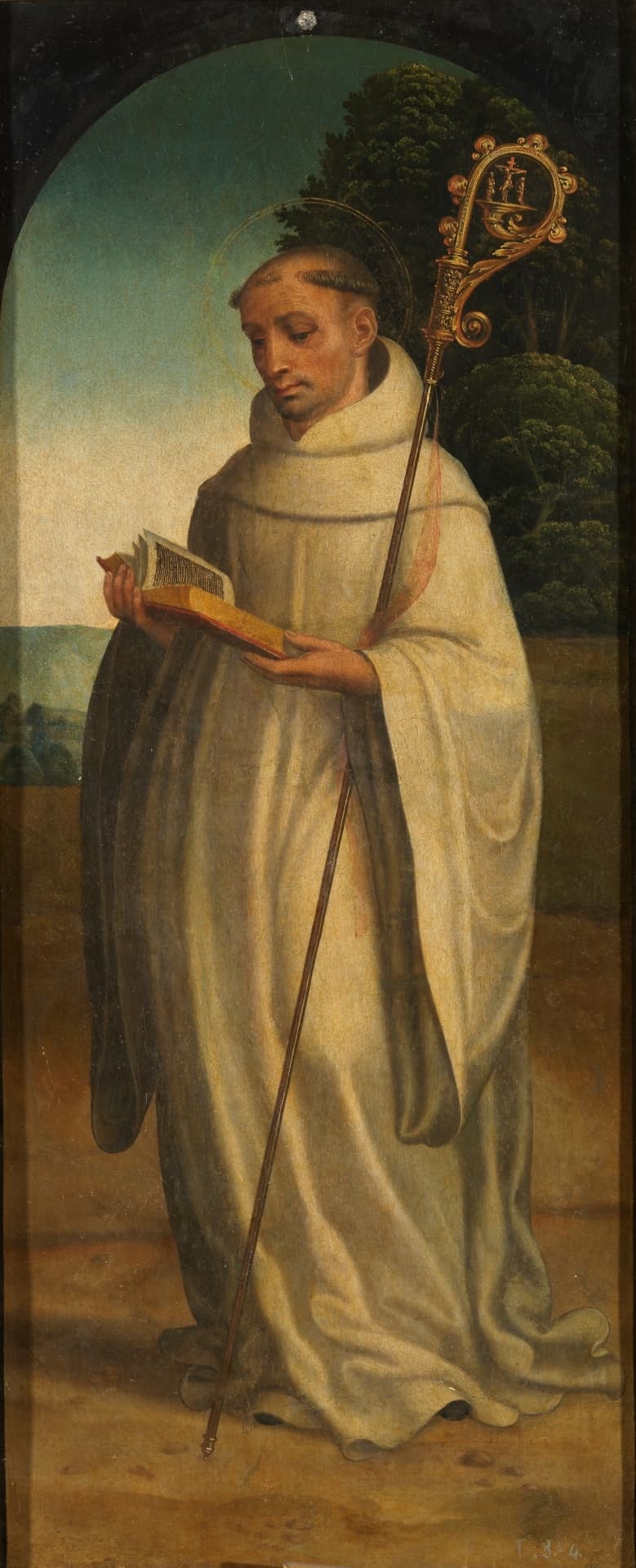
Marian feasts multiplied (Dormition/Assumption, Nativity of Mary, Conception), the Hail Mary and rosary took shape, and Bernard of Clairvaux preached Mary as the aqueduct of grace. Theology carefully ranked veneration: latria (worship) to God alone, dulia to saints, hyperdulia to Mary — a distinction critics found clearer in books than in practice.
How it was received
The Immaculate Conception became the great scholastic quarrel: Bernard and Thomas Aquinas opposed the doctrine (Mary was sanctified, but conceived in original sin like all children of Adam), while Duns Scotus found the formula that won: Christ redeemed her preservatively, keeping her from sin in advance. Franciscans and Dominicans fought over it for centuries.
Key voicesBernard of Clairvaux · Thomas Aquinas · Duns Scotus · John of Damascus
1517–1600
Reformation: honor without invocation
What happened
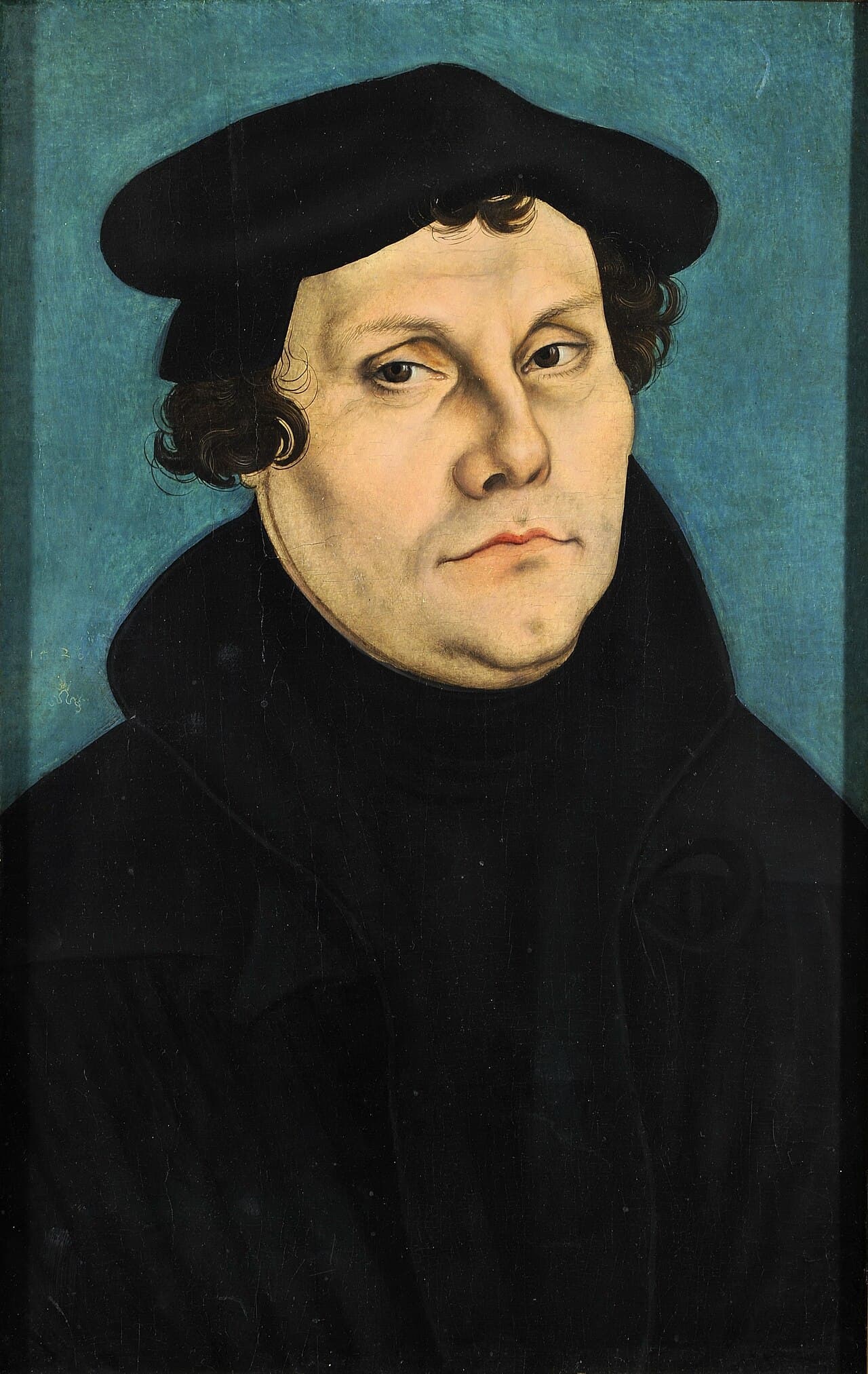
The magisterial Reformers did not discard Mary — Luther's 1521 commentary on the Magnificat is one of the warmest Marian texts of the century — but they severed devotion from mediation. Christ is the sole mediator; the saints, Mary included, are not to be invoked.
Primary source“Mary is the Mother of God, exalted above all… yet she points always away from herself: 'He that is mighty hath done great things for me.'”
— Luther, Commentary on the Magnificat, 1521 (condensed)
How it was received
Later Protestantism grew steadily more austere, partly in reaction to expanding Catholic Marian devotion, until Mary all but vanished from many Protestant churches except at Christmas — a silence some Protestant theologians now call an overcorrection.
Key voicesMartin Luther · John Calvin · Council of Trent
1854–1950
Two dogmas — defined ex cathedra
What happened
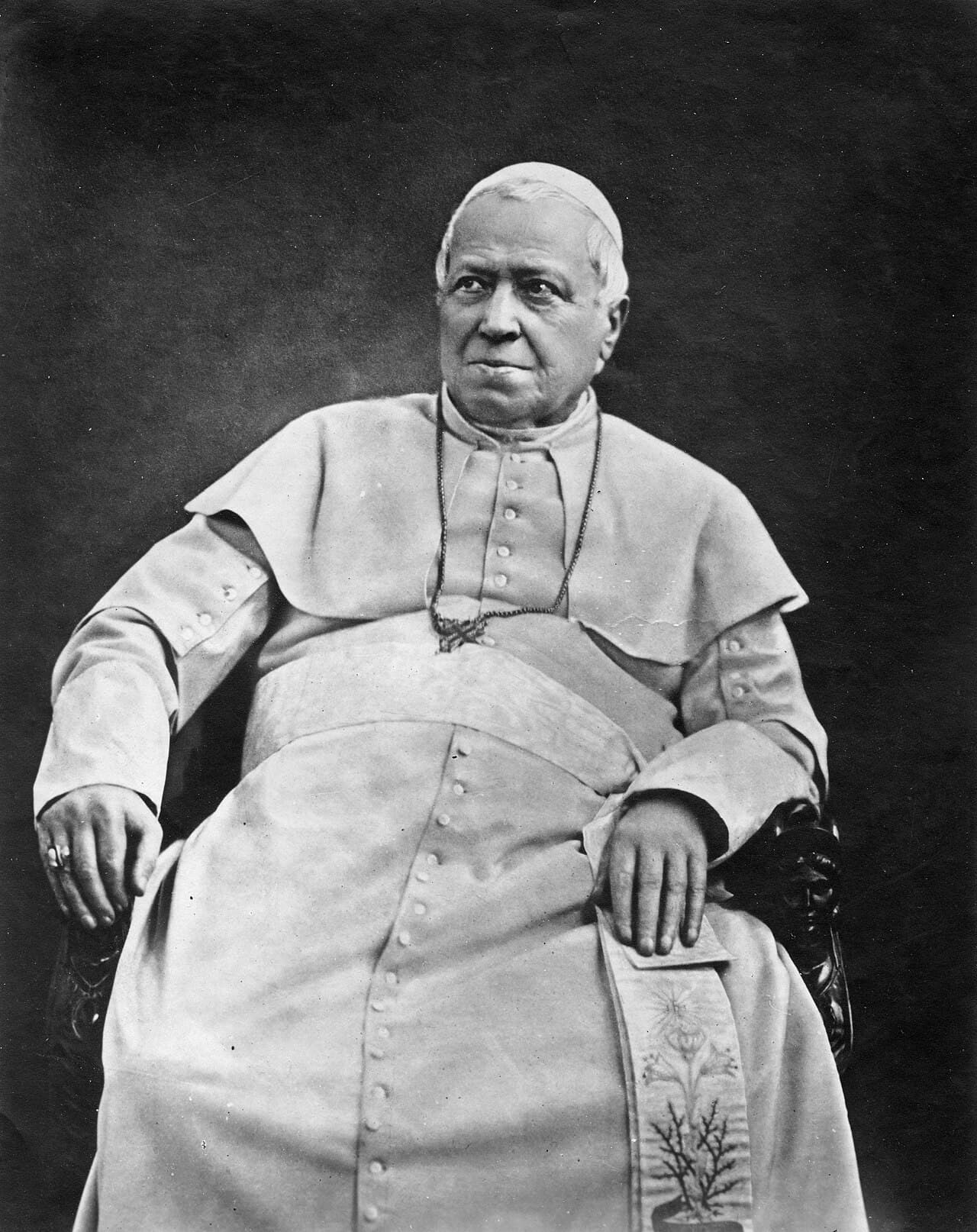
Pius IX defined the Immaculate Conception in 1854: Mary was preserved from all stain of original sin from the first instant of her conception. Four years later Bernadette Soubirous reported an apparition at Lourdes using the title 'the Immaculate Conception,' which strongly reinforced the dogma in Catholic popular devotion. In 1950 Pius XII defined the Assumption: Mary, her earthly course complete, was taken body and soul into heavenly glory.
Primary source“…preserved free from all stain of original sin, in the first instant of her conception, by a singular grace and privilege of almighty God.”
— Pius IX, Ineffabilis Deus, 1854
How it was received
These are the two textbook exercises of papal infallibility. Orthodoxy keeps the ancient feast of the Dormition (Mary's 'falling asleep' and translation to glory) but rejects the Immaculate Conception as answering a Western question about original sin that the East never asked — and objects to any dogma defined by a pope alone.
Key voicesPius IX · Bernadette Soubirous · Pius XII
1962–today
Mary in the church — and at the ecumenical table
What happened
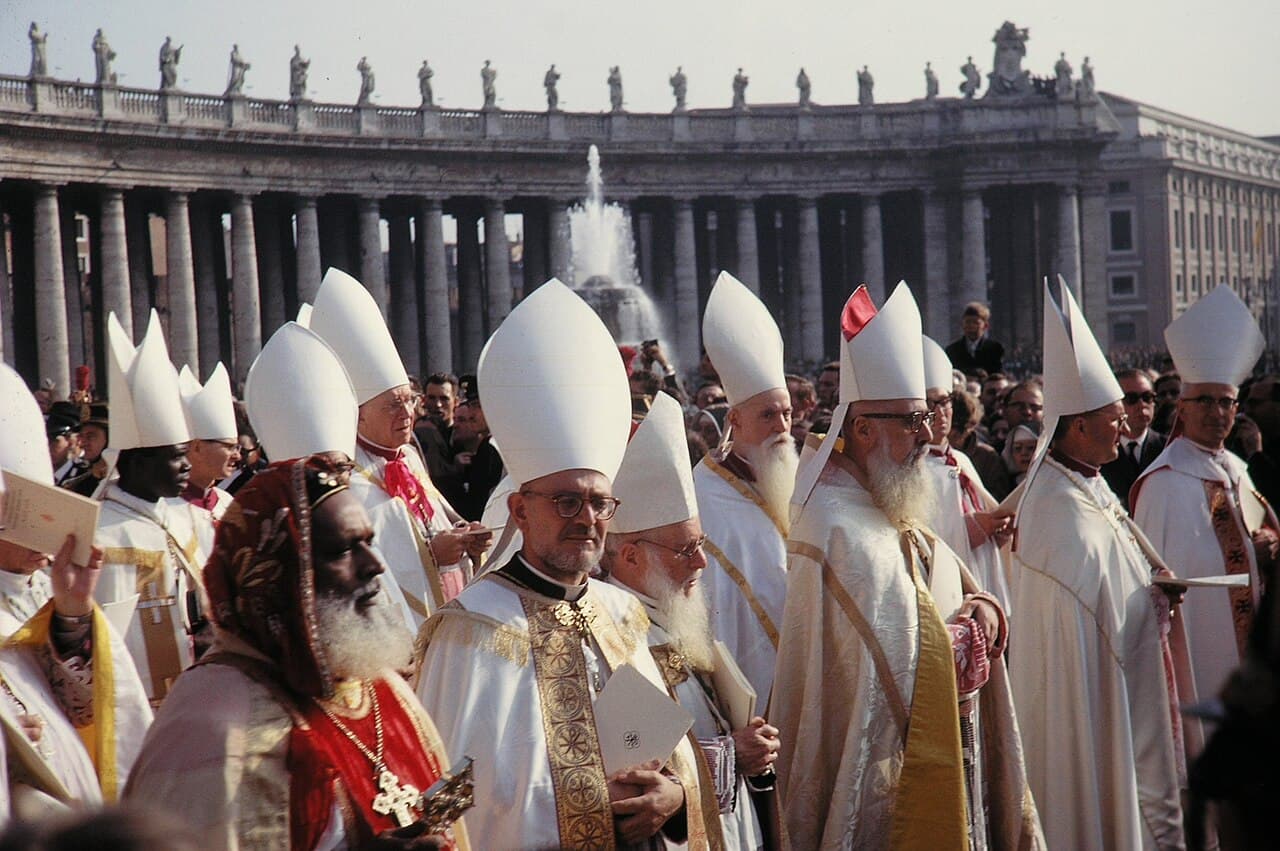
Vatican II deliberately placed its Marian teaching inside its document on the Church (Lumen Gentium, ch. 8) rather than in a separate document — Mary as first of the redeemed, model of the church, whose subordinate 'mediation' takes nothing from Christ's. Proposals to define a further title, 'Co-redemptrix,' have circulated for a century; recent popes have pointedly declined.
How it was received
Ecumenical dialogues (notably the Anglican–Catholic 'Mary: Grace and Hope in Christ,' 2005) have narrowed the gap, and apparition sites — Guadalupe, Lourdes, Fátima — remain among the most visited Christian shrines on earth. Mary stays simultaneously a bridge and a boundary.
Key voicesVatican II · Paul VI · ARCIC 2005 · Our Lady of Guadalupe
The present landscape
Where the traditions stand today
Catholic
Four Marian dogmas: Mother of God, perpetual virginity, Immaculate Conception, Assumption. She may be venerated (hyperdulia) and invoked as intercessor, never worshiped.
Orthodox
Theotokos, ever-virgin, all-holy (Panagia), taken to glory at her Dormition — richly hymned and invoked, but the two modern papal dogmas are rejected as formulated.
Protestant
Mary is honored as Theotokos and model of faith; invocation of Mary and the modern dogmas are rejected as unscriptural. Devotional practice ranges from high-church Anglican Marian feasts to near-total silence.