The argument through time
History enters the room.
c. 30–312
Obey God rather than men
What happened
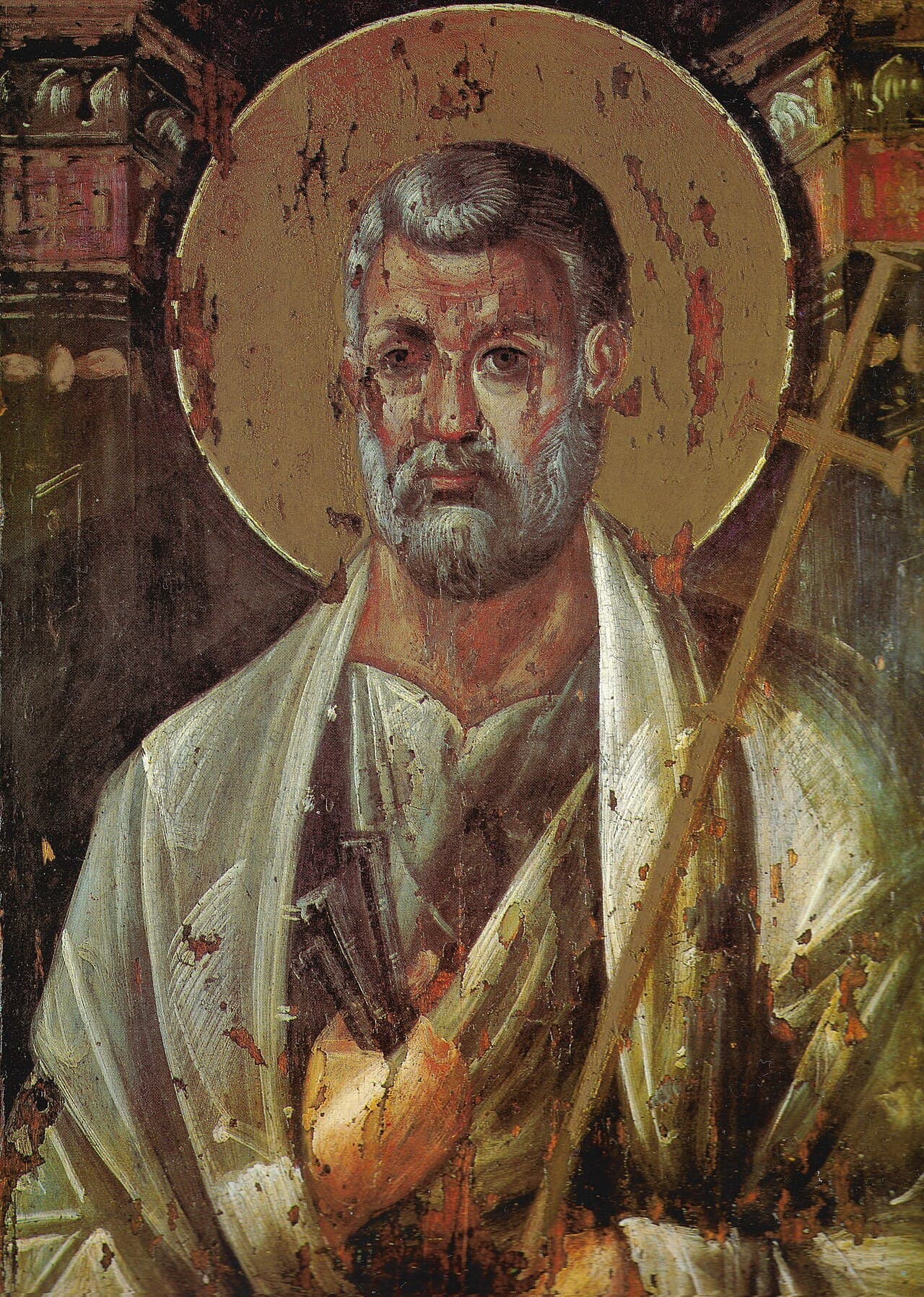
The apostolic stance held two things at once: honor the emperor, pray for him, pay taxes (Romans 13) — and refuse him worship, whatever it costs (Revelation 13 sees the same empire as a beast). 'We must obey God rather than men' was the martyrs' charter.
Primary source“It is a fundamental human right, a privilege of nature, that every man should worship according to his own convictions… it is no part of religion to compel religion.”
— Tertullian, To Scapula 2, c. 212
How it was received
Some persecuted Christian writers produced striking early arguments against coerced worship. Tertullian used the phrase libertas religionis and insisted that compulsion is alien to religion. Christian states later practiced coercion extensively; the Catholic Church gave religious freedom an explicit conciliar defense at Vatican II.
Key voicesPeter & the apostles · Tertullian · The martyrs
313–430
Constantine's embrace — blessing or captivity?
What happened
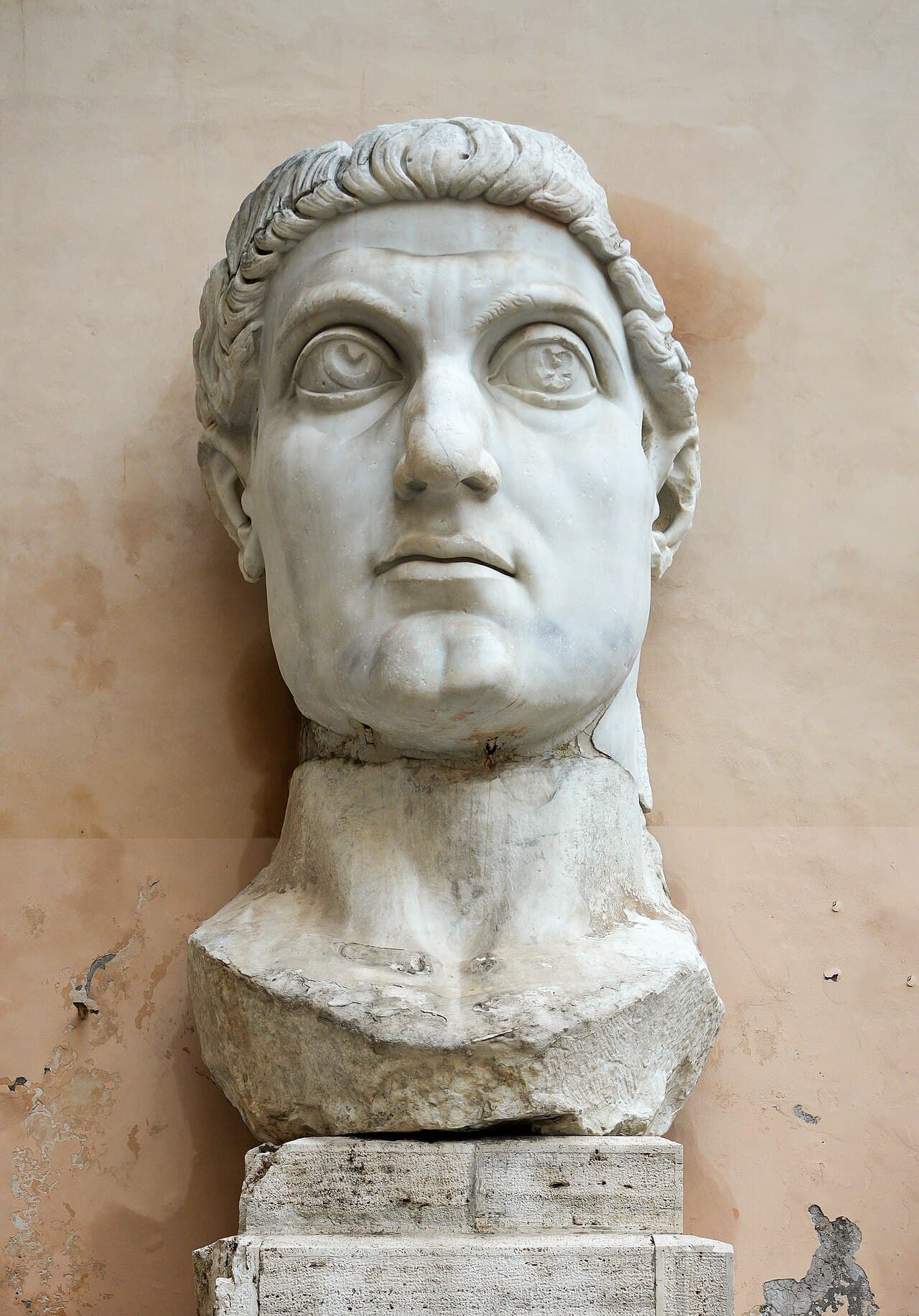
The Edict of Milan (313) legalized the faith; by 380 Theodosius made Nicene Christianity the empire's official religion, and within a generation the once-persecuted church acquiesced in penalizing pagans and heretics. Ambrose of Milan showed the new balance of power by barring an emperor from communion until he did public penance for a massacre.
How it was received
Augustine gave the era its theology — two cities, earthly and heavenly, intermingled until the end — and its most fateful precedent: he reluctantly endorsed imperial coercion of the Donatist schismatics, reading 'compel them to come in' (Luke 14:23) as warrant. Centuries of religious coercion would cite him.
Key voicesConstantine · Theodosius I · Ambrose · Augustine
494–1302
Two swords: pope against emperor
What happened
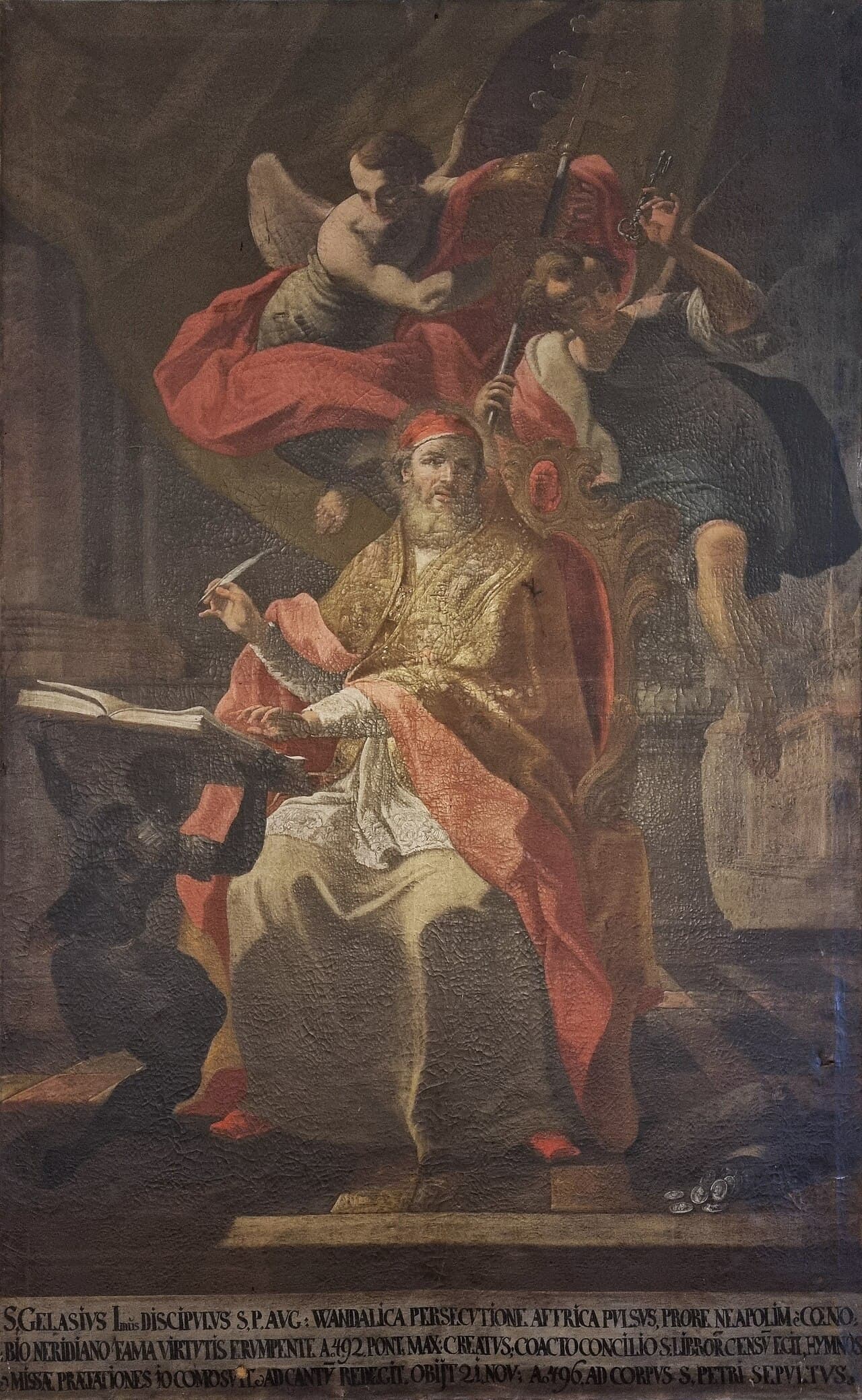
Pope Gelasius told the emperor in 494 that 'two there are' by which the world is ruled — priestly authority and royal power, the priest bearing the heavier weight. The medieval West spent eight centuries fighting over the ratio: Gregory VII humbled Henry IV in the snow at Canossa (1077) over who invests bishops; Boniface VIII's Unam Sanctam (1302) claimed both swords for the church — and was answered by French troops arresting him.
Primary source“Two there are, august emperor, by which this world is chiefly ruled: the sacred authority of the priesthood and the royal power.”
— Pope Gelasius I to Emperor Anastasius, 494
How it was received
The East ran a different model: symphonia, emperor and patriarch in ideally harmonious partnership — with the emperor, in practice, usually the senior partner.
Key voicesGelasius I · Gregory VII · Boniface VIII · Byzantine symphonia
1520–1555
Two kingdoms, godly cities, and the free-church protest
What happened
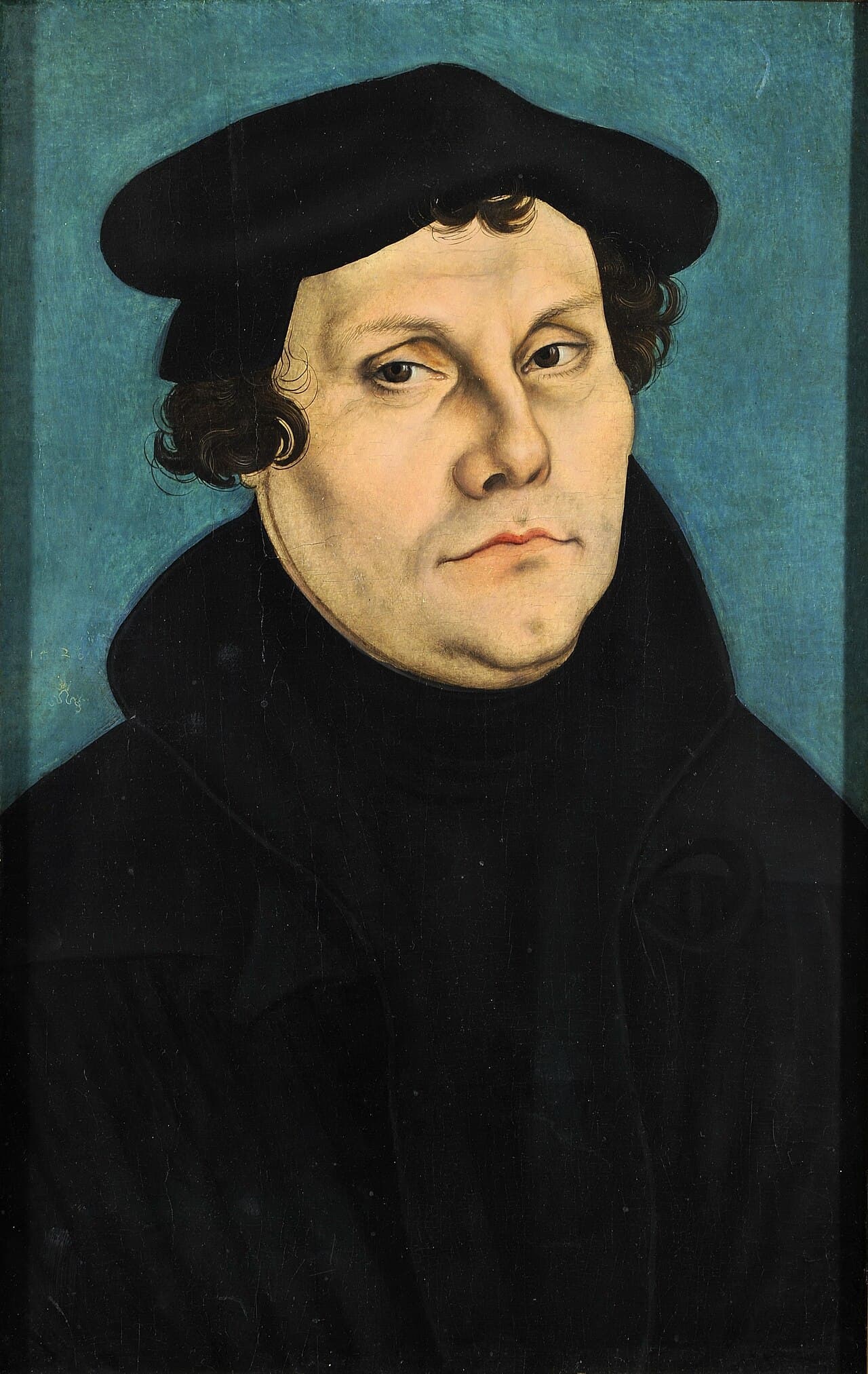
Luther distinguished God's two governments — the spiritual, ruling by Word alone, and the temporal, ruling by sword — and forbade each to usurp the other, though Lutheran princes promptly became emergency bishops. Calvin's Geneva wove church and city council into a disciplined godly commonwealth; Zwingli died in battle beside his canton's troops.
How it was received
The Anabaptists alone cut the knot: the church is a voluntary community separated from the sword, which no Christian should wield (Schleitheim, 1527). For this they were drowned and burned by Catholics and Protestants alike — and vindicated by nearly everyone three centuries later. Augsburg (1555) settled the immediate wars on the principle cuius regio, eius religio: the prince's religion is the territory's.
Key voicesMartin Luther · John Calvin · Michael Sattler · Peace of Augsburg
1636–1791
Soul liberty and the American experiment
What happened
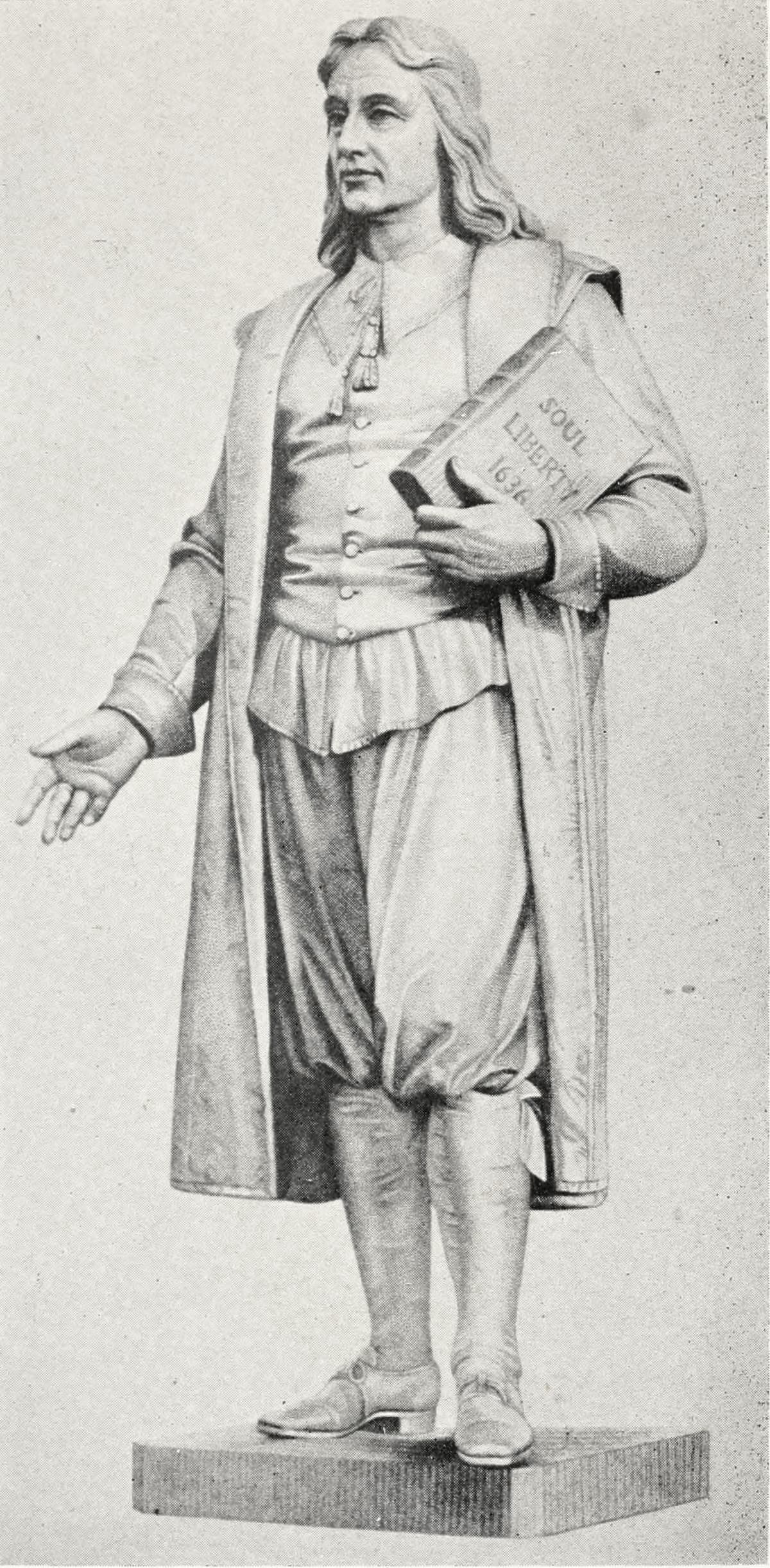
Exhausted by wars of religion, the seventeenth century began to reason its way to toleration. Roger Williams — banished from Massachusetts — founded Rhode Island on 'soul liberty,' arguing from Christian premises that forced worship 'stinks in God's nostrils.' Locke's Letter Concerning Toleration (1689) made the philosophical case.
Primary source“…that religion, or the duty which we owe to our Creator… can be directed only by reason and conviction, not by force or violence.”
— Virginia Declaration of Rights, art. 16, 1776
How it was received
Jefferson's Virginia Statute (1786) and the First Amendment (1791) built the first polity with no established church at the national level — a project driven jointly by Enlightenment deists and evangelical Baptists who knew establishment from the receiving end.
Key voicesRoger Williams · John Locke · Thomas Jefferson · Isaac Backus
1832–1965
Rome's long refusal — and historic reversal
What happened
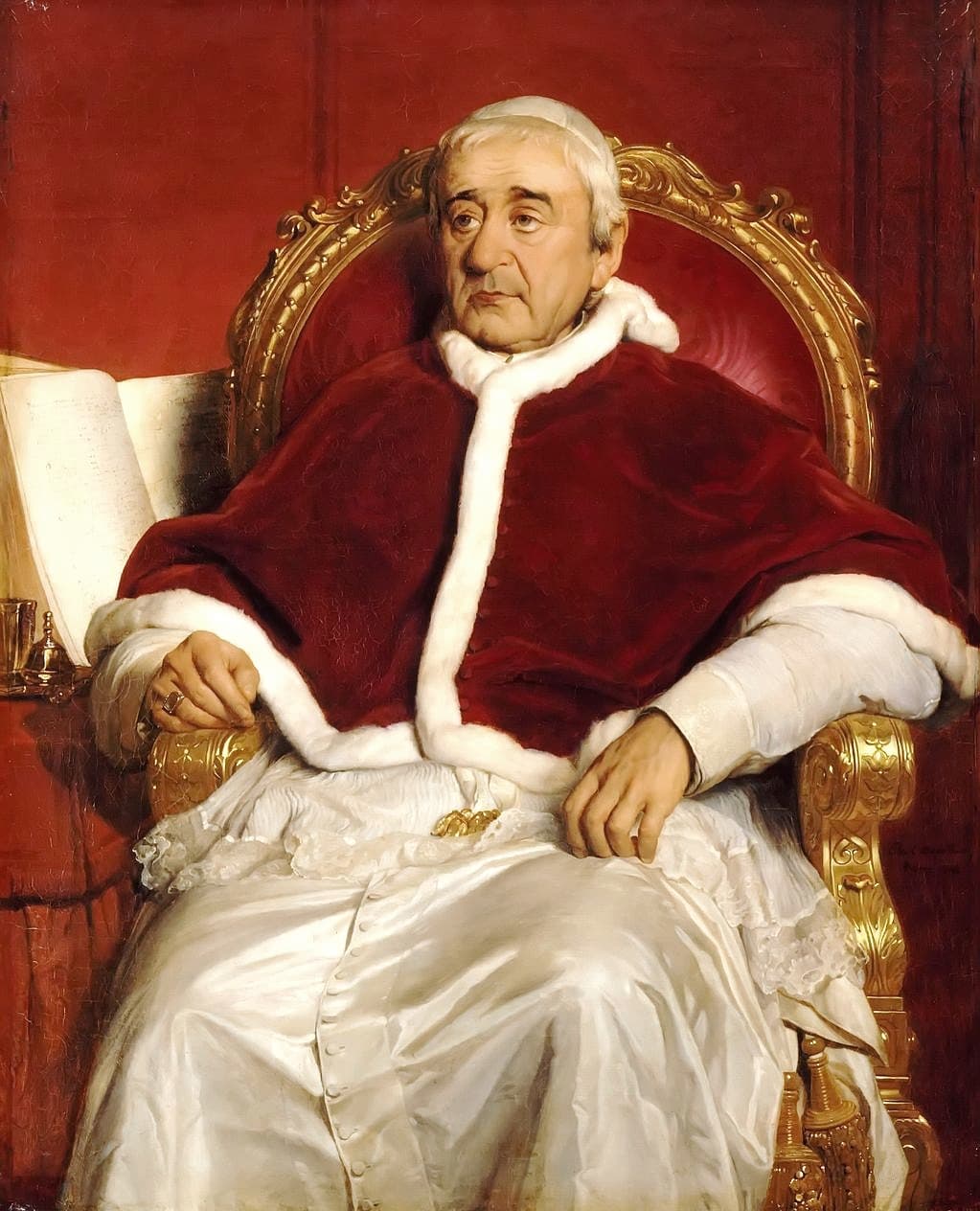
The nineteenth-century papacy, besieged by revolution, condemned religious liberty and separation of church and state outright: Gregory XVI called liberty of conscience a 'delirium' (Mirari Vos, 1832), and the Syllabus of Errors (1864) rejected the proposition that the pope should reconcile himself with 'progress, liberalism, and modern civilization.'
Primary source“The human person has a right to religious freedom… no one is to be forced to act in a manner contrary to his own beliefs.”
— Vatican II, Dignitatis Humanae 2, 1965
How it was received
A century later Vatican II declared, in Dignitatis Humanae (1965), that the human person has a right to religious freedom, grounded in dignity, which civil authority must protect. Drafted with the American Jesuit John Courtney Murray, it is the textbook case cited in every debate about whether — and how — doctrine develops. A traditionalist schism (Lefebvre) rejected it for precisely that reason.
Key voicesGregory XVI · Pius IX · John Courtney Murray · Vatican II
1934–today
Confessing churches and post-Christendom
What happened
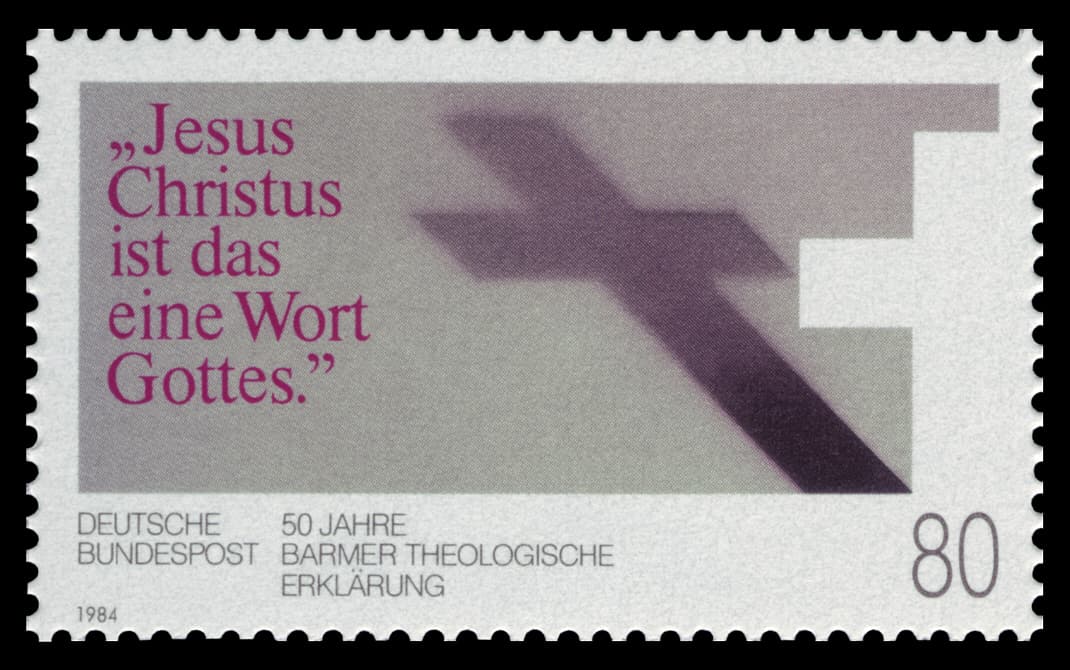
The twentieth century tested every model. Against the Nazi-aligned 'German Christians,' the Barmen Declaration (1934) confessed that the church belongs to Christ alone — Barth's draft remains the modern charter of ecclesial resistance. Under communism, churches learned survival without the state; in the post-colonial world, without Christendom altogether.
How it was received
Today's live debates — establishment remnants in Europe, Christian nationalism in America, Orthodox church-state fusion in Russia, persecuted minorities across Asia — replay every prior era's position at once. The doctrine's history has become its present.
Key voicesBarmen Declaration · Dietrich Bonhoeffer · Post-Christendom debates
The present landscape
Where the traditions stand today
Catholic
Religious freedom is a human right (Dignitatis Humanae); church and state are distinct and autonomous, cooperating for the common good.
Orthodox
The symphonia ideal persists in varied forms — from established-church patterns in Greece and Russia to diaspora minorities arguing for a post-Constantinian Orthodoxy.
Protestant
Positions range from surviving establishments (including England and parts of northern Europe) to strict separationism, two-kingdoms theology, and neo-Calvinist public theology. No single Protestant church–state model is globally normative.