The argument through time
History enters the room.
c. 50–100
Apostles, prophets, overseers, servants
What happened
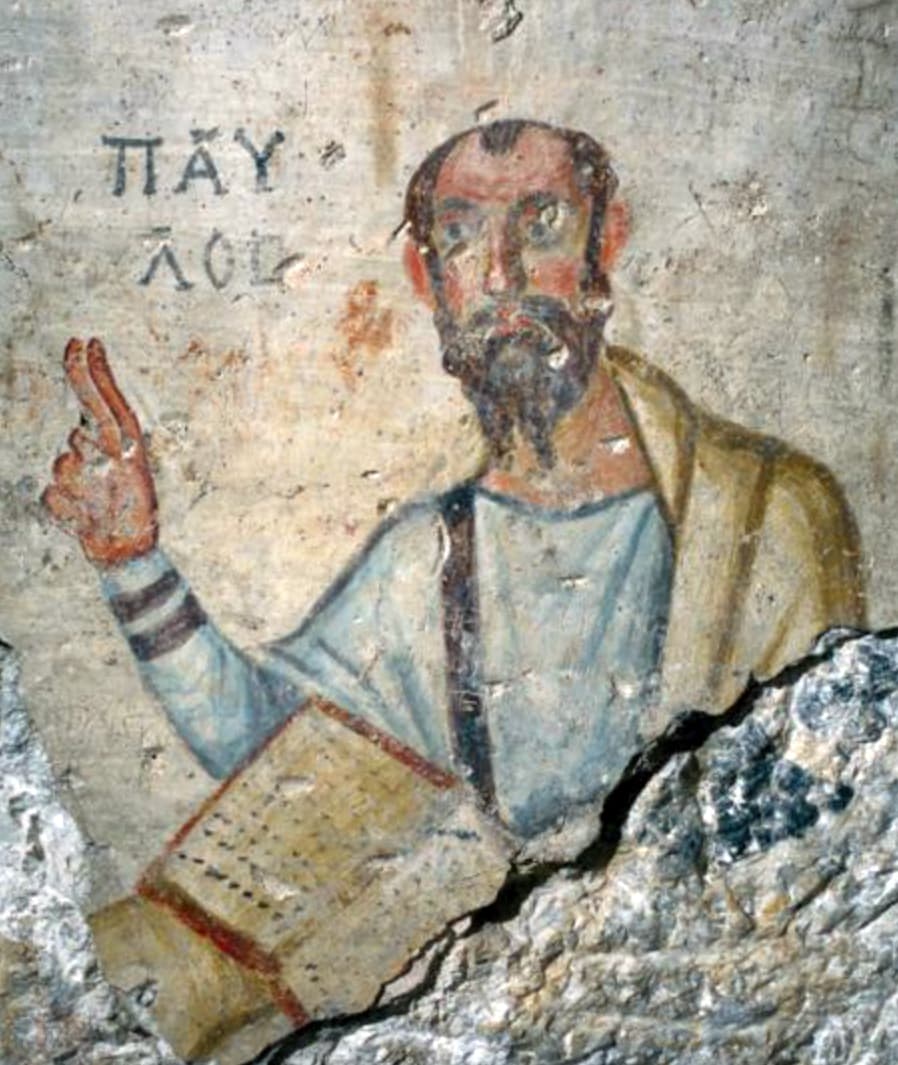
The New Testament shows ministries in motion: apostles and prophets; episkopoi (overseers) and presbyteroi (elders) — the terms overlapping, perhaps interchangeable — and diakonoi (servants). Hands are laid on with prayer; gifts differ; order matters, but no single blueprint is legislated.
How it was received
Women appear in the record: Phoebe the diakonos, Junia 'outstanding among the apostles,' Priscilla the teacher — texts that sit alongside the restrictive passages (1 Tim 2:12) at the center of the modern debate.
Key voicesPaul · Phoebe & Junia · The Pastoral Epistles
c. 110–250
The threefold order emerges
What happened
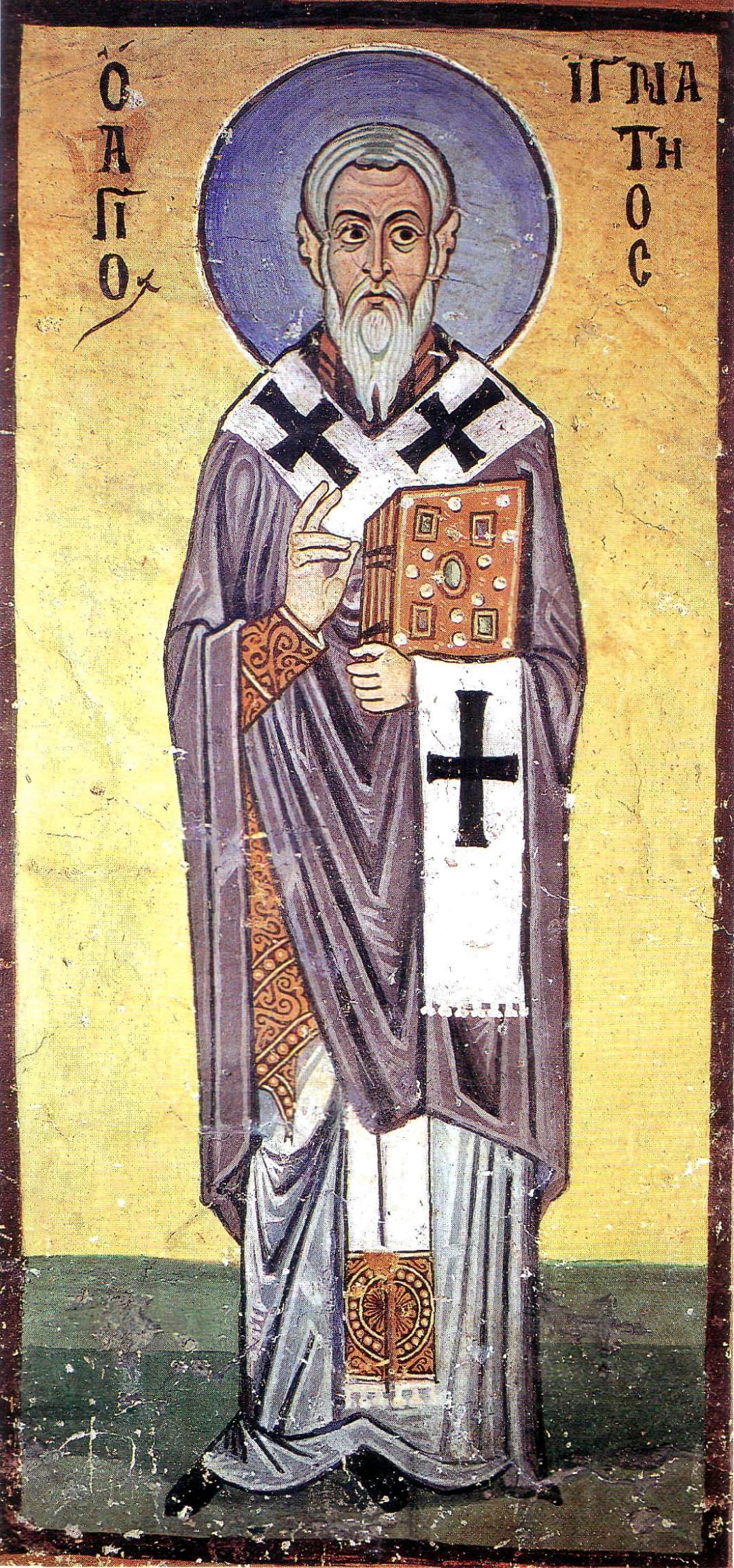
Ignatius of Antioch, c. 110, assumes that the churches he addresses have one bishop with presbyters and deacons, and makes the bishop a center of unity. The threefold pattern spread widely during the second century, though the surviving evidence is uneven; Irenaeus appeals to successions of bishops as public witnesses to apostolic teaching.
Primary source“Let no one do anything connected with the Church without the bishop… wherever the bishop appears, there let the people be; just as wherever Jesus Christ is, there is the catholic Church.”
— Ignatius, To the Smyrnaeans 8, c. 110
How it was received
Christian writers increasingly apply Old Testament priestly language to Christian ministers — a momentous slide: the presider at the Eucharist becomes a priest at an altar.
Key voicesIgnatius of Antioch · Irenaeus · Hippolytus
311–451
Character, worthiness, and the Donatist test
What happened
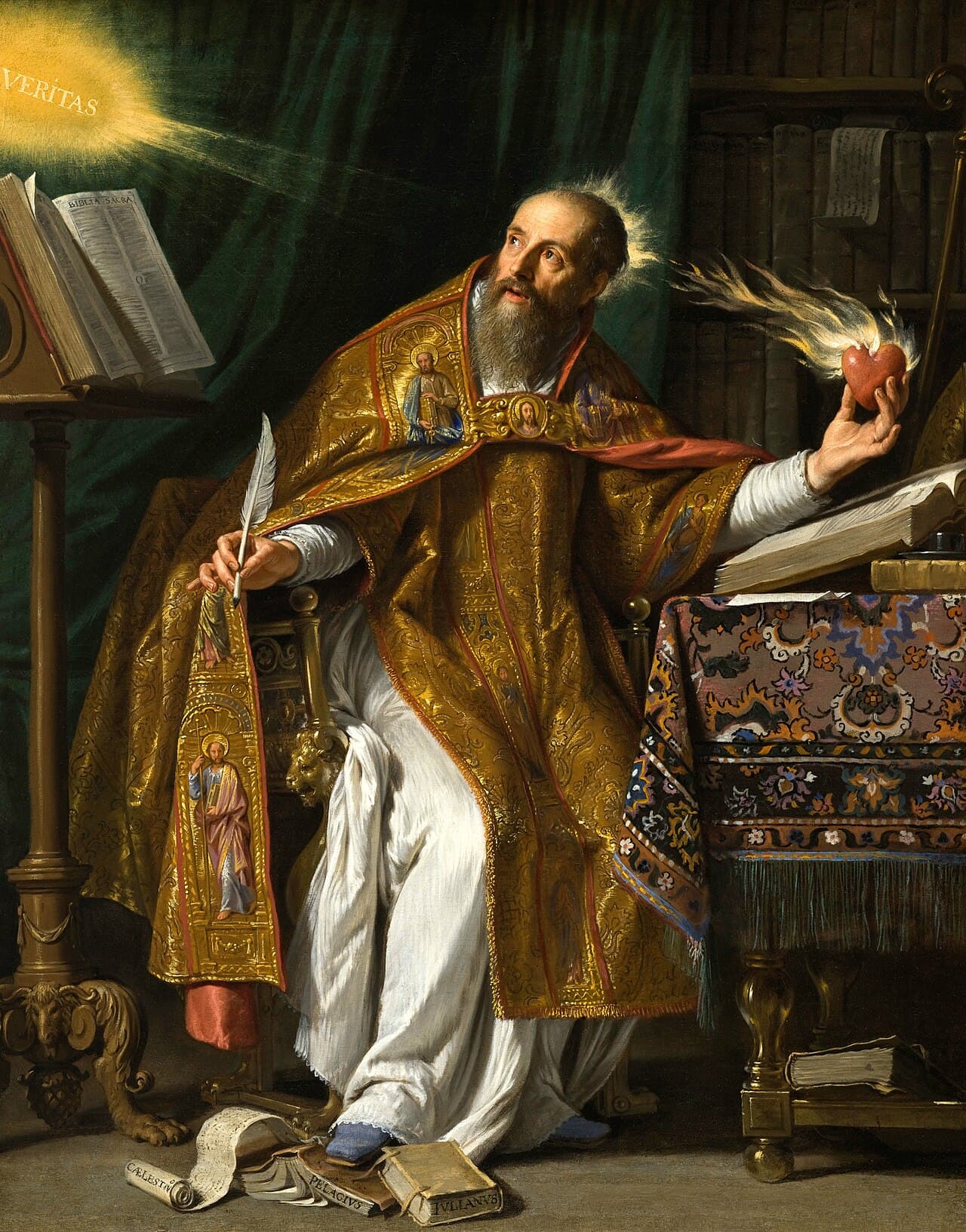
The Donatist crisis posed the hard question: are sacraments performed by unworthy or lapsed clergy valid? Augustine answered that Christ, not the cleric's moral quality, guarantees the sacrament. His anti-Donatist logic helped furnish the basis for the later Western doctrine that ordination, like baptism, confers an indelible character.
How it was received
Meanwhile the clergy–laity distinction acquired increasingly precise legal form. Ordained women deacons are well documented in parts of the East into the Byzantine period. Evidence sometimes offered for women presbyters is sparse and disputed, while surviving church canons reject women serving in the presbyteral role.
Key voicesAugustine · Donatists · Deaconesses of the East
1074–1215
The priest defined by the altar
What happened
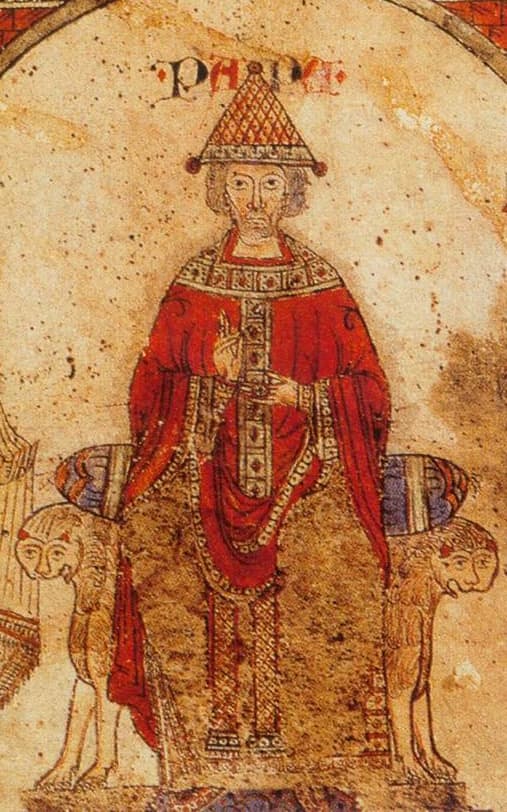
The Gregorian reform imposed clerical celibacy in the West (Lateran II, 1139, invalidated clerical marriages) — the East kept its married priesthood, one more 1054-era divergence. Scholastic theology defined the priest by his power: to consecrate the Eucharist and to absolve — powers conferred by ordination's indelible character.
How it was received
The priesthood so defined stood at the summit of a sacred hierarchy — precisely the edifice the Reformation would target.
Key voicesGregory VII · Lateran II · Thomas Aquinas
1520–1662
The priesthood of all believers
What happened
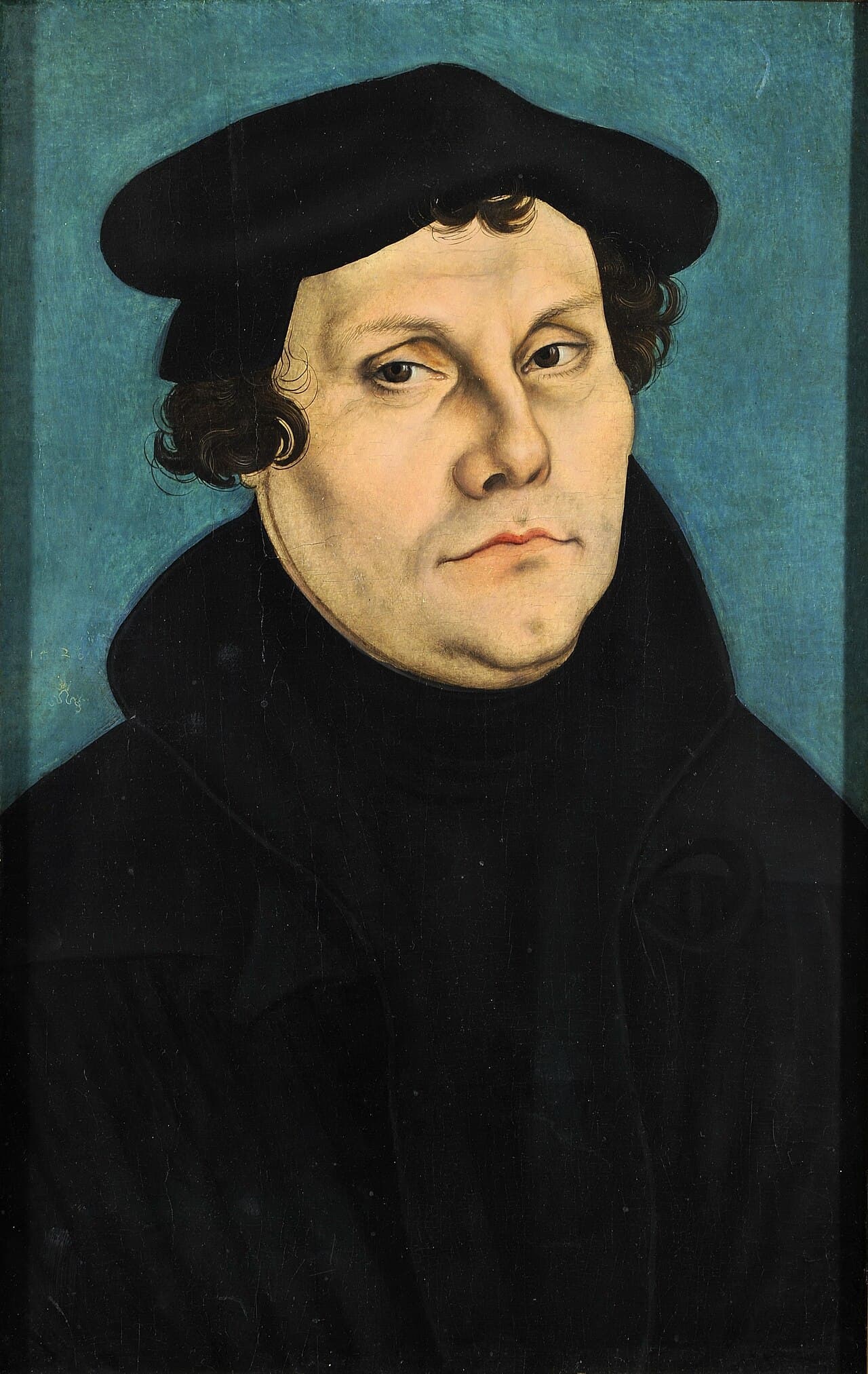
Luther's broadside: all the baptized are priests before God; ordained ministry is an office of Word and sacrament held on behalf of the community, not a higher caste with special powers. Calvin organized ministry fourfold (pastors, teachers, elders, deacons); the Reformed and free churches abolished bishops, while Lutherans in Scandinavia and Anglicans kept them.
Primary source“All Christians are truly of the spiritual estate, and there is among them no difference at all but that of office.”
— Luther, To the Christian Nobility, 1520
How it was received
Whether bishops belong to the church's essence (esse) or merely its well-being (bene esse) became a permanent intra-Protestant divide — sharpened when Rome ruled Anglican orders 'absolutely null and utterly void' (Apostolicae Curae, 1896).
Key voicesMartin Luther · John Calvin · Richard Hooker · Leo XIII
1853–1994
The ordination of women
What happened
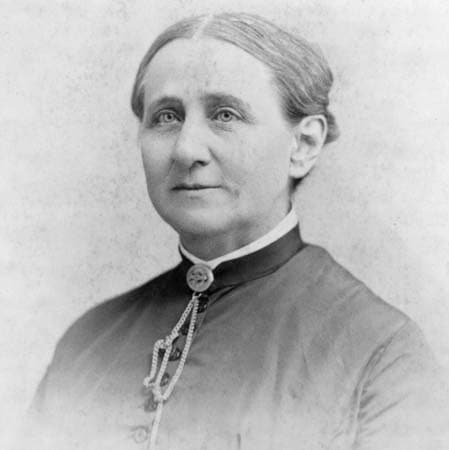
Antoinette Brown's ordination by a Congregationalist church (1853) began the modern movement; Pentecostal and Holiness churches ordained women from their founding; most mainline Protestant churches followed in the twentieth century (Lutheran and Methodist bodies mid-century; Anglican priests from the 1970s, bishops from 1989).
Primary source“…the Church has no authority whatsoever to confer priestly ordination on women, and this judgment is to be definitively held by all the Church's faithful.”
— John Paul II, Ordinatio Sacerdotalis, 1994
How it was received
Rome answered definitively in Ordinatio Sacerdotalis (1994): the church 'has no authority whatsoever' to ordain women to the priesthood — a judgment declared to be held definitively. Orthodoxy concurs in practice while reviving the female diaconate question. Within evangelicalism the same argument runs as complementarian vs. egalitarian, fought congregation by congregation.
Key voicesAntoinette Brown · Florence Li Tim-Oi · John Paul II
1982–today
Convergence documents and open questions
What happened
The WCC's Baptism, Eucharist and Ministry (1982) found broad agreement — ministry of Word and sacrament, ordination by prayer and laying on of hands, the threefold pattern commended as a possible sign of unity — while naming apostolic succession and women's ordination as the sticking points. Catholic–Anglican and Catholic–Lutheran dialogues have inched toward mutual recognition without reaching it.
How it was received
Meanwhile global Christianity's center of gravity shifted toward churches — Pentecostal, independent, majority-world — whose ministries fit none of the classical categories, effectively reopening the first-century fluidity the threefold order had settled.
Key voicesBEM 1982 · ARCIC · Global Pentecostalism
The present landscape
Where the traditions stand today
Catholic
Ordination is a sacrament imprinting an indelible character; the threefold ministry in apostolic succession is of the church's essence; priesthood is reserved to men; celibacy is the Latin norm.
Orthodox
Same sacramental threefold order and succession; married men may be ordained priests (bishops are monastic); ordination of women priests is excluded, the female diaconate discussed.
Protestant
Ministry is an office of Word and sacrament grounded in the priesthood of all believers; polity ranges from episcopal to congregational; most mainline bodies ordain women, most evangelical and confessional bodies debate or decline.