The argument through time
History enters the room.
381
The creed as the East received it
What happened
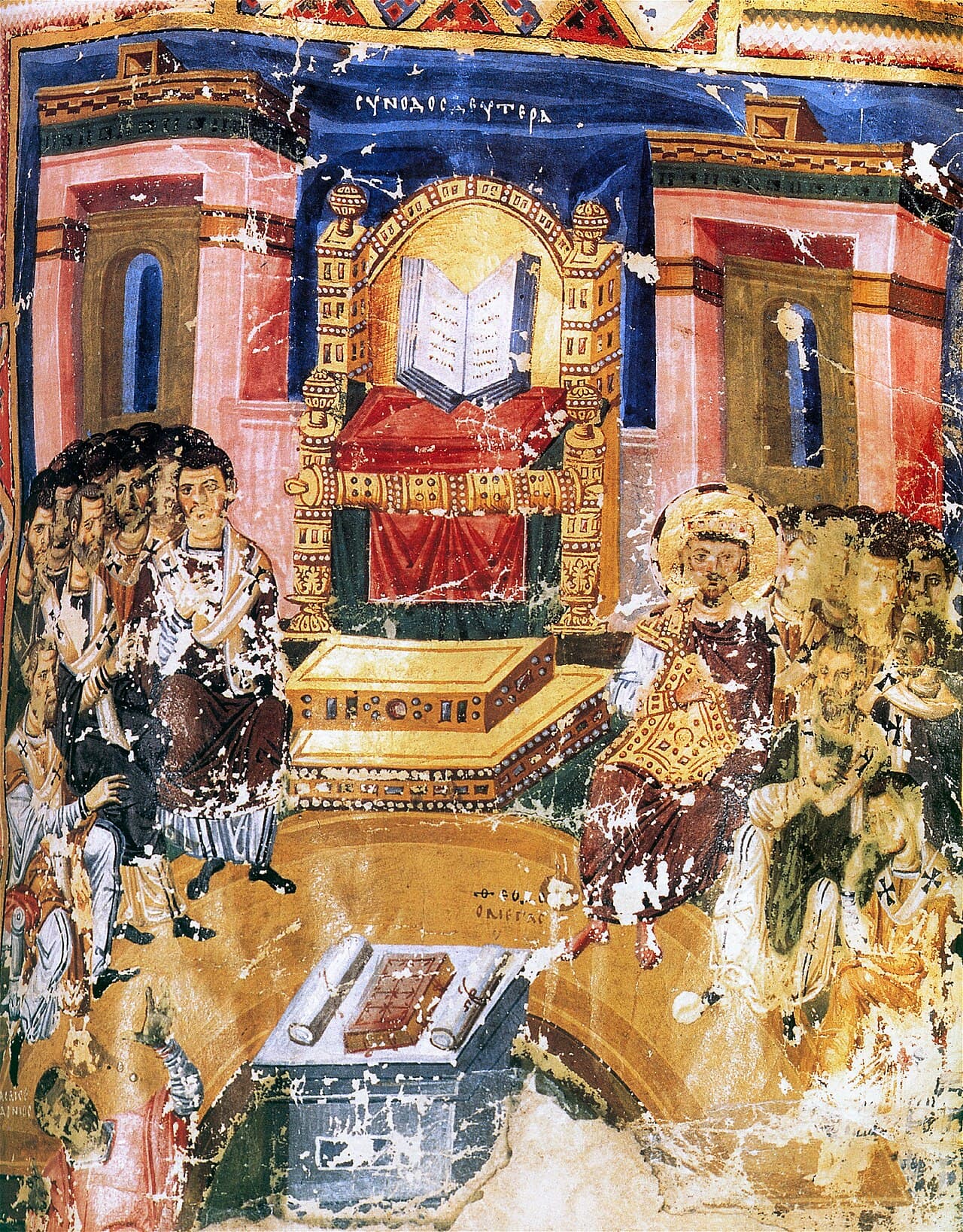
The Council of Constantinople confessed the Spirit as proceeding 'from the Father' — echoing John 15:26 — and said no more. For the Greek fathers, the Father is the sole fountainhead (monarchia) of the Trinity: the Son begotten, the Spirit proceeding, both from the Father alone.
How it was received
Ephesus (431) later forbade producing 'a different faith' — a canon the East would read as freezing the creed's very words.
Key voicesConstantinople 381 · Gregory of Nazianzus
400s–589
Augustine's West, and a Spanish insertion
What happened
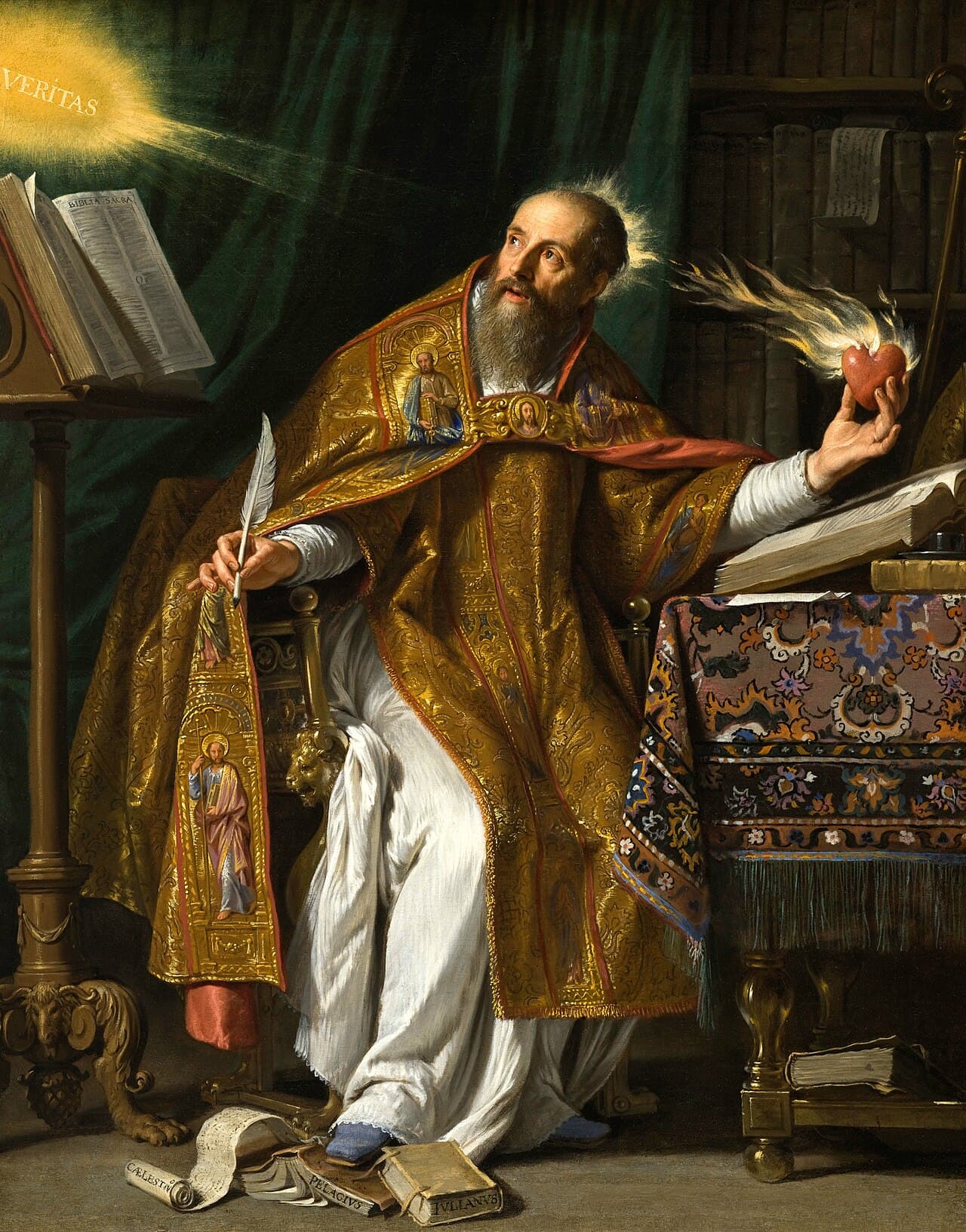
Augustine, meditating on the Trinity as lover, beloved, and love itself, taught that the Spirit proceeds from the Father and the Son as from one principle — for him, safeguarding the Son's full deity. The idea became standard in the Latin West.
How it was received
The Third Council of Toledo (589), receiving Visigothic Spain from Arianism, added filioque to the creed — an anti-Arian upgrade, made with no sense of transgression and no reference to the East.
Key voicesAugustine · Council of Toledo 589
794–867
Charlemagne pushes; a pope resists; Photius strikes back
What happened
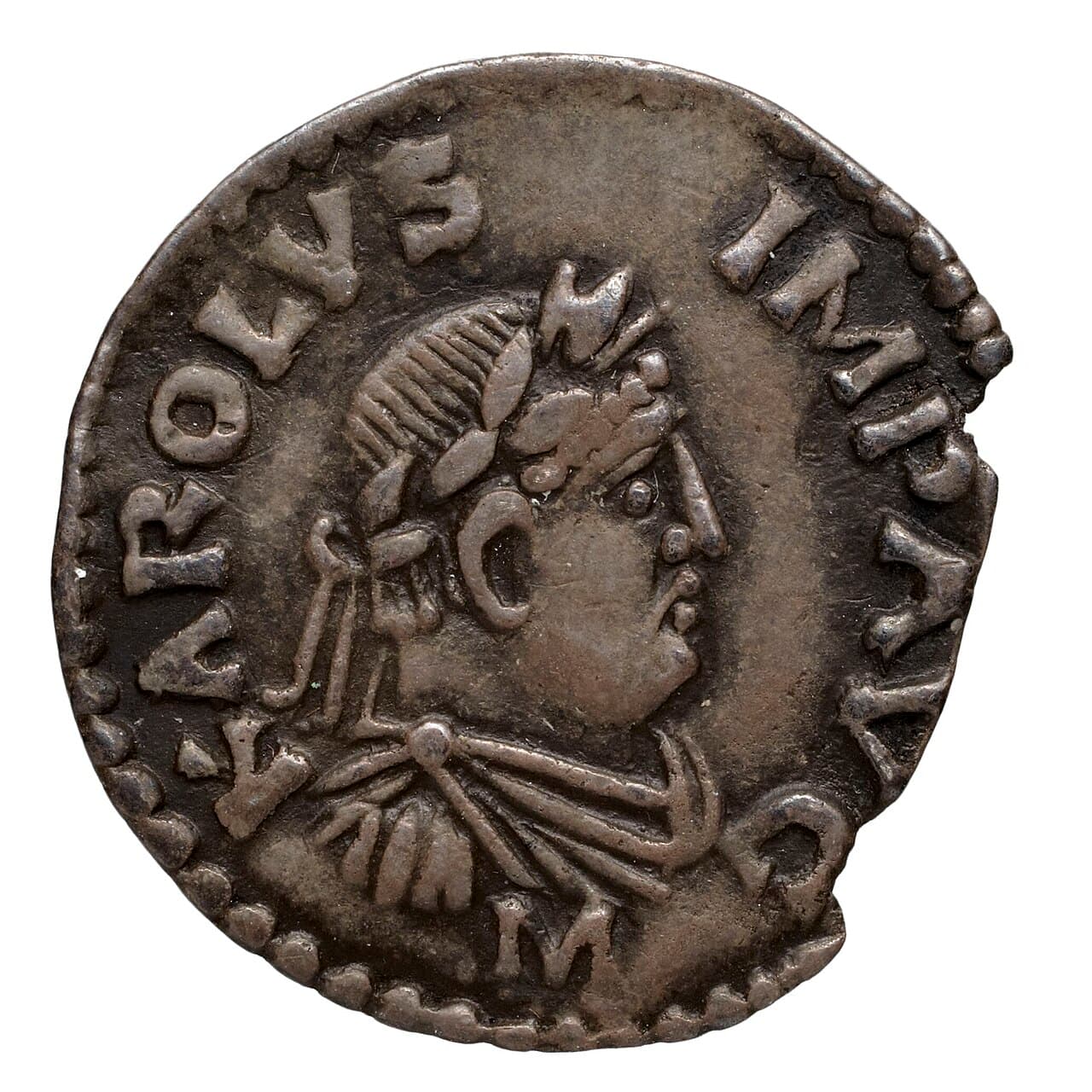
Charlemagne's court championed the filioque and accused the Greeks of omitting it. Pope Leo III approved the doctrine but refused to alter the creed — and had the original text, without the addition, engraved on silver shields at St. Peter's. A pope defending the Greek text of the creed against a Western emperor: the irony would not last.
Primary source“The Spirit proceeds from the Father alone… to say otherwise introduces two principles into the Godhead.”
— Photius, Mystagogy of the Holy Spirit (summarized), c. 885
How it was received
In 867 Patriarch Photius condemned the filioque as heresy — the first great Eastern broadside — arguing it implied two sources in God and dissolved the Father's monarchy.
Key voicesCharlemagne · Leo III · Photius
![Sacramentary of king Henry II [1002-14] - München BSB Clm 4456 Seite 33c: King Henry II](/_next/image?url=%2Fimages%2Fhistory%2Fsections%2Fhenry-ii-1ae5f85f.jpg&w=3840&q=75&dpl=dpl_7eb3JpnMe4ekXihsASES3CnRvKef)
1014–1054
Rome adopts it — and the schism comes
What happened
At the coronation of Emperor Henry II in 1014, the creed was sung in Rome with the filioque — the Roman liturgy had finally adopted the addition earlier popes had resisted placing in the creed. The pope's name had already disappeared from the Constantinopolitan diptychs around the beginning of the eleventh century; the precise date and immediate cause are disputed.
How it was received
In 1054 the mutual excommunications of Cardinal Humbert and Patriarch Cerularius listed the filioque among the charges (Humbert, remarkably, accused the Greeks of deleting it). The word was now welded to the schism.
Key voicesHenry II · Humbert · Michael Cerularius
1274–1439
Union councils that failed
What happened
Twice councils proclaimed reunion — Lyon II (1274) and Florence (1439). Florence defined that the Spirit proceeds from Father and Son 'as from one principle and by one spiration.' Most Greek delegates signed amid intense theological debate and severe political pressure as Ottoman power closed on Constantinople.
Primary source“The Holy Spirit proceeds eternally from the Father and the Son… as from one principle and by one spiration.”
— Council of Florence, Laetentur Caeli, 1439
How it was received
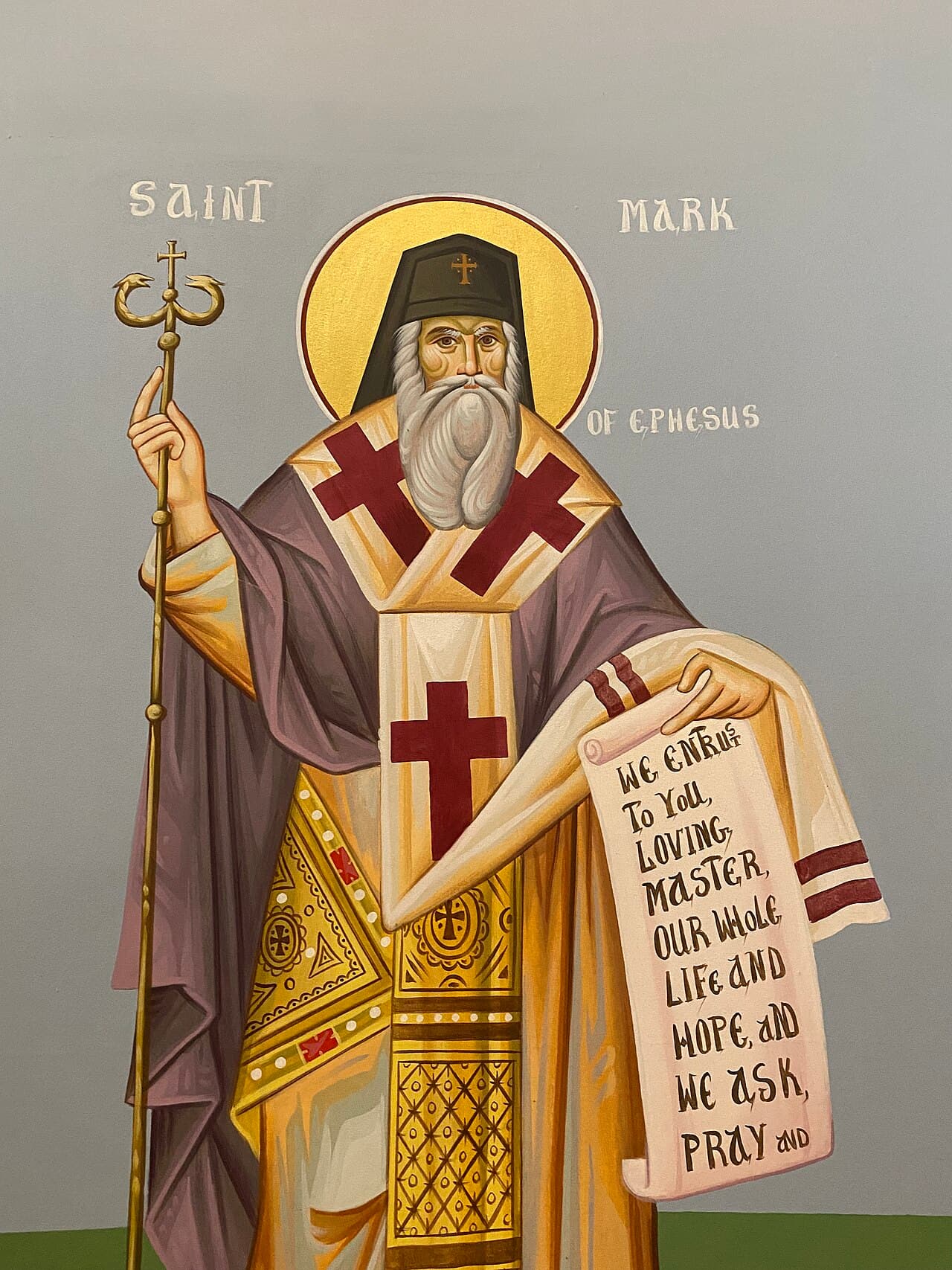
Both unions were repudiated at home. Mark of Ephesus, the lone bishop who refused to sign at Florence, became an Orthodox saint; the union died with the city in 1453.
Key voicesLyon II · Mark of Ephesus · Council of Florence
1875–today
Détente: 'through the Son'
What happened
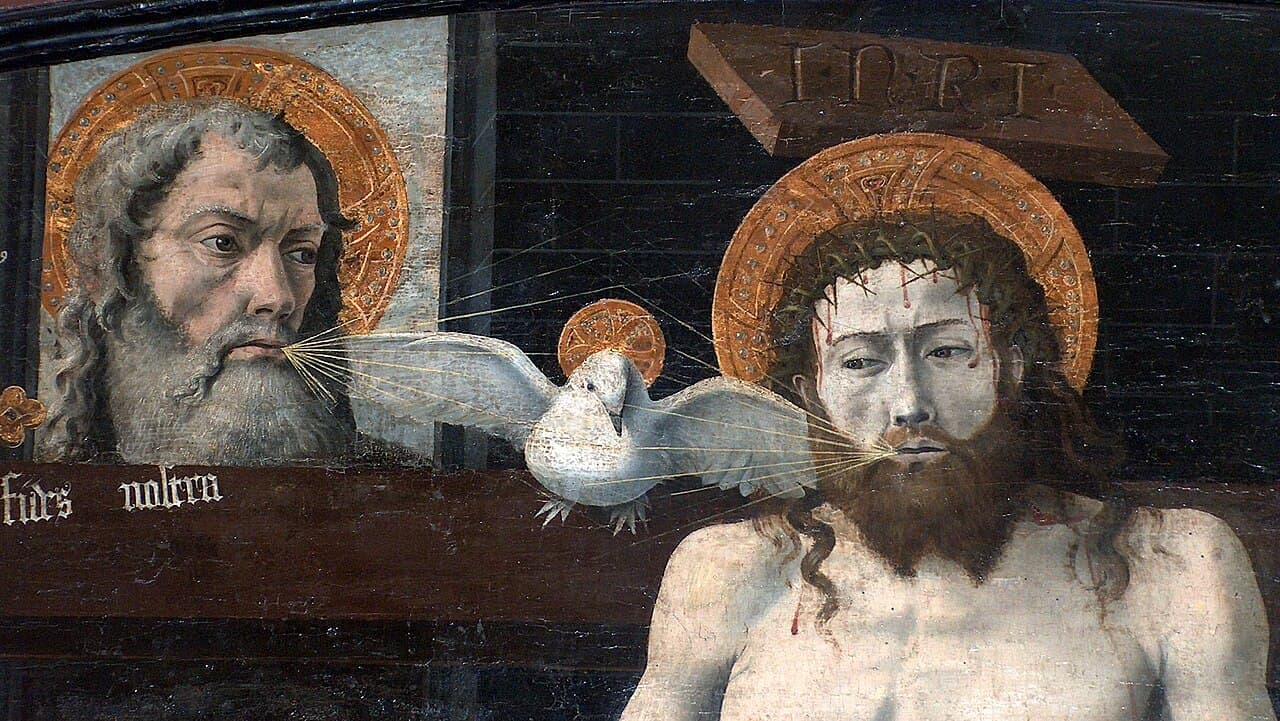
Modern scholarship softened the quarrel: many now argue the Greek ekporeusis (procession from the ultimate source) and Latin processio never meant the same thing — the sides partly talked past each other. A 1995 Vatican clarification affirmed that the Father remains the 'sole principle' of the Spirit, commending the ancient formula 'proceeds from the Father through the Son.'
How it was received
Popes now recite the creed without the filioque when praying with Eastern patriarchs, and several Anglican and Protestant bodies have voted to drop it in ecumenical use. The word remains in Western liturgies — but for the first time in a millennium, it is negotiable.
Key voicesVatican Clarification 1995 · North American Orthodox-Catholic dialogue
The present landscape
Where the traditions stand today
Catholic
The filioque is true doctrine (Father and Son as one principle), but the Father is the source without source; Eastern churches in communion with Rome rightly omit the word.
Orthodox
The Spirit proceeds from the Father alone; the filioque is at best an unauthorized addition, at worst a trinitarian error. Its removal remains a condition of reunion.
Protestant
Most inherited the filioque from the medieval West and retain it; several churches now permit or prefer the original text for the sake of unity.