The argument through time
History enters the room.
c. 550 BC–100 AD
Job's whirlwind and Joseph's formula
What happened
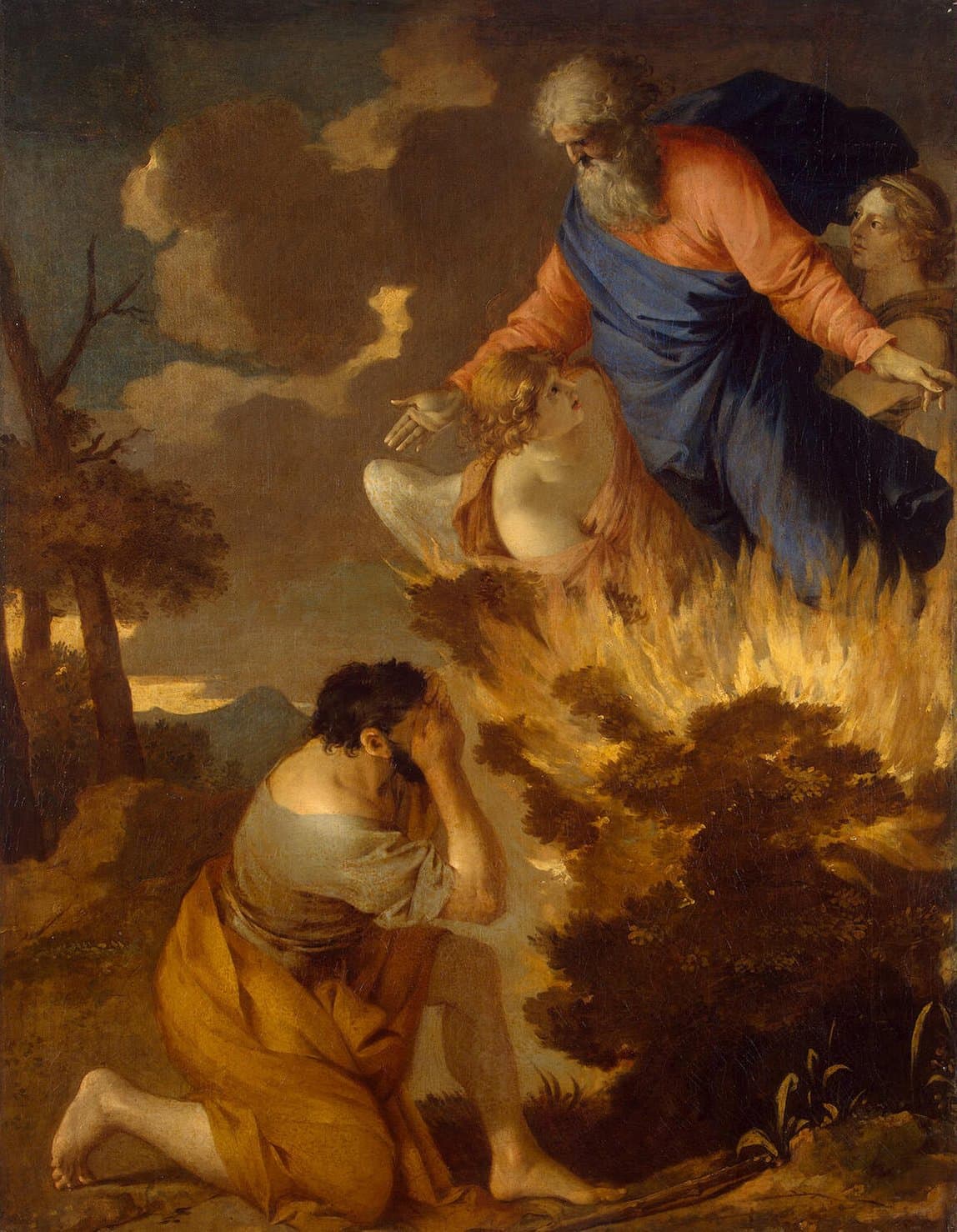
Scripture refuses to protect God's sovereignty by shrinking it: 'I form light and create darkness; I make well-being and create calamity' (Isaiah 45:7). Job demands an explanation and receives instead a whirlwind and a Presence. Joseph gives the canonical formula for evil inside providence: 'You meant evil against me, but God meant it for good.'
Primary source“You meant evil against me, but God meant it for good, to bring it about that many people should be kept alive.”
— Genesis 50:20
How it was received
The New Testament sharpens the paradox at the cross: the worst crime in history, done 'by the definite plan and foreknowledge of God' — and by wicked hands fully responsible (Acts 2:23). All later theology is commentary on that verse.
Key voicesJob · Isaiah 45 · Acts 2:23
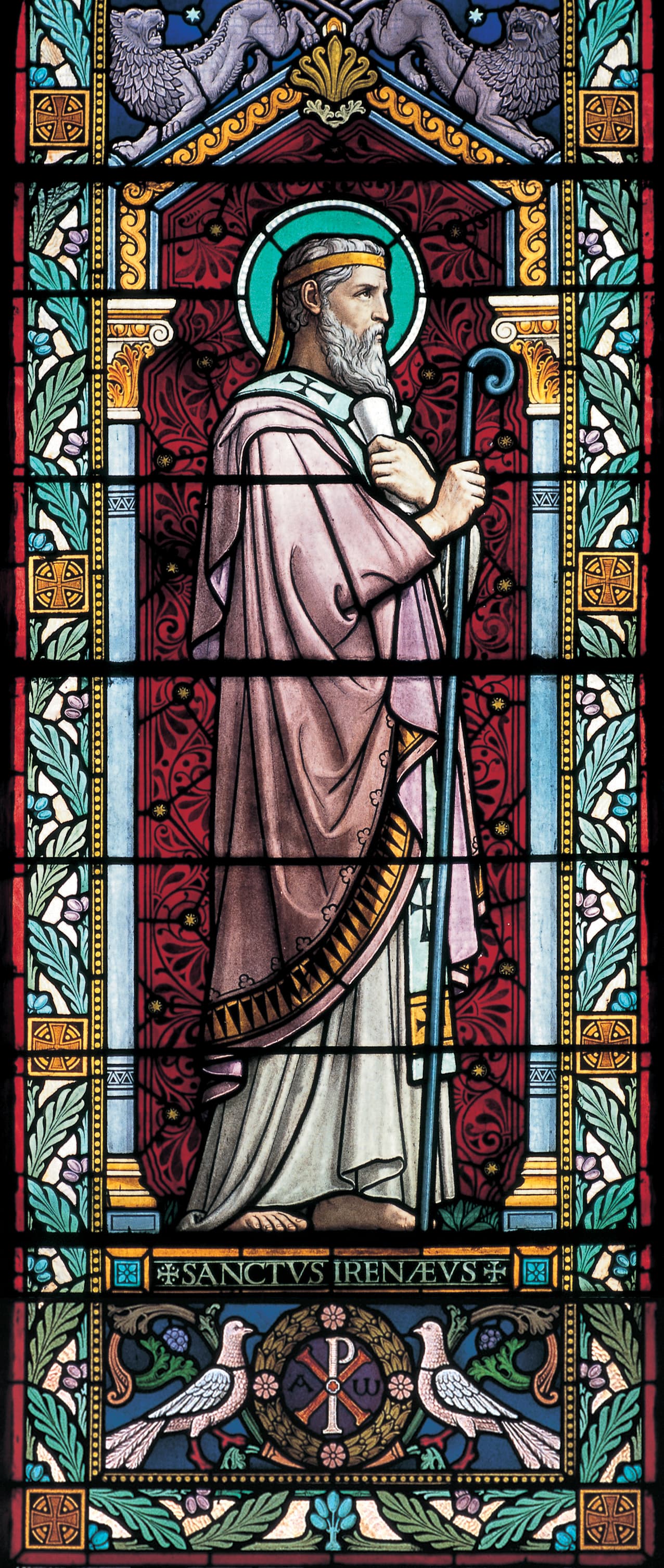
150–430
Against fate; evil as privation
What happened
The fathers' first battle was against Stoic fate and Gnostic dualism: the world is governed not by necessity or by an evil rival god, but by a good Father — and creatures are free. Irenaeus planted a seed the moderns would water: a world with real freedom and growth is how God makes children, not puppets.
Primary source“God judged it better to bring good out of evil than to suffer no evil to exist.”
— Augustine, Enchiridion 27, c. 421
How it was received
Augustine supplied the metaphysics that held for fifteen centuries: evil is not a thing but a privation — a corruption of good, with no independent existence — so God, author of all that exists, authors no evil; he permits it and turns it to good. 'For almighty God… would not allow any evil in his works, unless he were so almighty and so good as to bring good even out of evil.'
Key voicesIrenaeus · Augustine · Boethius
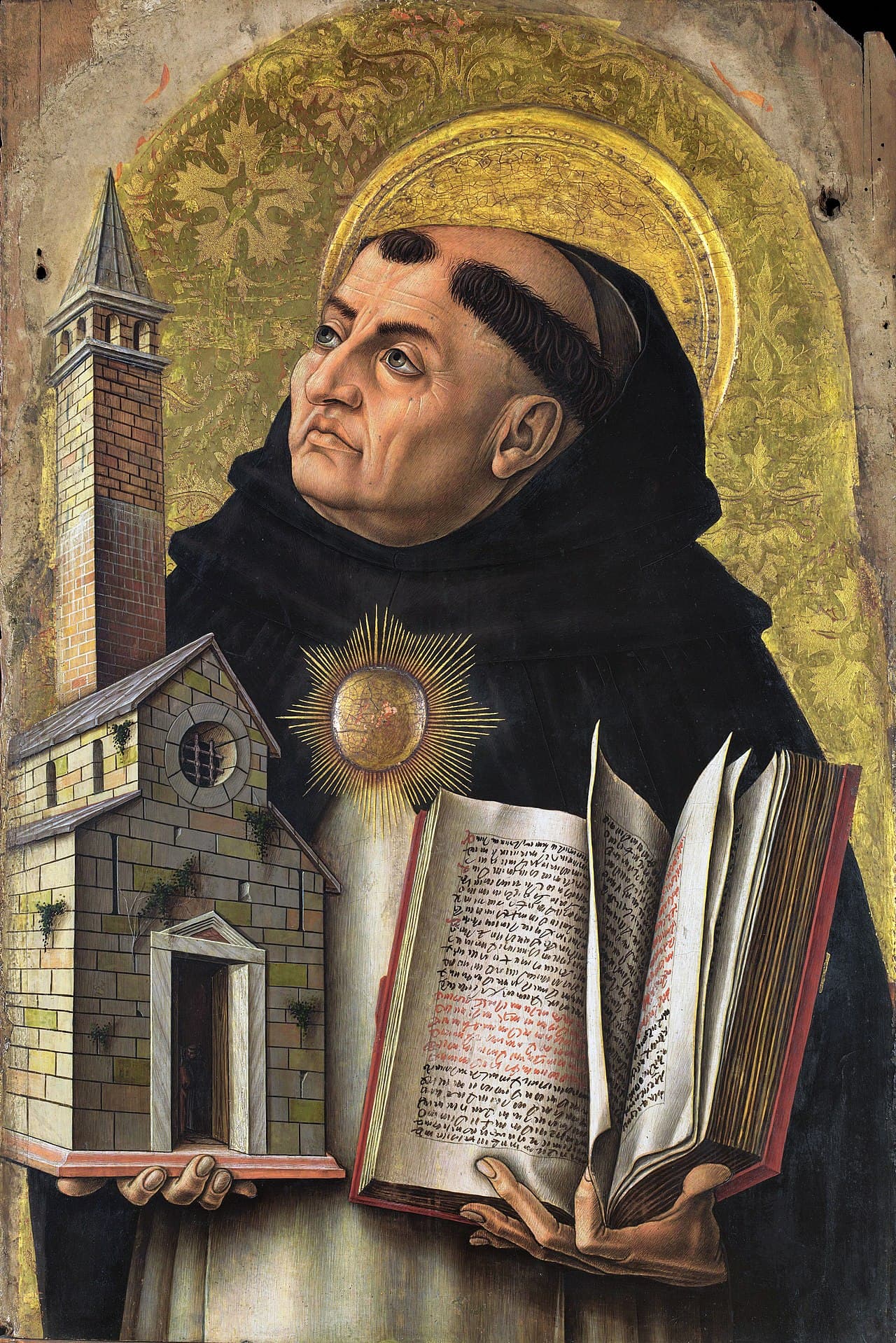
1250–1650
Primary causes, permitted evils, meticulous decrees
What happened
Aquinas refined the machinery: God is the primary cause working through free secondary causes — the same act fully God's and fully the creature's, on different levels. Evil God does not cause but permits, ordering it to good.
Primary source“God from all eternity did… ordain whatsoever comes to pass; yet so as thereby neither is God the author of sin, nor is violence offered to the will of the creatures.”
— Westminster Confession 3.1, 1646
How it was received
Calvin found 'bare permission' too weak for the God of Job: nothing, not a hair, falls outside God's decree — while the Reformed confessions labored to add the guardrails in the same breath. Westminster's sentence is the tradition's tightrope in miniature: God 'ordains whatsoever comes to pass; yet so as thereby neither is God the author of sin, nor is violence offered to the will of the creatures.'
Key voicesThomas Aquinas · John Calvin · Westminster Assembly
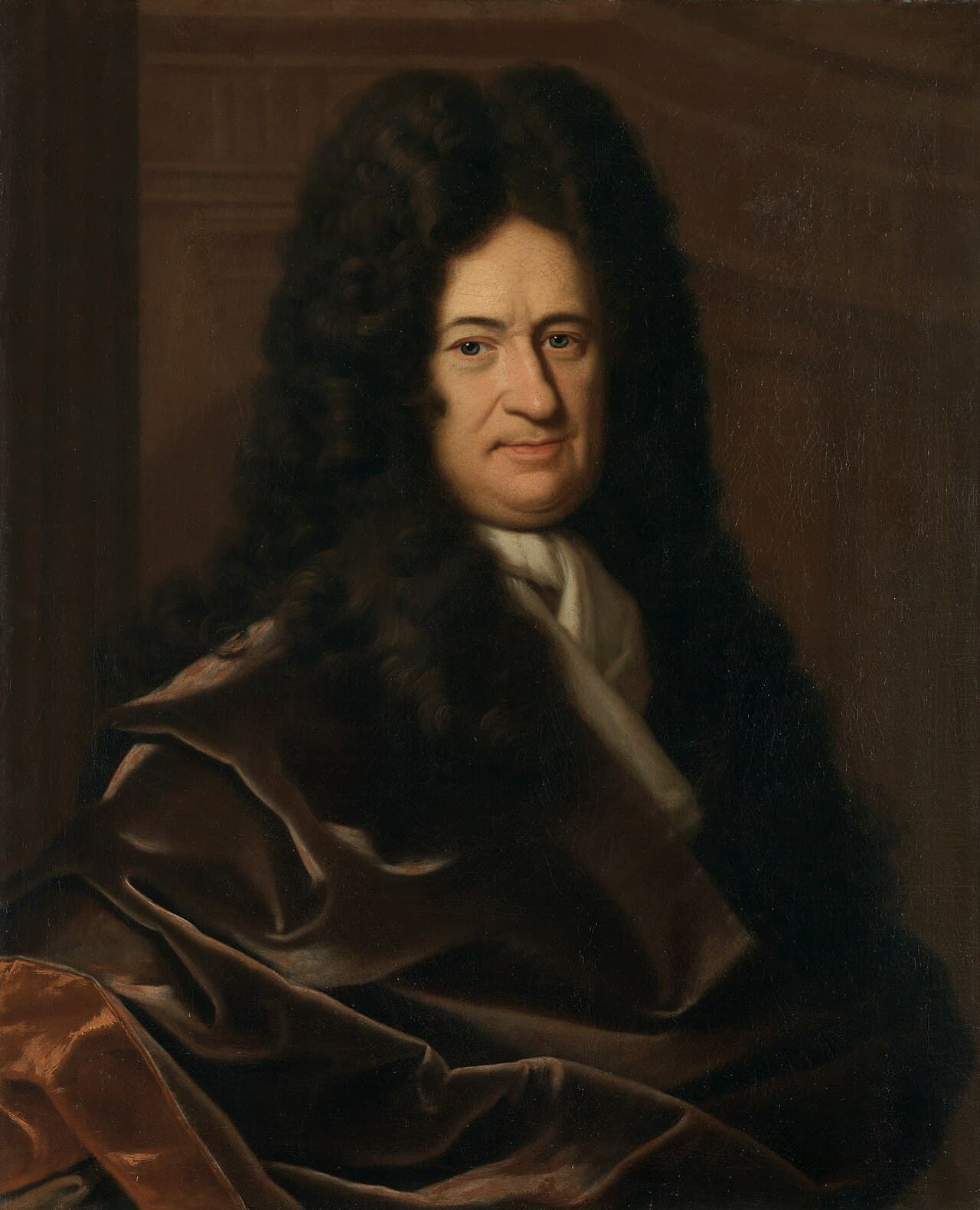
1710–1791
Theodicy invented — and mocked
What happened
Leibniz coined the word 'theodicy' (1710) and argued this is the best of all possible worlds — a God of perfect wisdom could choose no less. The Lisbon earthquake struck on All Saints' Day in 1755, when many people were attending Mass, and the earthquake, fires, and tsunami killed tens of thousands. Voltaire's Candide made Leibnizian optimism a target of satire, while Hume pressed the old problem of reconciling divine power, goodness, and evil with new force.
How it was received
The debate migrated from the church to the philosophers — where much of it has stayed.
Key voicesLeibniz · Lisbon 1755 · Voltaire · David Hume
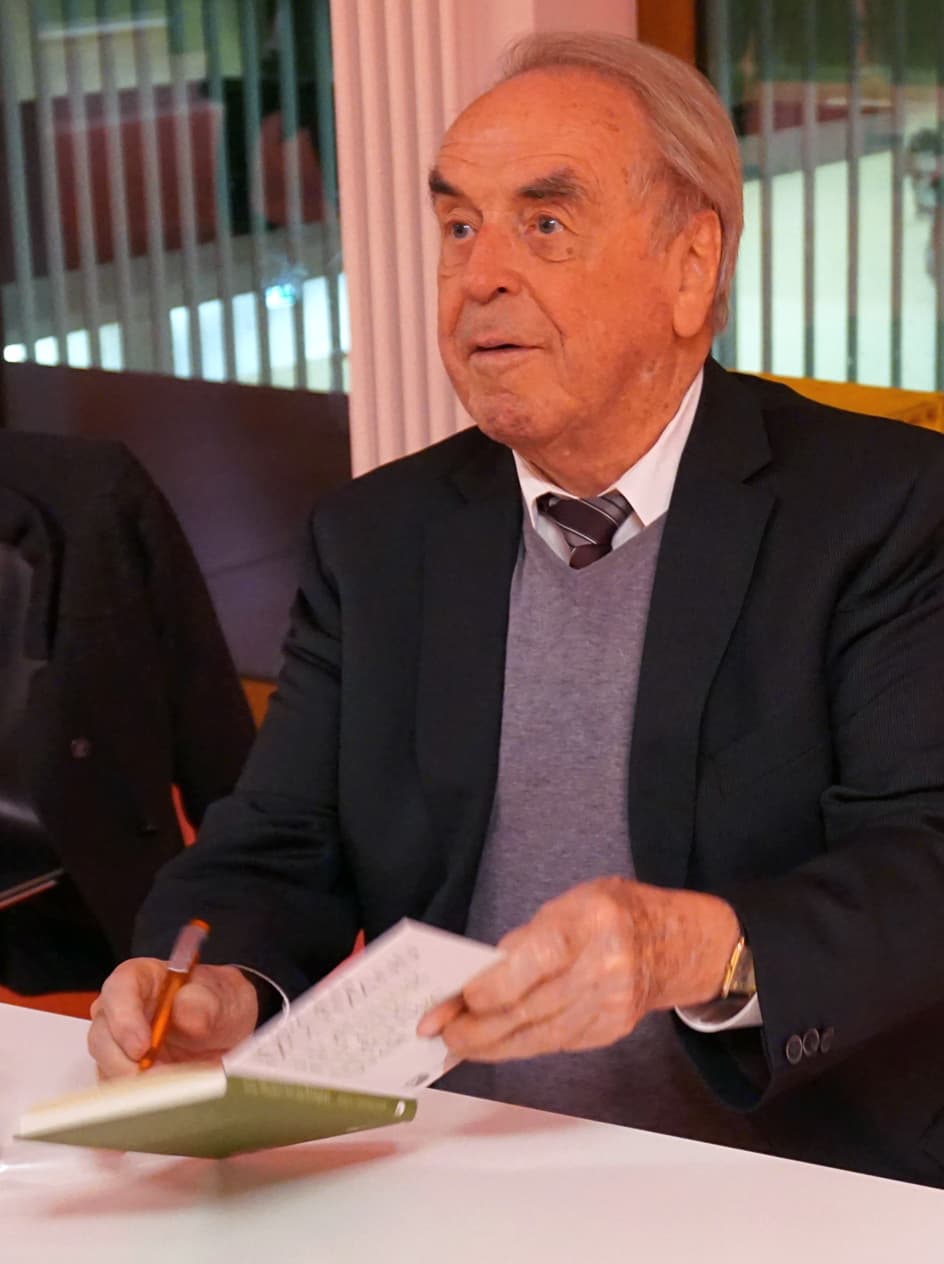
1945–1980
After Auschwitz
What happened
The Holocaust broke the genre. Jewish and Christian 'protest theology' refused explanations altogether; Moltmann answered not with a reason but a location — God on the gallows, the crucified God sharing the suffering. Rabbi Greenberg's test became famous: say nothing about God that could not be said in the presence of burning children.
How it was received
Philosophy regrouped: Plantinga's free-will defense (1974) persuaded many philosophers that no strict logical contradiction between God and evil had been demonstrated. John Hick developed a 'soul-making' theodicy inspired in part by Irenaean themes, though scholars caution that it is Hick's modern construction. The evidential problem — whether the quantity and kinds of suffering count strongly against God — remains contested.
Key voicesJürgen Moltmann · Irving Greenberg · Alvin Plantinga · John Hick
1980–today
The pastoral turn
What happened
Contemporary theology largely concedes that theodicy-as-explanation fails pastorally even where it succeeds logically, and has turned to practice: lament recovered as biblical speech (the Psalms complain more than they explain), 'skeptical theism' (we shouldn't expect to see God's reasons), open theism's risk-taking God, and the old Reformed confidence retooled for suffering congregations.
How it was received
The spectrum in the pews spans Calvin to Job's friends to Job — which is to say, the whole history at once. The doctrine's most quoted modern sentence may be Wolterstorff's, grieving his son: 'To redeem our brokenness and lovelessness the God who suffers with us did not strike some mighty blow of power but sent his beloved son to suffer like us, through his suffering to redeem us from suffering and evil.'
Key voicesNicholas Wolterstorff · Recovery of lament · Skeptical theism
The present landscape
Where the traditions stand today
Catholic
God's providence governs all, permitting moral evil for the sake of freedom and ordering it to good — 'in ways known fully only to God' (CCC 311–314).
Orthodox
Providence as synergy: God steers all toward theosis without overriding freedom; the tradition prefers doxology and mystery to theodicy-systems.
Protestant
Reformed: meticulous sovereignty with the Westminster guardrails. Arminian/Wesleyan: sovereignty self-limited for freedom. Open and process edges: a God who genuinely risks.