The argument through time
History enters the room.
c. 1000 BC–100 AD
The tension in the text
What happened
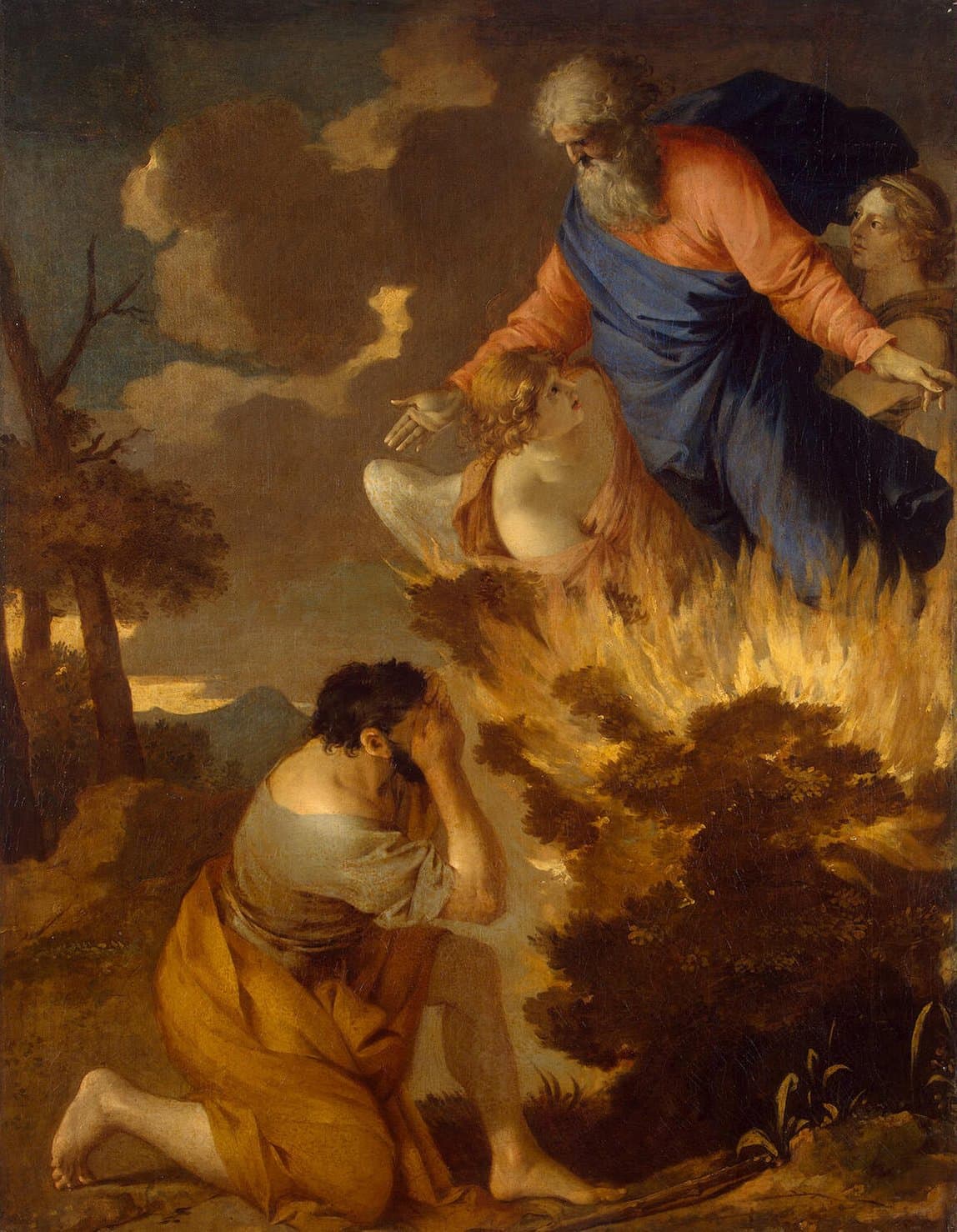
Scripture speaks both languages fluently: 'I the LORD do not change' (Malachi 3:6), 'God is not a man, that he should repent' — and, six chapters after creation, 'the LORD regretted that he had made man, and it grieved him to his heart' (Genesis 6:6). God is enthroned above time and wrestles Jacob at night.
How it was received
Every doctrine of the divine attributes is a decision about which set of texts interprets the other.
Key voicesExodus 3:14 · Malachi 3:6 · Genesis 6:6
100–553
Impassibility — and the crucified God paradox
What happened
Against the lustful, quarreling gods of paganism, the fathers insisted God is without passions (apatheia), without body, without change — reading the repentance texts as accommodation to human weakness, as one speaks baby-talk to a child (Origen's image). Philosophical Greek and biblical faith fused into what is now called classical theism.
Primary source“He who is impassible suffered, and did not avenge himself; he who is immortal died, and answered not a word.”
— Melito of Sardis, On Pascha (adapted), c. 170
How it was received
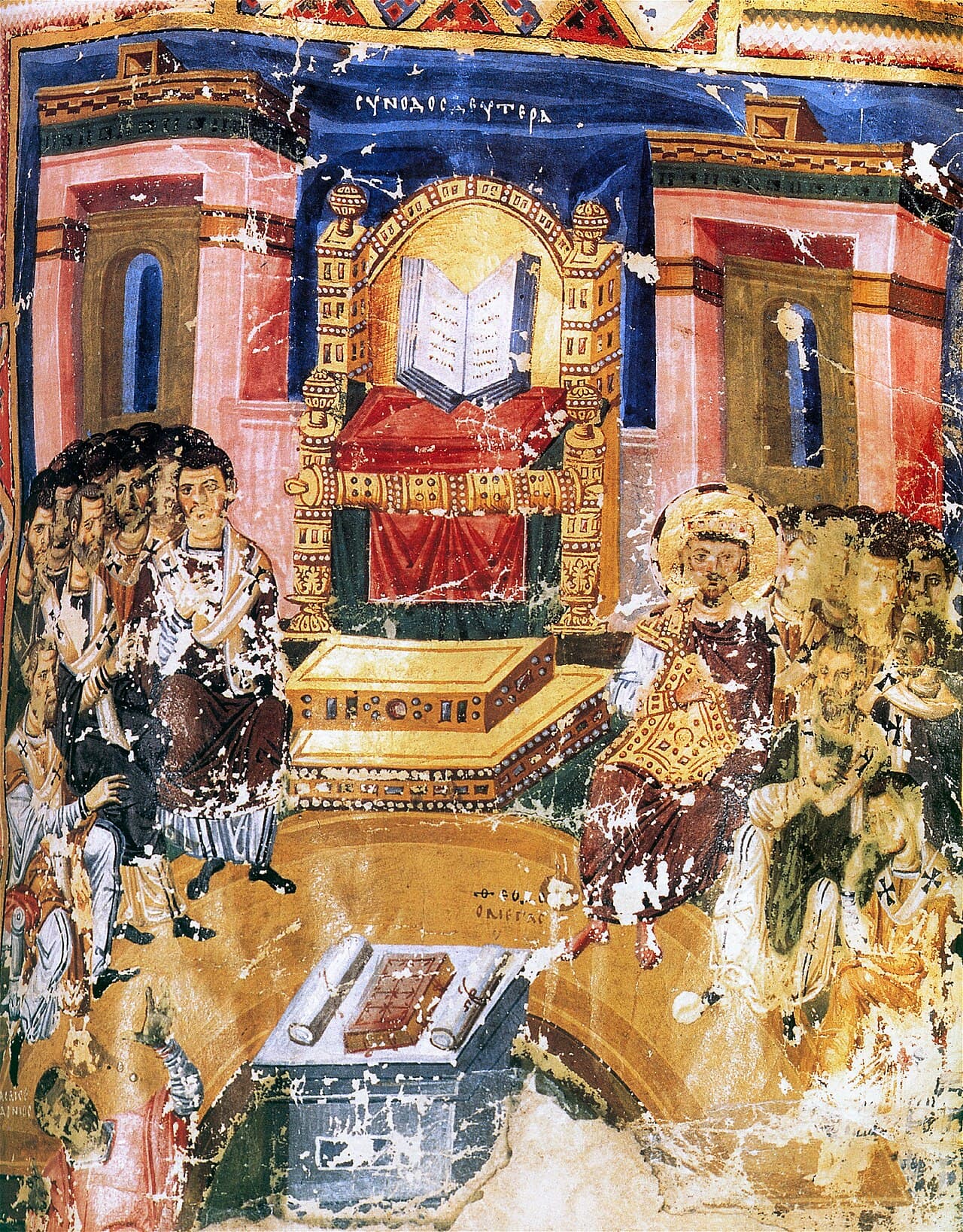
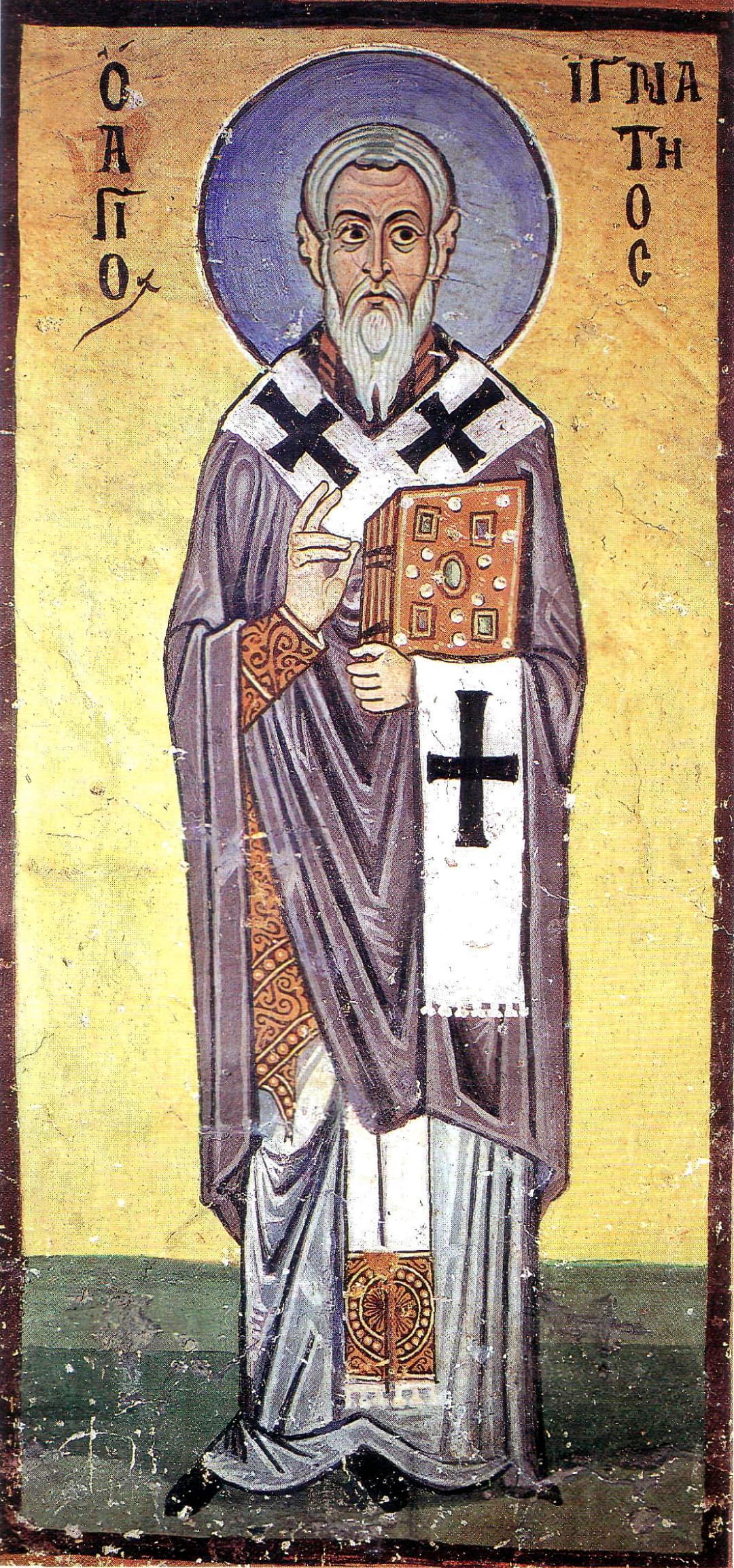
Yet the same fathers preached 'the sufferings of my God' (Ignatius) and 'one of the Trinity suffered in the flesh' — a formula vindicated under Justinian (553). The resolution: the impassible Word truly suffered in his human nature. Critics ancient and modern call that a dodge; defenders call it the whole point of the incarnation — suffering embraced, not imposed.
Key voicesIgnatius · Origen · Melito · Constantinople II
420–1274
The classical cathedral: Augustine, Boethius, Anselm, Aquinas
What happened
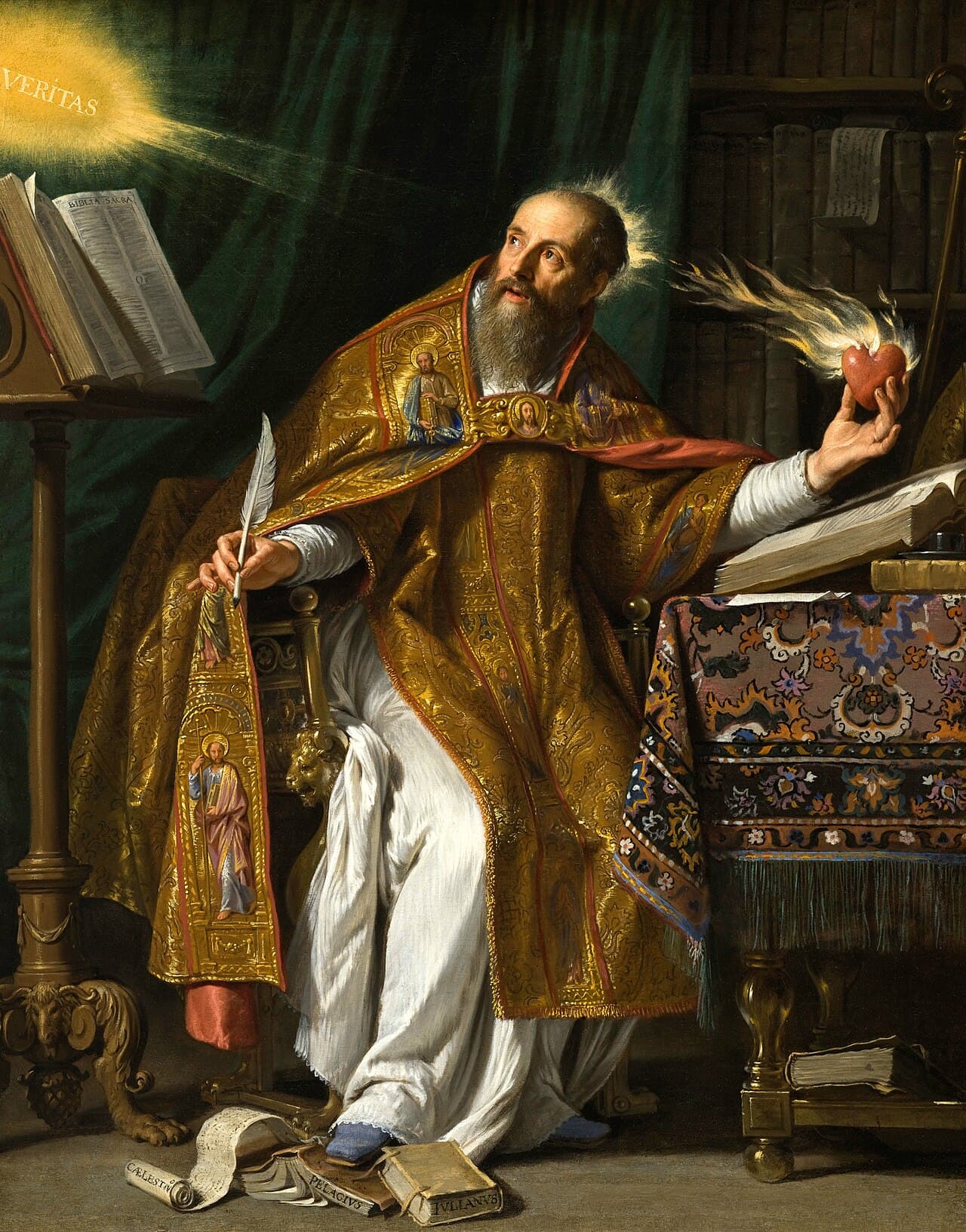
The medieval synthesis built classical theism into a cathedral. Boethius defined eternity as 'the whole, simultaneous, and perfect possession of unending life' — God does not foresee the future; he sees all times at once. Anselm distilled the method into a formula: God is 'that than which nothing greater can be conceived,' so every perfection is his in the highest degree.
Primary source“Eternity is the whole, simultaneous, and perfect possession of unending life.”
— Boethius, Consolation of Philosophy 5, c. 524
How it was received
Aquinas capped the Latin synthesis: God is actus purus, pure act with no unrealized potential — hence simple, immutable, eternal, and impassible — and creaturely language applies to God analogically. Jewish and Islamic thinkers such as Maimonides and Avicenna developed related accounts in distinct theological settings and directly influenced medieval Christian discussion.
Key voicesAugustine · Boethius · Anselm · Thomas Aquinas
1340s–1700
Energies, Reformers, and the first cracks
What happened
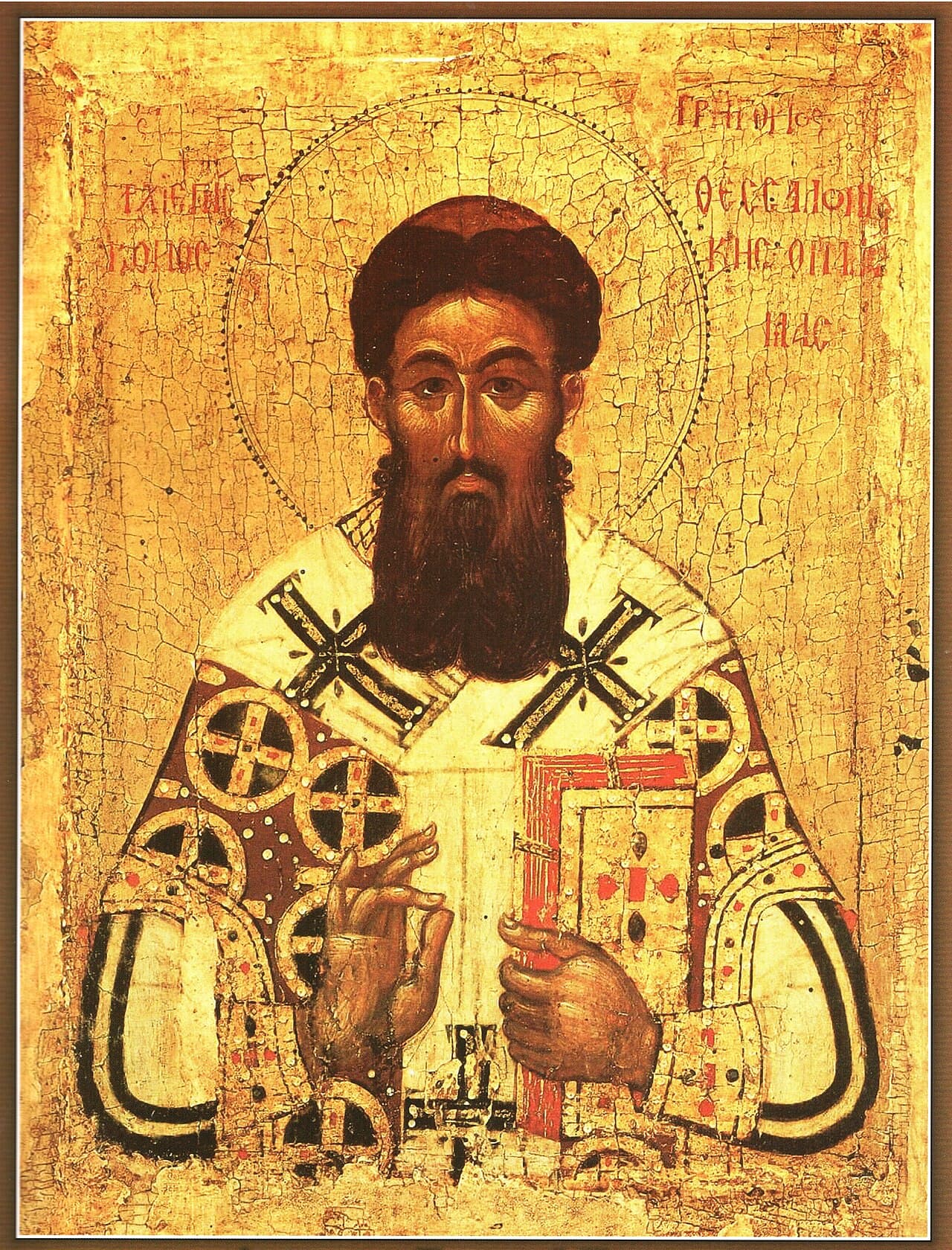
The East drew its own map: Gregory Palamas distinguished God's unknowable essence from his uncreated energies — really God and truly participable — in teaching vindicated by Byzantine councils between 1341 and 1351. Latin critics historically charged that the distinction compromised divine simplicity, while modern Catholic and Orthodox dialogue has produced more differentiated assessments.
How it was received
The Reformers inherited classical theism intact (Westminster: 'without body, parts, or passions'). The first real crack came from the Socinians, who argued that a God who genuinely responds to free creatures cannot know the undetermined future — open theism three centuries early, condemned by everyone and remembered by the moderns.
Key voicesGregory Palamas · Westminster Confession · Socinians
1900–1980
The revolt: the suffering God
What happened
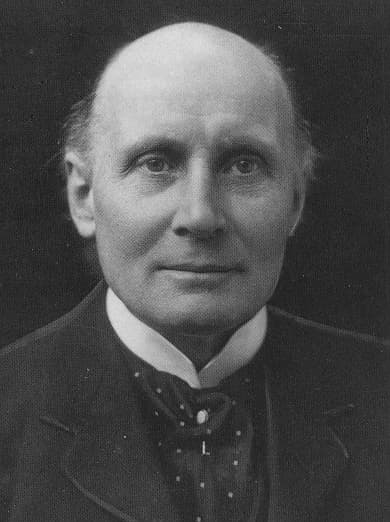
The twentieth century mounted a major challenge to classical impassibility. Process theology (Whitehead, Hartshorne) described God as affected by and developing with the world. After two world wars and the Holocaust, Bonhoeffer wrote from prison that 'only the suffering God can help,' and Moltmann's The Crucified God (1972) located suffering within the triune history of the cross. Passibilist language became widespread without becoming a new ecumenical definition.
Primary source“Only the suffering God can help.”
— Dietrich Bonhoeffer, Letters and Papers from Prison, 1944
How it was received
Open theism (Pinnock, Boyd, 1994) brought the revolt into evangelicalism — God knows all that can be known, but the future free choices of creatures are not there to know — provoking one of the fiercest evangelical controversies of the era.
Key voicesWhitehead & Hartshorne · Bonhoeffer · Jürgen Moltmann · Open theism
1990–today
The classical counter-revolution
What happened
The pendulum swung back. A ressourcement of Aquinas and the fathers — Catholic, Reformed, and Orthodox together — re-argued the old cathedral: a God who changes is a God the world can damage; impassibility is not indifference but the immunity of infinite love to being diminished. Divine simplicity, mocked for a century, became the hot topic of analytic theology.
How it was received
The field today is a genuine three-way conversation — classical theists, modified classical positions ('impassible in nature, not unfeeling'), and relational/open views — every party armed with fathers, philosophers, and proof texts. The oldest doctrine is currently the liveliest.
Key voicesDavid Bentley Hart · James Dolezal · Katherin Rogers · Analytic theology
The present landscape
Where the traditions stand today
Catholic
Classical theism is the doctrinal backbone (simplicity, immutability, eternity — Lateran IV, Vatican I); modern theology explores God's 'suffering-with' without formally revising it.
Orthodox
Classical apophatic theism with the essence–energies distinction: God in essence beyond every attribute-list, truly shared in his energies.
Protestant
Confessions teach classical attributes ('without passions'); the modern spectrum runs from strict classical theism through passibilist mainstream to open theism at the evangelical edge.