The argument through time
History enters the room.
c. 50–200
The rule of faith before the canon
What happened
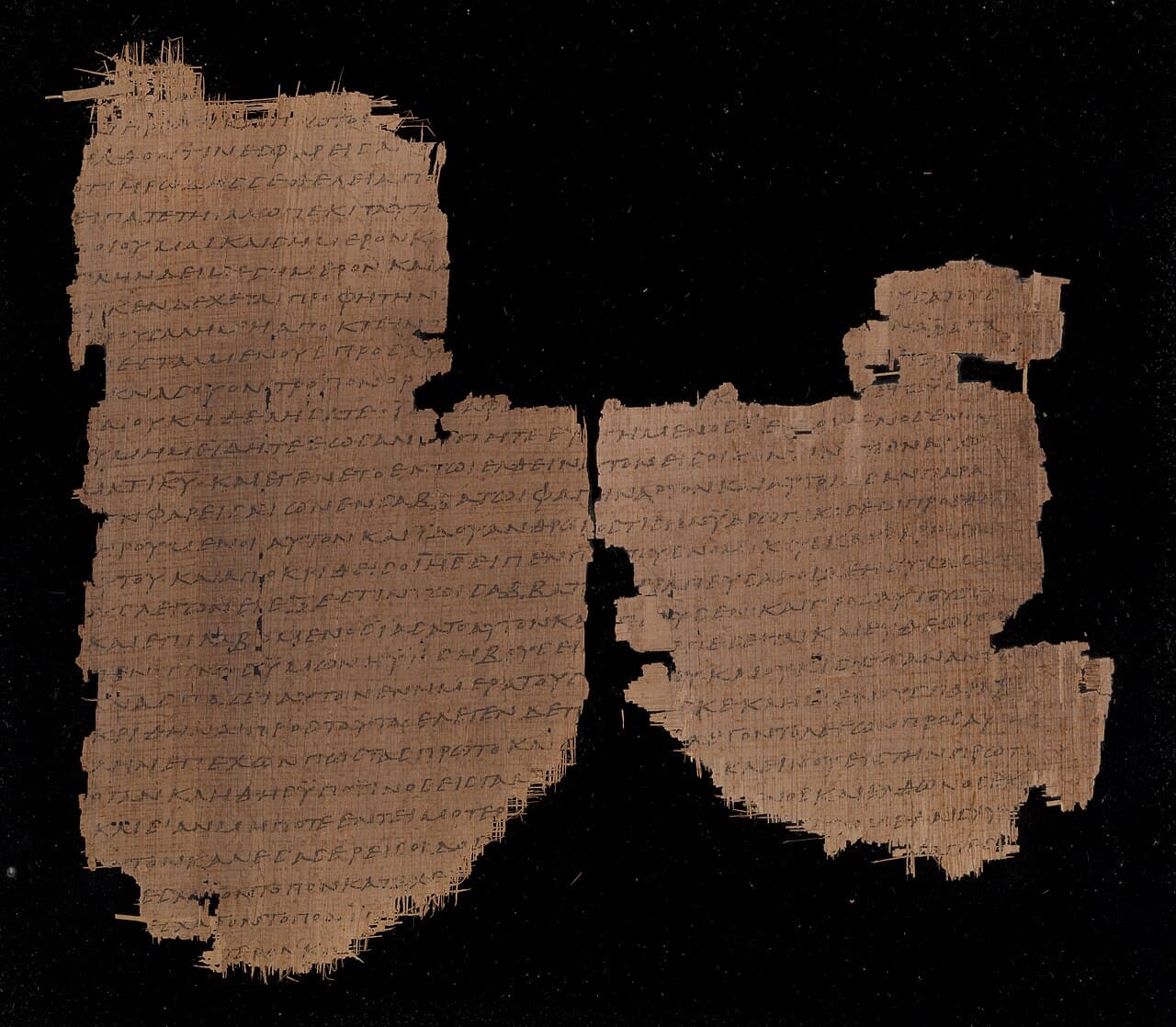
The first Christians' Bible was Israel's Scriptures, read as fulfilled in Christ; apostolic letters and Gospels ('memoirs of the apostles,' Justin calls them) joined them in worship remarkably early. When Marcion promoted a sharply restricted collection (c. 140) — no Old Testament, one edited Gospel, and selected Pauline letters — his challenge helped accelerate the church's clarification of which writings it received as apostolic.
Primary source“…the tradition which the church has received from the apostles, and the apostles from Christ, and Christ from God.”
— Irenaeus, Against Heresies 3, c. 180 (summarized)
How it was received
Against Gnostic reinterpretation, Irenaeus and Tertullian appealed to the rule of faith: the public, summarized apostolic teaching handed down in churches of apostolic foundation. Scripture and tradition here are not rivals but the same deposit in two forms.
Key voicesMarcion · Justin Martyr · Irenaeus · Tertullian
200–420
The canon settles
What happened
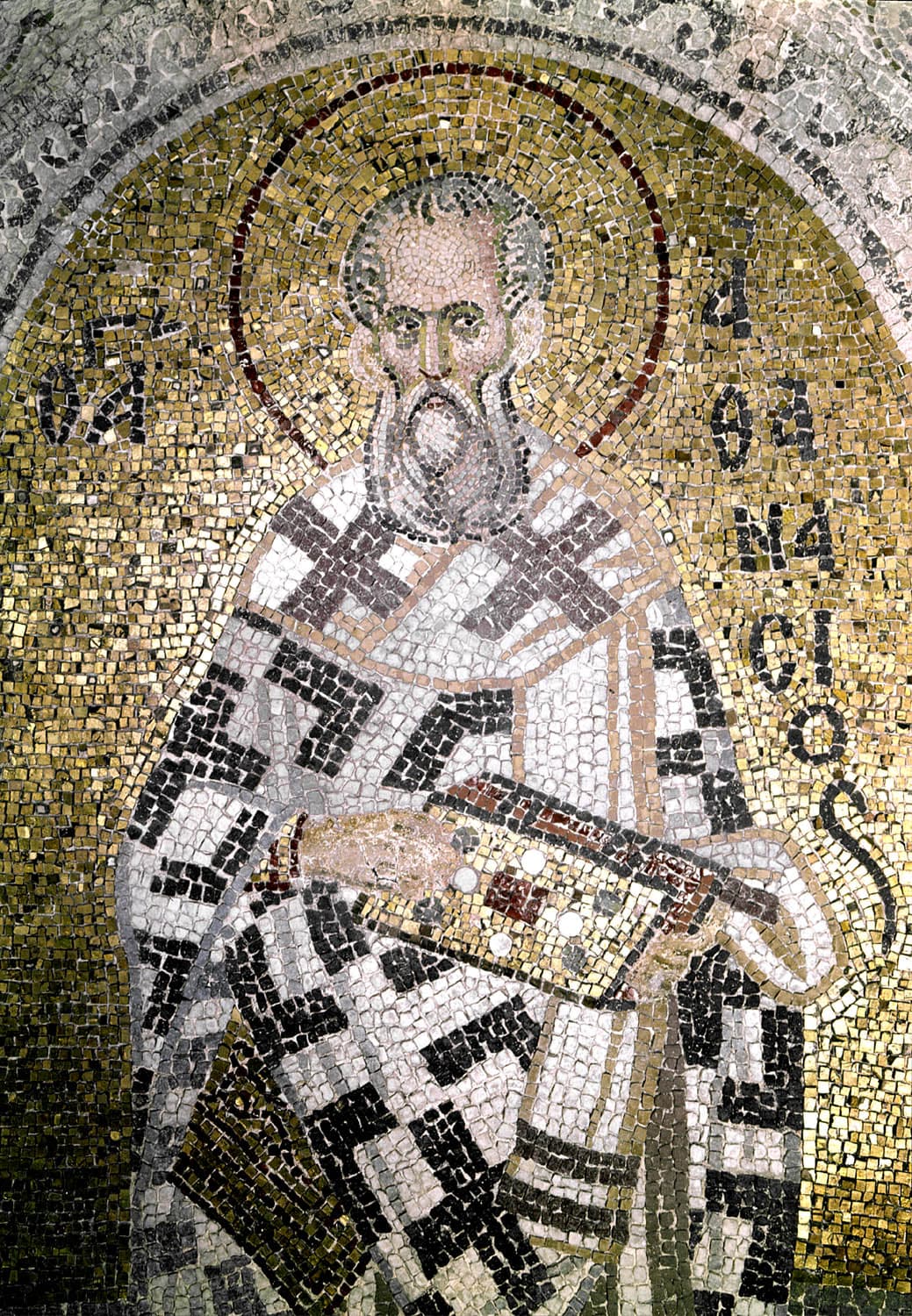
The core — four Gospels and most Pauline letters — was widely received early; the edges (Hebrews, Revelation, and several shorter letters) varied for centuries. Athanasius's Easter letter of 367 gives the first surviving list matching the 27-book New Testament. Regional councils at Hippo (393) and Carthage (397) listed those books with an Old Testament that included deuterocanonical works, although Christian Old Testament canons continued to vary.
How it was received
Jerome, translating the Vulgate, argued the church should prefer the Hebrew canon — books outside it being edifying but not doctrinal. His doubt slept in the margins for eleven centuries, then woke up in Wittenberg. Vincent of Lérins (434) gave tradition its famous test: what has been believed 'everywhere, always, and by all.'
Key voicesAthanasius · Jerome · Augustine · Vincent of Lérins
500–1500
Scripture enthroned — inside the church
What happened
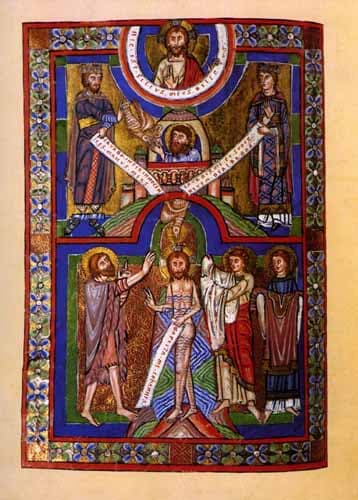
Medieval theology called Scripture the supreme authority, and read it through a fourfold sense — literal, allegorical, moral, anagogical — within the church's teaching. In practice, Scripture, tradition, and church authority formed one seamless garment; the question 'which is higher?' was rarely forced.
How it was received
It was forced by dissenters: Wycliffe (d. 1384) asserted Scripture's authority over popes and councils and inspired an English translation; the church's response — restricting vernacular Bibles, burning translators like Tyndale later — made Bible access itself a reformation issue.
Key voicesFourfold sense · John Wycliffe · Jan Hus
1517–1546
Sola scriptura and Trent's two streams
What happened
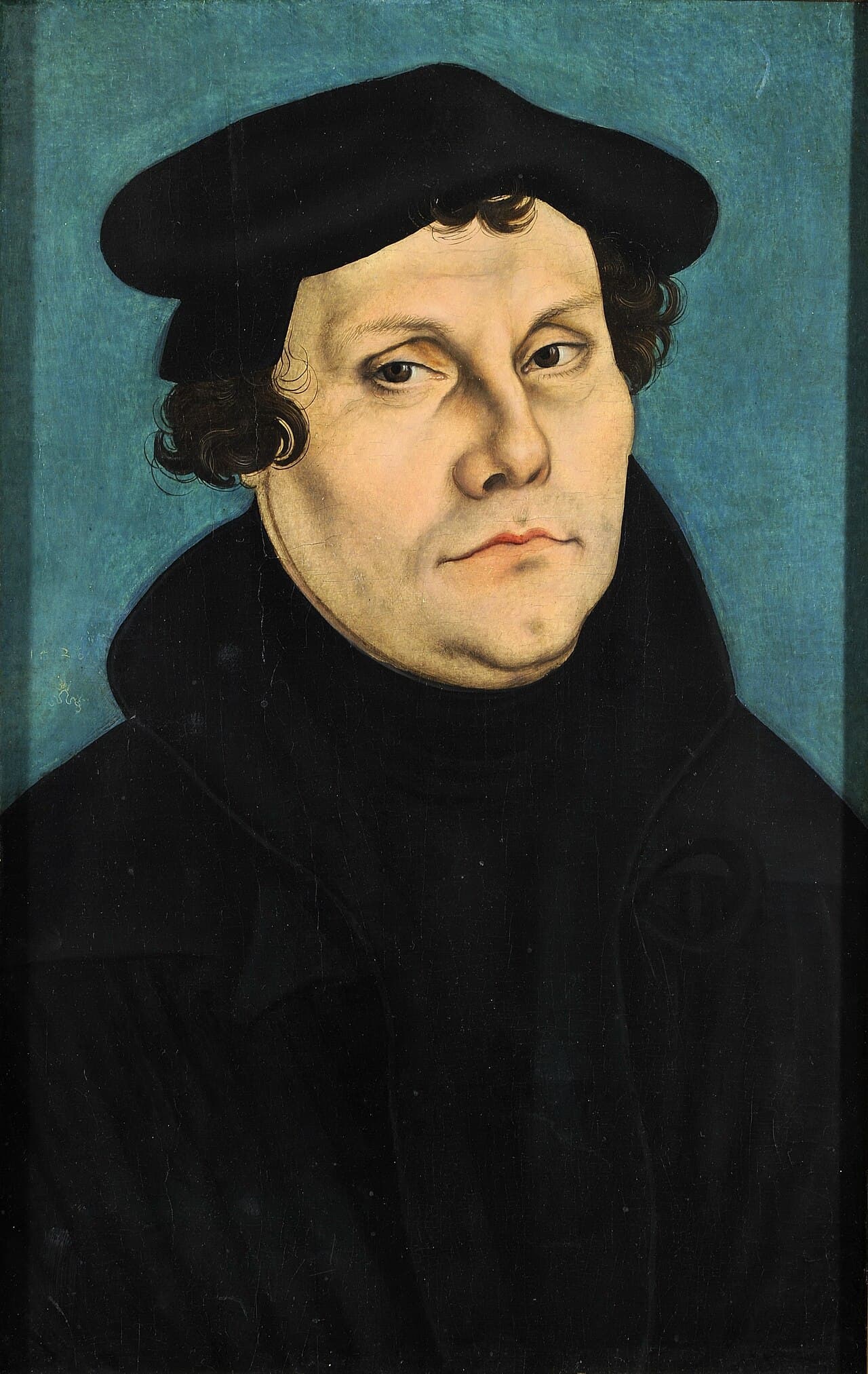
Pressed at Worms to recant, Luther made Scripture the only infallible norm: popes and councils can err. Sola scriptura never meant Scripture as the only resource — the Reformers quoted the fathers constantly — but as the only unappealable court. Its corollaries: Scripture's essential clarity, and the Bible in every language. Protestants also trimmed the canon to the Hebrew Old Testament, demoting the deuterocanon to 'apocrypha.'
Primary source“Unless I am convinced by the testimony of the Scriptures or by clear reason… I am bound by the Scriptures I have quoted, and my conscience is captive to the Word of God.”
— Luther at the Diet of Worms, 1521
How it was received
Trent answered (1546): the gospel is contained in written books and unwritten traditions received from the apostles, both to be honored 'with equal affection of piety' — and the church's magisterium is Scripture's authentic interpreter.
Key voicesMartin Luther · William Tyndale · Council of Trent
1650–1978
Criticism, crisis, and inerrancy
What happened
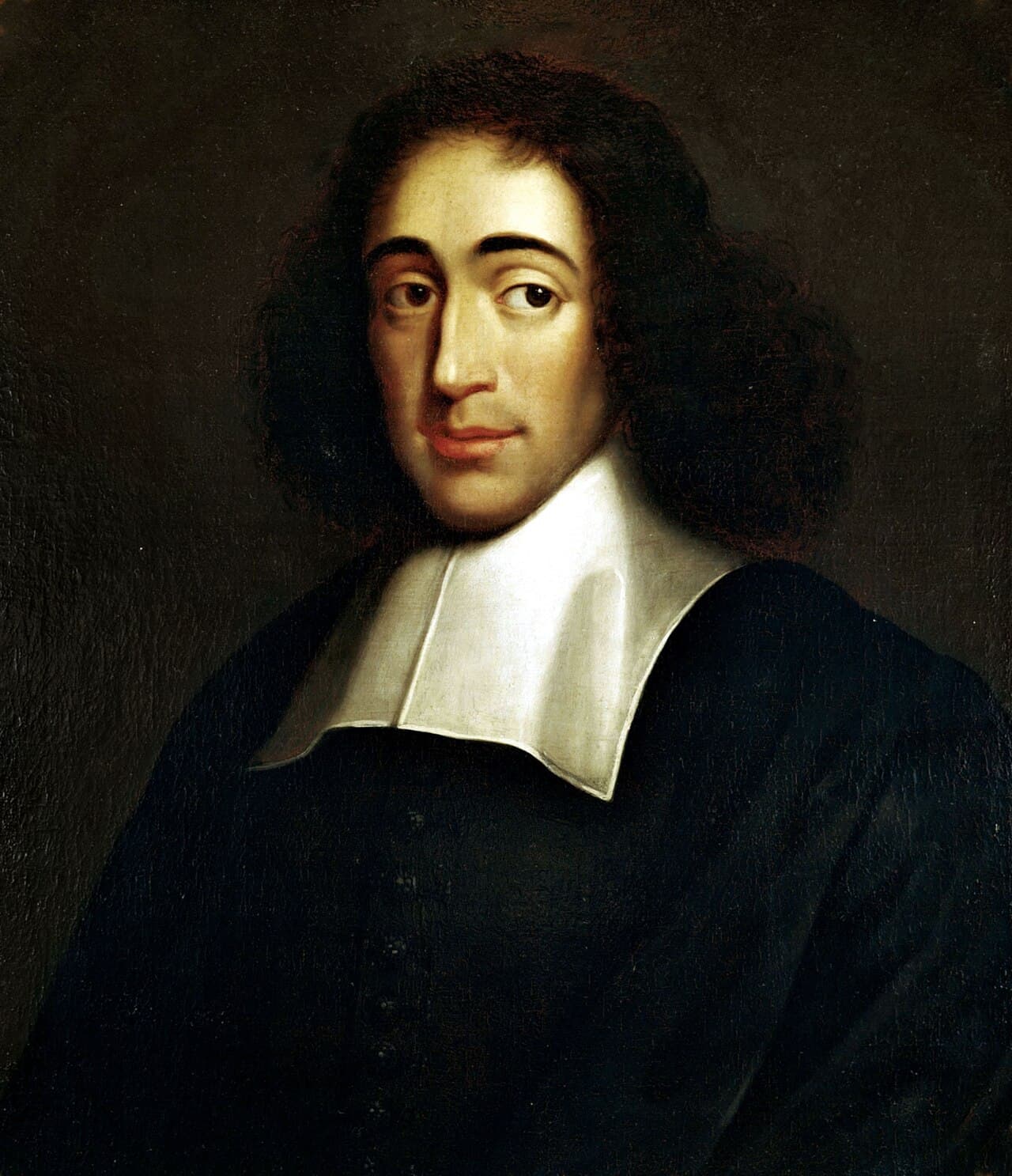
The rise of historical-critical scholarship — Spinoza, then the German universities — read the Bible 'like any other book,' unsettling traditional authorship, dating, and history. Churches split over the results: modernists embraced them; Princeton theologians answered with a tightened doctrine of verbal inspiration and inerrancy in the original autographs.
How it was received
The fundamentalist–modernist controversies (1920s) and the Chicago Statement on Biblical Inerrancy (1978) mark the Protestant fault line that persists today: infallible for salvation, or inerrant in all it affirms?
Key voicesSpinoza · Wellhausen · B.B. Warfield · Chicago Statement 1978
1965–today
One wellspring: the convergence
What happened
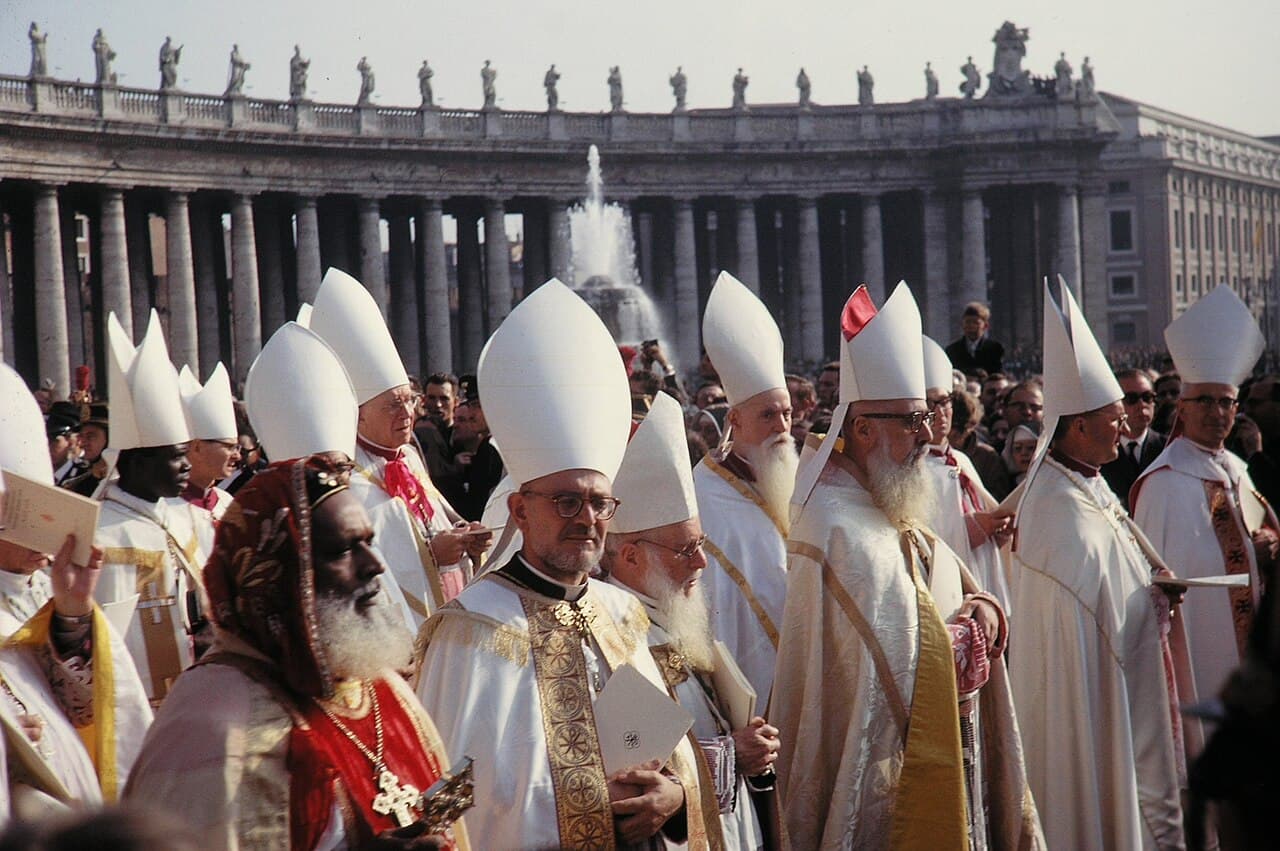
Vatican II's Dei Verbum (1965) declined a simple 'two independent sources' account of Trent: Scripture and Tradition flow 'from the same divine wellspring' and form 'one sacred deposit,' with the magisterium 'not above the word of God, but its servant.' Together with earlier twentieth-century reforms, the council gave Catholic biblical scholarship broad official encouragement.
Primary source“Sacred Tradition and Sacred Scripture form one sacred deposit of the word of God, committed to the Church.”
— Vatican II, Dei Verbum 10, 1965
How it was received
Protestant theology, for its part, increasingly admits that no one reads Scripture without tradition — creeds, confessions, and community shape every reading. The positions remain distinct, but each has moved toward the other's best insight: the Bible is the church's book, and the church sits under it.
Key voicesVatican II · Ecumenical study of Scripture
The present landscape
Where the traditions stand today
Catholic
Scripture and Tradition, one deposit from one wellspring, authentically interpreted by the magisterium; the canon includes the deuterocanonical books.
Orthodox
Scripture lives within Holy Tradition — creed, liturgy, fathers, councils, icons — as its heart, not its rival; the church in council is the interpreter.
Protestant
Scripture alone is the final, infallible norm ('the norm that norms all norms'); creeds and tradition are honored but reformable. Internal divide: inerrancy vs. infallibility-for-salvation.