The argument through time
History enters the room.
c. 50–100
'Be perfect' — and the wretched man
What happened
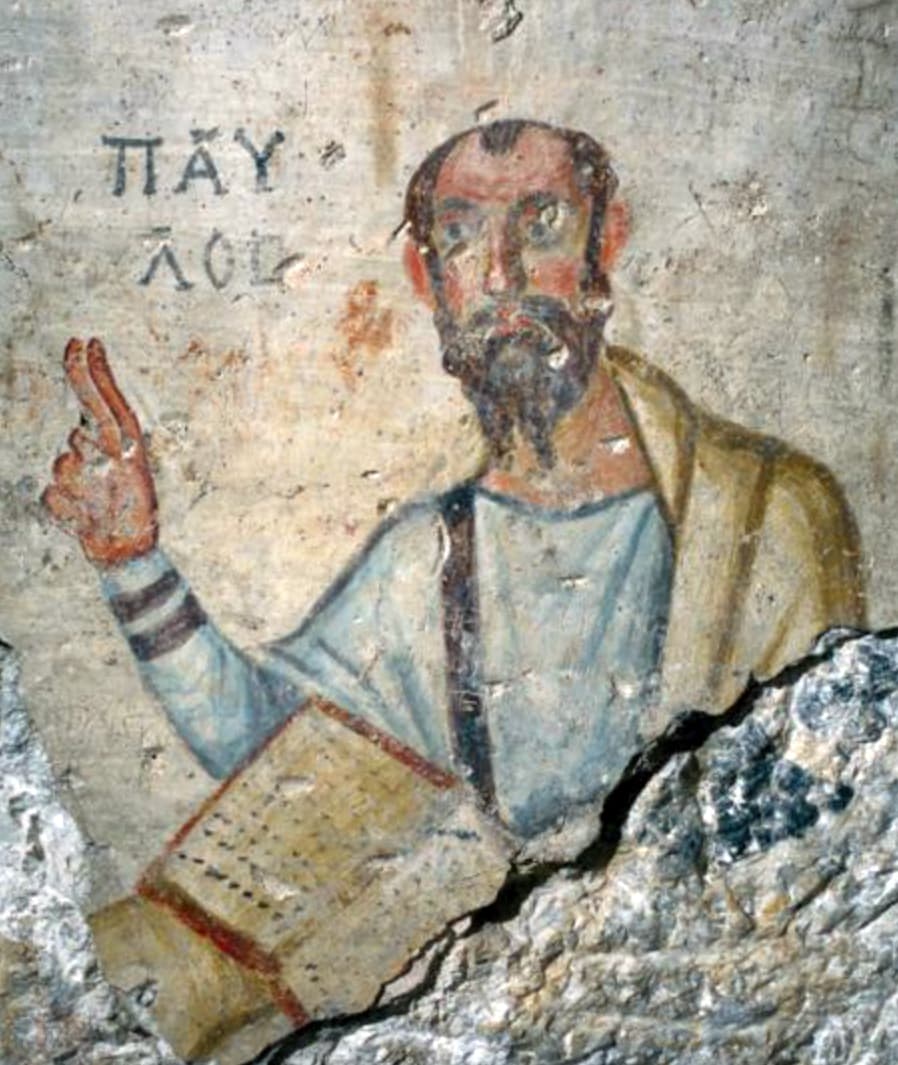
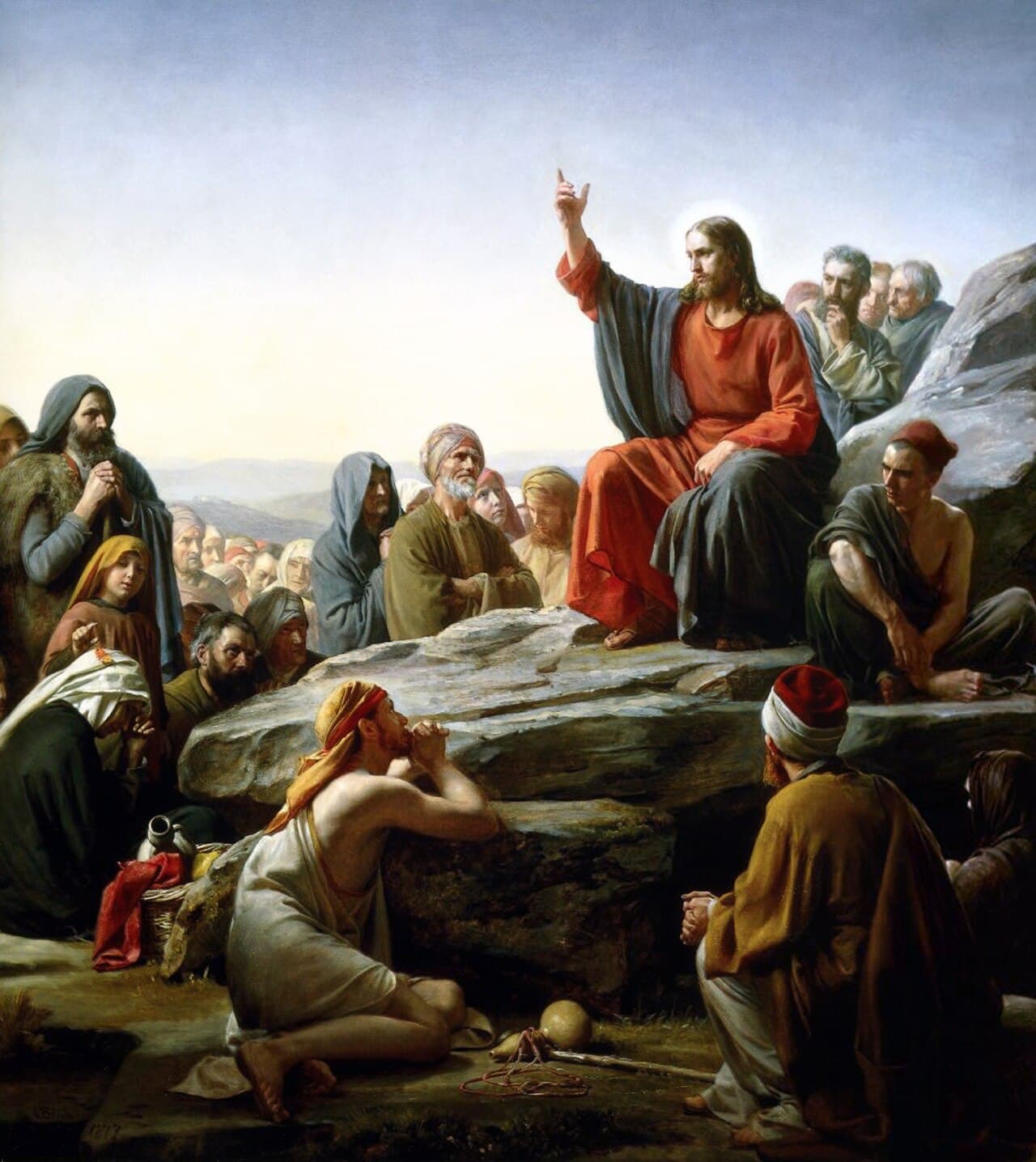
The New Testament sets an audacious bar — 'be perfect, as your heavenly Father is perfect'; 'without holiness no one will see the Lord' — while portraying saints who quarrel, lapse, and need warning. The warnings themselves became battlegrounds: Hebrews 6 (impossible to restore the fallen) versus John 10 ('no one will snatch them out of my hand').
How it was received
Romans 7's anguished 'the good I want to do, I do not do — wretched man that I am!' is the doctrine's Rorschach test: is that Paul before Christ (so the optimists about grace's power) or the mature apostle (so the realists)? Augustine changed his answer mid-career — from before to after — and the church has toggled ever since.
Key voicesMatthew 5:48 · Romans 7 · Hebrews 6
100–500
Rigorism, martyrs, monks
What happened
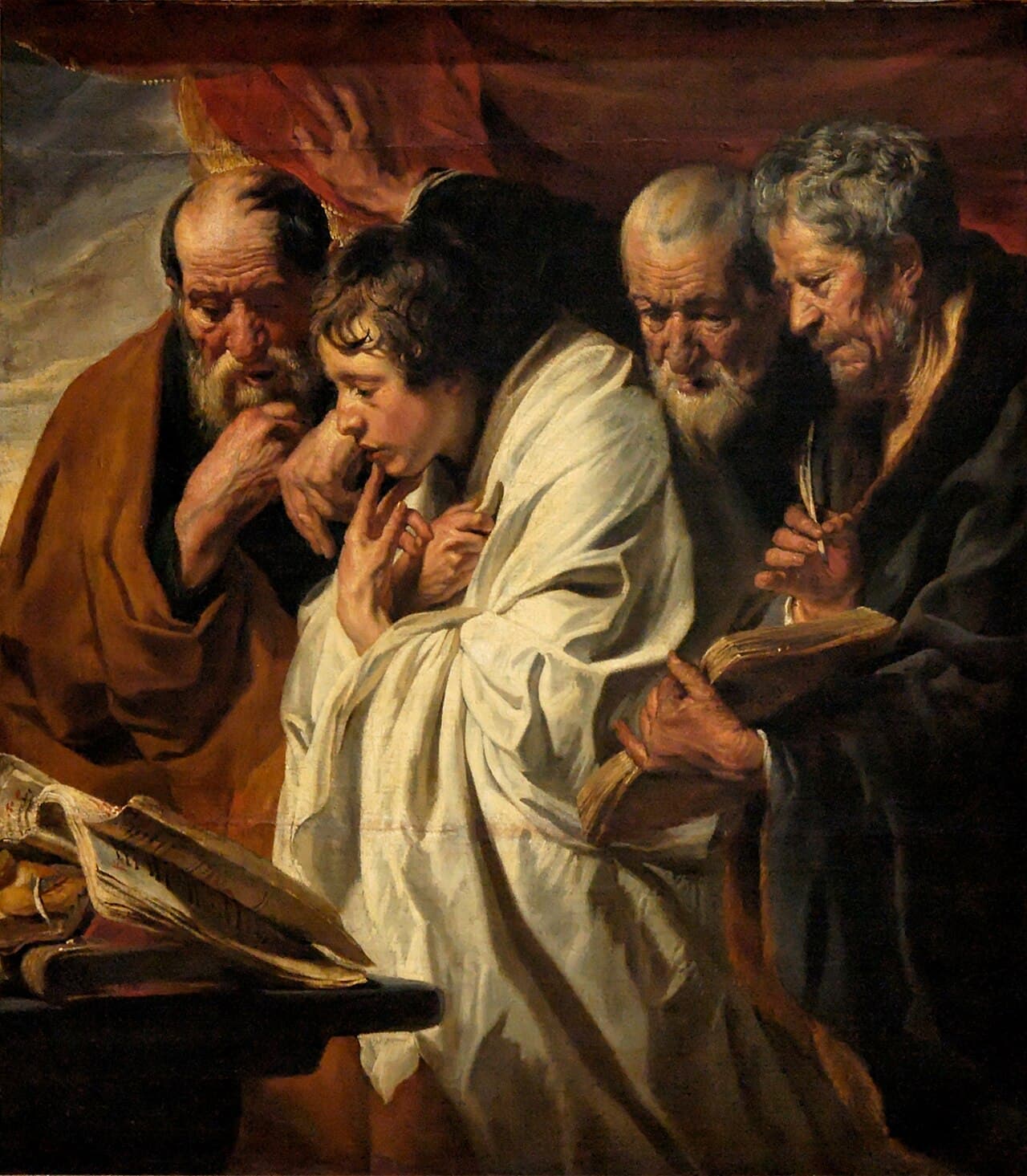
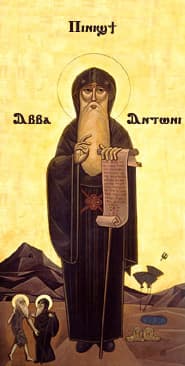
The early church expected baptism to change lives visibly and treated serious post-baptismal sin as a crisis — hence deathbed baptisms, and the slow invention of penance as 'a second plank after shipwreck.' Perfection had a public face: first the martyr, then, when martyrdom ended, the monk. The desert fathers turned holiness into a discipline with a literature; Cassian carried it west.
Primary source“The perfection of the just in this life consists in this: to know that they are not yet perfect.”
— Augustine (adapted from Sermon 170 / On the Perfection of Human Righteousness), c. 415
How it was received
Augustine set the Western ceiling: in this life even the saints pray 'forgive us our debts'; perfection is for glory, and — against the Pelagians — final perseverance is itself a gift, not an achievement, and no one can be certain of it. Grace all the way down, assurance strictly limited.
Key voicesDesert Fathers · John Cassian · Augustine

500–1500
The two-tier church: counsels of perfection
What happened
The medieval settlement split the calling: commandments for all Christians, 'counsels of perfection' (poverty, chastity, obedience) for the religious. Holiness professionalized into the monastery and mapped into ladders — Benedict's degrees of humility, the mystics' purgation-illumination-union, Bernard's degrees of love.
How it was received
The distinction produced demanding traditions of ascetic holiness, but critics argued that it could imply a two-tier church in which vowed religious pursued a 'state of perfection' unavailable to ordinary callings. The Reformers' teaching on vocation and the priesthood of all believers directly challenged that hierarchy of states.
Key voicesBenedict · Bernard of Clairvaux · The mystics
1517–1650
Simul iustus, real change, and the perseverance split
What happened
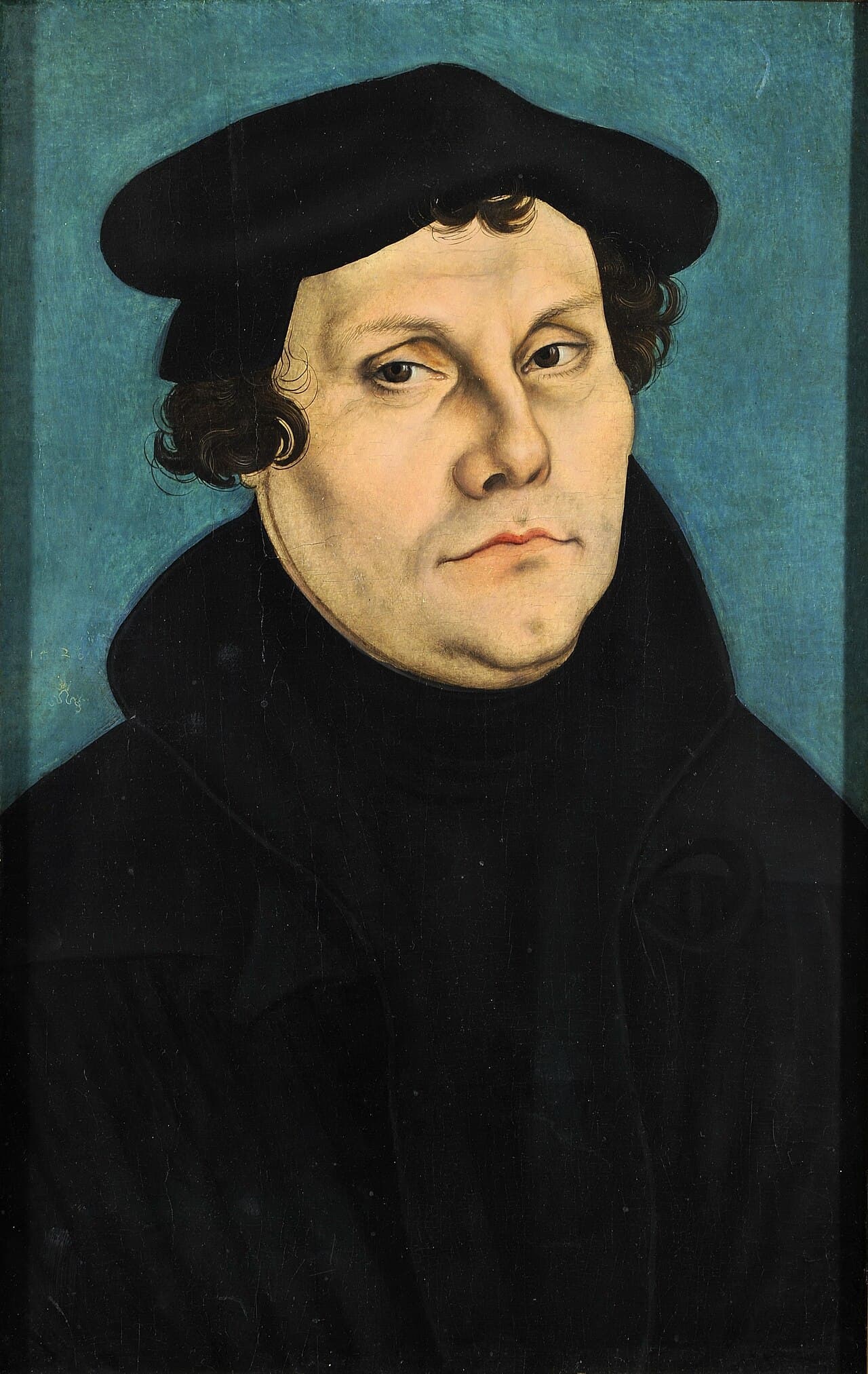
The Reformers relocated perfection into Christ: the believer is fully righteous by imputation and a lifelong sinner in fact — sanctification is real, progressive, and never complete this side of death; Calvin called the Christian life a race run 'with continual, though sometimes slow, progress.' Vocation replaced the cloister: the farm and the nursery became sites of holiness.
How it was received
On perseverance they divided. Calvin: the elect cannot finally fall — assurance is grace's gift (Westminster added: an assurance that can be shaken but not lost). Lutherans and later Arminians: true believers can make shipwreck of faith; Trent: no one may presume certainty of perseverance without special revelation. The 'once saved, always saved' argument was fully formed by 1619 (Dort's fifth point) and has not moved since.
Key voicesMartin Luther · John Calvin · Synod of Dort · Council of Trent
1725–1900
Wesley's perfection and the Holiness explosion
What happened
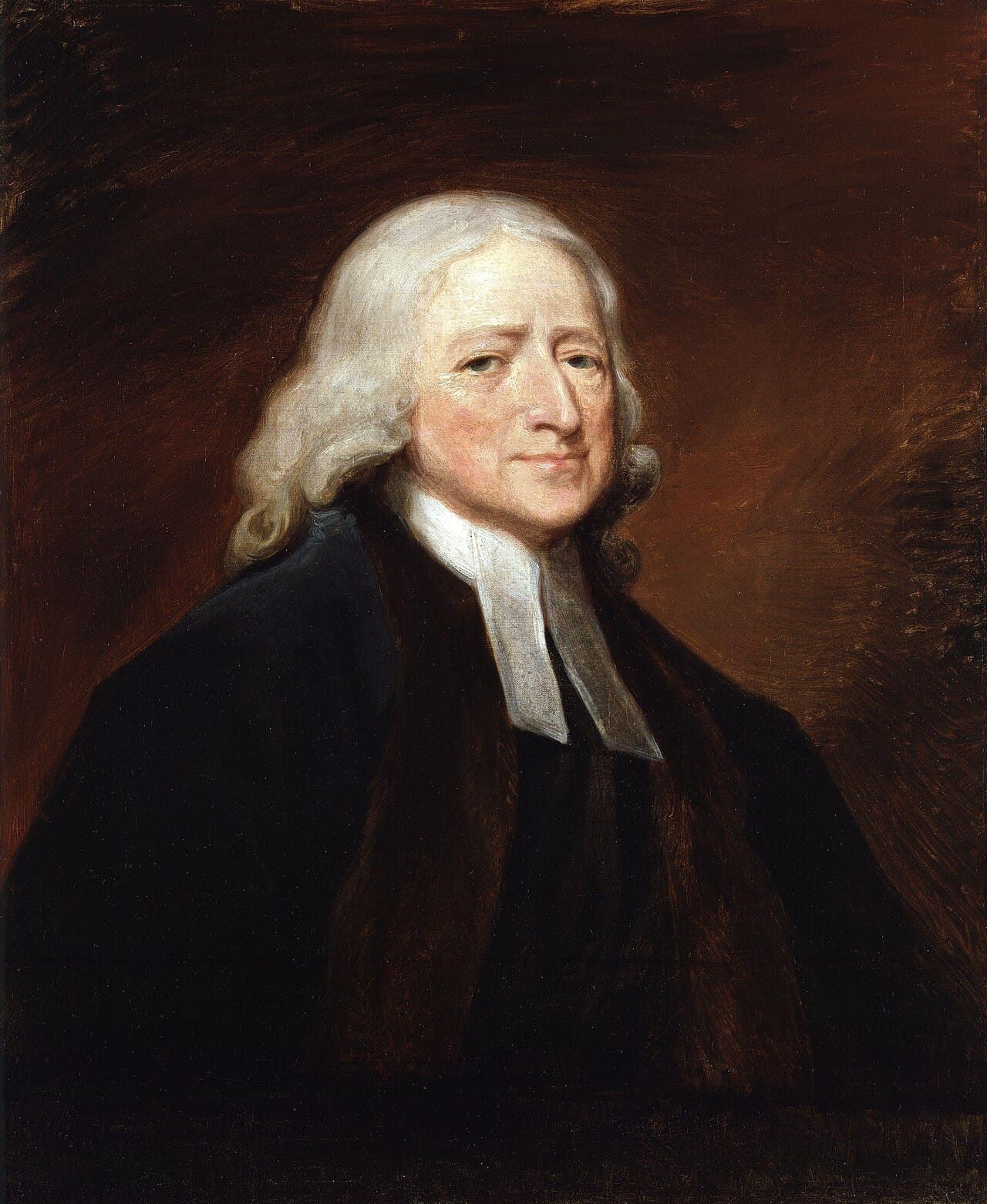
John Wesley preached what the magisterial Reformation had ruled out: 'Christian perfection' — not sinless flawlessness but a heart so filled with love of God and neighbor that willful sin is expelled, receivable in this life as a second work of grace. He claimed witnesses, catalogued them, and armed Methodism with a doctrine of expectation.
Primary source“By perfection I mean the humble, gentle, patient love of God and our neighbour, ruling our tempers, words, and actions.”
— John Wesley, A Plain Account of Christian Perfection, 1766
How it was received
The nineteenth-century Holiness movement spread the teaching through camp meetings and Phoebe Palmer's 'altar theology,' while the Keswick conventions offered a different 'higher life' account of victory by surrender. Early Pentecostalism emerged partly from this Holiness and revivalist soil, although Reformed and finished-work Pentecostals soon rejected a uniform Wesleyan sequence of grace.
Key voicesJohn Wesley · Phoebe Palmer · Keswick conventions
1937–today
Costly grace and the formation renaissance
What happened
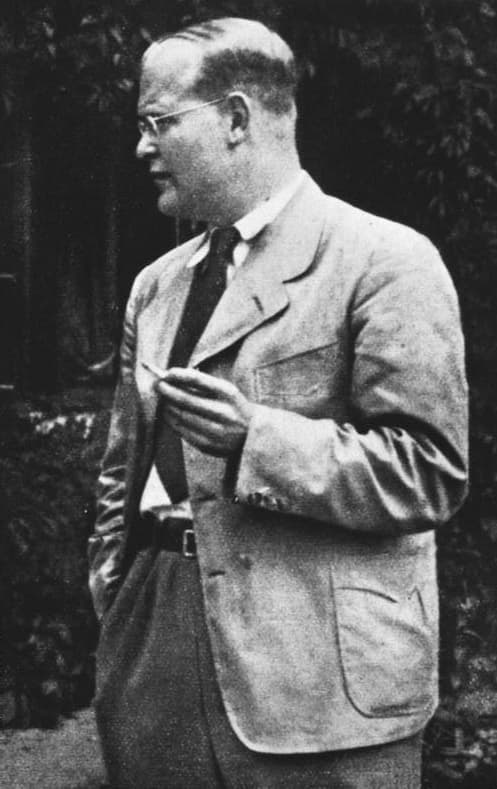
Bonhoeffer's The Cost of Discipleship (1937) indicted 'cheap grace' — forgiveness without repentance, baptism without obedience — and gave the twentieth century its sanctification conscience. Late-century evangelicalism, alarmed by conversion without change, staged a 'spiritual formation' renaissance (Dallas Willard, Richard Foster's Celebration of Discipline, 1978) that quietly repatriated monastic practices — silence, fasting, examen — into Protestant life.
Primary source“Cheap grace is the preaching of forgiveness without requiring repentance… grace without discipleship, grace without the cross.”
— Dietrich Bonhoeffer, The Cost of Discipleship, 1937
How it was received
Popular debate often compresses the issue into 'once saved, always saved' versus 'losing your salvation,' obscuring the Reformed claim that preserved saints are known by persevering. Across traditions there is broad agreement that saving faith and a life wholly untouched by repentance or love do not belong together, but explanations of that relationship remain different.
Key voicesDietrich Bonhoeffer · Dallas Willard · Richard Foster
The present landscape
Where the traditions stand today
Catholic
Sanctification is justification's continuation — growth in infused grace and charity toward the perfection of the saints; final perseverance is a grace to be prayed for, not presumed.
Orthodox
The whole Christian life is theosis — ascetical, sacramental, unending growth into God; the saints show the destination. Falling away is possible; despair is forbidden.
Protestant
Reformed: definite sanctification with preserved saints. Wesleyan/Holiness: entire sanctification available now. Lutheran: simul iustus et peccator to the end. All agree: no fruit, no root.