The argument through time
History enters the room.
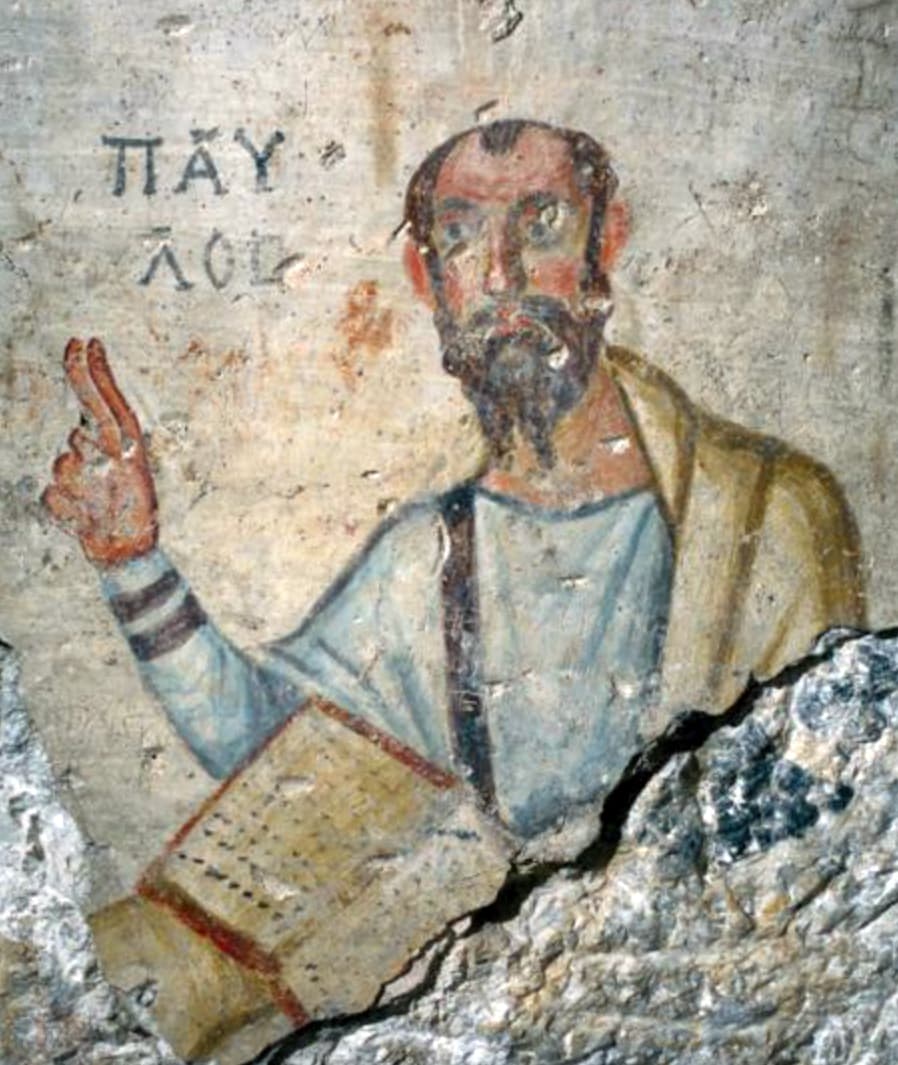
c. 55–180
Romans 9 — and the early defense of freedom
What happened
Paul supplies the flashpoints: chosen 'before the foundation of the world' (Eph 1), 'Jacob I loved' and the potter's clay (Rom 9) — alongside 'God desires all to be saved' (1 Tim 2:4). The tension is native to the text.
Primary source“Unless the human race have the power of avoiding evil and choosing good by free choice, they are not accountable for their actions.”
— Justin Martyr, First Apology 43, c. 155
How it was received
The earliest fathers, fighting pagan fatalism and Gnostic determinism, threw their weight behind free will: Justin insists that unless choice is real, praise and blame are meaningless. Many early fathers explained election through divine foreknowledge while emphasizing genuine human choice, rather than developing Augustine's later account of efficacious predestining grace.
Key voicesPaul · Justin Martyr · Origen
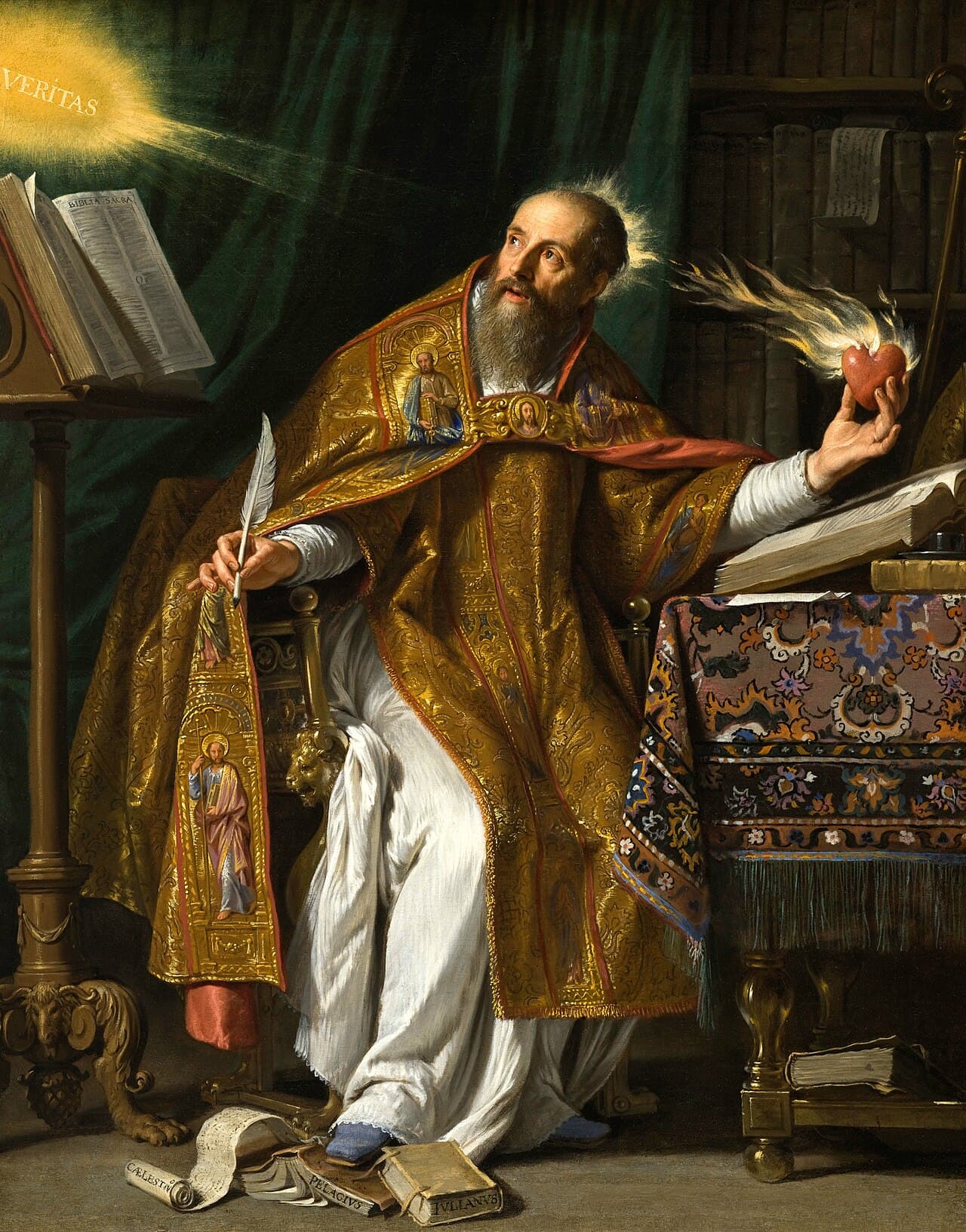
412–529
Augustine's revolution — and Orange's settlement
What happened
Against Pelagius, Augustine concluded that fallen humans cannot even want God without grace — and that God, from the 'mass of perdition,' mercifully elects some to salvation, for reasons hidden in himself. Late in life he faced the monks' anguished objections (what of effort? of preaching?) and did not blink.
How it was received
The Council of Orange (529) canonized the moderate core: grace initiates everything, even the first stirring of faith — but it stopped short of double predestination, and explicitly denied that anyone is predestined to evil. That careful halfway house governed the West for centuries.
Key voicesAugustine · Pelagius · Council of Orange
840s–860s
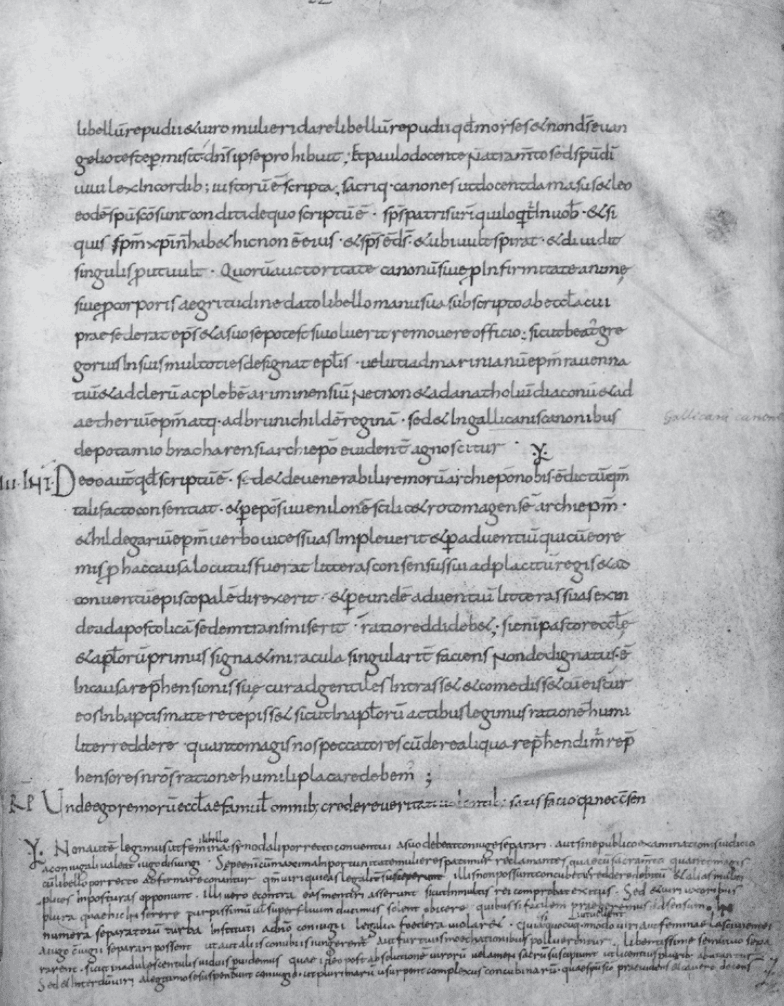
Gottschalk: the monk who said it out loud
What happened
The Saxon monk Gottschalk drew Augustine's severest conclusion — God predestines both the elect to life and the reprobate to punishment — and preached it across Europe. Hincmar of Reims had him condemned, defrocked, flogged, and imprisoned until death.
How it was received
The affair showed the medieval church's settled instinct: full Augustinianism was technically defensible from Augustine, and pastorally intolerable. The tension was managed, not resolved.
Key voicesGottschalk of Orbais · Hincmar of Reims · John Scotus Eriugena
1524–1619
Bondage of the will; TULIP at Dort
What happened
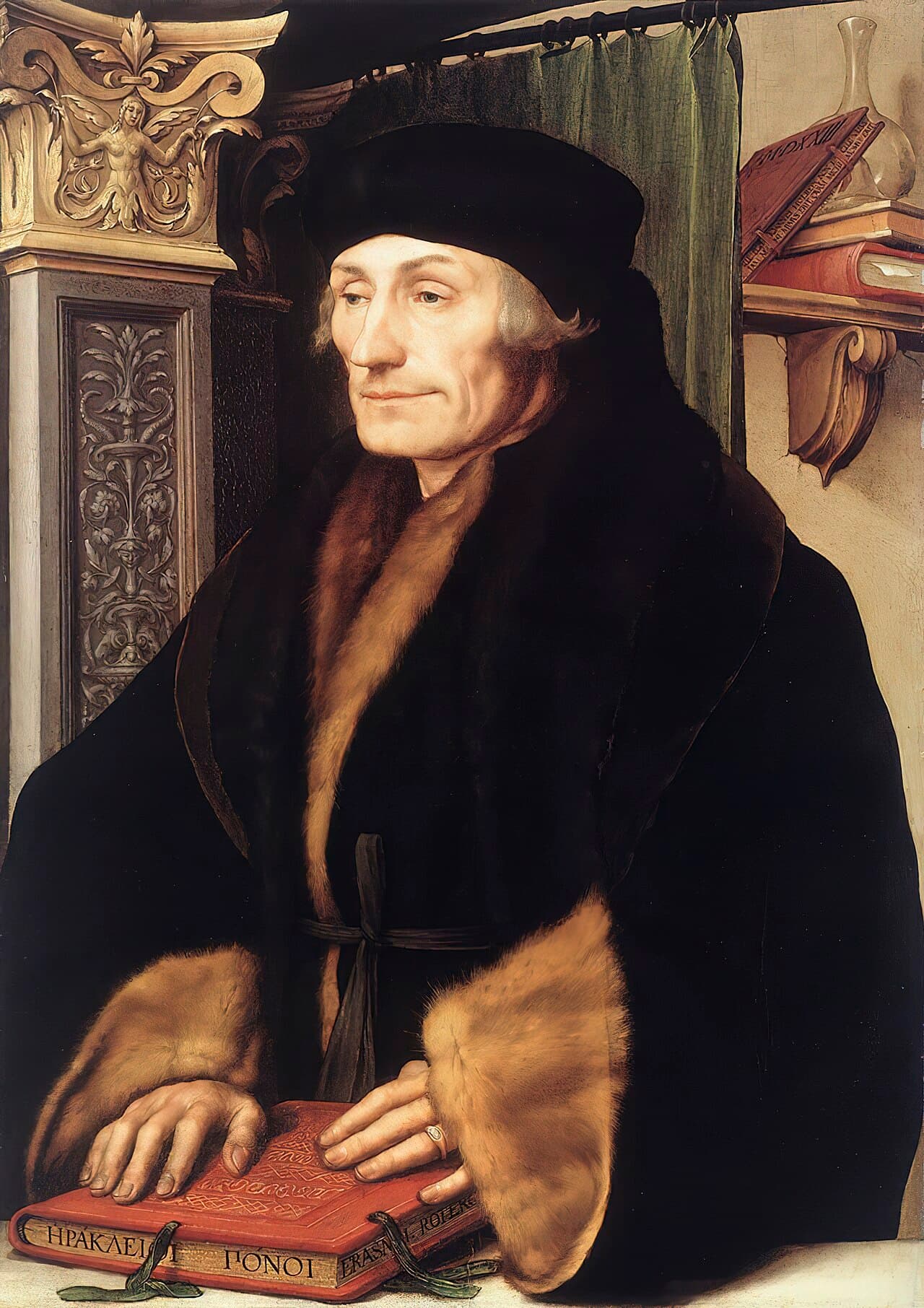
Erasmus, urbane and moderate, defended free choice; Luther's answer, The Bondage of the Will (1525) — which he counted his best book — declared the will captive until grace frees it. Calvin taught double predestination with unusual candor, calling it the decretum horribile, the dreadful decree, yet refusing to soften what he found in Scripture.
Primary source“The decree is dreadful indeed, I confess.”
— Calvin, Institutes 3.23.7, on the decree of reprobation
How it was received
Within the Reformed world, Arminius and the Remonstrants proposed conditional election and resistible grace. The Synod of Dort (1618–19) rejected the five Remonstrant articles; the English mnemonic TULIP came much later. Arminian theology nevertheless became highly influential through Methodism, Holiness churches, Pentecostalism, and other Protestant movements.
Key voicesErasmus · Martin Luther · John Calvin · Synod of Dort
1730–1800s
Wesley vs. Whitefield: the evangelical split
What happened
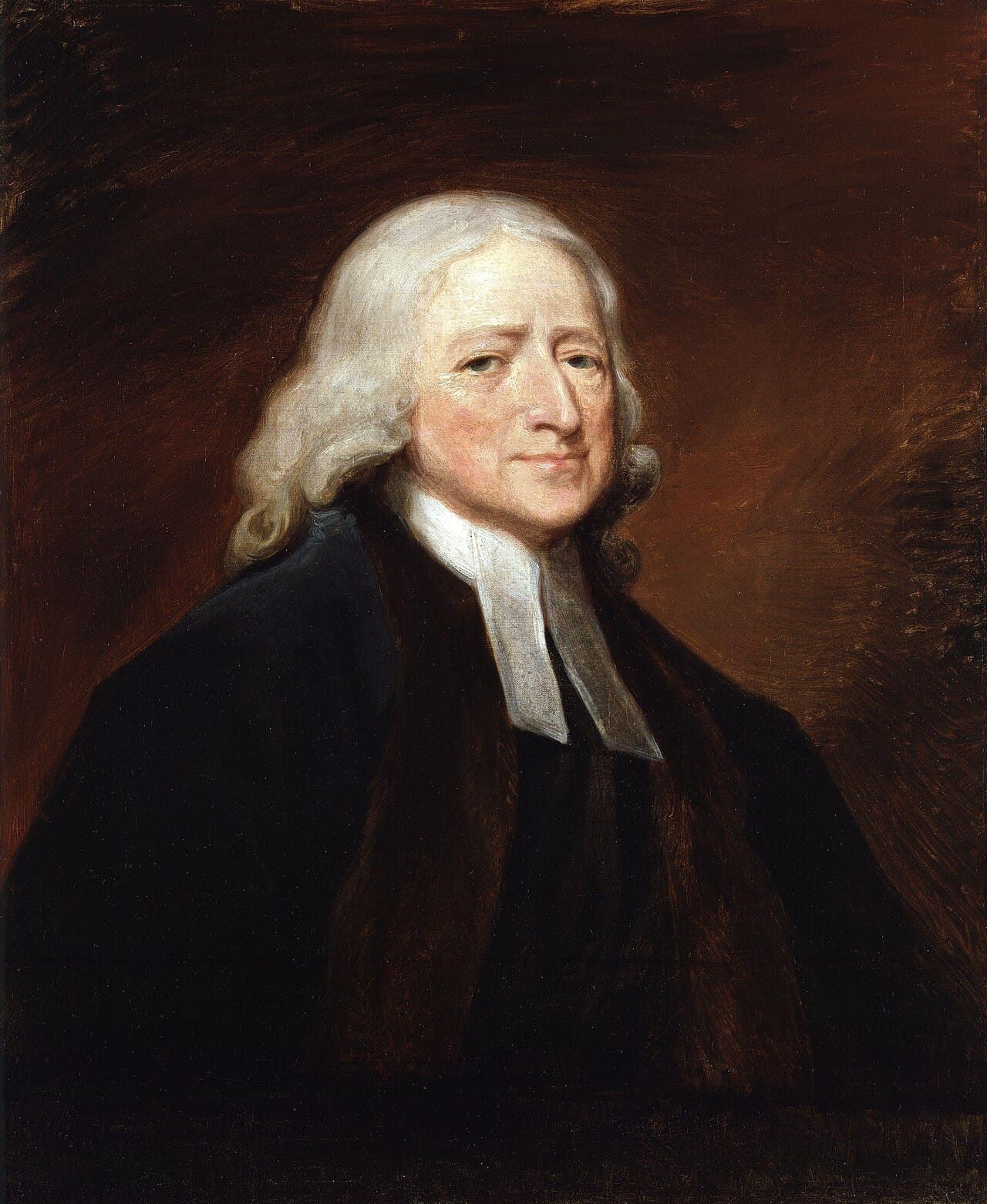
The evangelical revival ran on both engines: Whitefield and Edwards preached Calvinist grace; Wesley preached 'free grace' for all, and printed against predestination as making God worse than the devil. The friends divided; Methodism carried Arminianism around the world.
How it was received
In America, the Second Great Awakening's revivalism (Finney) was practically Arminian even where confessions were Calvinist — the altar call presumes the will can answer.
Key voicesJohn Wesley · George Whitefield · Jonathan Edwards · Charles Finney
1920–today
Barth's reversal, Molinism's return, open theism
What happened
Karl Barth rewrote election Christologically: Jesus Christ is both the electing God and the elected — and the rejected — man; in him God chooses grace for humanity, and reprobation falls on God himself at the cross. Whether this entails universal salvation Barth declined to say; the doctrine's center of gravity had moved regardless.
How it was received
Analytic philosophy revived Molinism (God's 'middle knowledge' of what free creatures would do — Luis de Molina's 16th-century proposal) as a reconciling device, while open theists argued God chose not to know future free choices — provoking evangelical expulsions and a fresh round of the oldest debate. The 'young, restless, Reformed' movement, meanwhile, made five-point Calvinism cool again.
Key voicesKarl Barth · Luis de Molina · Alvin Plantinga · Open theism debate
The present landscape
Where the traditions stand today
Catholic
Grace is absolutely prior and predestination to glory is real (Orange, Aquinas), but no one is predestined to evil; how grace and freedom mesh (Thomist vs. Molinist) is left officially open.
Orthodox
Synergism: grace and free will genuinely cooperate; predestination is according to foreknowledge. Augustinian and Calvinist determinism are rejected.
Protestant
Reformed churches confess unconditional election (with differing accounts of reprobation); Lutherans teach election to salvation without a symmetrical decree to damnation; Methodists, Arminians, many Baptists, and many Pentecostals teach conditional election and resistible grace. Baptists themselves include substantial Calvinist and non-Calvinist streams.