The argument through time
History enters the room.
c. 50–100
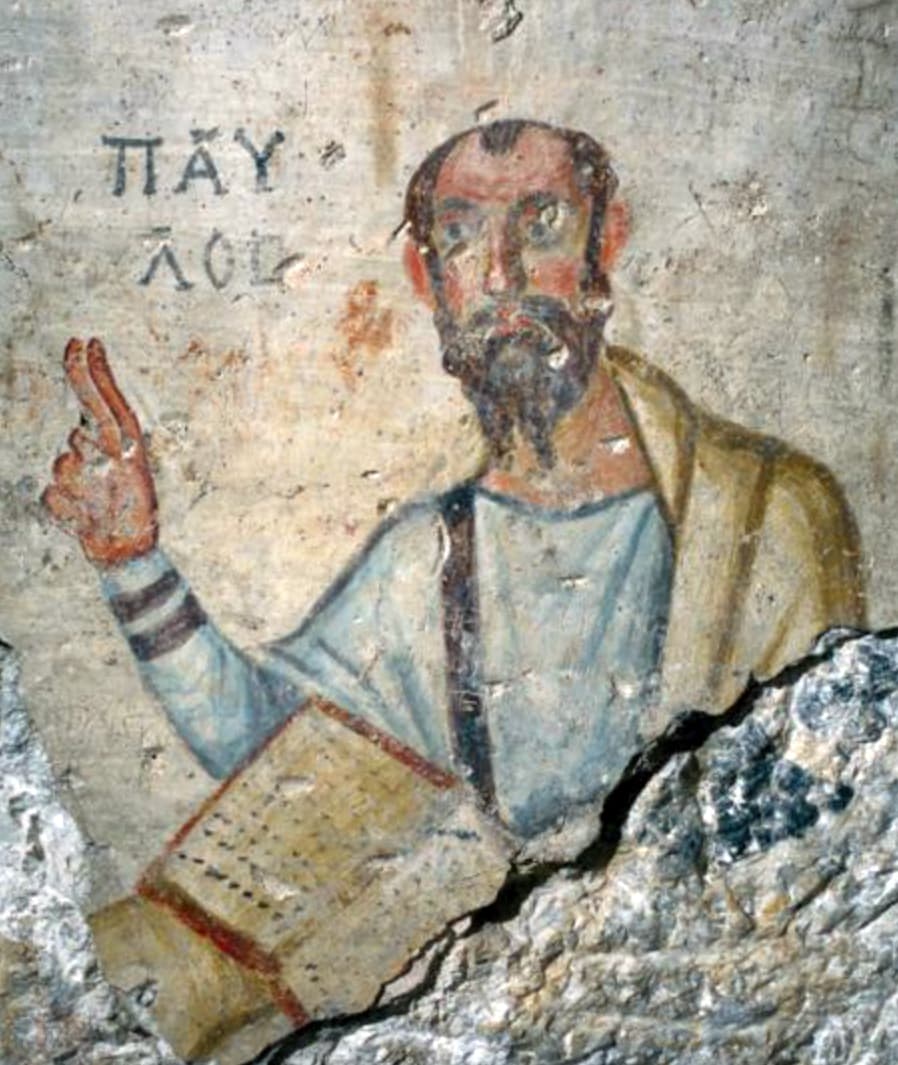
Paul and James
What happened
Paul: a person is justified by faith apart from works of the law (Romans 3:28). James: a person is justified by works and not by faith alone (James 2:24) — the only place 'faith alone' appears in the Bible, with a 'not' in front of it. Every later position is an attempt to hold these together: same words, different questions, said the harmonizers; a real tension, said others (Luther famously called James 'an epistle of straw' in a moment of exasperation).
How it was received
The apostolic fathers mix the languages freely — Clement of Rome praises justification by faith and urges works within a page — with no felt contradiction. The precision came later, under pressure.
Key voicesPaul · James · Clement of Rome
386–430
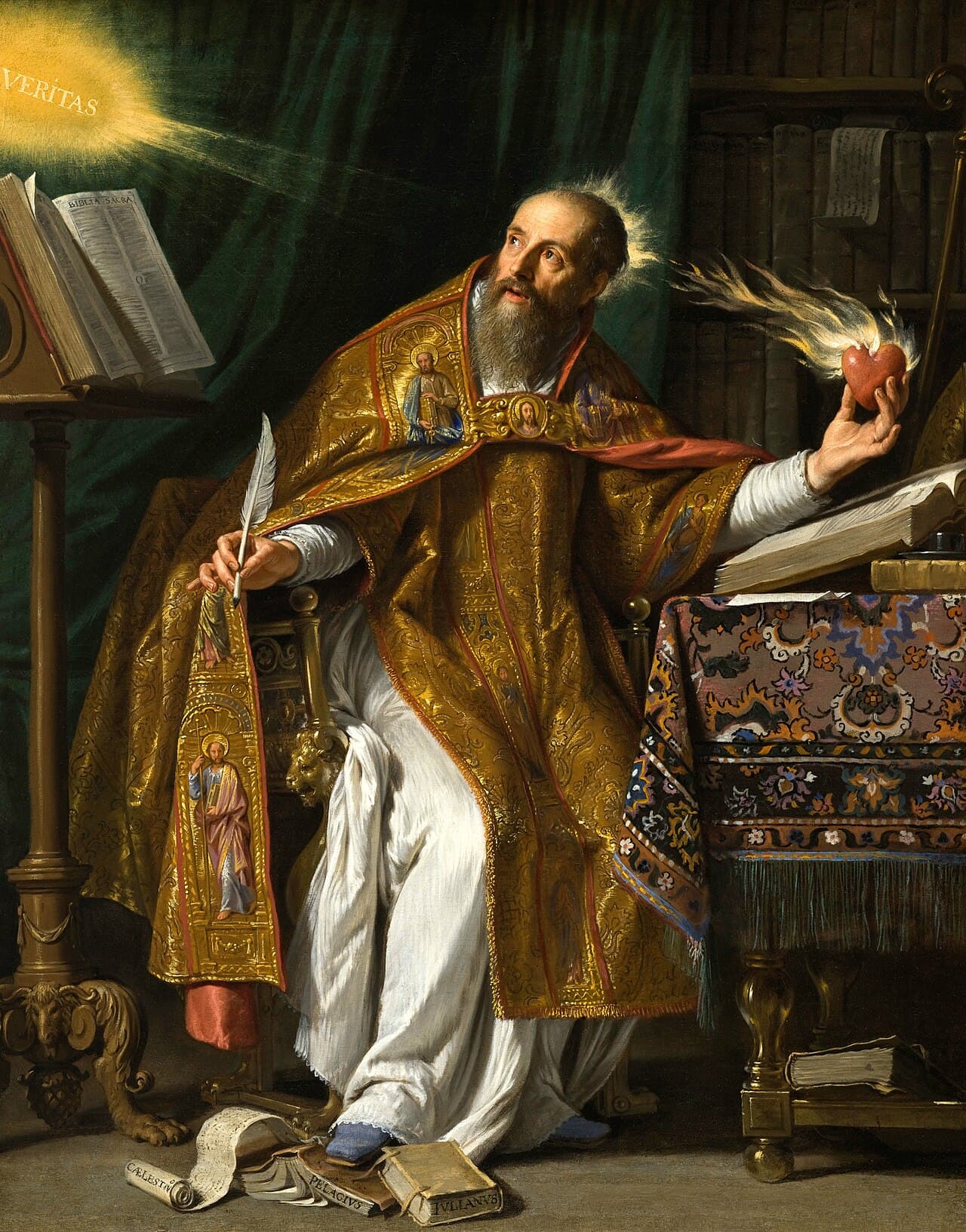
Augustine vs. Pelagius: everything is grace
What happened
Pelagius, a moral reformer, taught that God's commands imply ability: humans can obey, grace helps. Augustine answered from his own experience of helplessness: the will itself is sick; grace must go before (prevenient), heal, and enable — even the merits of the saints are 'God crowning his own gifts.'
Primary source“When God crowns our merits, he crowns nothing but his own gifts.”
— Augustine, Letter 194
How it was received
The church sided with Augustine (Carthage 418, Orange 529). But note the shape of his doctrine: justification is God making the sinner righteous over a lifetime — an interior transformation. The Reformation would keep his grace and dispute his definition.
Key voicesAugustine · Pelagius · Council of Orange
1100–1500
The medieval framework — and late-medieval anxiety
What happened
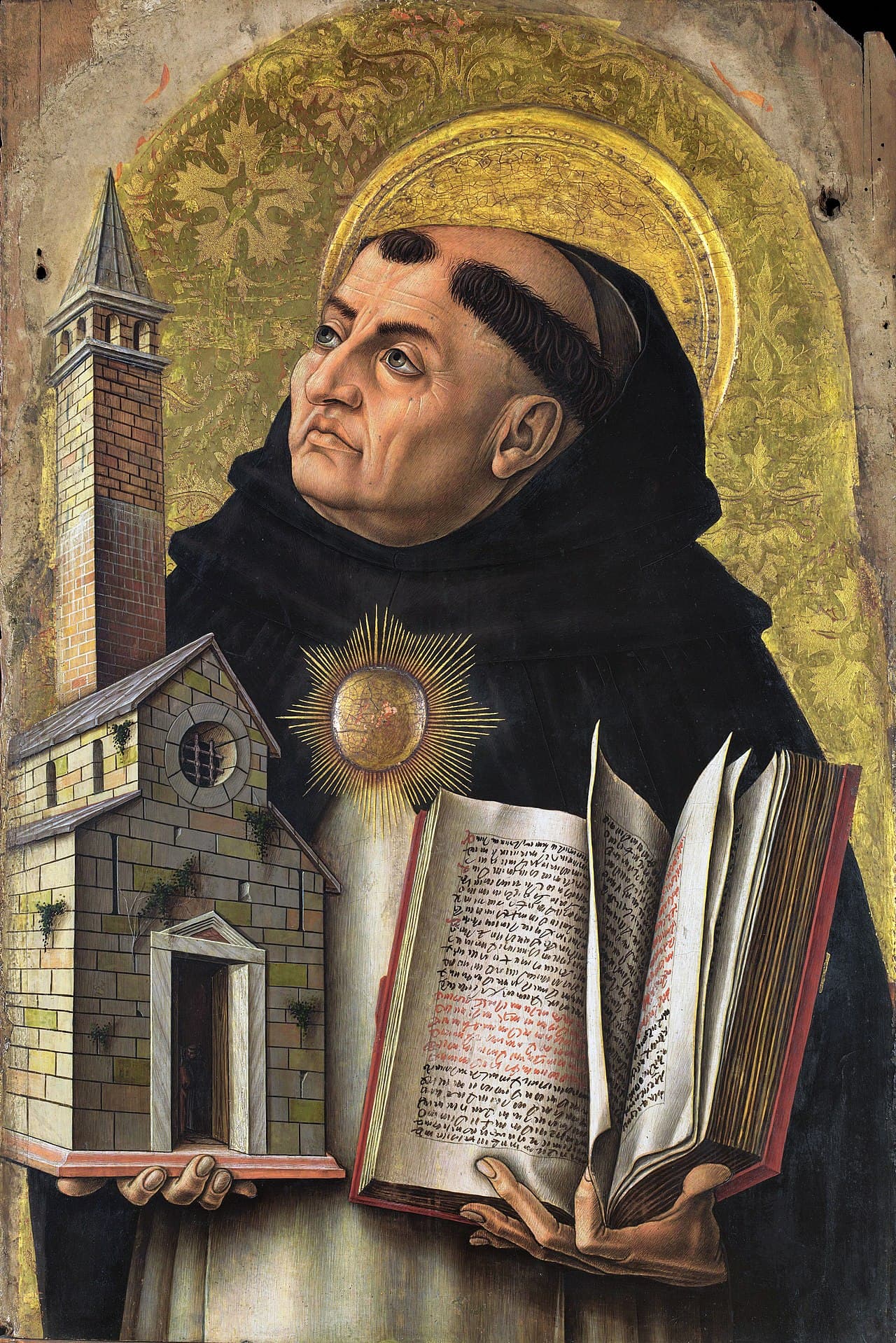
Scholasticism built a precise economy of grace: infused at baptism, lost by mortal sin, restored through penance, growing through the sacraments toward final salvation. Aquinas kept it resolutely grace-first.
How it was received
Late medieval nominalists added a pastoral formula that lit the fuse: 'to those who do what lies within them, God does not deny grace.' Meant as comfort, it functioned as a treadmill — how do I know I've done enough? A scrupulous young friar named Luther nearly destroyed himself on exactly that question.
Key voicesThomas Aquinas · Gabriel Biel · Sacrament of penance
1515–1521
Luther's discovery: an alien righteousness
What happened
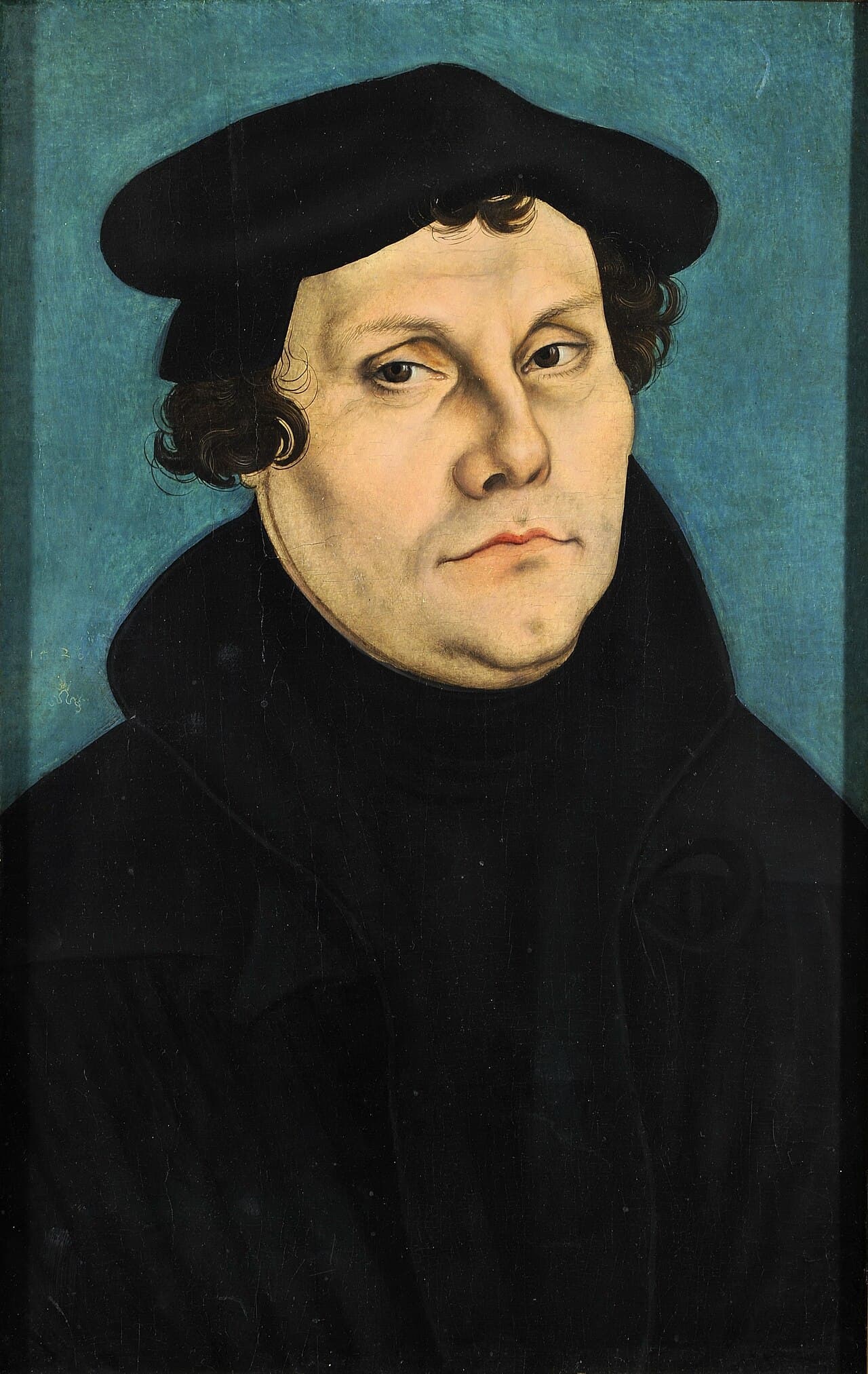
Wrestling with Romans 1:17, Luther came to read 'the righteousness of God' not as the standard by which God judges but as the gift by which God justifies: Christ's righteousness credited (imputed) to the believer through faith alone. The sinner is simul iustus et peccator — at once righteous in Christ and still a sinner in fact.
Primary source“Here I felt that I was altogether born again and had entered paradise itself through open gates.”
— Luther, Preface to his Latin Works, 1545
How it was received
Justification thus became a verdict, not a process: God declares righteous the ungodly who believe, and good works follow as fruit, never as ground. 'I felt that I was altogether born again,' he recalled, 'and had entered paradise itself through open gates.'
Key voicesMartin Luther · Philip Melanchthon
1547
Trent: faith formed by love
What happened
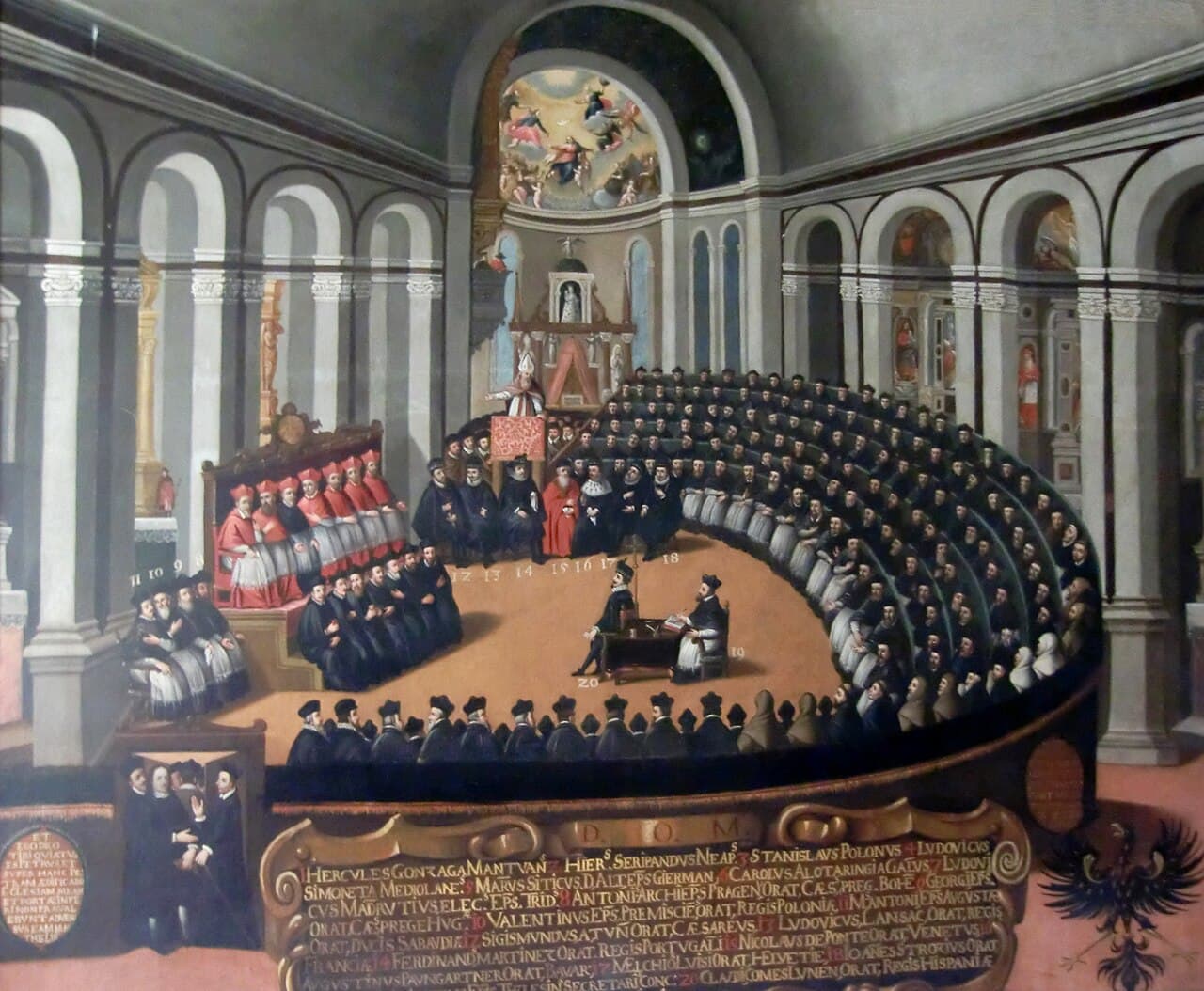
The Council of Trent's Decree on Justification — its most careful theological work — agreed that justification is utterly unmerited and begins with grace alone. But it defined justification as Augustine had: not only forgiveness but inner renewal, an infused righteousness that truly transforms; faith justifies as 'faith working through love,' and the justified can and must grow in righteousness and can forfeit it.
Primary source“If anyone says that the sinner is justified by faith alone… let him be anathema.”
— Council of Trent, Canon 9 on Justification, 1547
How it was received
Canon 9 anathematized 'faith alone' as the Reformers meant it. The West now had two rival definitions of the same word — verdict versus transformation — and four centuries of polemic followed.
Key voicesCouncil of Trent
1600–1900
Refinements, revivals, and a via media
What happened
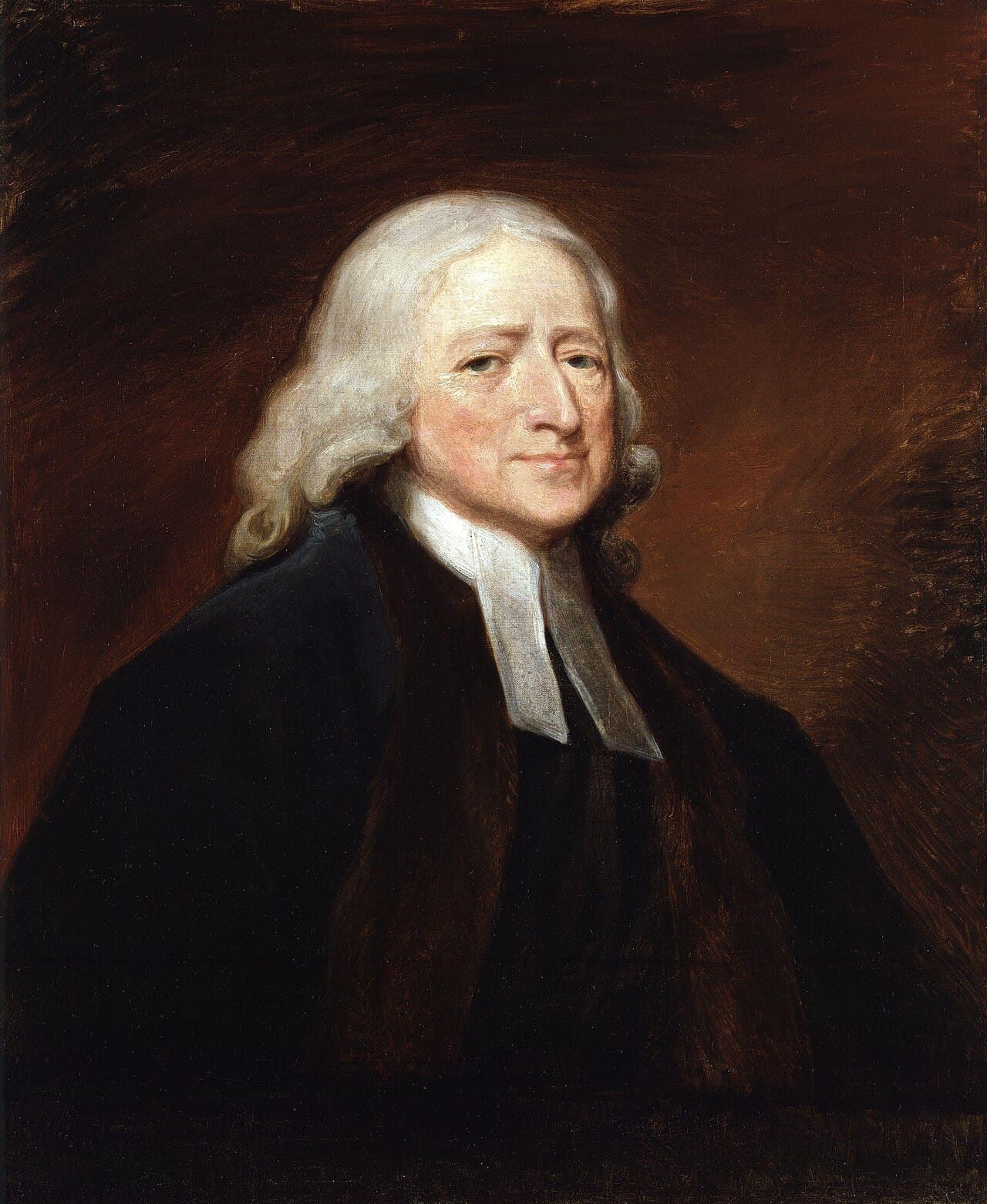
Protestant scholastics polished the machinery (imputation of Christ's active and passive obedience; the 'order of salvation'), while pietists and Wesley re-centered experience: Wesley preached justification by faith and a real, transforming sanctification — a bridge many noticed. Newman, before his conversion, argued the whole dispute was partly verbal.
How it was received
The East, meanwhile, watched with some puzzlement: Orthodoxy never had an Augustine or a Luther, and frames salvation as theosis — participation in God's life — rather than courtroom acquittal.
Key voicesJohn Wesley · Protestant scholasticism · John Henry Newman
1999–today
The Joint Declaration: consensus beneath old condemnations
What happened
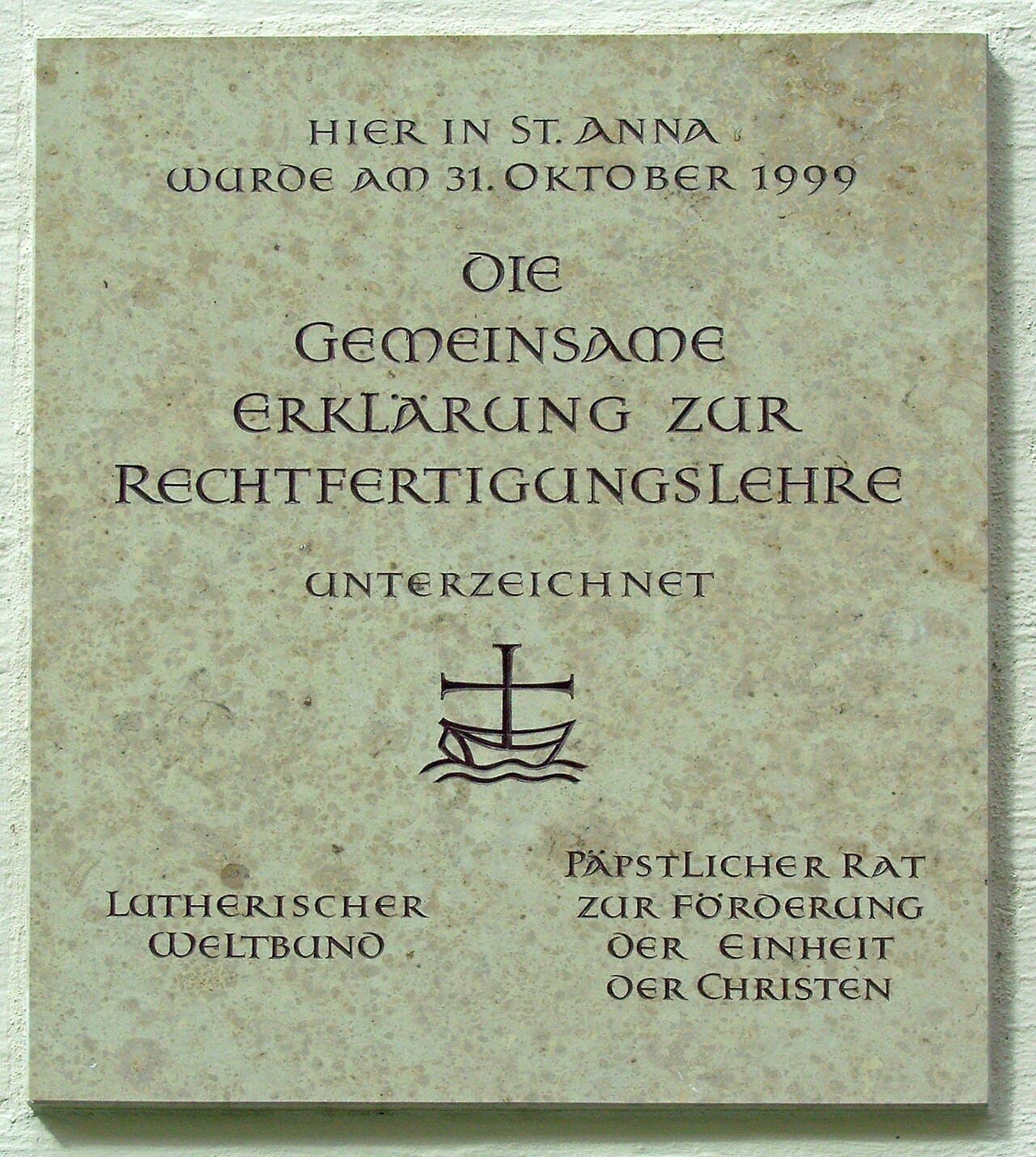
In 1999 the Catholic Church and the Lutheran World Federation signed the Joint Declaration on the Doctrine of Justification. It states a consensus on basic truths and judges that the sixteenth-century condemnations do not apply to the partner's teaching as presented there; it does not claim that every remaining difference has vanished. Methodist and Reformed world communions later associated themselves with it, and the Anglican Consultative Council welcomed and affirmed its substance.
Primary source“By grace alone, in faith in Christ's saving work and not because of any merit on our part, we are accepted by God.”
— Joint Declaration on the Doctrine of Justification, 1999
How it was received
Critics on both flanks judge the agreement insufficient; supporters regard it as a major act of reconciliation. Meanwhile the diverse approaches grouped as the 'New Perspective on Paul' (Sanders, Dunn, Wright) reopened the exegetical foundations by rereading Second Temple Judaism and the social function of 'works of the law.' Their proposals do not reduce to one claim, and their implications for Reformation debates remain contested.
Key voicesJDDJ 1999 · E.P. Sanders · N.T. Wright
The present landscape
Where the traditions stand today
Catholic
Justification is God's unmerited gift that both forgives and inwardly transforms; it grows through the life of grace and sacraments. The JDDJ affirms the shared core with Lutherans.
Orthodox
Salvation as theosis — healing and participation in God's life — rather than a legal verdict; the Western debate is regarded as framed by categories the East never adopted.
Protestant
Justification is God's declaration, received through faith alone, grounded in Christ's righteousness, distinct from (but never without) sanctification. Confessional bodies still regard the difference with Rome as substantive.