The argument through time
History enters the room.
c. 30–100
A death 'for us' — in many keys
What happened
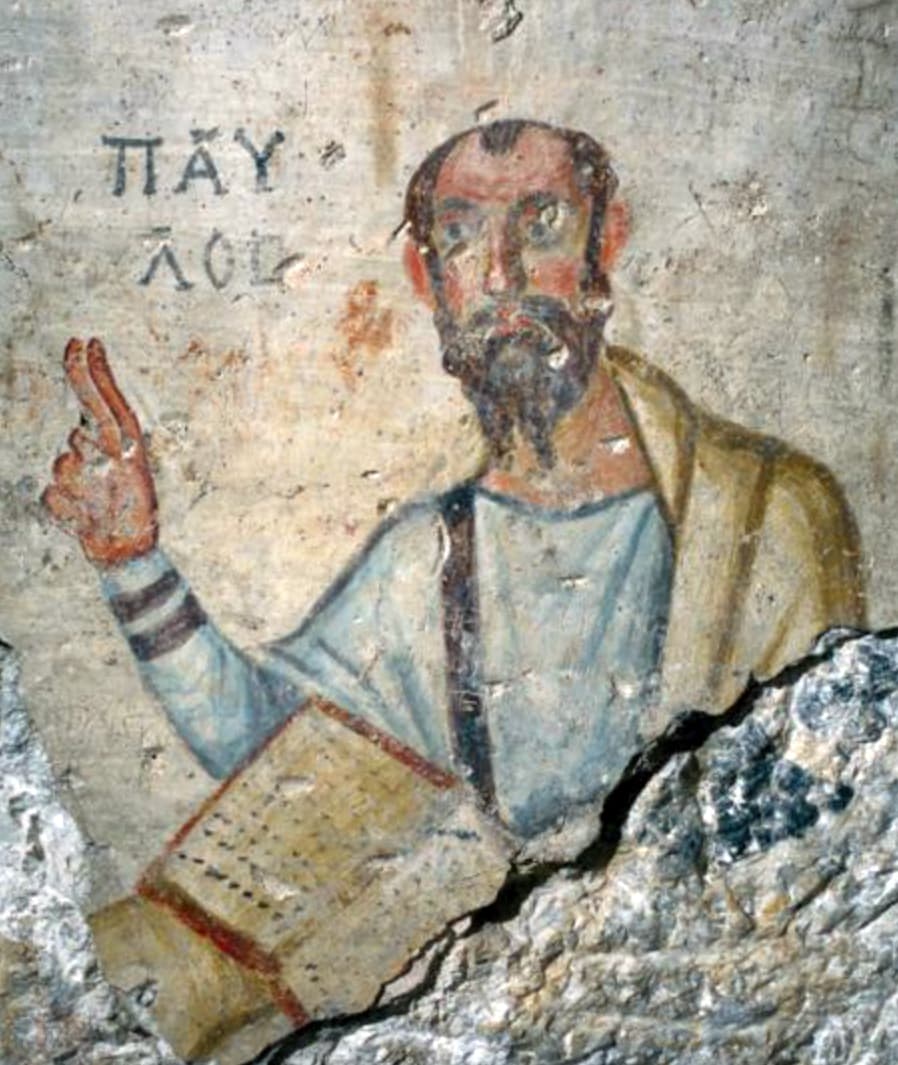
The New Testament proclaims the cross under a cascade of images: a ransom for many, a Passover lamb, a sin offering, justification, reconciliation, redemption from slavery, the disarming of the powers, the example of suffering love. It nowhere arranges them into a system.
How it was received
Every later theory is one of these images promoted to the master key.
Key voicesGospels · Paul · Hebrews · Isaiah 53
100–700
Christus Victor and the ransom to the devil
What happened
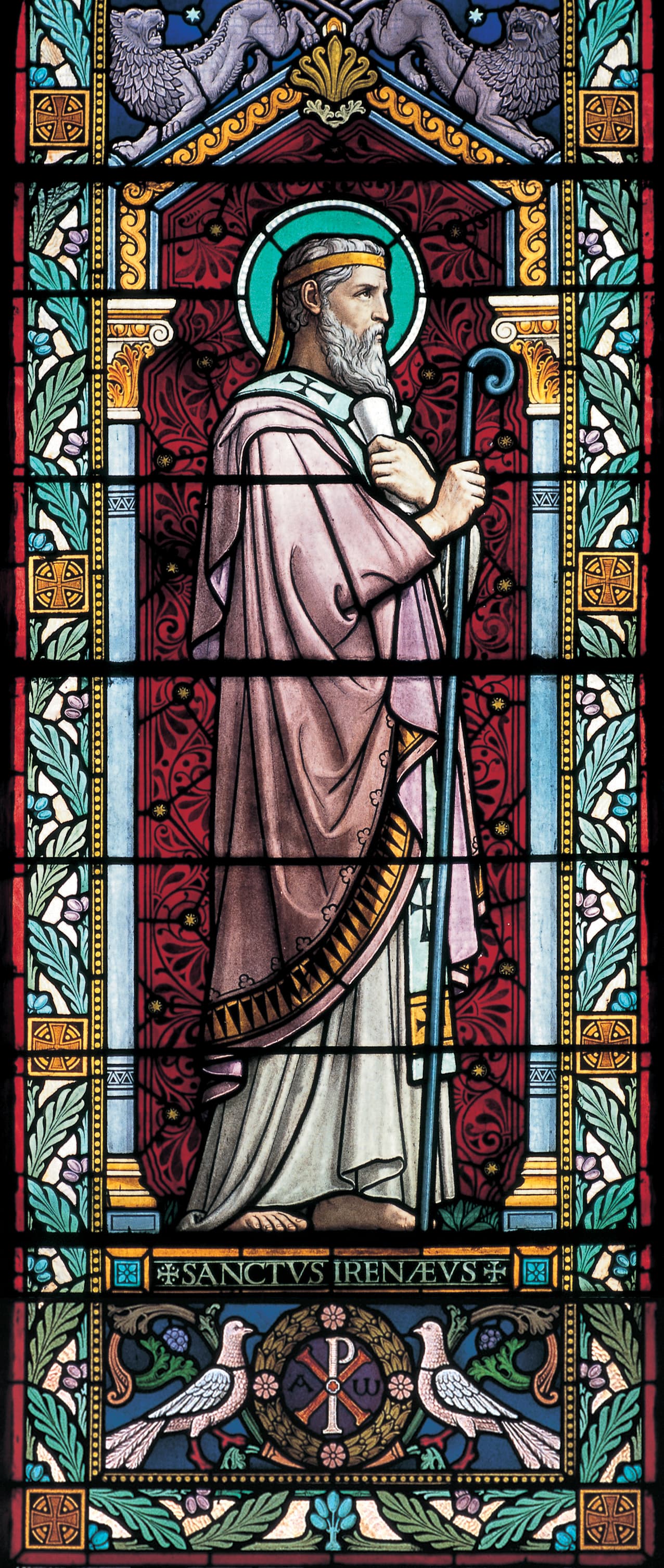
Patristic writers frequently portray salvation as Christ's victory over sin, death, and the devil, alongside sacrifice, substitution, healing, and recapitulation. Irenaeus's recapitulation — Christ retracing and renewing Adam's story — is one influential form; historians dispute whether any single model was dominant across the whole period. Athanasius framed salvation as the incarnate Word meeting death with life.
Primary source“…that, as with greedy fish, the hook of the Deity might be gulped down along with the bait of flesh.”
— Gregory of Nyssa, Catechetical Oration 24, c. 385
How it was received
Alongside ran the ransom theory in vivid, sometimes lurid form: the devil, holding humanity captive, seized the sinless Christ and thereby overreached — Gregory of Nyssa pictured Christ's deity hidden under flesh like a hook under bait. Gregory of Nazianzus protested the crudeness: God owes the devil nothing. The imagery lasted anyway, a millennium of it.
Key voicesIrenaeus · Athanasius · Gregory of Nyssa
1098
Anselm: satisfaction of the divine honor
What happened
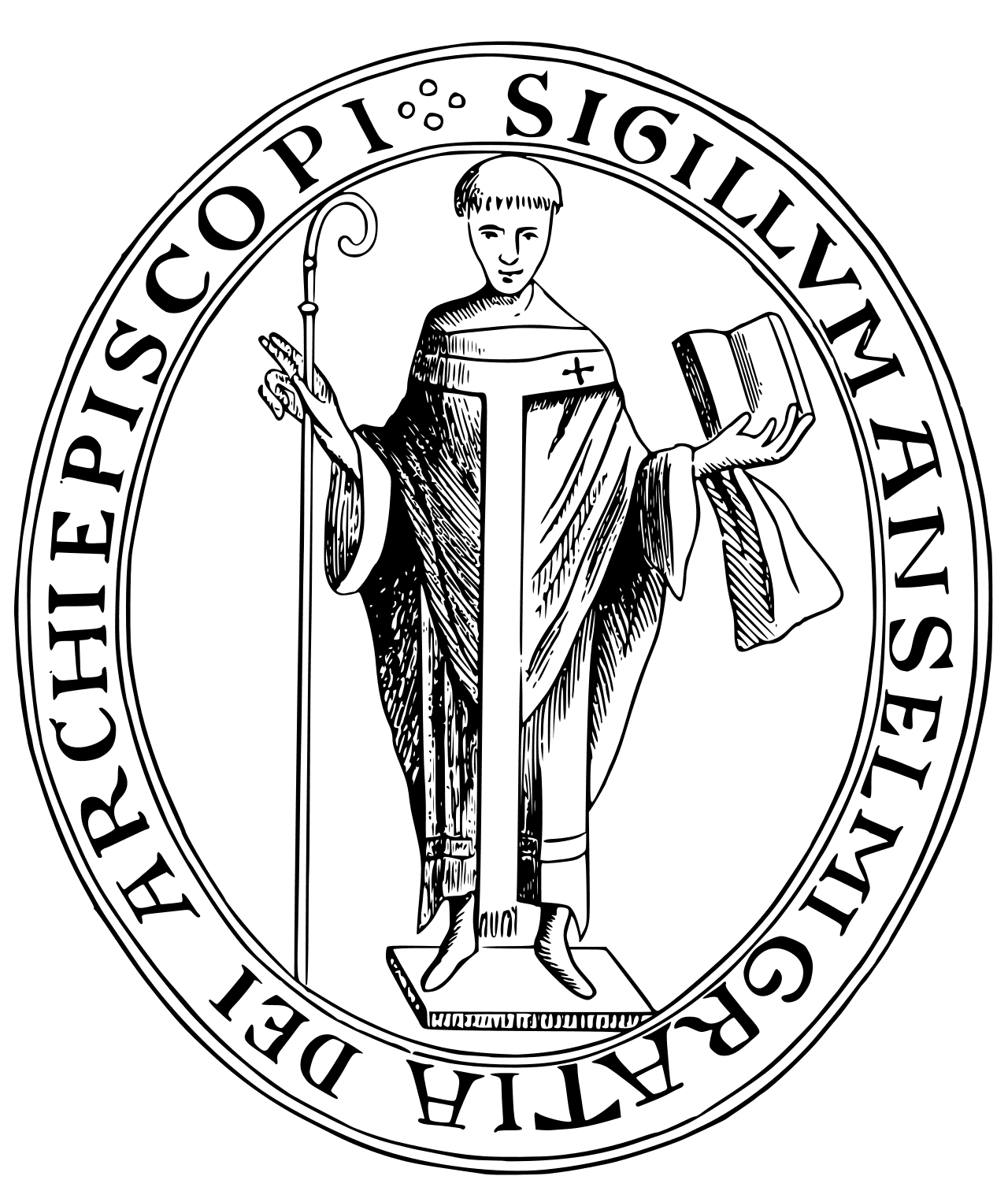
Anselm of Canterbury's Cur Deus Homo retired the devil from the transaction. Sin is an infinite offense against God's honor; justice requires satisfaction; humanity owes it and cannot pay; God can pay and does not owe. Therefore the God-man: only he can offer what is owed.
Primary source“The debt was so great that, while man alone owed it, only God could pay it; so that the same person must be both man and God.”
— Anselm, Cur Deus Homo (condensed), 1098
How it was received
Anselm used the honor-language of his setting but should not be reduced to a simple feudal analogy. His argument was the first extended Western attempt to show why the incarnation and a fitting satisfaction belong together, and it decisively redirected later debate. Abelard, his younger contemporary, emphasized the cross's power to awaken answering love in us.
Key voicesAnselm of Canterbury · Peter Abelard · Thomas Aquinas
1530–1690
Penal substitution — and its early critics
What happened
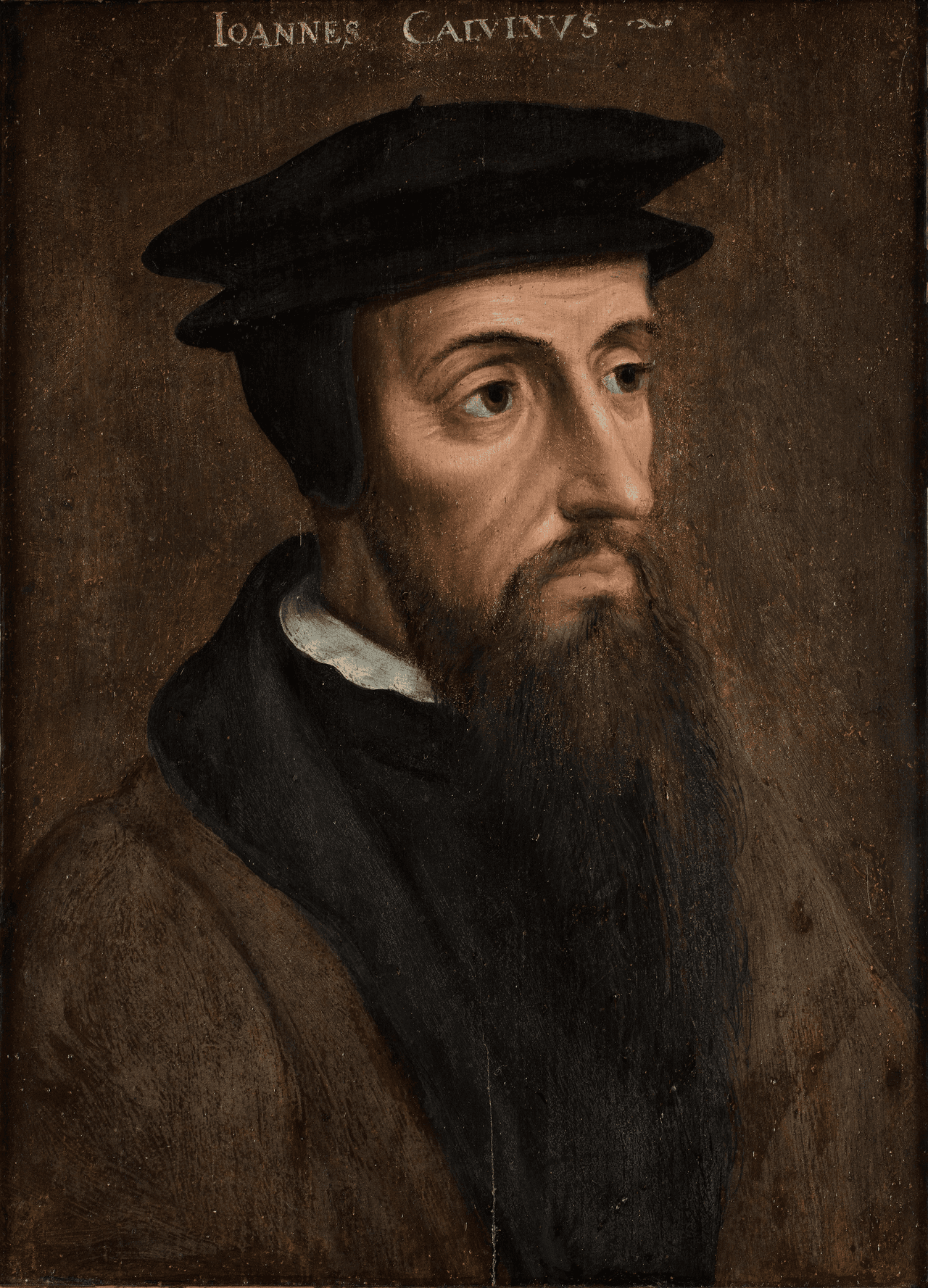
The Reformers sharpened satisfaction into penal substitution: Christ did not merely repay God's honor; he bore the actual penalty of the law — the wrath of God against sin — in the place of the elect. Calvin, trained as a lawyer, gave it courtroom precision; Protestant confessions enshrined it.
How it was received
Critique arrived quickly: Socinians called it unjust (guilt is not transferable) and unnecessary (God may simply forgive); Grotius answered with the governmental theory — Christ's death upholds the moral order rather than paying a strict debt. The battle lines of the modern debate were fully drawn by 1650.
Key voicesJohn Calvin · Socinians · Hugo Grotius
1799–1931
Liberal revisions and Aulén's revival
What happened
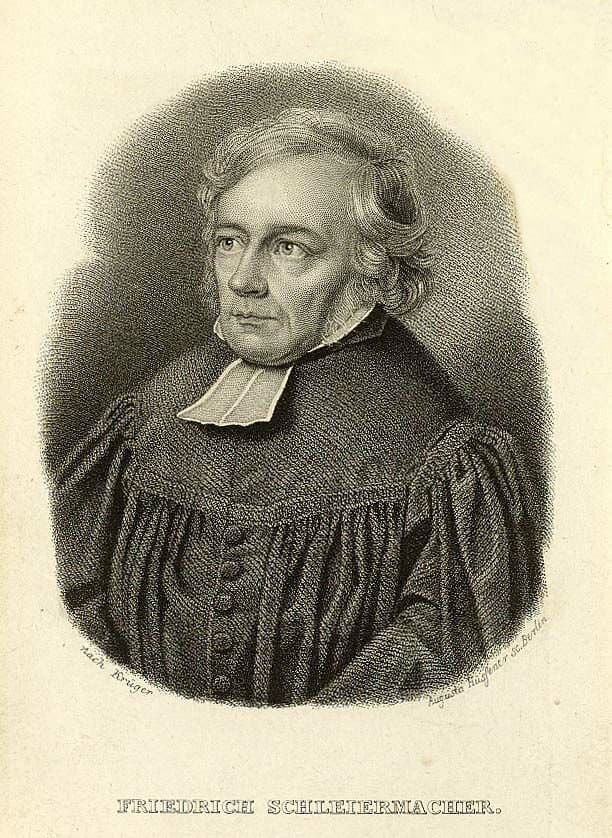
Liberal Protestantism, offended by wrath and blood, re-centered Abelard: the cross as the supreme demonstration of God's love and the martyrdom of moral heroism (Schleiermacher, Ritschl, Rashdall).
How it was received
In 1931 the Swedish Lutheran Gustaf Aulén's Christus Victor argued that the 'classic' patristic theme was God's triumph over the powers, contrasting it with Latin satisfaction and modern moral-influence accounts. His threefold scheme was enormously influential, though later historians have criticized it for flattening the diversity within each period.
Key voicesSchleiermacher · Hastings Rashdall · Gustaf Aulén
1970–today
The contemporary quarrel — and the widening table
What happened
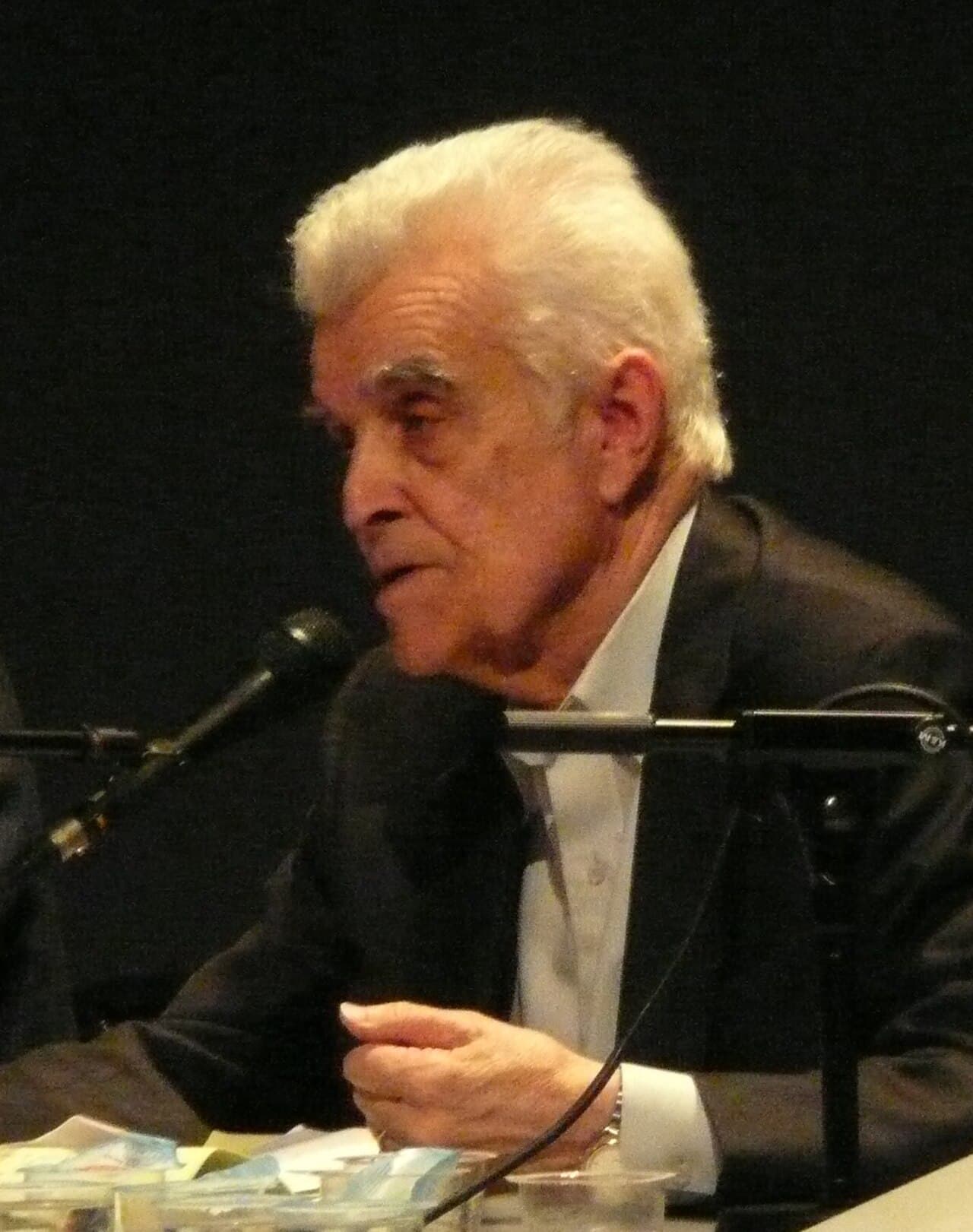
Penal substitution remains the evangelical center of gravity — and its most contested doctrine: René Girard reread the cross as the unmasking of scapegoating violence; feminist and womanist theologians pressed hard questions about glorified suffering; Steve Chalke's 'cosmic child abuse' remark (2003) ignited a decade of evangelical controversy, answered by robust trinitarian defenses (the Son is not a third party — God takes his own judgment upon himself).
How it was received
Many contemporary theologians use a 'kaleidoscopic' or multi-model approach: victory, sacrifice, substitution, example, and healing illuminate different biblical themes. That approach is influential rather than a settled ecumenical consensus. Eastern traditions generally integrate the cross with incarnation, resurrection, and theosis rather than defining one exclusive mechanism.
Key voicesRené Girard · Evangelical debates 2003– · N.T. Wright · J.I. Packer
The present landscape
Where the traditions stand today
Catholic
Christ's death is a true and perfect sacrifice of satisfaction and love (Anselm refined by Aquinas), re-presented in the Mass; no single theory is dogma.
Orthodox
The whole incarnation — cross, descent, resurrection — as victory over death and the healing of human nature; Anselmian and penal categories are largely foreign.
Protestant
Penal substitution is confessionally central for evangelicals and Reformed; mainline Protestantism ranges across moral influence, Christus Victor, and kaleidoscopic views.