The argument through time
History enters the room.
c. 30–200
One Savior, one people, an unfinished horizon
What happened
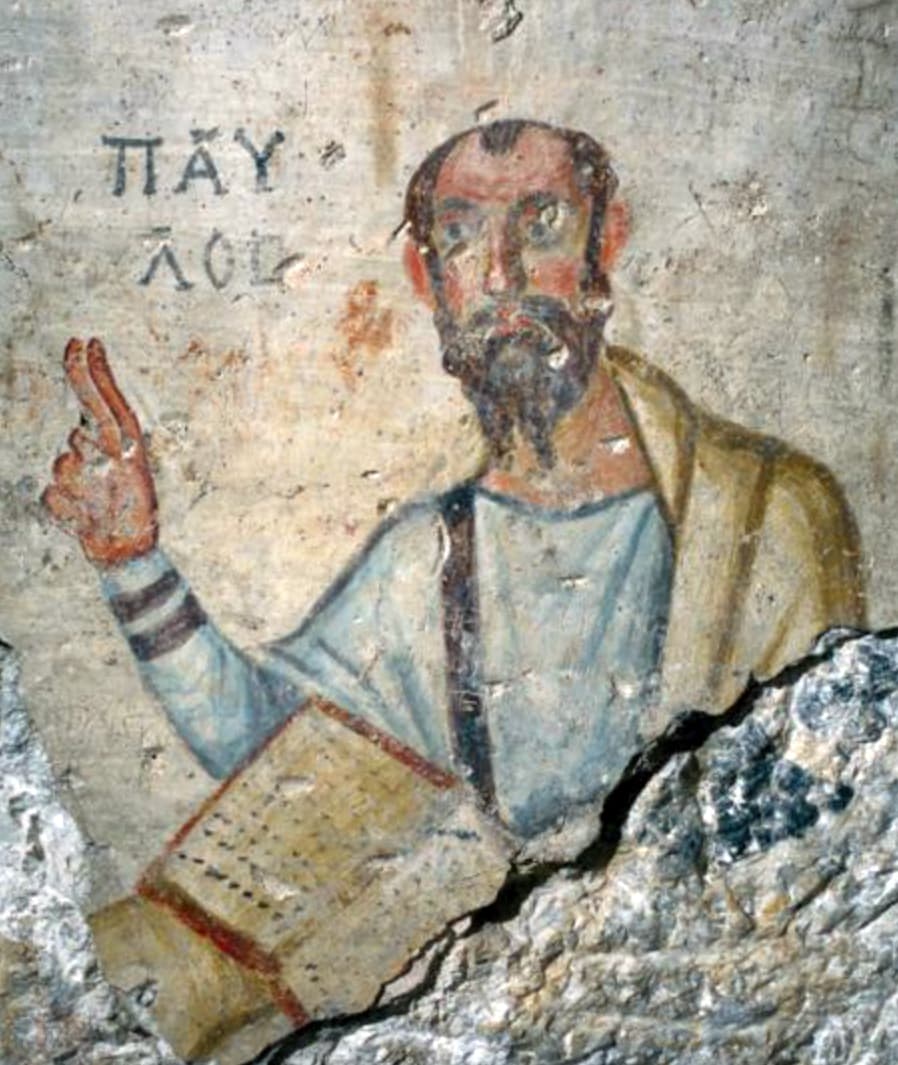
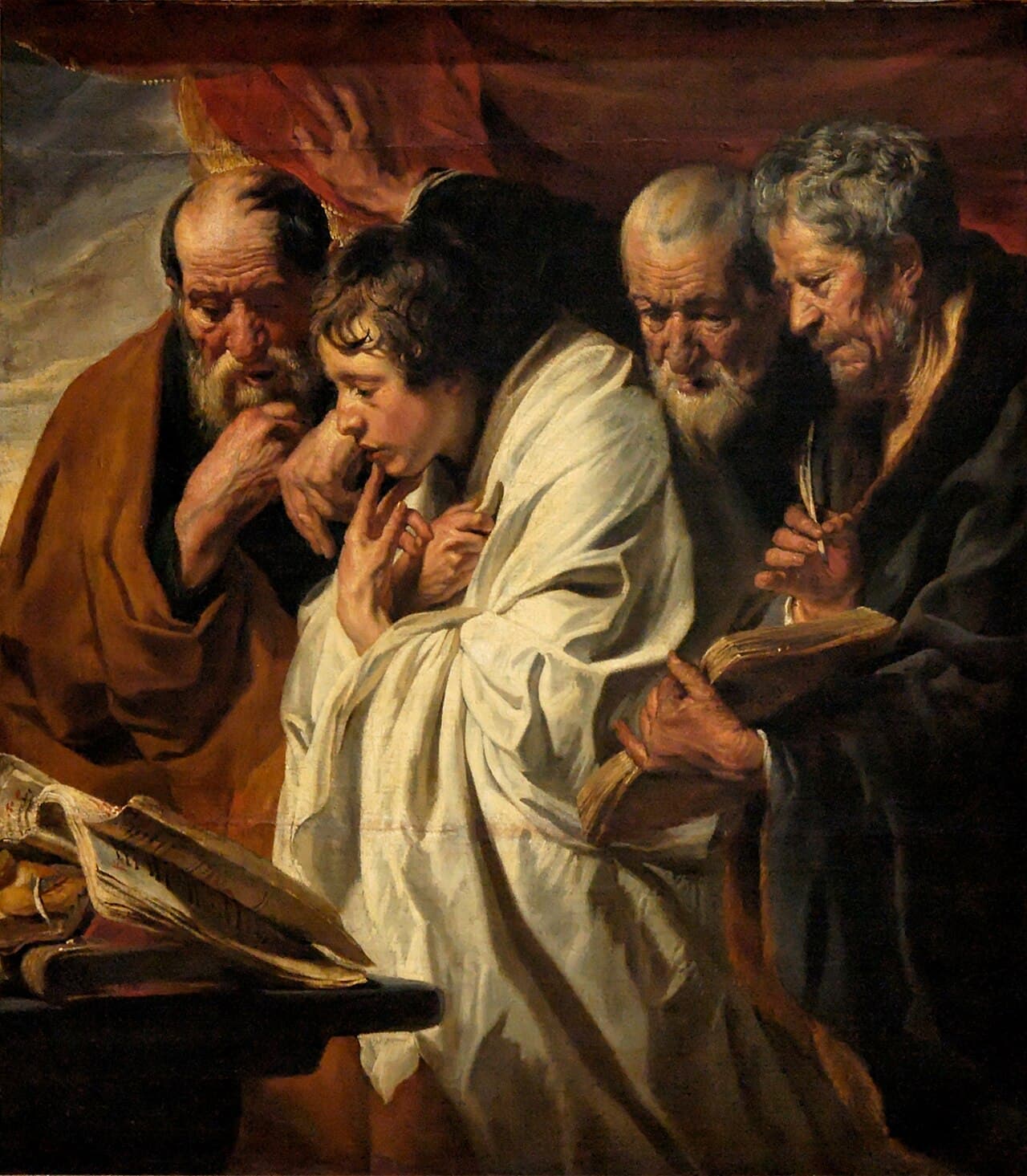
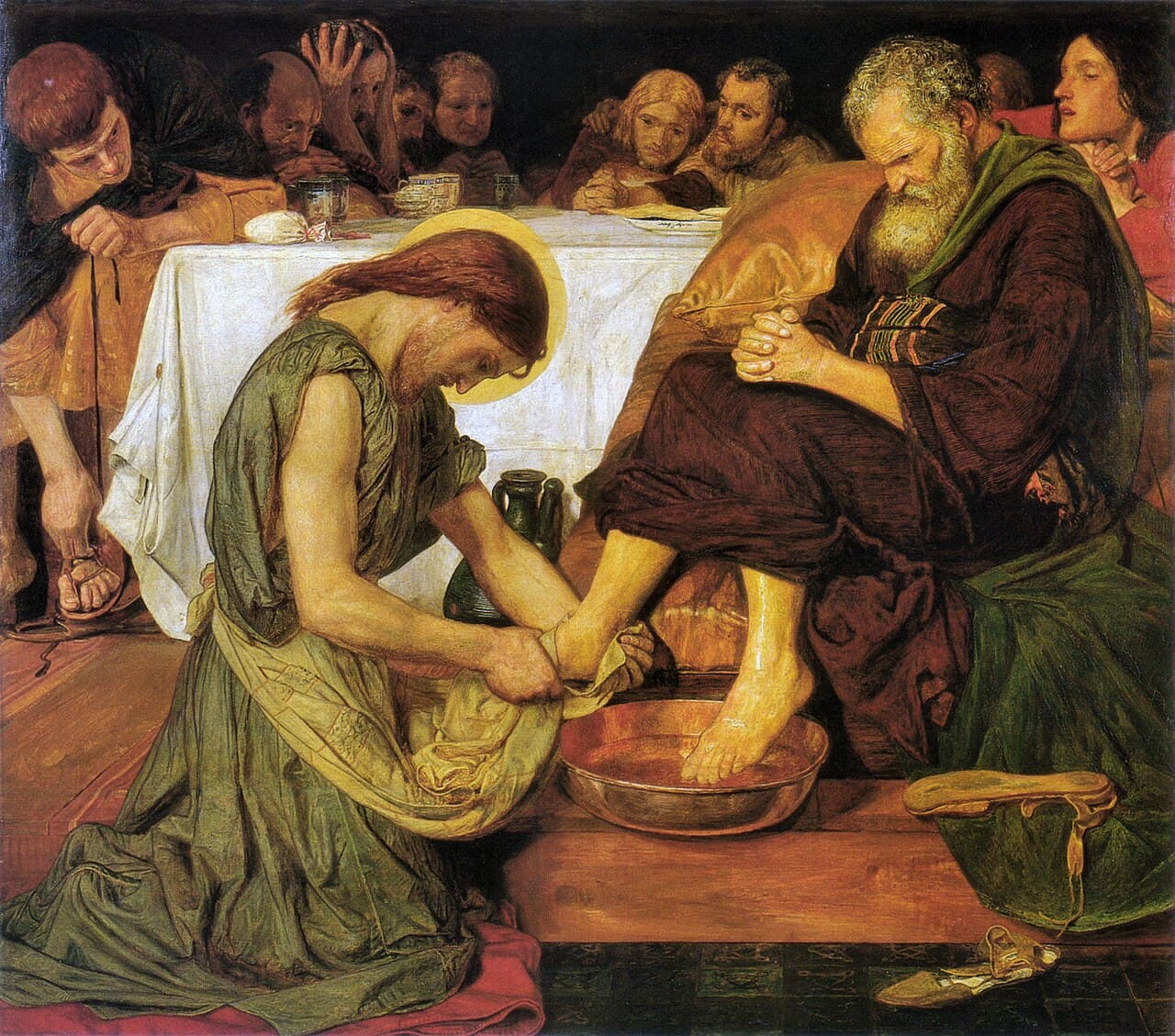
The New Testament joins salvation uniquely to Christ and ordinarily to faith, baptism, and incorporation into his people. It also speaks of God's impartial judgment, the work of conscience, and a mission whose geographical reach was still incomplete.
How it was received
The texts do not hand later theology one exhaustive map of the unevangelized. They establish the tension that every later position must address: Christ alone saves, the church bears his Gospel, and God's judgment is both just and merciful.
Key voicesApostolic church · Paul · Gospels
![Russian icon: Cyprian of Carthage Heiligenlexikon.de Image was kindly "publicized" by ÖHL [1]](/_next/image?url=%2Fimages%2Fhistory%2Fsections%2Fcyprian-of-carthage-3c7cb566.jpg&w=3840&q=75&dpl=dpl_7eb3JpnMe4ekXihsASES3CnRvKef)
c. 200–450
Cyprian's boundary against schism
What happened
Cyprian's statement that there is no salvation outside the church arose chiefly in conflict over schism and disputed baptism, not as a modern theory about every non-Christian. For him, one could not knowingly abandon the unity of Christ's body and retain salvation.
How it was received
Other fathers developed different claims about culpability, preparation for the Gospel, and the fate of the unbaptized. Augustine combined a strong account of church and sacrament with distinctions between outward membership and inward belonging.
Key voicesCyprian of Carthage · Augustine · Origen
450–1452
The axiom becomes universal and juridical
What happened
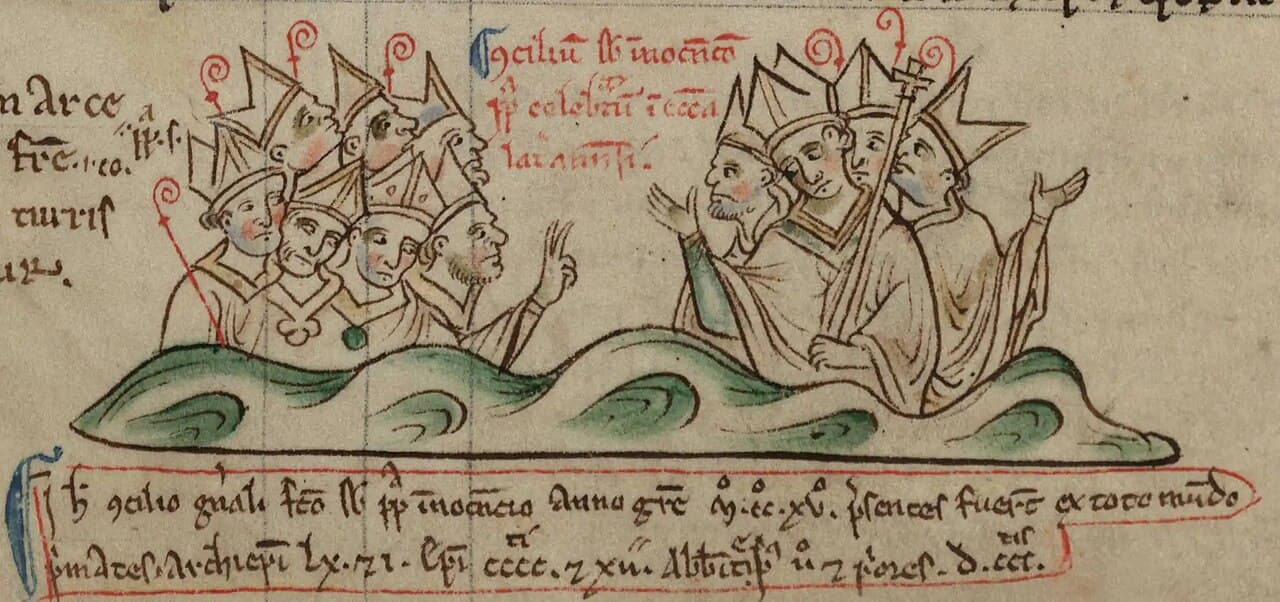
As Christianity became the public religion of European societies, the formula acquired a wider polemical reach. Lateran IV, Boniface VIII's Unam Sanctam, and Florence used uncompromising language about the one church and the necessity of belonging to it.
How it was received
Medieval theologians nevertheless discussed baptism of desire, invincible ignorance in germ, and whether someone following available light could receive further grace. Official formulas and speculative qualifications did not always develop at the same pace.
Key voicesLateran IV · Thomas Aquinas · Council of Constance
1517–1800
Which visible church?
What happened
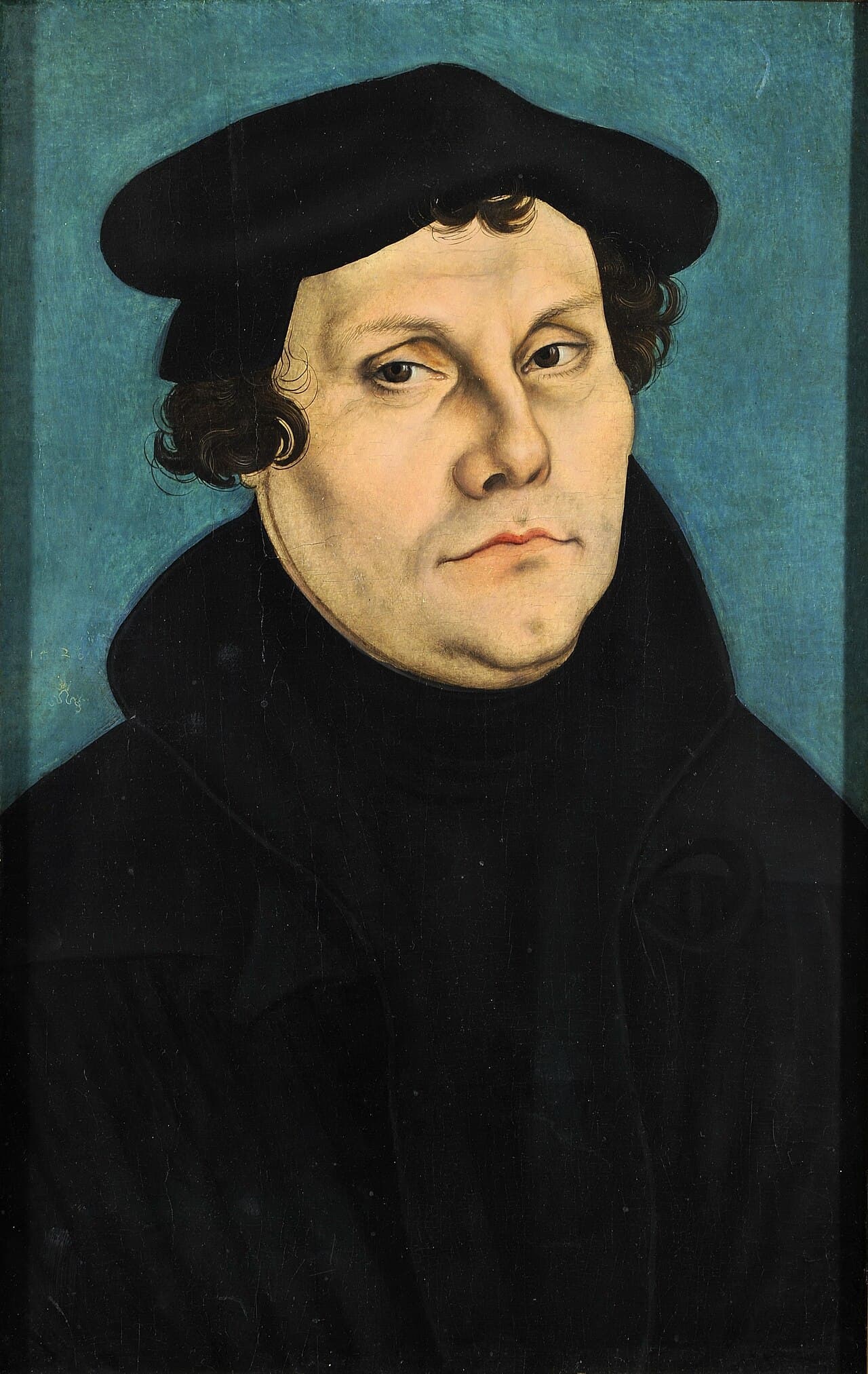
The Reformation shattered the assumption that Western Christians shared one visible jurisdiction. Protestant confessions identified the church by Word and sacrament and condemned rival teachings without always claiming that every person in a corrupt communion was lost.
How it was received
Catholic teaching continued to insist on the necessity of the church, while post-Reformation missions confronted peoples outside historic Christendom. Debates over explicit faith, implicit desire, conscience, and divine election became more urgent.
Key voicesMartin Luther · John Calvin · Council of Trent
1800–1965
Mission, rigorism, and widening hope
What happened
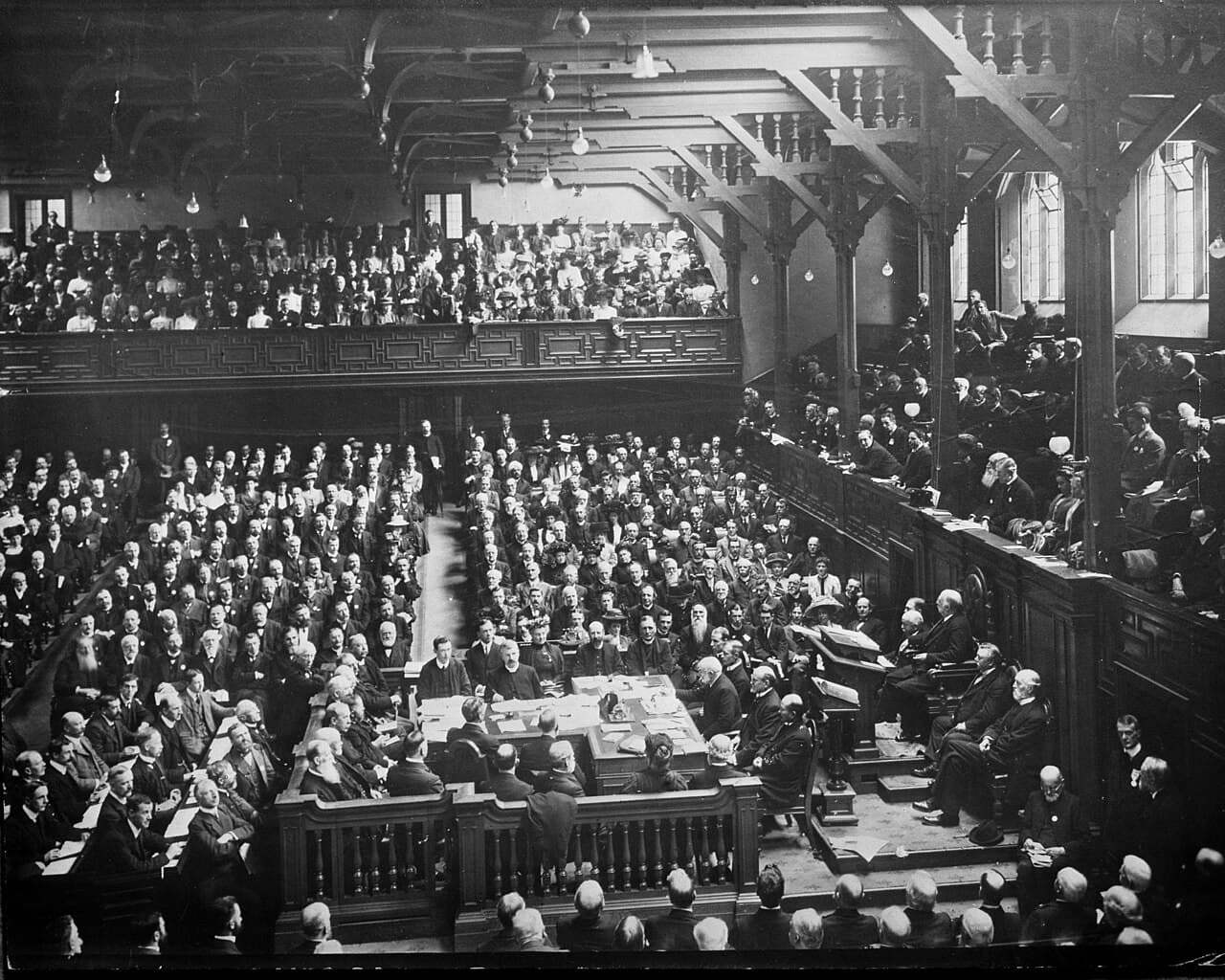
Global mission energized exclusivist preaching but also generated deeper knowledge of other religions. Catholic theologians refined distinctions between culpable rejection and ignorance; Protestant thinkers ranged from strict explicit-faith requirements to hopes for postmortem or implicit response.
How it was received
In 1949 the Holy Office rejected Leonard Feeney's rigorist interpretation, affirming that the axiom must be understood as the church understands it and recognizing implicit desire under grace. This prepared the ground for Vatican II without erasing Christ's and the church's necessity.
Key voicesEdinburgh 1910 · Karl Barth · Vatican II
1965–today
Visible boundaries and saving grace
What happened
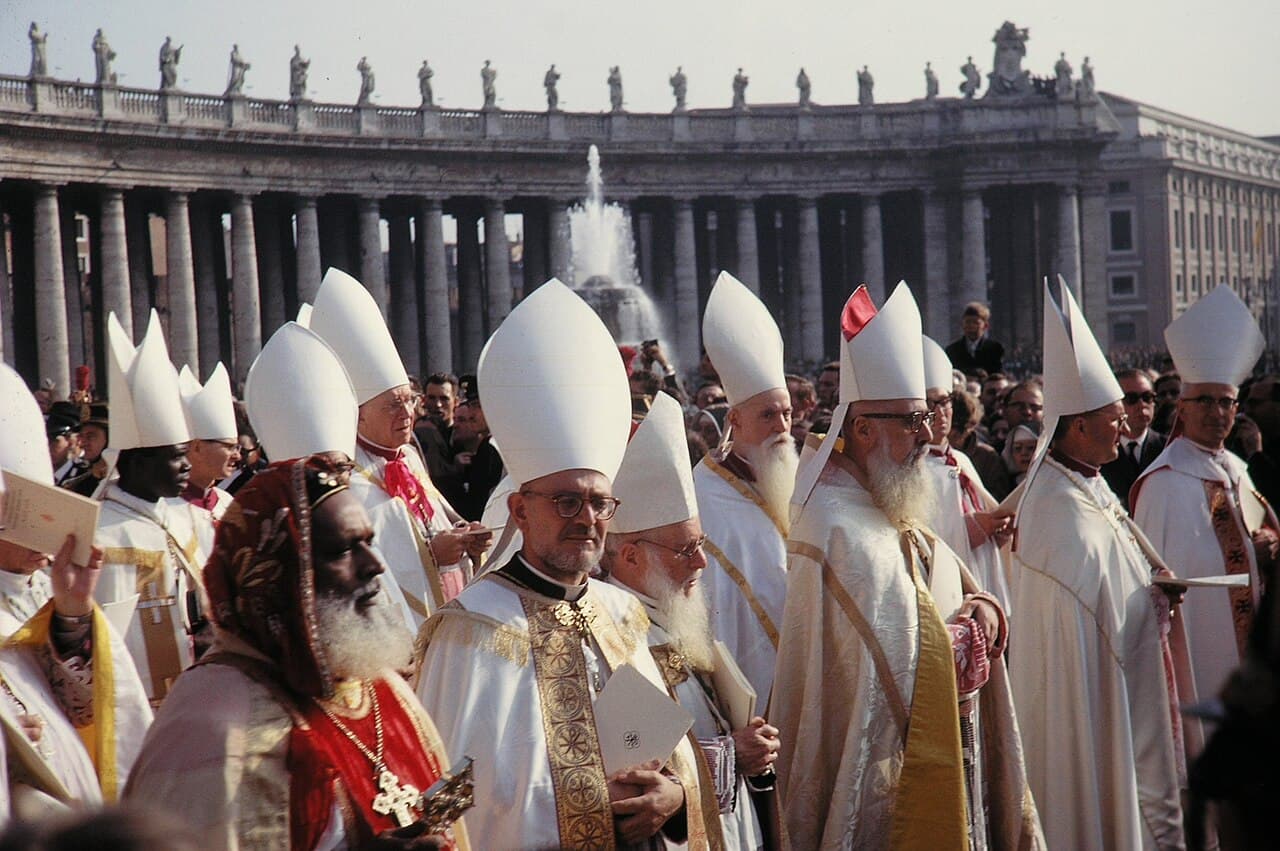
Vatican II taught that people who, through no fault of their own, do not know Christ or his church may attain salvation by grace while sincerely seeking God and following conscience. It also affirmed that saving elements exist outside Catholic boundaries and still ordered mission to Christ.
How it was received
Orthodox and Protestant positions remain diverse. Contemporary categories—exclusivism, inclusivism, pluralism, hopeful universalism—help comparison but can flatten confessional accounts of sacrament, church, election, and mission.
Key voicesVatican II · Karl Rahner · David Bentley Hart
The present landscape
Where the traditions stand today
Catholic
All salvation comes from Christ through his body, the Church; those ignorant through no fault of their own may be saved by grace, while the church remains obliged to evangelize.
Orthodox
Salvation is in Christ and his Church, but many Orthodox theologians resist defining the limits of divine mercy beyond visible canonical boundaries.
Protestant
Views range from salvation requiring explicit faith before death to inclusivism, postmortem opportunity, and hopeful universalism; all historic forms formally center salvation on Christ.