The argument through time
History enters the room.
c. 30–65
The Easter proclamation before the Gospels
What happened
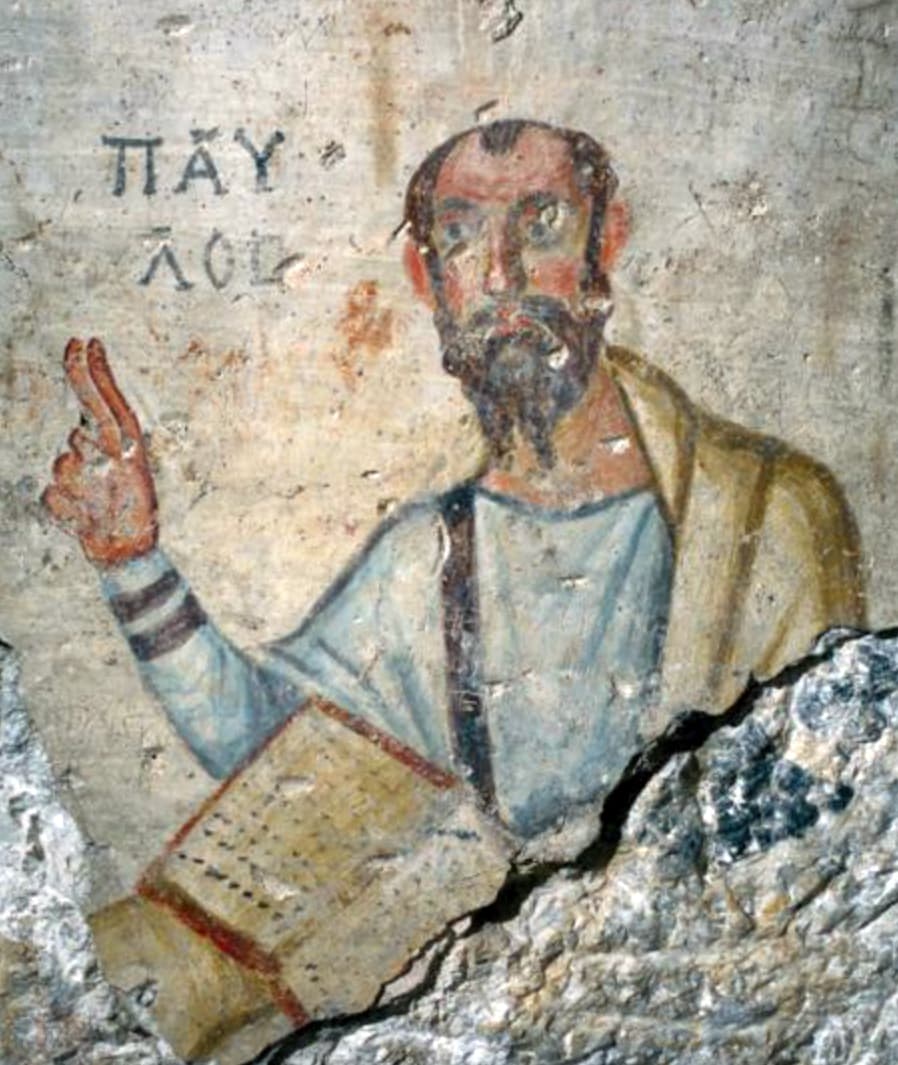
Paul says he 'received' and handed on a tradition that Christ died, was buried, was raised on the third day, and appeared to named witnesses. This formula in 1 Corinthians 15 predates the letter itself and shows that resurrection was embedded in Christian proclamation before the narrative Gospels reached their final form.
Primary source“He was buried, and… he was raised on the third day in accordance with the scriptures, and… he appeared to Cephas, then to the twelve.”
— 1 Corinthians 15:4–5
How it was received
The earliest claim was not simply that Jesus' cause continued or that his soul survived. God had acted upon the crucified Jesus, vindicating him and inaugurating the general resurrection ahead of time. The precise relation between the empty tomb, appearances, transformed body, and exaltation would receive fuller narrative and theological expression across the New Testament.
Key voicesPaul · Gospels · Apostolic church
c. 100–250
The flesh matters: resurrection against docetism
What happened
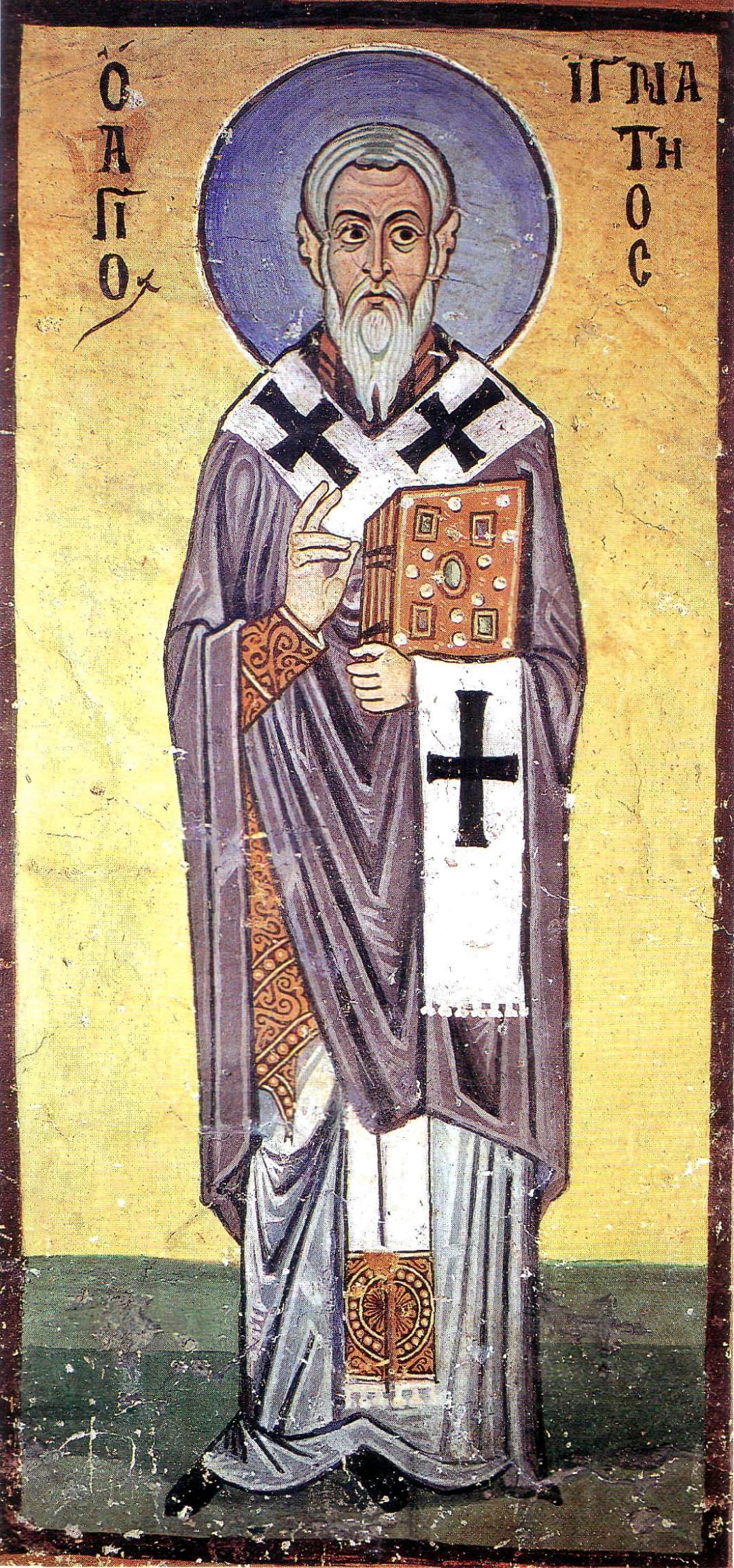
Second-century Christians defended the reality of Christ's suffering and risen embodiment against teachings that made his humanity an appearance or treated salvation as escape from material existence. Ignatius, Justin, Irenaeus, and Tertullian tied Christ's resurrection to the future resurrection of human bodies.
How it was received
Their language was not identical: some emphasized continuity with the buried body, others transformation by the Spirit. But the anti-docetic argument fixed an enduring boundary—whatever resurrection means, it cannot make Christ's incarnation, wounds, death, or embodied victory unreal.
Key voicesIgnatius of Antioch · Justin Martyr · Irenaeus
c. 180–750
He descended to the dead
What happened
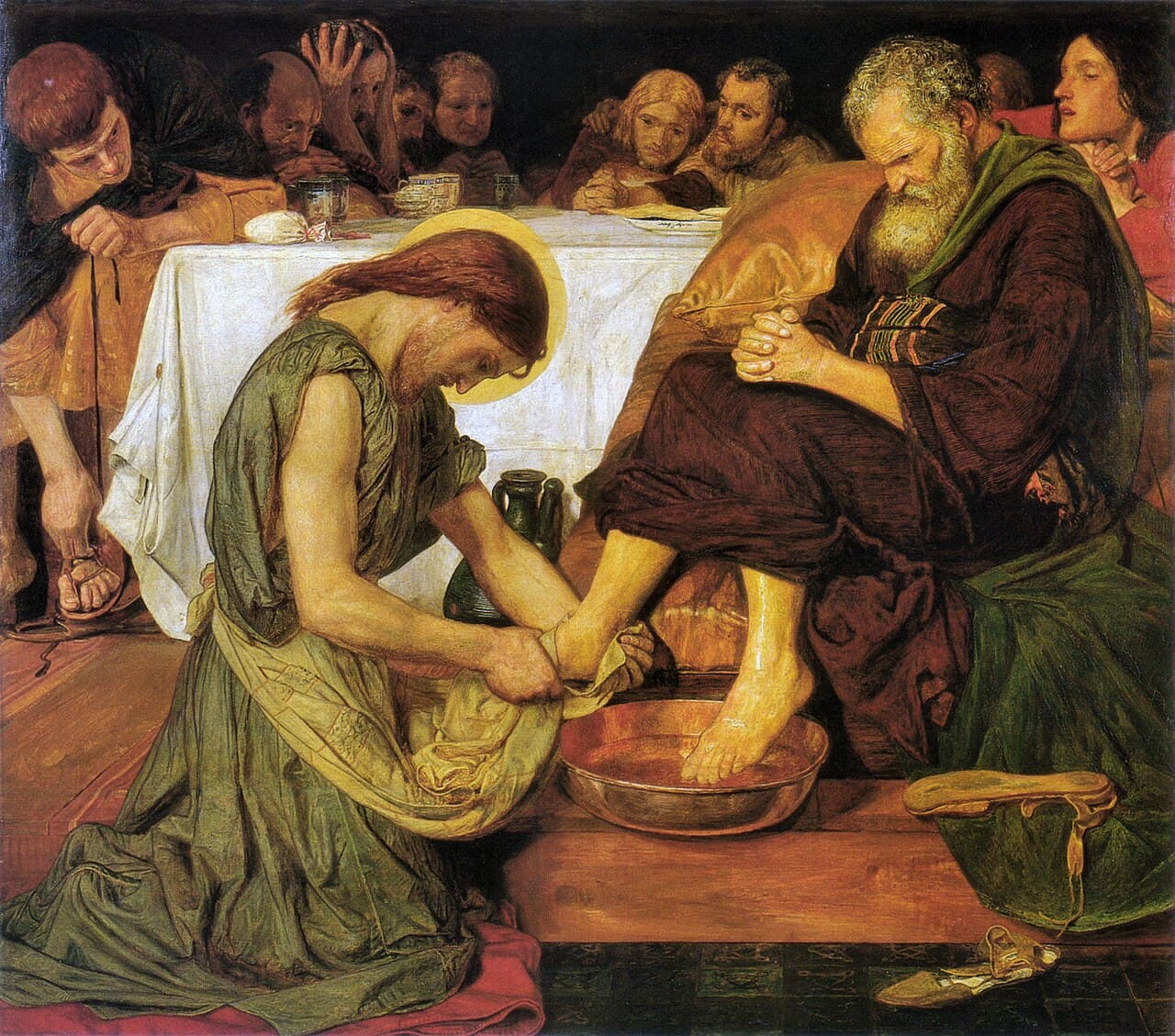
Christians read 1 Peter 3, Ephesians 4, Acts 2, and other texts as witnesses to Christ's descent to the realm of the dead. The tradition entered creedal language gradually and generated several accounts: Christ proclaimed victory, liberated the righteous, broke the powers of death, or extended the saving announcement to the dead.
How it was received
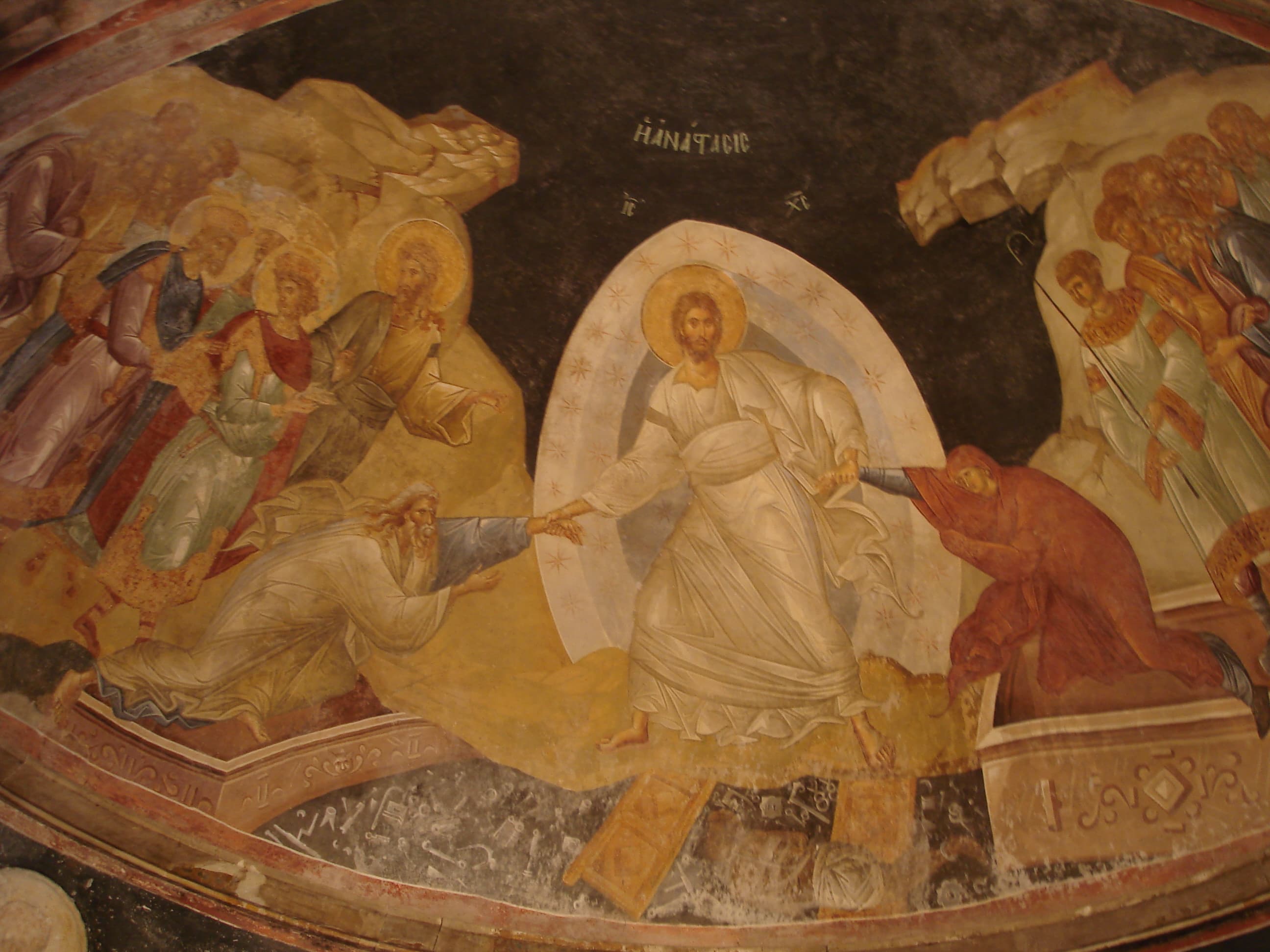
The clause did not originally mean that Christ was punished in the hell of the damned after death. In the dominant patristic and later Catholic reading, he truly shared the condition of the dead and entered Hades as conqueror. Eastern Christianity made this the central icon of Pascha: Christ raises Adam and Eve from shattered tombs.
Key voicesApostolic church · Augustine · Creed of 381
750–1500
Anastasis, Harrowing, and enthronement
What happened
Byzantine Anastasis imagery presented resurrection as a cosmic rescue rather than an isolated exit from a tomb. In the medieval West, the Harrowing of Hell likewise became a major visual and dramatic subject, while scholastic theologians distinguished Christ's descent, resurrection, appearances, ascension, and session at the Father's right hand.
How it was received
Ascension meant more than upward travel. It named the exaltation and enthronement of Christ's humanity, the opening of access to God, and the beginning of his heavenly intercession and rule. The feast and its imagery held together absence and continuing presence through the Spirit, sacraments, and church.
Key voicesAnastasis at Chora · Thomas Aquinas · Ascension
1517–1700
The Reformers divide over the descent
What happened
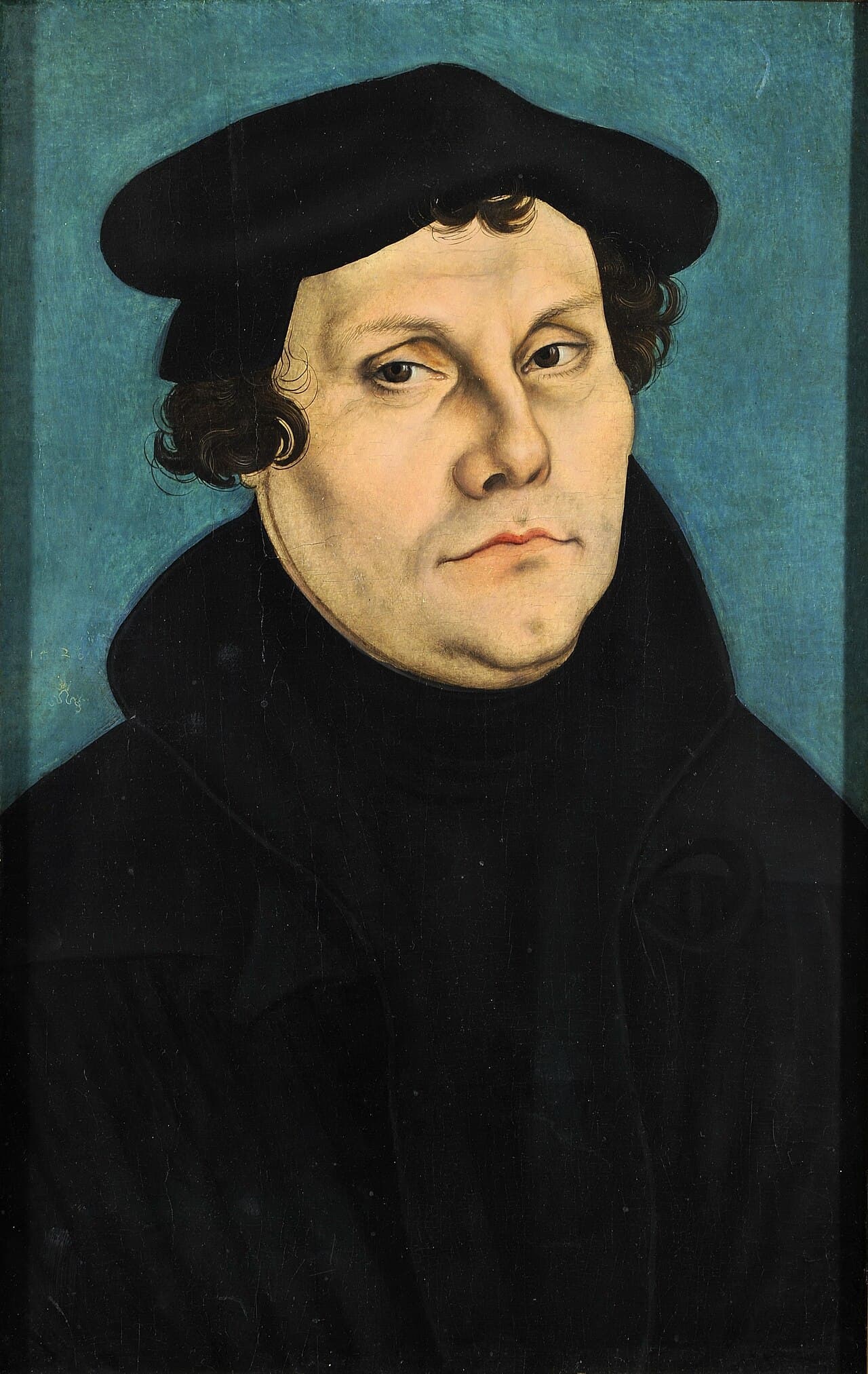
The Reformers retained the resurrection and ascension as bodily events but disagreed about the descent. Luther treated it as Christ's victorious invasion of hell. Calvin located the clause's force in Christ's experience of divine judgment and hellish anguish in the passion, not in a postmortem liberation of the patriarchs.
How it was received
These differences entered Protestant catechisms without dislodging the shared insistence that Christ rose, ascended, and reigns. Disputes over the communication of Christ's divine and human attributes also shaped Lutheran and Reformed accounts of the ascended body's presence in the Eucharist.
Key voicesMartin Luther · John Calvin · Augsburg Confession
1778–1941
History puts Easter on trial
What happened
Enlightenment and nineteenth-century criticism subjected the resurrection narratives to historical reconstruction. Explanations ranged from fraud and mistaken identity to visionary experience, while defenders argued that the rise of the movement and the testimony of the witnesses demanded a real event.
How it was received
The controversy changed the question. Earlier disputes had asked what the risen body was or what Christ did among the dead; modern debate asked whether resurrection could be affirmed as an occurrence within history at all. Rudolf Bultmann later insisted that the Easter proclamation summons faith while rejecting attempts to secure it through an objectifying supernatural history.
Key voicesGospels · Schleiermacher · Karl Barth
1941–today
Event, symbol, and the bodily claim
What happened
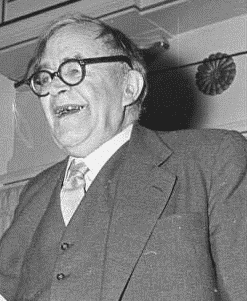
Twentieth-century theology reopened the relationship between faith and history. Karl Barth treated resurrection as God's act that grounds apostolic witness; Wolfhart Pannenberg argued that it is open to historical investigation; many liberal theologians emphasized transformative encounter or symbol; and scholars such as N. T. Wright renewed the case that earliest Christian language meant bodily resurrection within Jewish expectation.
How it was received
Catholic, Orthodox, and historic Protestant teaching continues to confess Christ truly raised and exalted. Their idioms differ: Orthodox Pascha foregrounds victory over death and Hades; Catholic teaching links bodily resurrection, descent, ascension, and sacramental life; confessional Protestants stress the vindication of Christ and the believer's justification and future resurrection.
Key voicesKarl Barth · N.T. Wright · Vatican II
The present landscape
Where the traditions stand today
Catholic
Christ truly died, descended to the realm of the dead, rose bodily in a glorified state, ascended, and reigns. The descent does not mean the suffering of the damned but victorious solidarity with the dead.
Orthodox
The bodily resurrection is the defeat of death and Hades. The Anastasis—Christ raising Adam and Eve—is the characteristic Paschal image; ascension is the glorification of humanity in Christ.
Protestant
Historic confessions affirm bodily resurrection, ascension, and session. Interpretations of the descent differ, and modern Protestant theology ranges from historical-bodily accounts to existential or symbolic readings.