The argument through time
History enters the room.
c. 50–150
Confess, reconcile, return
What happened
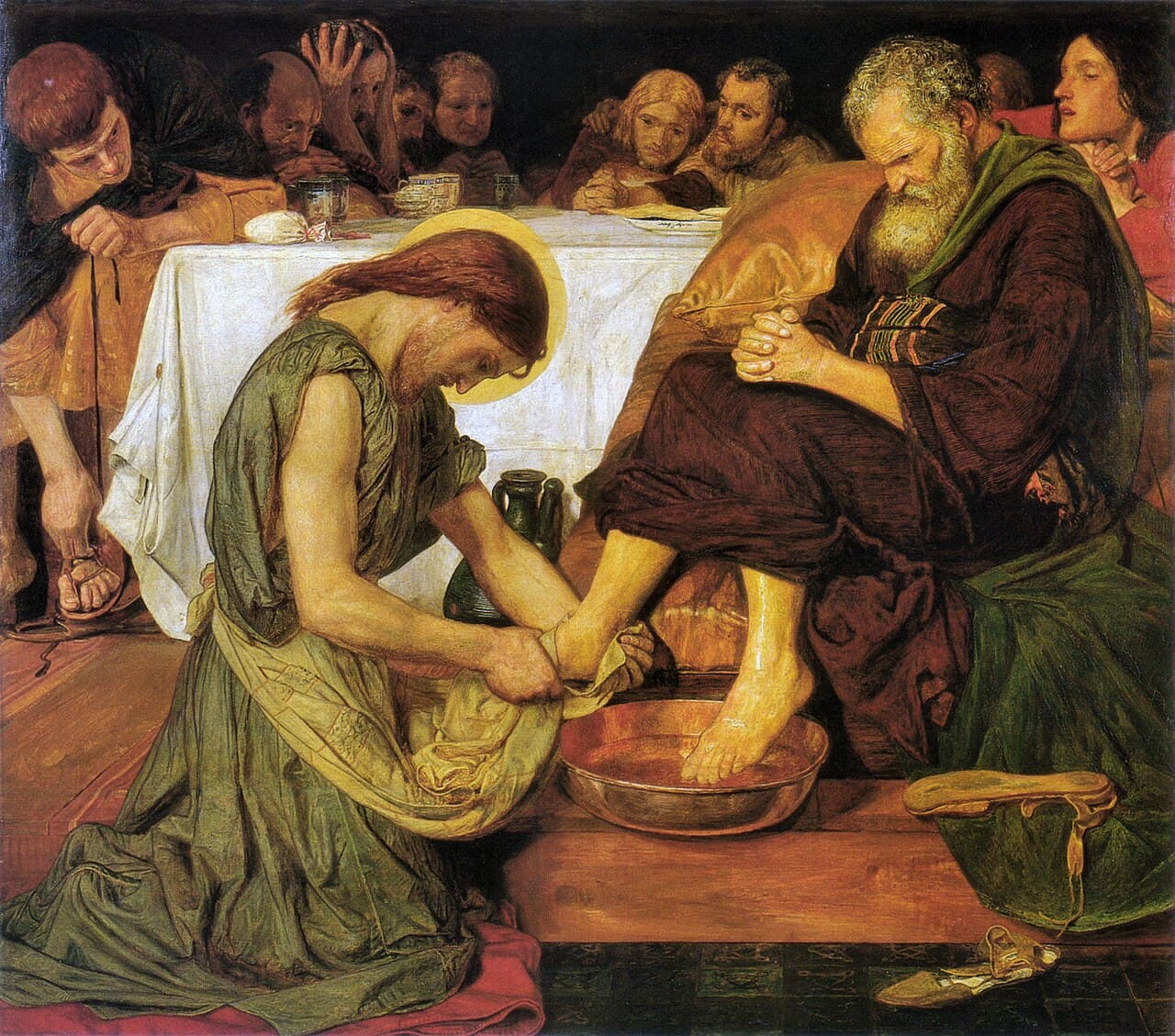
New Testament communities joined repentance, baptism, confession, restitution, mutual forgiveness, and restoration to communion. James instructs believers to confess sins to one another; Matthew gives the gathered church a disciplinary role; John associates the apostolic mission with retaining and forgiving sins.
How it was received
Early texts such as the Didache place confession before common prayer and Eucharist. These practices were not yet one standardized sacrament. They included direct confession to God, reconciliation with an offended neighbor, communal acknowledgment, and ecclesial restoration after serious failure.
Key voicesApostolic church · Clement of Rome · Didache
![Russian icon: Cyprian of Carthage Heiligenlexikon.de Image was kindly "publicized" by ÖHL [1]](/_next/image?url=%2Fimages%2Fhistory%2Fsections%2Fcyprian-of-carthage-3c7cb566.jpg&w=3840&q=75&dpl=dpl_7eb3JpnMe4ekXihsASES3CnRvKef)
c. 150–450
The hard problem of sin after baptism
What happened
As baptism was understood to cleanse the old life, grave post-baptismal sin posed a crisis. The Shepherd of Hermas allowed a severe post-baptismal repentance; later churches developed public orders of penitents. After the Decian persecution, Cyprian defended a path for the lapsed to return while resisting both automatic readmission and permanent exclusion.
How it was received
Discipline varied by place and offense. Penance could involve long periods of fasting, prayer, exclusion from communion, and public acknowledgment before episcopal reconciliation. It was commonly exceptional and burdensome, not the frequent private practice later familiar in the West.
Key voicesCyprian of Carthage · Donatists · Augustine

500–1100
Private and repeatable confession
What happened
Insular monastic practice helped spread repeatable private confession accompanied by assigned remedies catalogued in penitential books. The change was gradual and uneven: public penance did not disappear at once, and private spiritual disclosure had older monastic precedents.
How it was received
As the practice spread through the Latin West, confession became more regular and individualized. The priest increasingly appeared as spiritual physician and minister of reconciliation, while debates continued over contrition, satisfaction, canonical penalties, and the relation between divine forgiveness and ecclesial absolution.
Key voicesBenedict · Gregory the Great · Penitential books
1215–1439
Lateran IV regularizes what it did not invent
What happened
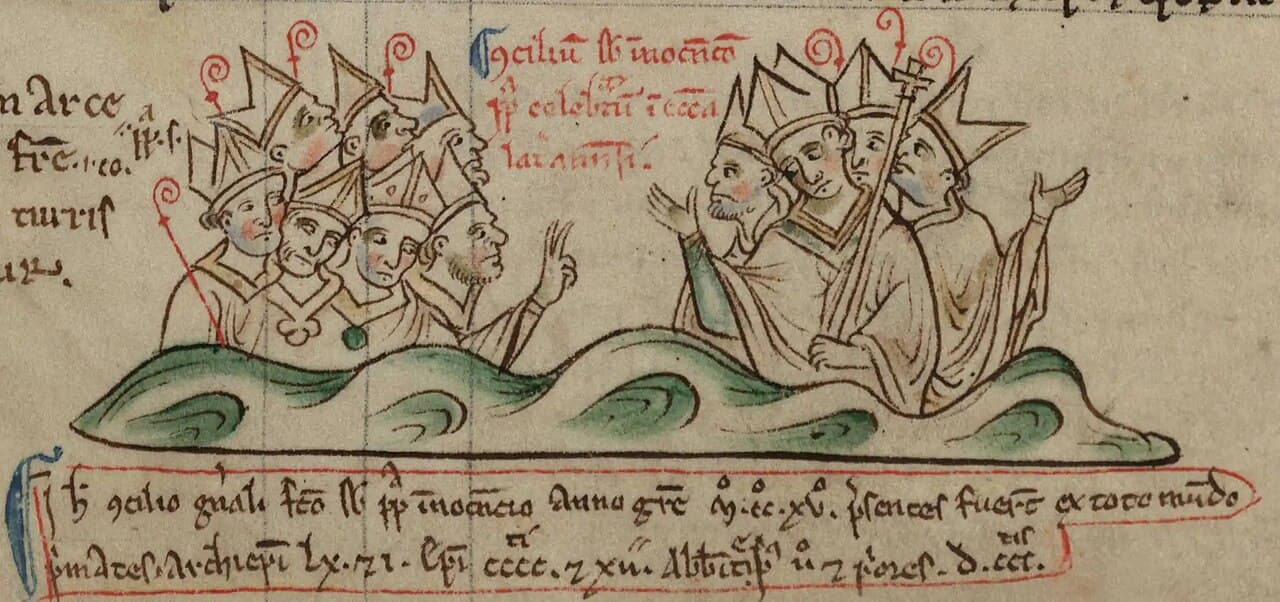
Lateran IV required the faithful who had reached the age of discretion to confess their sins to their own priest at least annually and receive the Eucharist at Easter. The council standardized an obligation and protected the seal of confession; it did not create confession from nothing.
How it was received
Scholastic theology analyzed the sacrament through contrition, confession, satisfaction, and absolution. Debates over perfect and imperfect contrition, the priest's judicial authority, and temporal penalties helped connect penance to indulgences and purgatory without making those topics identical.
Key voicesLateran IV · Thomas Aquinas · Council of Constance
1517–1563
Luther's protest—and confession retained
What happened
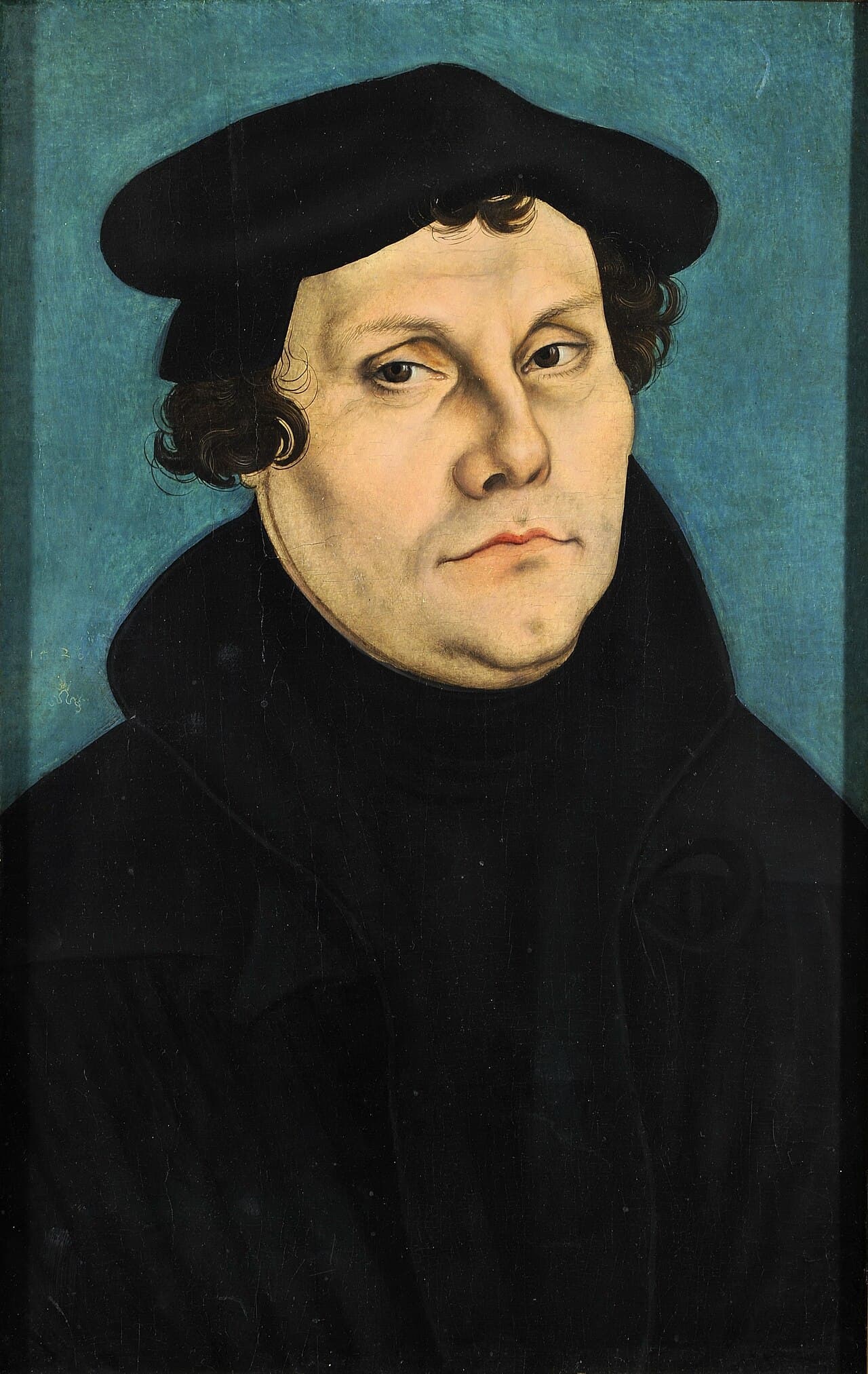
The indulgence controversy attacked the penitential economy at its most vulnerable point. Luther denied that human satisfactions purchase forgiveness and rejected compulsory enumeration of every sin. Yet Lutheran confessions retained private absolution and described repentance as contrition joined to faith in the Gospel promise.
Primary source“Private Absolution ought to be retained in the churches, although in confession an enumeration of all sins is not necessary.”
— Augsburg Confession XI, 1530
How it was received
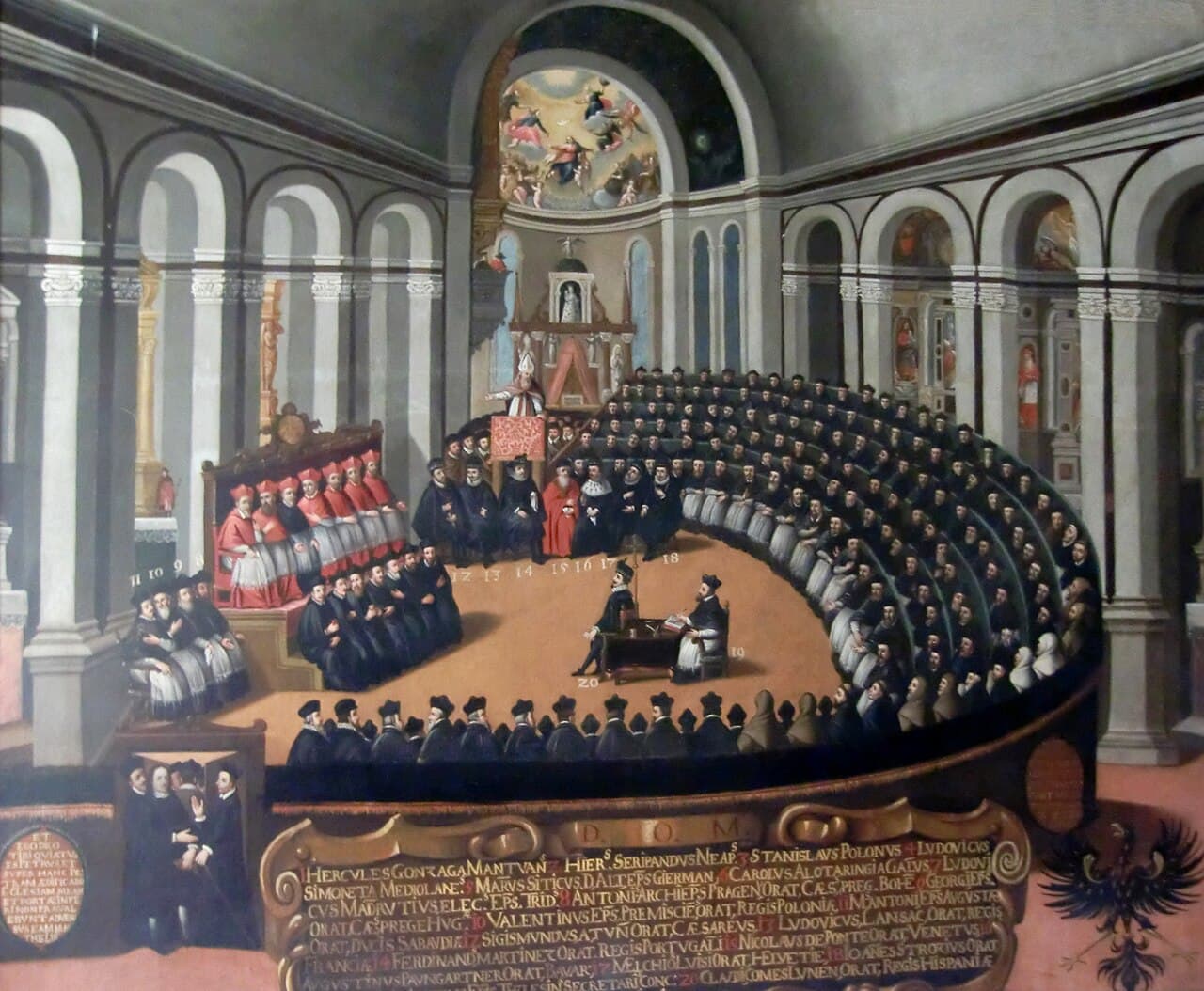
Reformed churches generally reduced or abandoned auricular confession as a sacrament while retaining pastoral discipline, corporate confession, and declaration of pardon. Trent responded by defining penance as a sacrament for post-baptismal sin and teaching contrition, confession, and satisfaction as its integral acts.
Key voicesMartin Luther · Augsburg Confession · Council of Trent
1563–1900
Confessional, revival, and conversion
What happened
Post-Tridentine Catholic practice regularized confession through seminaries, manuals, and the confessional. Orthodox churches maintained confession as a mystery of reconciliation, often joined to spiritual direction, without reproducing every Latin scholastic distinction.
How it was received
Protestant revivalism relocated repentance into conversion preaching, public testimony, anxious benches, class meetings, and pastoral counsel. Methodists combined searching self-examination with assurance of forgiveness; free churches emphasized direct confession to God while still practicing corporate confession and church discipline in varied forms.
Key voicesCouncil of Trent · John Wesley · Jonathan Edwards
1900–today
Reconciliation recovered
What happened
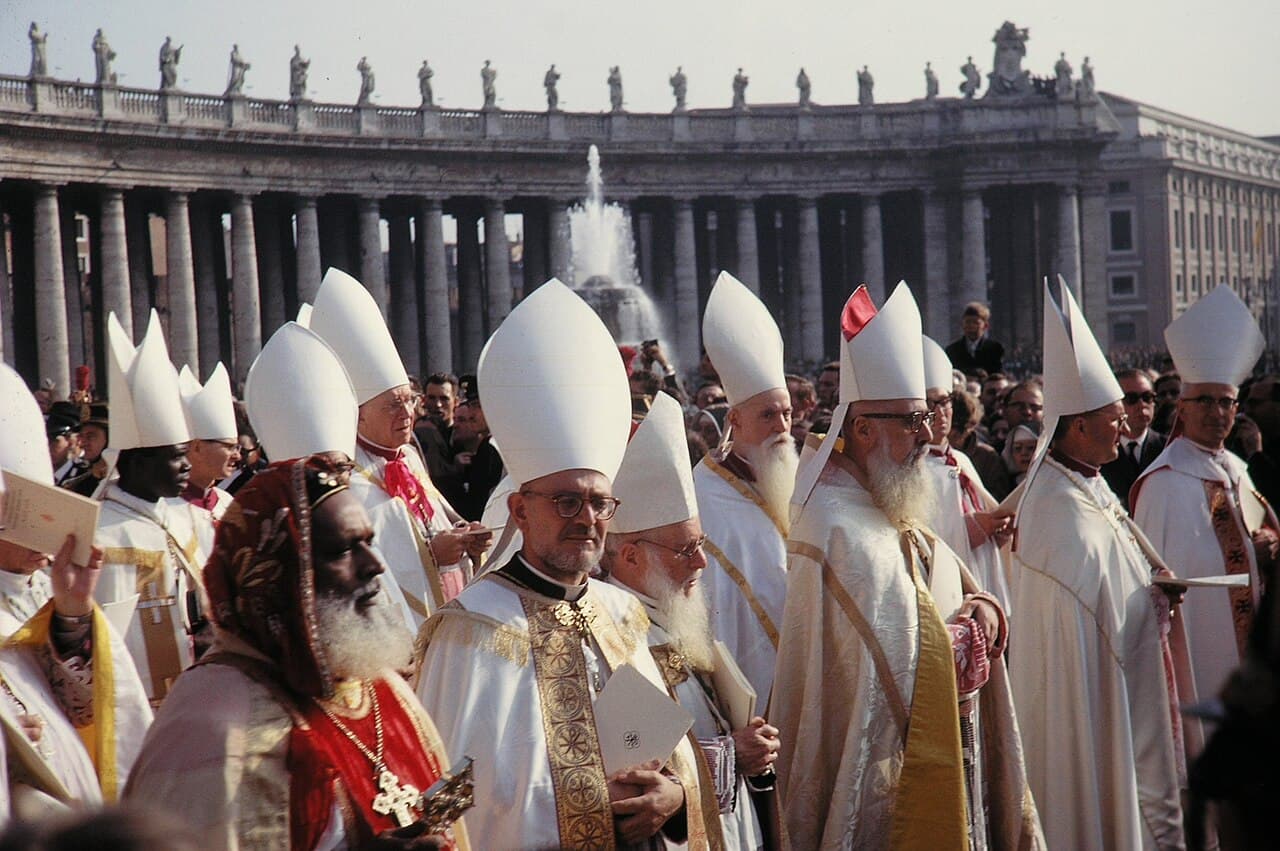
Twentieth-century Catholic renewal recovered the communal and baptismal dimensions of penance, and the postconciliar rite commonly names the sacrament Reconciliation. Catholic–Lutheran dialogue has clarified shared convictions about divine initiative and the Gospel promise while leaving sacramental structure and required confession unresolved.
How it was received
Today Catholic and Orthodox Christians retain sacramental confession; Lutheran and Anglican traditions retain optional private confession and absolution in some forms; Reformed and free churches emphasize direct confession to God, corporate prayer, pastoral accountability, and restorative discipline. Practice within every communion varies widely.
Key voicesVatican II · JDDJ 1999 · Karl Rahner
The present landscape
Where the traditions stand today
Catholic
Penance/Reconciliation is a sacrament for sins after baptism, ordinarily involving contrition, confession to a priest, absolution, and satisfaction.
Orthodox
Confession is a mystery of healing and reconciliation before God in the presence of a priest, with strong emphasis on spiritual medicine rather than a uniform juridical scheme.
Protestant
Lutheran and some Anglican churches retain private confession and absolution; Reformed, Baptist, and evangelical churches usually stress direct confession to God, corporate confession, pastoral counsel, and discipline.