The argument through time
History enters the room.
c. 160 BC–250 AD
Prayer for the dead — before any theory
What happened
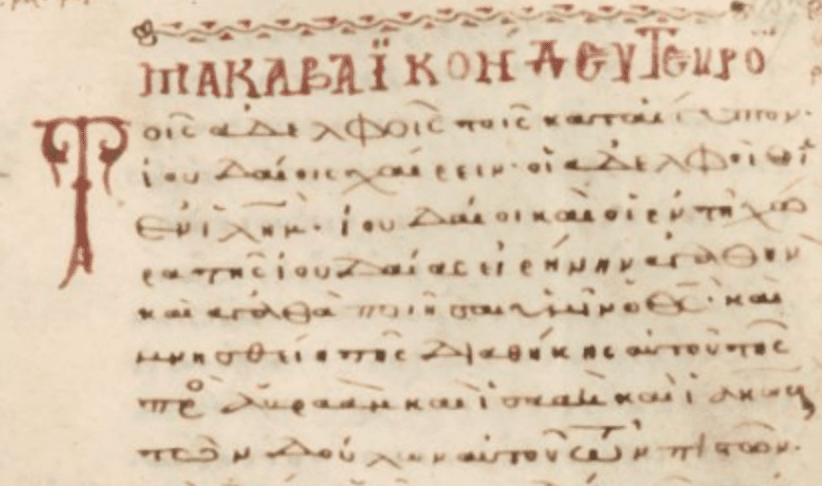
Judas Maccabeus offered sacrifice for fallen soldiers 'that they might be delivered from their sin' (2 Maccabees 12) — Scripture for Catholics and Orthodox, apocrypha for Protestants, and either way evidence of pre-Christian Jewish prayer for the dead. Early Christian epitaphs ask for refreshment and peace for the departed; Tertullian reports Eucharists offered for the dead on their anniversaries 'as a matter of long custom.'
Primary source“We offer sacrifices for the dead on their birthday anniversaries.”
— Tertullian, The Crown 3, c. 211
How it was received
Perpetua, awaiting martyrdom (203), prayed her dead brother Dinocrates out of distress into refreshment — the most vivid early snapshot of the instinct the later doctrine would systematize. Paul's 'saved, but only as through fire' (1 Cor 3:15) supplied the recurring proof text.
Key voices2 Maccabees · Perpetua · Tertullian · Cyprian
397–604
Augustine's 'not incredible' and Gregory's stories
What happened
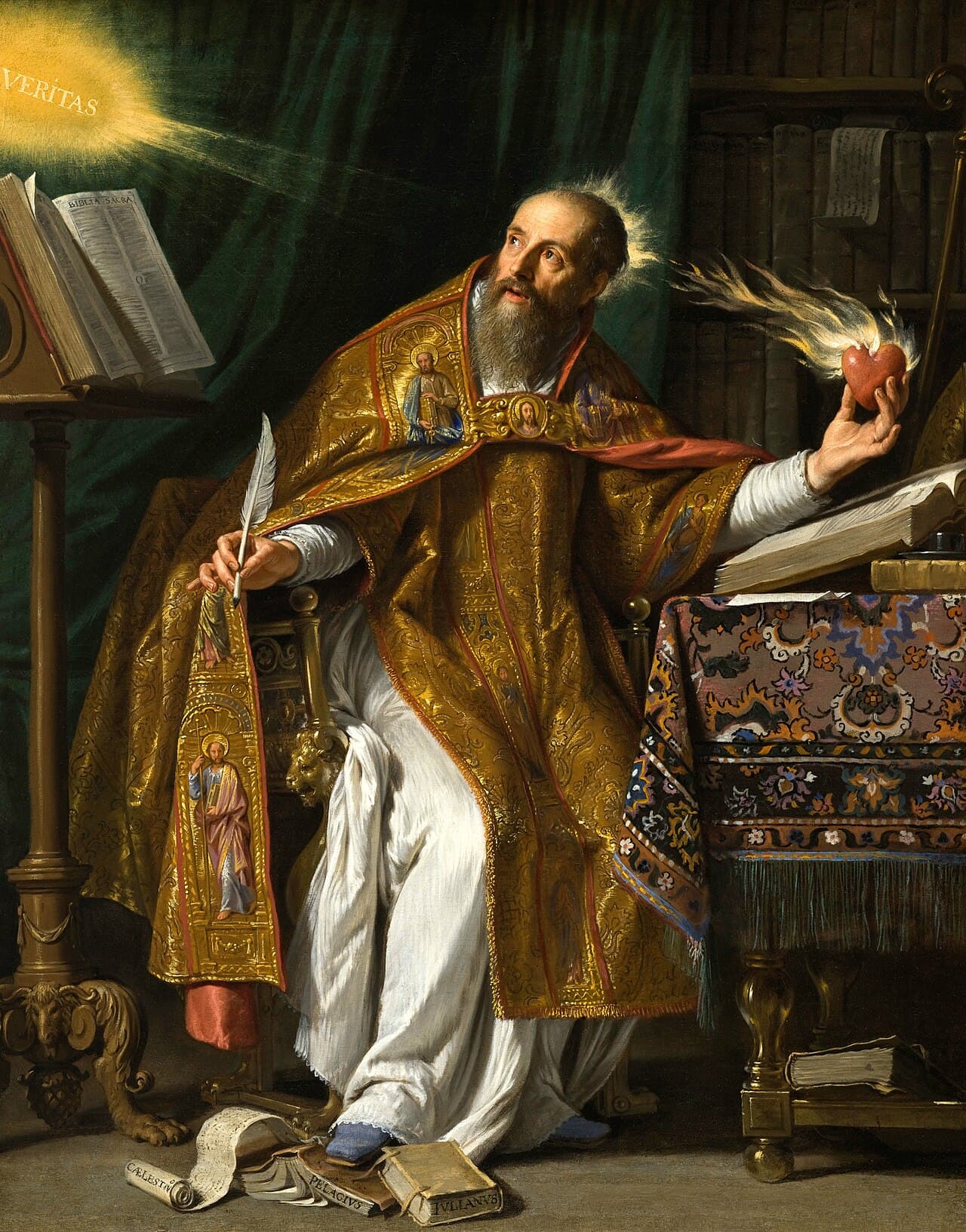
Augustine prayed for his mother Monica at every altar and reasoned carefully: some of the dead are so good they need nothing, some so bad nothing helps — and some in between are aided by the prayers of the church. A purifying fire after death he judged 'not incredible.' Tentative, but enough to build on.
Primary source“That there should be some such fire after this life is not incredible.”
— Augustine, Enchiridion 69, c. 421
How it was received
Gregory the Great built on it: his Dialogues teem with souls appearing from purgatorial fire, asking for Masses. Gregory fixed the pastoral machinery — Masses for the dead — that would define Western piety for a millennium.
Key voicesAugustine · Monica · Gregory the Great
1170–1274
The birth of purgatory
What happened
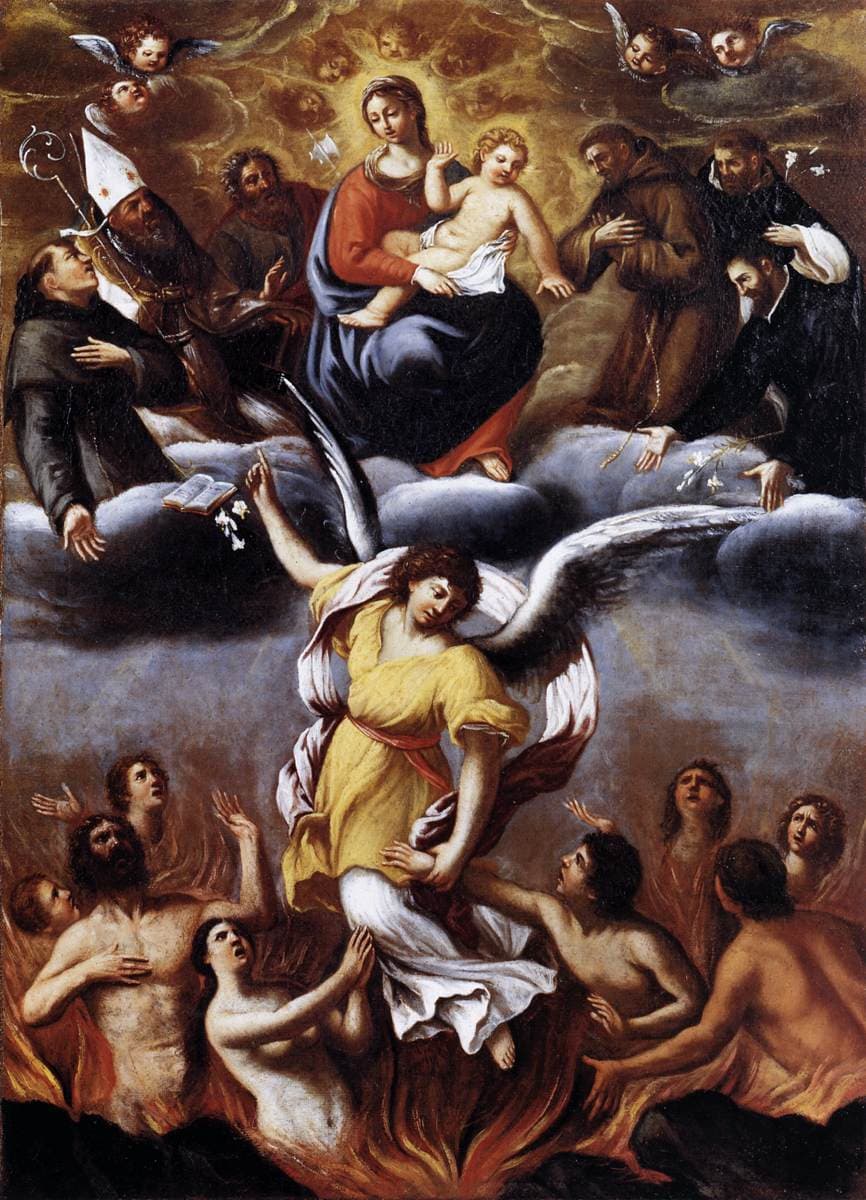
In the late twelfth century the noun purgatorium became common for a distinct postmortem state or place of purification. Jacques Le Goff famously called this the 'birth of purgatory'; other historians stress the much earlier ideas and practices from which the medieval formulation evolved. Dante later gave it its most influential imaginative geography.
How it was received
The Second Council of Lyon (1274) made it doctrine: souls dying penitent but imperfectly purified are cleansed after death and 'are helped by the suffrages of the living' — Masses, prayers, alms. Indulgences, originally remissions of earthly penance, attached themselves to the dead — a fateful extension.
Key voicesJacques Le Goff's 12th century · Dante's Purgatorio · Lyon II
1476–1563
The indulgence machine and the Reformation's axe
What happened
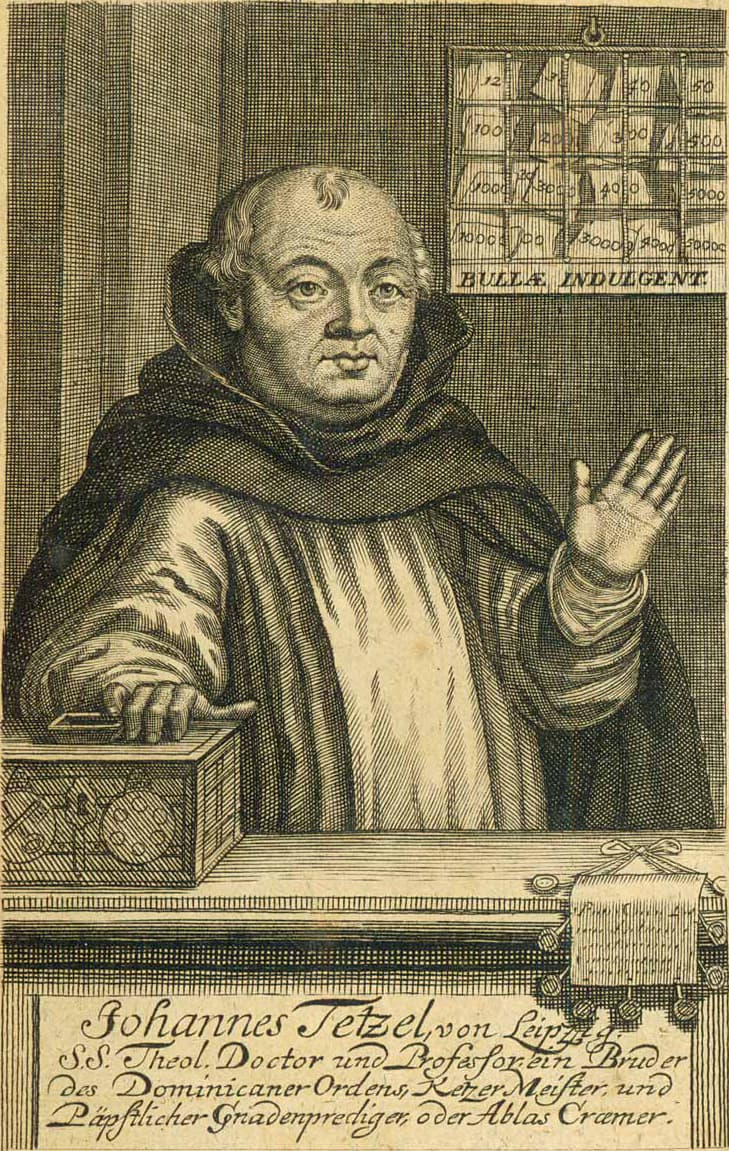
By the late Middle Ages purgatory ran an economy: chantry chapels, Mass endowments, and papal indulgences for the dead — Tetzel's jingle ('when the coin in the coffer rings…') was its crudest advertisement, and Luther's 95 Theses (1517) its undoing. What began as a protest against abuse became rejection of the doctrine: unscriptural, an affront to Christ's finished work.
Primary source“The Romish doctrine concerning Purgatory… is a fond thing, vainly invented, and grounded upon no warranty of Scripture, but rather repugnant to the Word of God.”
— Thirty-Nine Articles, art. XXII, 1571
How it was received
Protestant confessions made it official — the 39 Articles called purgatory 'a fond thing, vainly invented' — and the intermediate state simplified to being 'with Christ' (or asleep in Christ) awaiting resurrection. Trent reaffirmed purgatory and suffrages (1563) while ordering the abuses curbed; prayer for the dead vanished from Protestant liturgies, leaving a pastoral silence around grief that some Protestants still remark on.
Key voicesJohann Tetzel · Martin Luther · Council of Trent
1500s–1900s
The East's different map
What happened
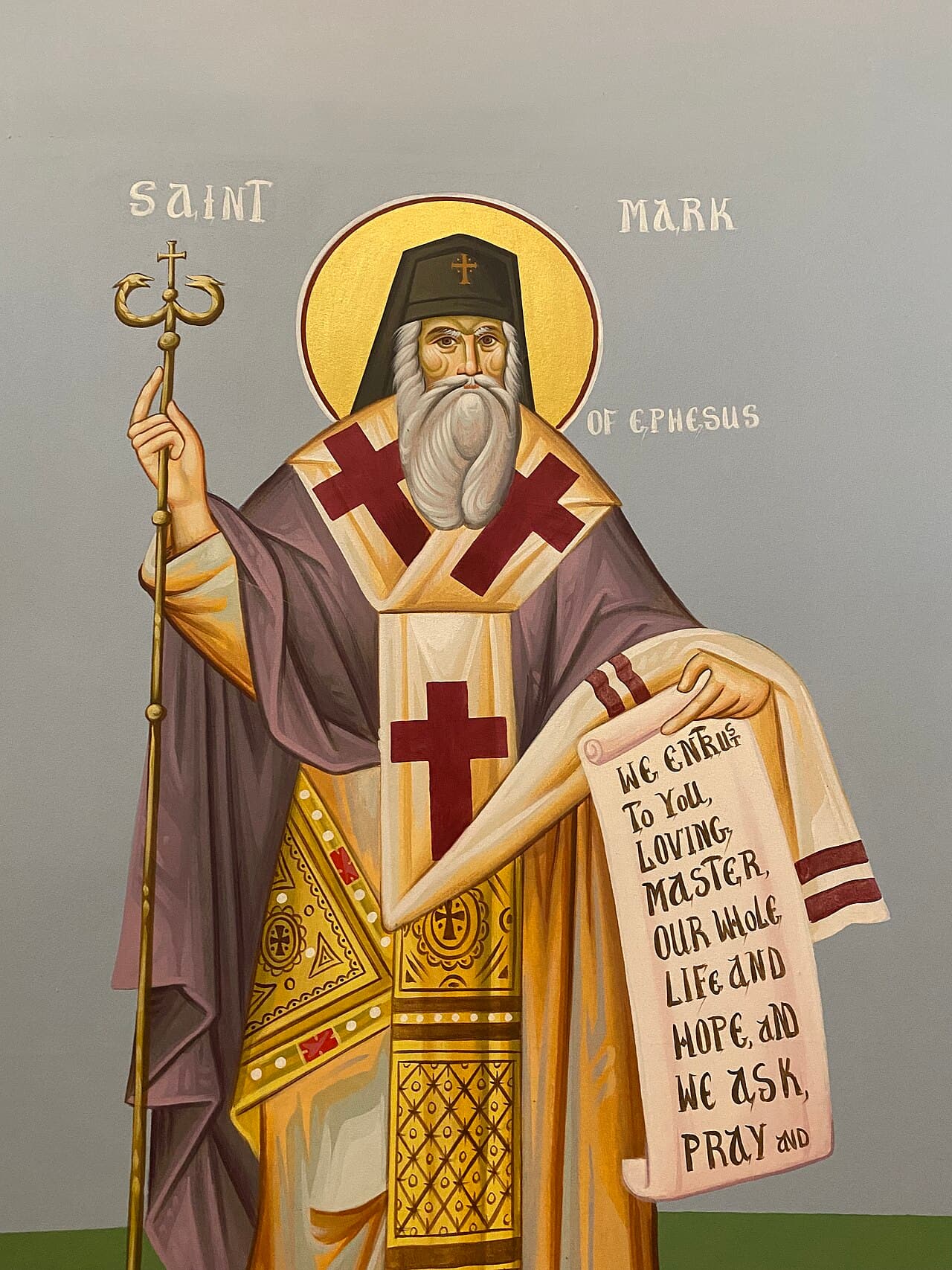
Orthodoxy prays for the dead as ardently as Rome — memorial services, kollyva, whole liturgical seasons — while declining the Western apparatus: no defined purgatory, no satisfaction-payments, no indulgences. At Florence (1439) the Greeks accepted purification but balked at the fire and the geography.
How it was received
Popular Orthodox tradition developed its own imagery (the 'aerial toll houses' the soul passes after death) — vivid, contested, and never dogma. The shared core across East and West: the dead are not beyond the reach of love and prayer.
Key voicesMark of Ephesus · Orthodox memorial tradition
1940–today
Purification as encounter
What happened
Modern Catholic theology quietly re-described purgatory: less a place serving time, more a process — the soul's searing, healing encounter with Christ. Benedict XVI's Spe Salvi (2007) made it near-official: the Lord's gaze itself is the fire that burns and saves. Duration in years, the catechism now notes, misses the point.
Primary source“His gaze, the touch of his heart, heals us through an undeniably painful transformation, 'as through fire.' But it is a blessed pain.”
— Benedict XVI, Spe Salvi 47, 2007
How it was received
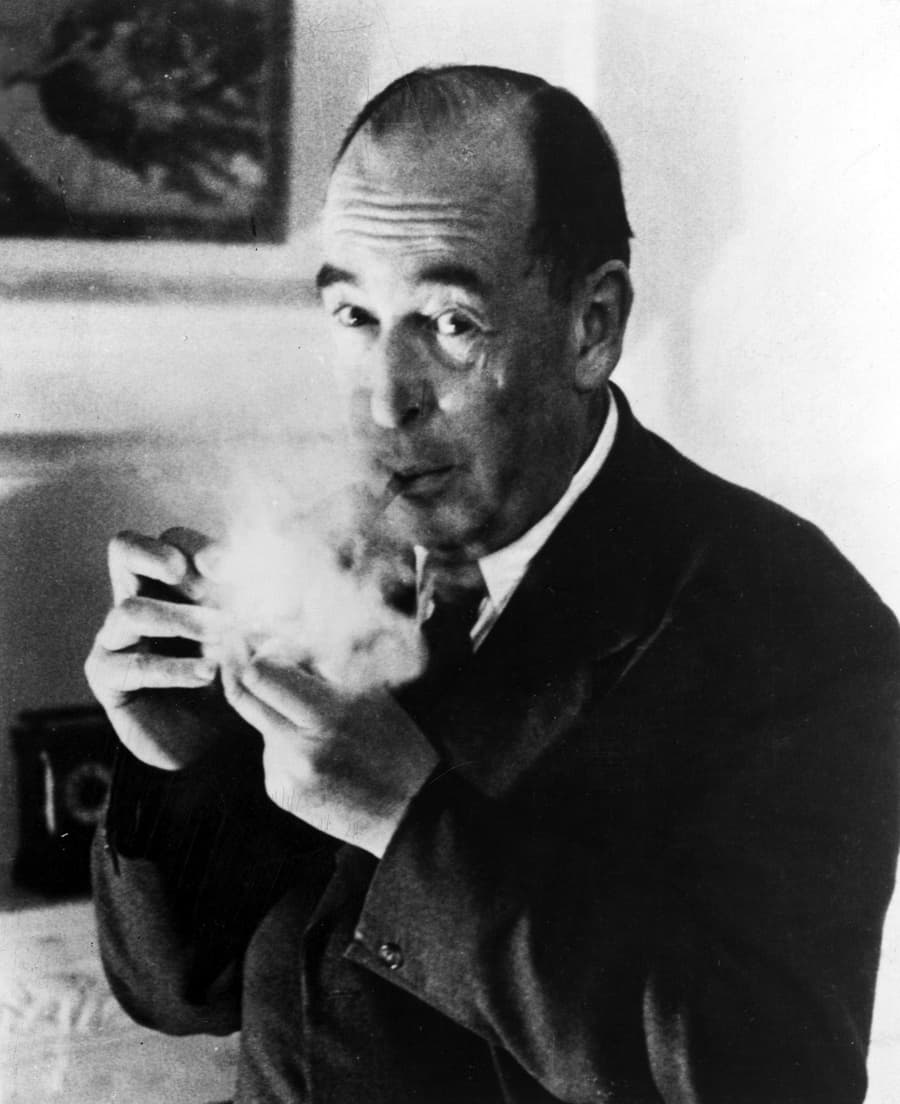
C.S. Lewis, an Anglican, wrote cheerfully that he believed in purgatory ('our souls demand it') and prayed for his dead — signs of a broader Protestant softening toward prayer for the dead, if not toward the doctrine. The old fight has become almost gentle: everyone agrees the dead are in Christ's hands; the argument is over what, if anything, we can do about it.
Key voicesC.S. Lewis · Benedict XVI · Catechism of the Catholic Church
The present landscape
Where the traditions stand today
Catholic
Purgatory is the final purification of those who die in grace but imperfectly purified; the living assist the dead by prayer, alms, indulgences, and above all the Mass.
Orthodox
Vigorous prayer for the dead within a deliberately undefined intermediate state; the Western doctrine of purgatory (fire, satisfaction, indulgences) is rejected.
Protestant
At death believers are with Christ awaiting resurrection; purgatory is denied and prayer for the dead generally discontinued — with Anglo-Catholic and some Lutheran exceptions, and Adventists holding soul sleep.