The argument through time
History enters the room.
c. 30–100
Maranatha: the imminent hope
What happened
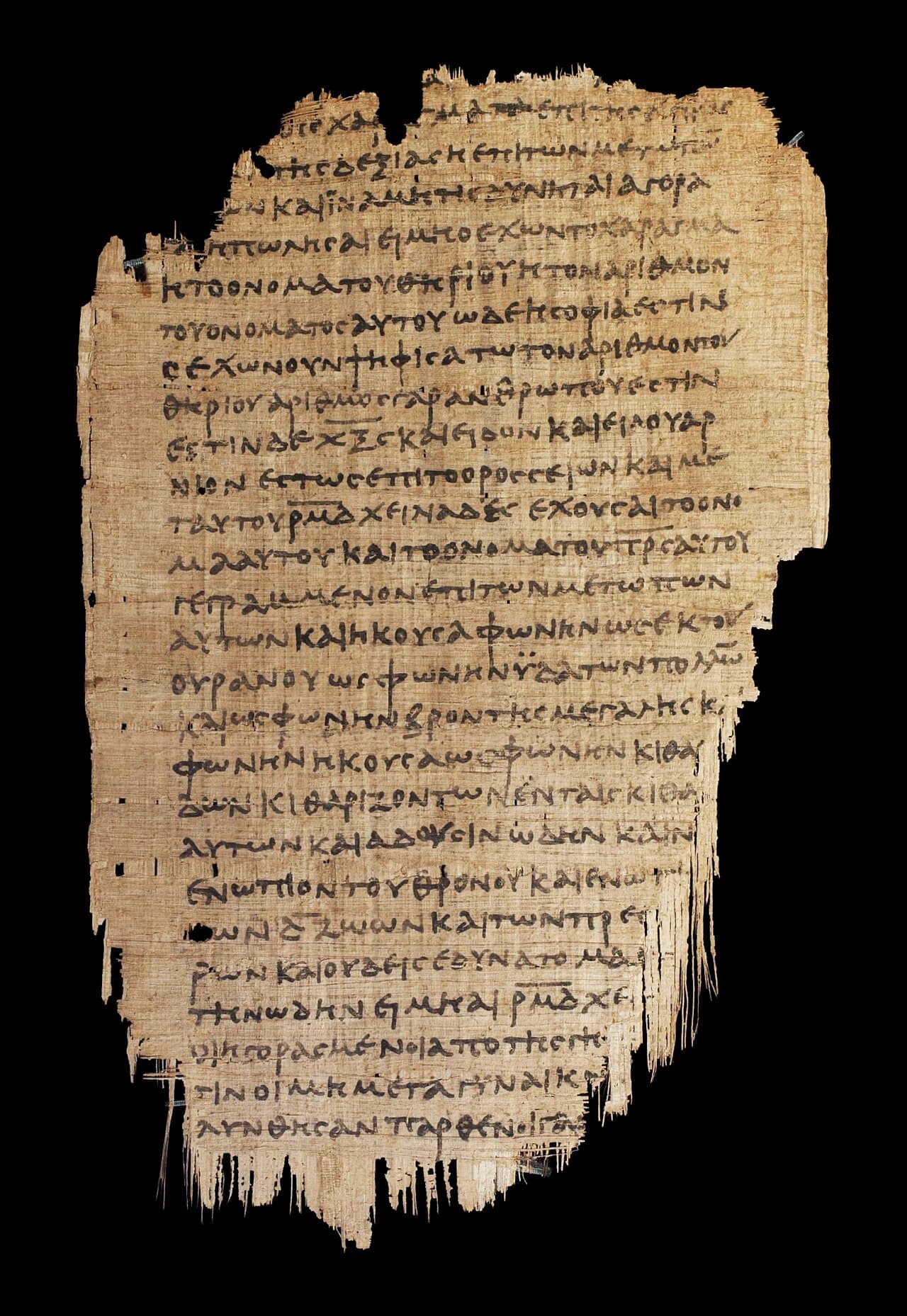
The first generation prayed 'Our Lord, come!' and wrestled with the delay (2 Peter 3: a day is as a thousand years). Revelation 20 — Satan bound, the saints reigning with Christ 'a thousand years' — entered the canon late and contested, and became the single most consequential ambiguous passage in Christian history.
How it was received
Jesus' own words cut both ways: signs to watch for, and 'about that day or hour no one knows.' Every later system is an attempt to hold those together.
Key voicesRevelation 20 · 1 Thessalonians · Olivet Discourse

100–300
Chiliasm: the early church's earthy expectation
What happened
Many of the earliest fathers — Papias (with his fabulously fruitful vines), Justin, Irenaeus, Tertullian — expected a literal millennium: Christ returning to reign on a renewed earth centered at Jerusalem. Justin admits other 'right-minded' Christians disagreed, but calls the hope the mark of full orthodoxy.
Primary source“But I and others, who are right-minded Christians on all points, are assured that there will be a resurrection of the dead, and a thousand years in Jerusalem, which will then be built, adorned, and enlarged.”
— Justin Martyr, Dialogue with Trypho 80, c. 160
How it was received
The Montanist movement, expecting the New Jerusalem to descend in Phrygia, gave millennial enthusiasm its first bad name; Alexandrian theologians (Origen, Dionysius) attacked chiliasm as crude literalism and nearly got Revelation expelled from the Eastern canon in the process.
Key voicesPapias · Justin Martyr · Irenaeus · Montanists
397–430
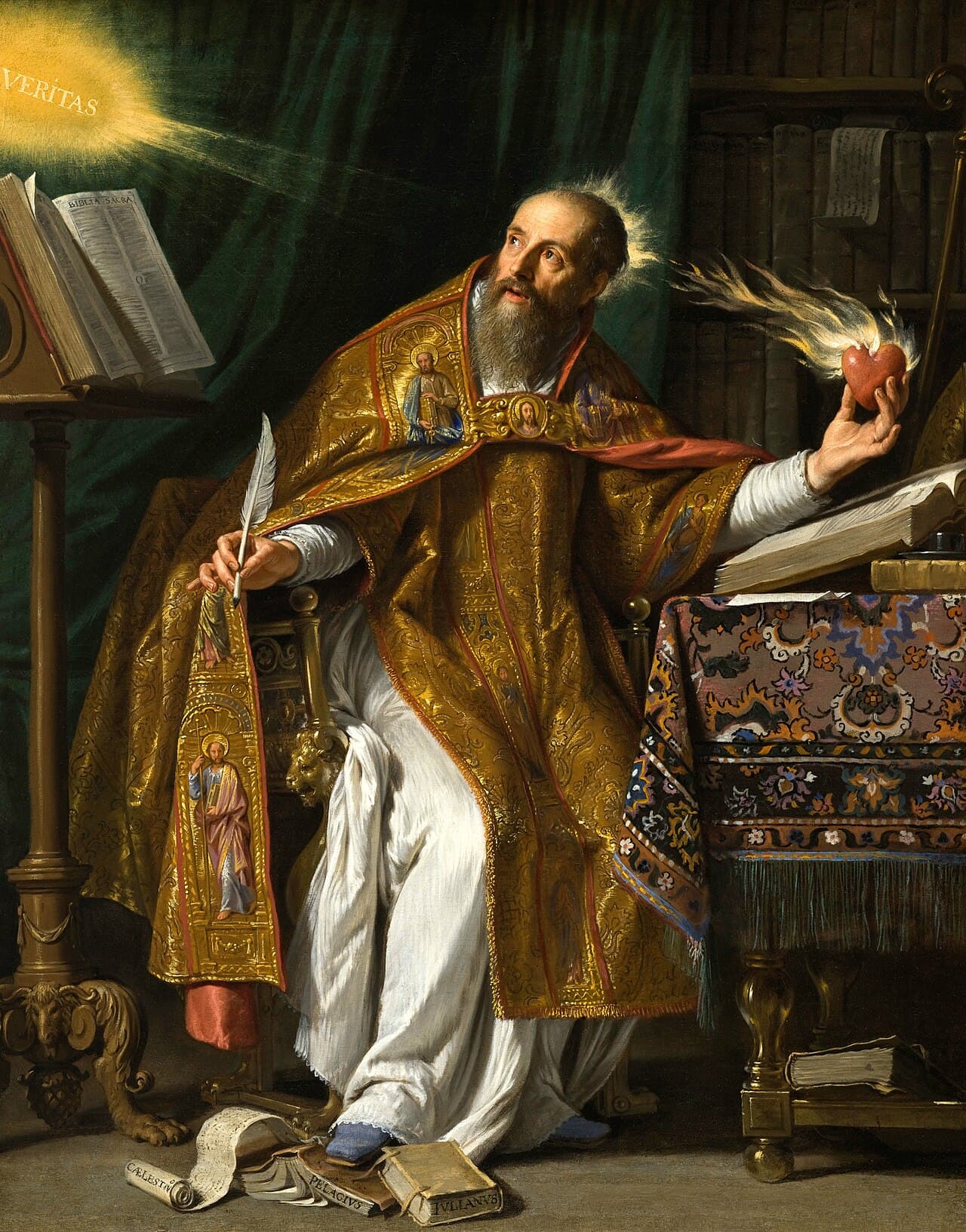
Augustine: the millennium is now
What happened
Augustine, once drawn to chiliasm, reinterpreted Revelation 20 as the present age: Satan bound by Christ's first coming, the saints reigning now in the church, the 'first resurrection' being baptism. No future earthly kingdom — history simply runs until Christ returns for judgment.
Primary source“The Church even now is the kingdom of Christ and the kingdom of heaven. Accordingly, even now his saints reign with him.”
— Augustine, City of God 20.9, c. 426
How it was received
This amillennialism became the near-unanimous position of Catholicism, Orthodoxy, and (later) the magisterial Reformation for over a thousand years. Chiliasm survived only at the margins — where it periodically caught fire.
Key voicesAugustine · Tyconius
1190–1535
Joachim, Taborites, Münster: the recurring fire
What happened
Joachim of Fiore's three ages (Father, Son, and a coming age of the Spirit, c. 1190) re-licensed prophetic timetables; radical Franciscans, Hussite Taborites, and finally the Anabaptist kingdom of Münster (1534–35) — polygamy, communal goods, a peasant 'King David,' and a lethal siege — showed what armed millennialism could become.
How it was received
Münster traumatized the Reformation: the Augsburg Confession had already condemned 'Jewish opinions' of an earthly reign, and for centuries afterward respectable Protestantism treated millenarianism as the theology of fanatics.
Key voicesJoachim of Fiore · Taborites · Münster 1534–35
1630–1859
Postmillennial optimism
What happened
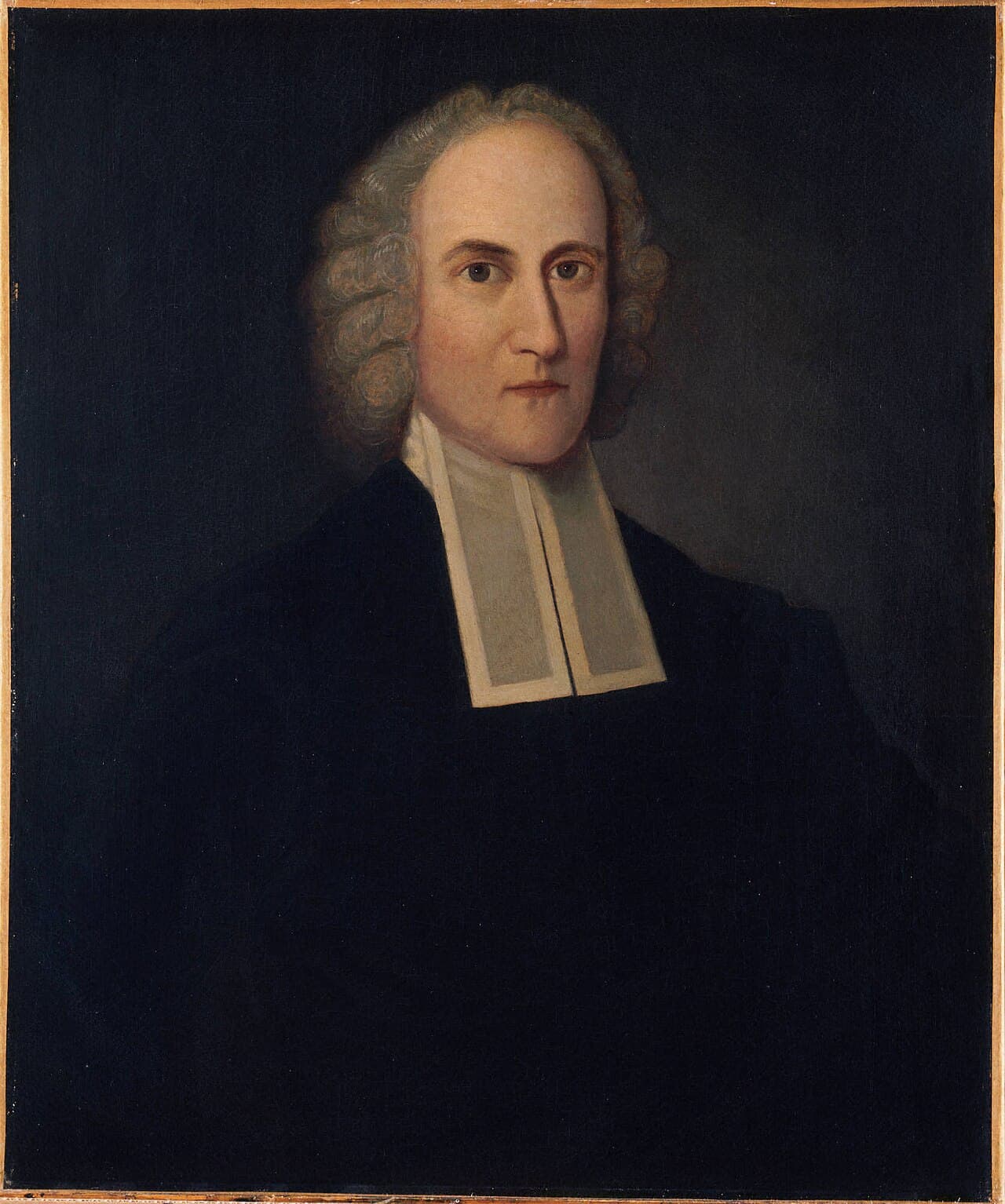
Puritan and evangelical divines developed a hopeful alternative: the gospel, spreading through ordinary means, will christianize the world into a long golden age — the 'millennium' — after which Christ returns. Jonathan Edwards dated its dawn hopefully; the great missionary societies and reform movements (abolition among them) ran on postmillennial fuel.
How it was received
It was the default eschatology of Anglo-American Protestantism for two centuries — until the world stopped cooperating.
Key voicesJonathan Edwards · William Carey · 19th-century reform movements
1830–1909
Darby's rapture and the Millerite disappointment
What happened
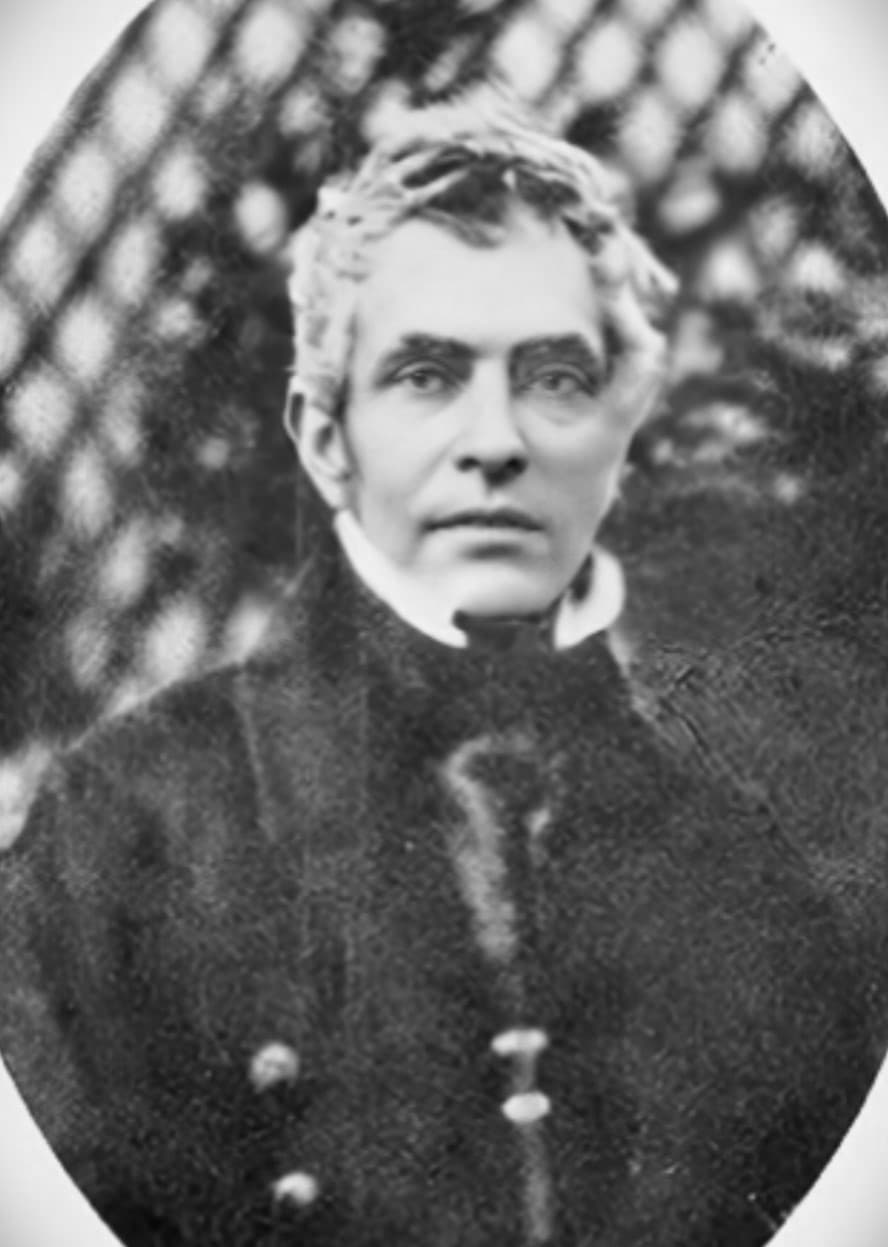
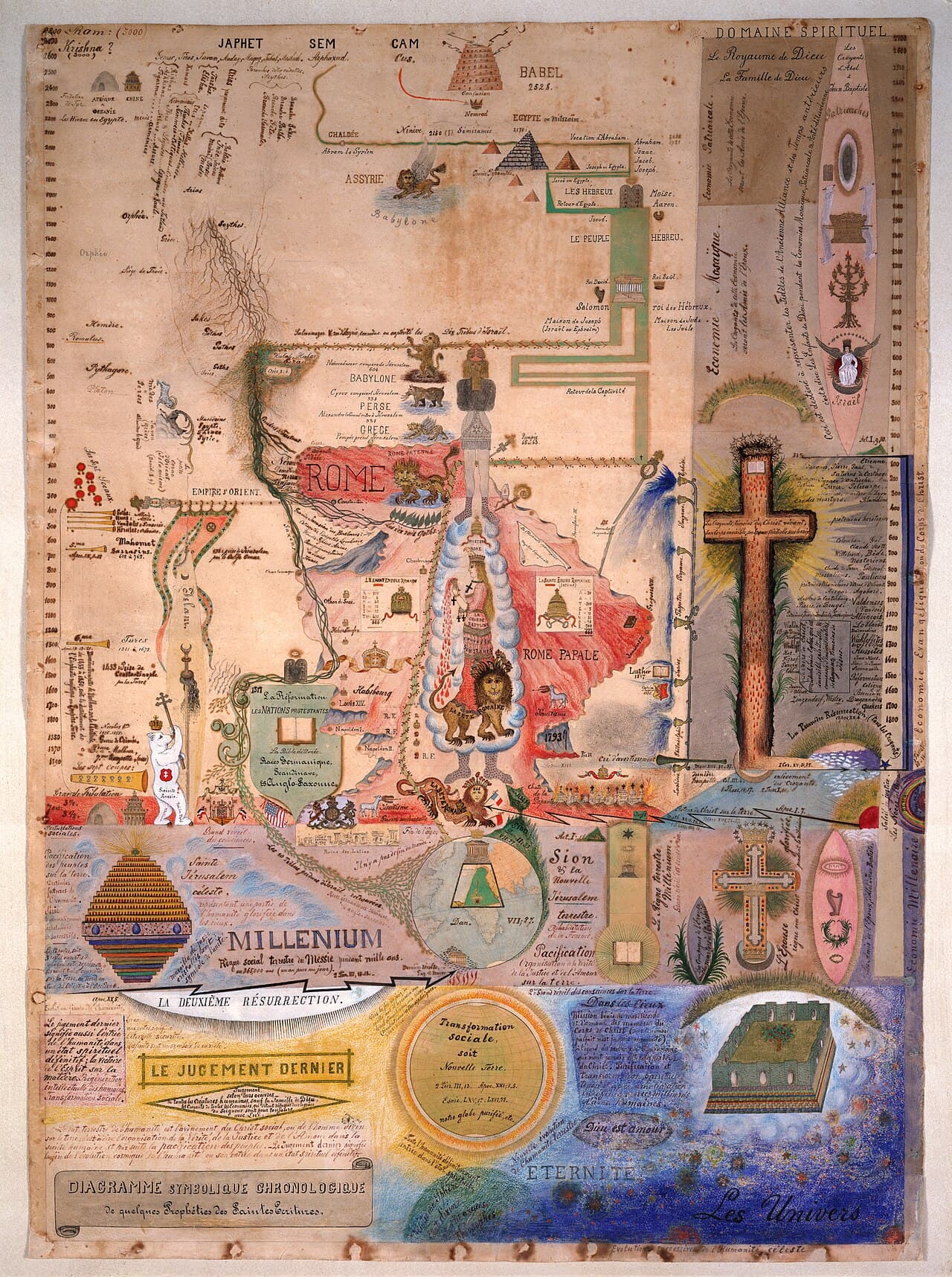
John Nelson Darby, an Anglo-Irish former clergyman, systematized dispensationalism: distinct dispensations, a sharp distinction between Israel and the church, and a rapture of the church before a future tribulation followed by Christ's visible return and millennium. Scholars debate possible precursors, but the developed pretribulation system is first clearly documented in Darby's nineteenth-century movement and spread widely through the Scofield Reference Bible (1909).
How it was received
Meanwhile William Miller calculated Christ's return for October 22, 1844; the Great Disappointment birthed Seventh-day Adventism, and Charles Taze Russell's recalculations birthed the Jehovah's Witnesses — the failed-date pattern repeating like clockwork.
Key voicesJohn Nelson Darby · William Miller · C.I. Scofield
1948–today
Prophecy bestsellers and the scholarly 'already/not yet'
What happened
Israel's founding in 1948 electrified dispensational interpretation. Hal Lindsey's The Late Great Planet Earth (1970) became one of the era's most successful religious books, and the Left Behind novels (1995–) sold tens of millions. Historians continue to debate how much premillennial expectation has shaped American attitudes toward the Middle East.
Primary source“The Antichrist's deception already begins to take shape in the world every time the claim is made to realize within history that messianic hope which can only be realized beyond history.”
— Catechism of the Catholic Church 676, 1992
How it was received
Academic theology converged elsewhere: the kingdom as 'already and not yet' (inaugurated eschatology — Ladd), historic premillennialism without rapture charts, and the Catholic and Orthodox refusal of all millenarianism (the Catechism explicitly rejects it, including 'even under the form of secular messianism'). The one shared certainty is the creed's: 'he will come again in glory to judge the living and the dead.'
Key voicesHal Lindsey · George Eldon Ladd · Left Behind · CCC 676
The present landscape
Where the traditions stand today
Catholic & Orthodox
Amillennial: the church age is the reign of Christ; millenarianism is rejected; the hope is his single glorious return, judgment, and the new creation.
Evangelical / Pentecostal
Widely premillennial — dispensational (with rapture) or historic (without); date-setting is officially discouraged and perennially attempted.
Mainline Protestant
Mostly amillennial or agnostic on the details, emphasizing inaugurated eschatology: the kingdom already at work, not yet complete.