The argument through time
History enters the room.
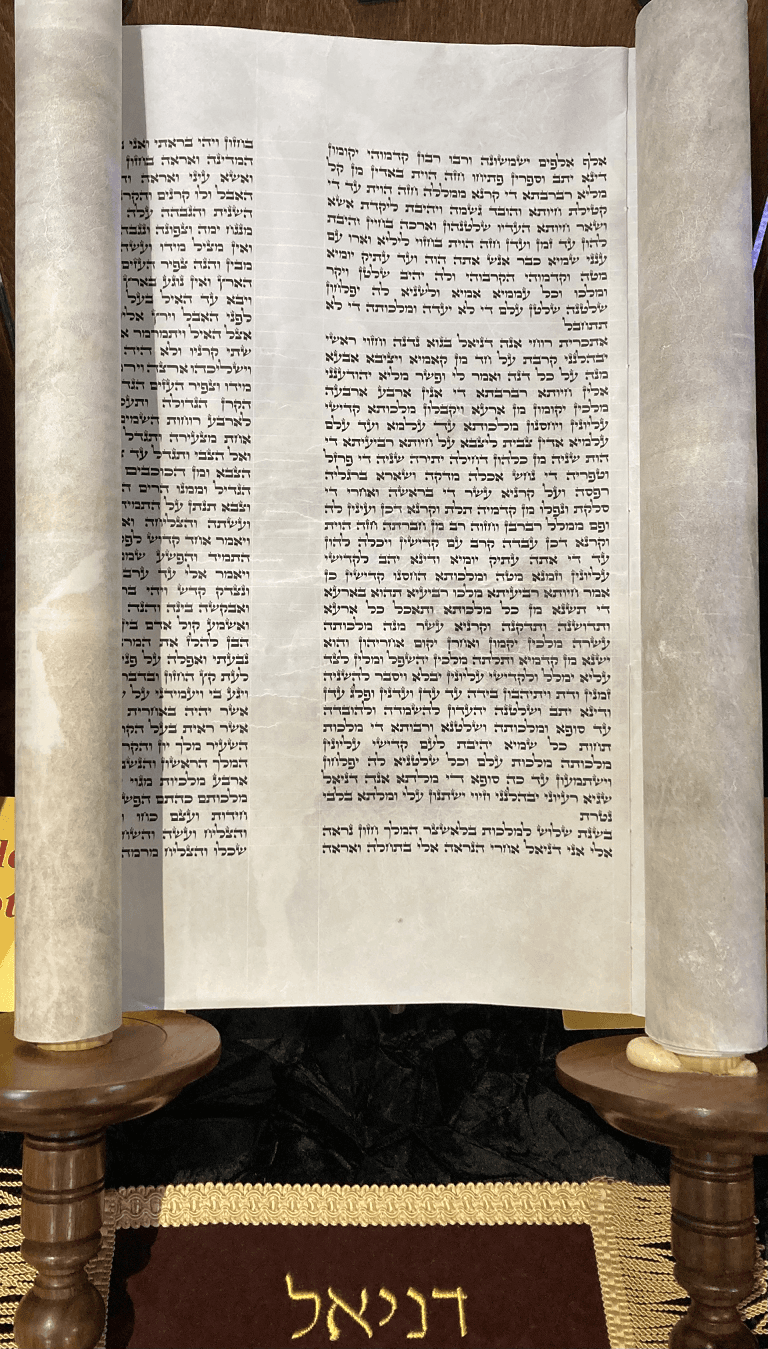
c. 30–150
Gehenna and the two ways
What happened
Jesus speaks of Gehenna, unquenchable fire, outer darkness, and — in the sentence that anchors the traditional doctrine — 'eternal punishment' set in parallel with 'eternal life' (Matthew 25:46). Revelation adds the lake of fire. But the imagery is various (fire, darkness, destruction, exclusion), and each strand would later ground a different theology.
Primary source“And these will go away into eternal punishment, but the righteous into eternal life.”
— Matthew 25:46
How it was received
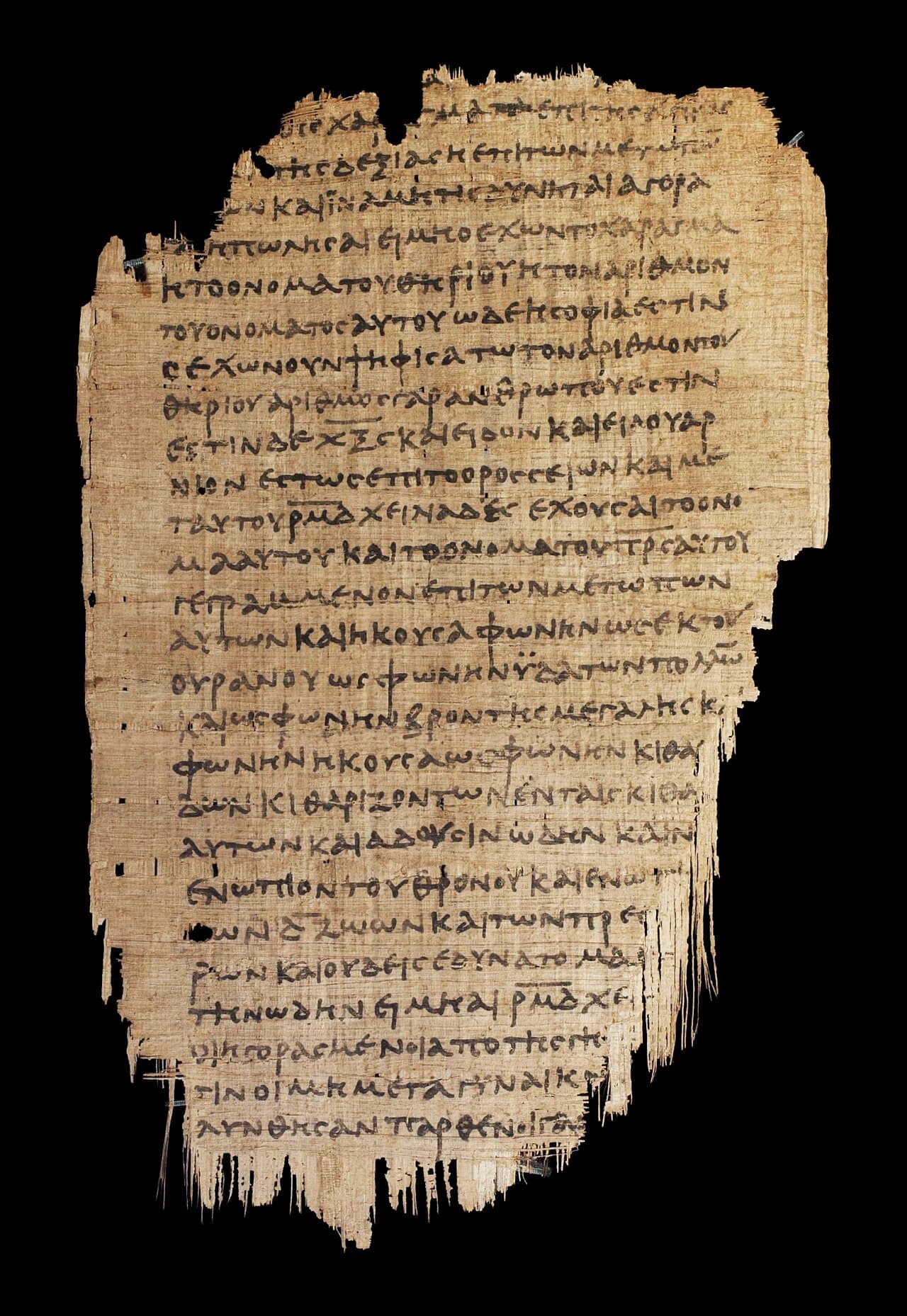
The earliest fathers largely repeat the warnings without theorizing. The second-century Apocalypse of Peter began the long tradition of guided tours of the damned — hugely popular, never canonical.
Key voicesSynoptic Gospels · Revelation · Apocalypse of Peter
c. 155–220
Everlasting punishment before Augustine
What happened
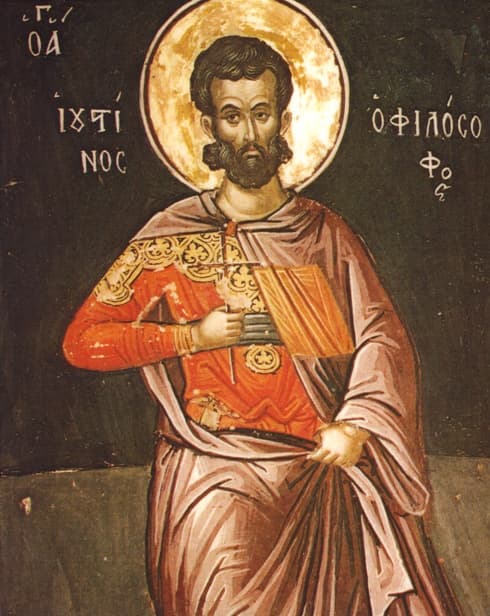
Everlasting conscious punishment is not a fourth-century invention. Around 155, Justin Martyr wrote that the wicked would be raised with 'eternal sensibility' and sent into everlasting fire. The second-century Apocalypse of Peter had already supplied an extended vision of post-judgment punishments, although its textual history and final scope remain debated.
Primary source“The wicked, endued with eternal sensibility, [are sent] into everlasting fire.”
— Justin Martyr, First Apology 52, c. 155 (condensed)
How it was received
The terminology needs care. Justin also denied that souls are immortal by nature; Tatian called the soul mortal but said it would rise into 'punishment in immortality'; Theophilus described Adam as capable of either mortality or immortality; and Irenaeus made created life dependent on God's will while also speaking of eternal fire. These are early witnesses to dependent or gifted immortality, but they do not all teach that the wicked finally cease to exist. Tertullian soon made continuing punishment more systematic.
Key voicesJustin Martyr · Apocalypse of Peter · Tertullian
185–394
Origen's wager: the restoration of all things
What happened
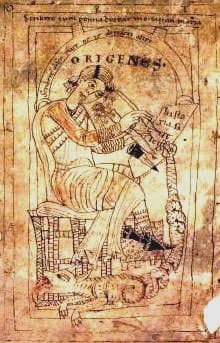
Origen of Alexandria described divine punishment as remedial and envisioned an eventual apokatastasis, or restoration, within a larger speculative system. Gregory of Nyssa wrote passages that many scholars read as universalist, although the scope and consistency of his position remain debated.
Primary source“…the goodness of God, through His Christ, may recall all His creatures to one end, even His enemies being conquered and subdued.”
— Origen, On First Principles 1.6.1, c. 225
How it was received
Nor was this fringe: Augustine complains of the 'very many' tender-hearted believers of his own day who doubted eternal torment. Universalism was a live minority reading of the East long before it was a modern liberal one.
Key voicesOrigen · Gregory of Nyssa · Clement of Alexandria
c. 305–310
Arnobius and the first explicit final annihilation
What happened
Modern discussions often bundle two claims under conditional immortality: that no creature possesses immortality independently of God, and that God will ultimately withdraw life from the wicked. Several second-century fathers affirm the first claim, but their accounts of final punishment differ. Justin and Tatian combine a mortal or dependent soul with continuing punishment after resurrection; Theophilus does not clearly settle the wicked's final state; and Irenaeus remains disputed because his language of dependent continuance sits alongside eternal-fire texts.
Primary source“They are cast in, and being annihilated, pass away vainly in everlasting destruction.”
— Arnobius, Against the Heathen 2.14, c. 305–310
How it was received
Arnobius of Sicca is much more explicit about the second claim. In Against the Heathen, he rejects the soul's natural immortality and says the wicked undergo prolonged punishment before final annihilation. His account did not become the dominant patristic position, but it is the earliest extant unambiguous Christian account of final nonexistence that this survey can responsibly identify.
Key voicesArnobius of Sicca · Irenaeus
413–553
Augustine's consolidation — and the condemnation of Origenism
What happened
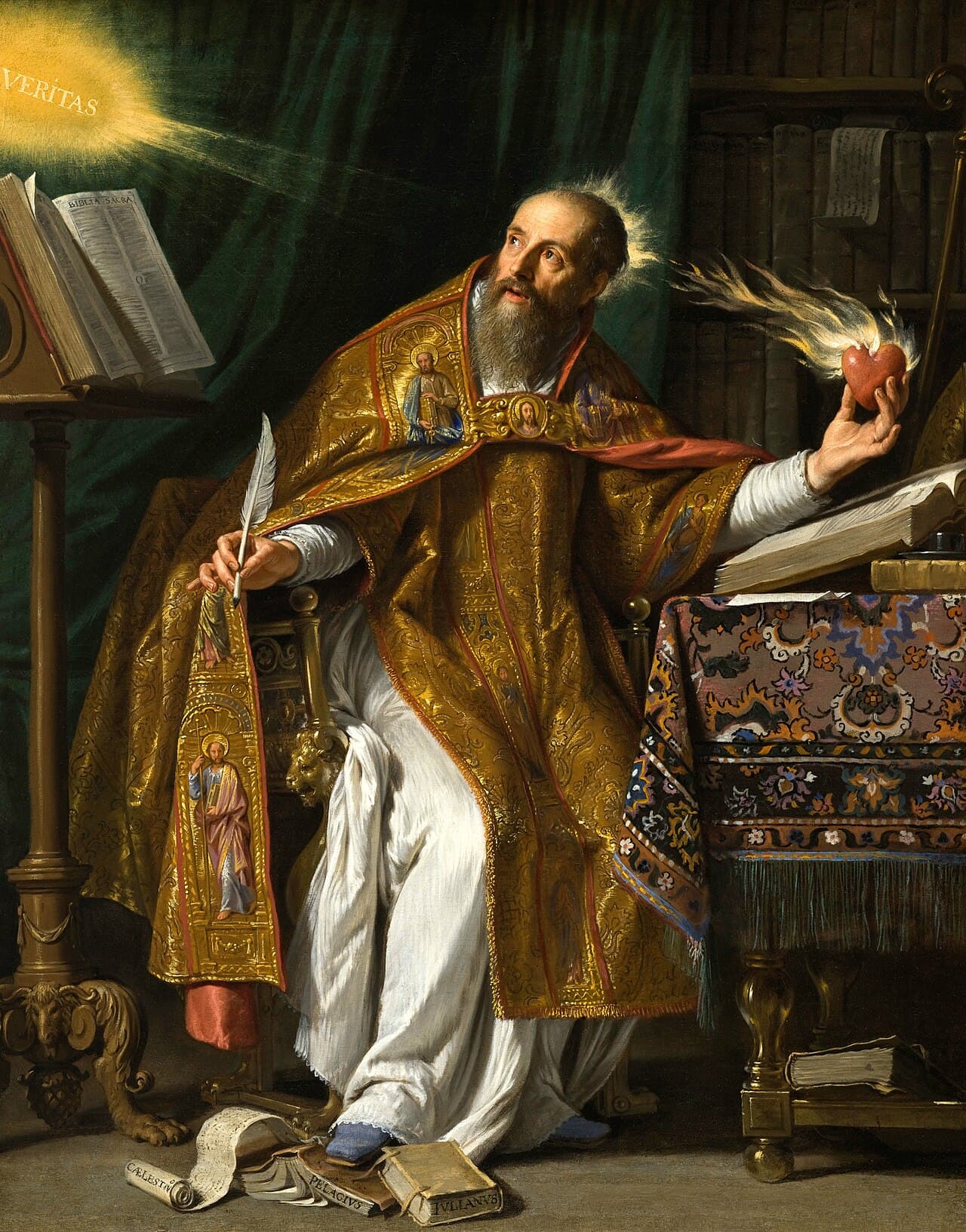
In The City of God Augustine argued the case that became Western orthodoxy: the punishment of the damned is real, conscious, and strictly everlasting — the same word describes eternal life and eternal punishment, so both must last forever. Mercy toward the damned, he argued, cannot overrule the plain sense of Scripture.
Primary source“For Christ said in one and the same place: 'These shall go away into eternal punishment, but the righteous into eternal life.' If both are eternal… both must be understood as without end.”
— Augustine, City of God 21.23 (condensed)
How it was received
Under Justinian, anti-Origenist anathemas in 543, and anathemas later associated with the council of 553, condemned a package including the preexistence of souls and a form of apokatastasis. The exact conciliar status and scope of those anathemas remain disputed, and later Eastern writers continued to voice forms of universal hope without making them the church's settled teaching.
Key voicesAugustine · Justinian · Constantinople II
1100–1500
The mapped afterlife: hell, purgatory, limbo
What happened
The medieval West drew the map in detail. Purgatory — purification for the saved, distinct from hell — was formally defined (Lyon 1274, Florence 1439), and indulgences grew up around it. Theologians posited a limbo for unbaptized infants, sparing them pain but not admitting them to the vision of God.
How it was received
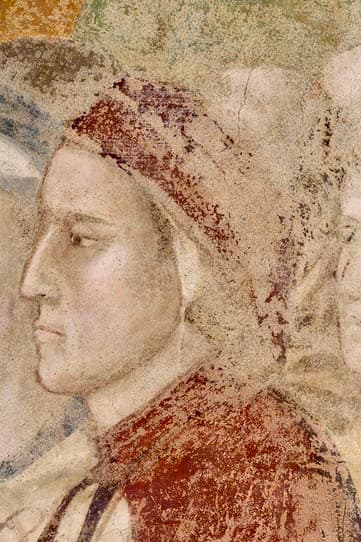
Dante's Inferno (c. 1320) fixed hell in the Western imagination more powerfully than any council: concentric circles, poetic justice (contrapasso), and Satan frozen at the center. Much of what people 'know' about hell is Dante, not Scripture.
Key voicesDante Alighieri · Councils of Lyon & Florence · Thomas Aquinas
1517–1700
Reformation: purgatory falls, hell stands
What happened
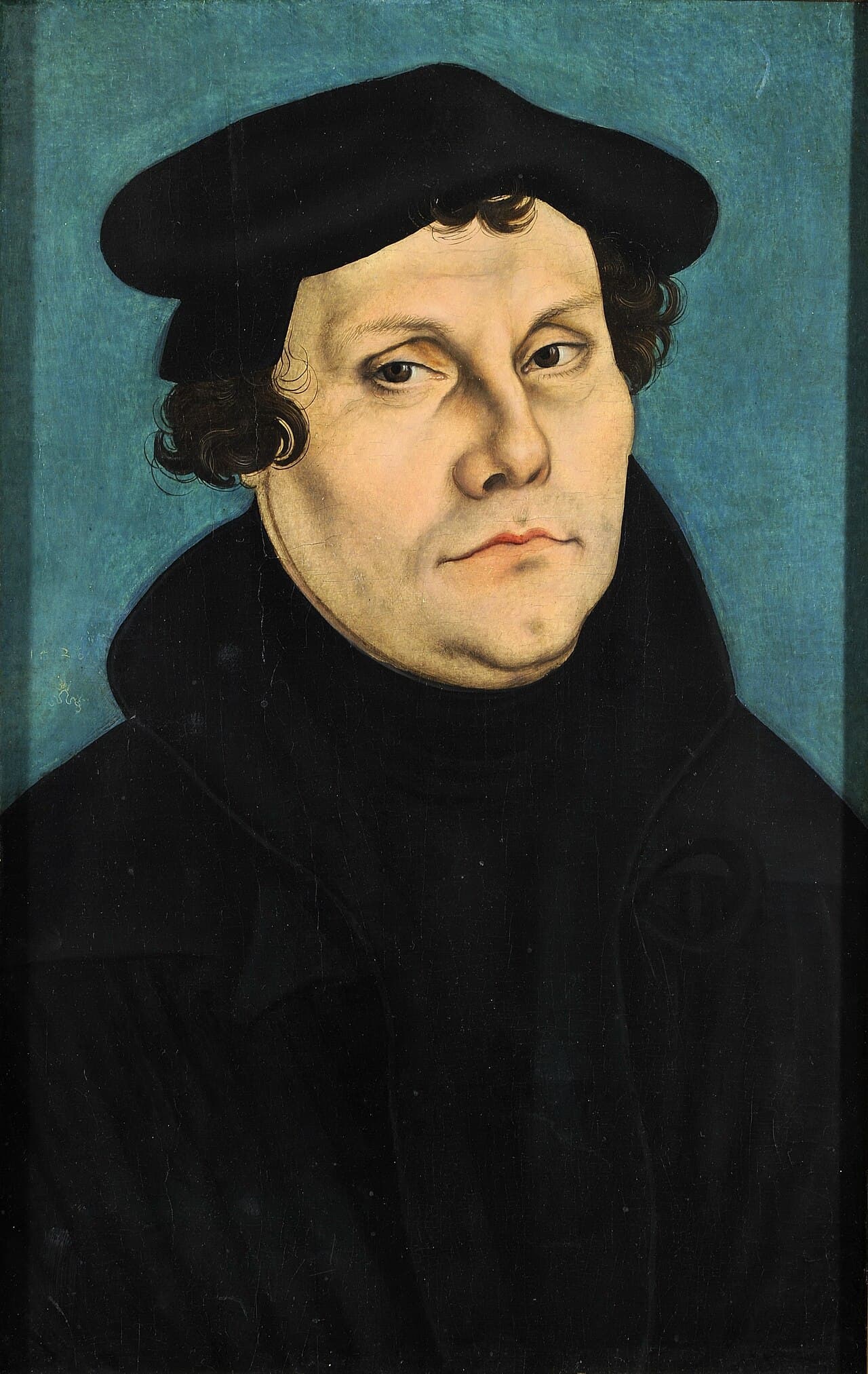
The Reformers demolished purgatory — the indulgence trade over it lit the Reformation's fuse — but retained eternal conscious punishment with full severity. Calvin cautioned that the fire and worm are 'metaphorical expressions,' while insisting the reality they point to is more dreadful, not less.
How it was received
Puritan and later evangelical preaching (Jonathan Edwards's 'Sinners in the Hands of an Angry God,' 1741) made vivid hell-fire a fixture of Protestant revivalism.
Key voicesMartin Luther · John Calvin · Jonathan Edwards
1800–1988
The Victorian crisis and the annihilationist option
What happened
The nineteenth century brought a moral revolt: could endless torment be just for finite sins? Universalist denominations grew in America; Seventh-day Adventists and others revived conditional immortality — the lost are not tormented forever but finally cease to be, since immortality is God's gift, not the soul's nature.
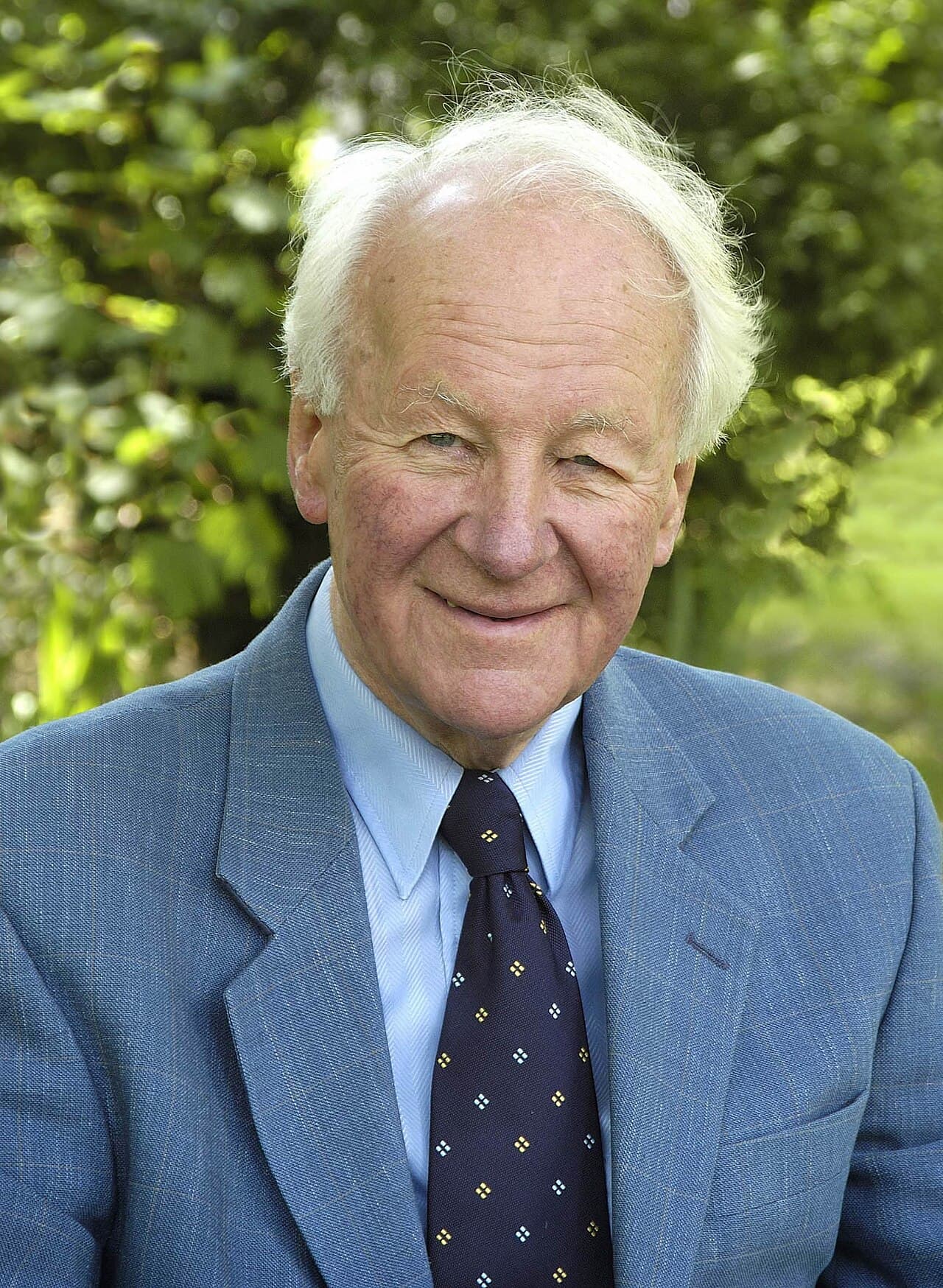
Primary source“Emotionally, I find the concept intolerable… but our emotions are a fluctuating, unreliable guide to truth. As a committed Evangelical, my question must be — what does Scripture say?”
— John Stott, Essentials, 1988
How it was received
In Britain, Anglican biblical scholar John Wenham traced his own conditionalism to Basil Atkinson's influence at Cambridge in the 1930s. Wenham taught the view for decades and presented it publicly in The Goodness of God (1974), helping move it into conservative evangelical discussion before John Stott's better-known, tentative endorsement in Essentials (1988). Stott's intervention widened the audience; it did not begin the modern evangelical case. Their contemporary J. I. Packer defended eternal conscious punishment and answered evangelical annihilationism directly, showing that this was an internal evangelical dispute rather than a simple liberal–conservative divide.
Key voicesJohn Stott · John Wenham · J. I. Packer · Seventh-day Adventists · Universalist churches
1940–today
Hell as self-exclusion — and the return of the larger hope
What happened
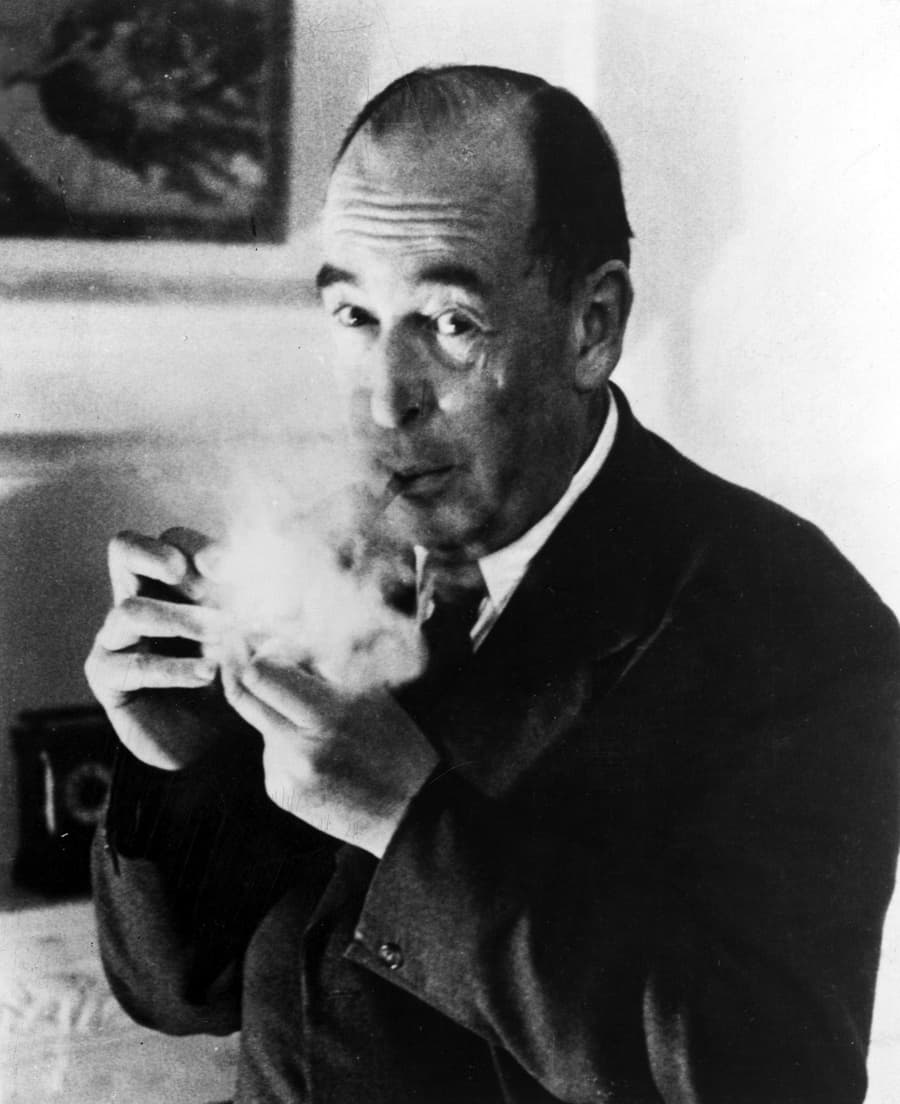
C.S. Lewis reframed hell for the modern imagination: not a torture chamber God runs but a door 'locked on the inside' — the final state of a self that refuses joy. Official Catholic teaching moved the same direction: the Catechism (1992) defines hell as 'definitive self-exclusion from communion with God,' and John Paul II described it as a state rather than a place. Orthodox writers speak of one 'river of fire': the same divine love experienced as light by the healed and as burning by the closed.
Primary source“The doors of hell are locked on the inside.”
— C.S. Lewis, The Problem of Pain, 1940
How it was received
Meanwhile the ancient universal hope returned in force: Hans Urs von Balthasar asked whether we may hope all be saved; David Bentley Hart's That All Shall Be Saved (2019) argued it outright, reviving Gregory of Nyssa for a general readership. Traditionalists in every camp push back that Scripture and the councils forbid it. All three ancient options are, once again, openly on the table.
Key voicesC.S. Lewis · Catechism of the Catholic Church · Hans Urs von Balthasar · David Bentley Hart
The present landscape
Where the traditions stand today
Catholic
Hell is real and eternal — 'definitive self-exclusion from communion with God' — though the church has never declared any specific person damned. Purgatory purifies the saved.
Orthodox
Eternal separation is real, often described as the experience of God's presence by those who reject Him; no purgatory as a 'place,' though prayer for the dead is universal. A minority keeps Gregory of Nyssa's universal hope alive.
Protestant
Historic confessions teach eternal conscious punishment; a significant evangelical minority holds annihilationism; mainline Protestantism ranges widely, including hopeful universalism.