The argument through time
History enters the room.
c. 30–150
Jesus teaches a people to pray
What happened
The Lord's Prayer gives Christian prayer its basic grammar: God's name and kingdom, daily dependence, forgiveness, and deliverance. The Psalms, Jewish hours of prayer, thanksgiving over meals, intercession, and prayer in Jesus' name shaped the earliest communities.
How it was received
The Didache directs Christians to pray the Lord's Prayer three times daily, showing both continuity with fixed Jewish prayer and a distinctly Christian pattern. Spontaneous and set prayer were companions before they became rival ideals.
Key voicesGospels · Apostolic church · Clement of Rome
150–600
Cathedral hours and desert prayer
What happened
Morning and evening offices, third-, sixth-, and ninth-hour prayer, vigils, and Eucharistic intercession developed unevenly across churches. Psalms supplied a common vocabulary even as local forms differed.
How it was received
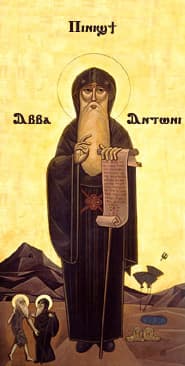
Desert ascetics pursued continual prayer through psalmody, short repeated petitions, silence, fasting, and attention to thoughts. Patristic writers treated prayer as divine gift and human discipline, communal worship and transformation of desire.
Key voicesDesert Fathers · Basil the Great · Augustine
600–1300
The hours order Christian time
What happened
Monastic rules organized the Psalter across daily and weekly offices, while cathedral rites developed their own cycles. Clergy and religious carried formal obligations, but laypeople also prayed through psalms, litanies, pilgrimage, gestures, images, and household devotion.
How it was received
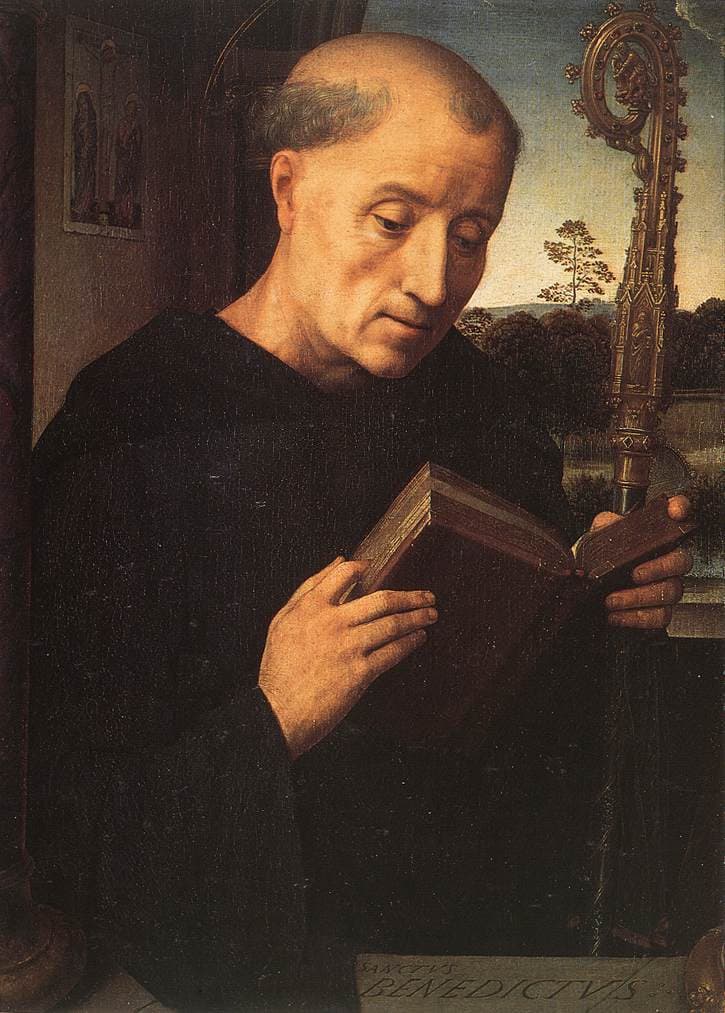
Eastern hesychast traditions cultivated the Jesus Prayer and watchfulness; Western monastic and affective traditions developed lectio divina and meditation on Christ. Neither 'East' nor 'West' possessed only one method.
Key voicesBenedict · Gregory Palamas · Bernard of Clairvaux
1200–1517
Lay books, beads, and affective devotion
What happened
Books of Hours adapted elements of the office for literate laity, while prayer beads counted Psalms, Our Fathers, Hail Marys, and other repeated prayers. The rosary reached recognizable forms gradually; the later story that Dominic received its complete form should not be treated as contemporary documentation.
How it was received
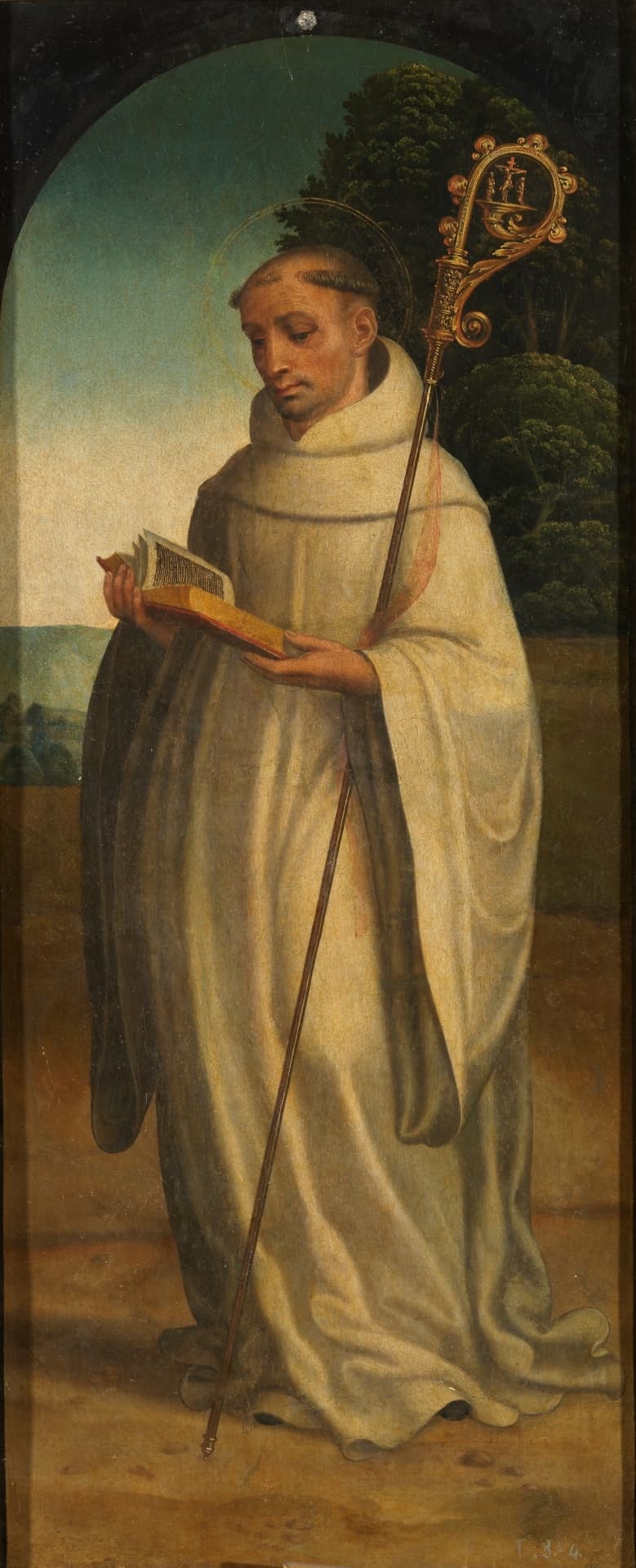
Meditation on Christ's humanity, wounds, passion, and Mary expanded across sermons, art, drama, and private prayer. Critics inside and outside religious orders warned against mechanical repetition and devotional excess.
Key voicesBernard of Clairvaux · Fourfold sense · Thomas Aquinas
1517–1900
Vernacular prayer and revival petition
What happened
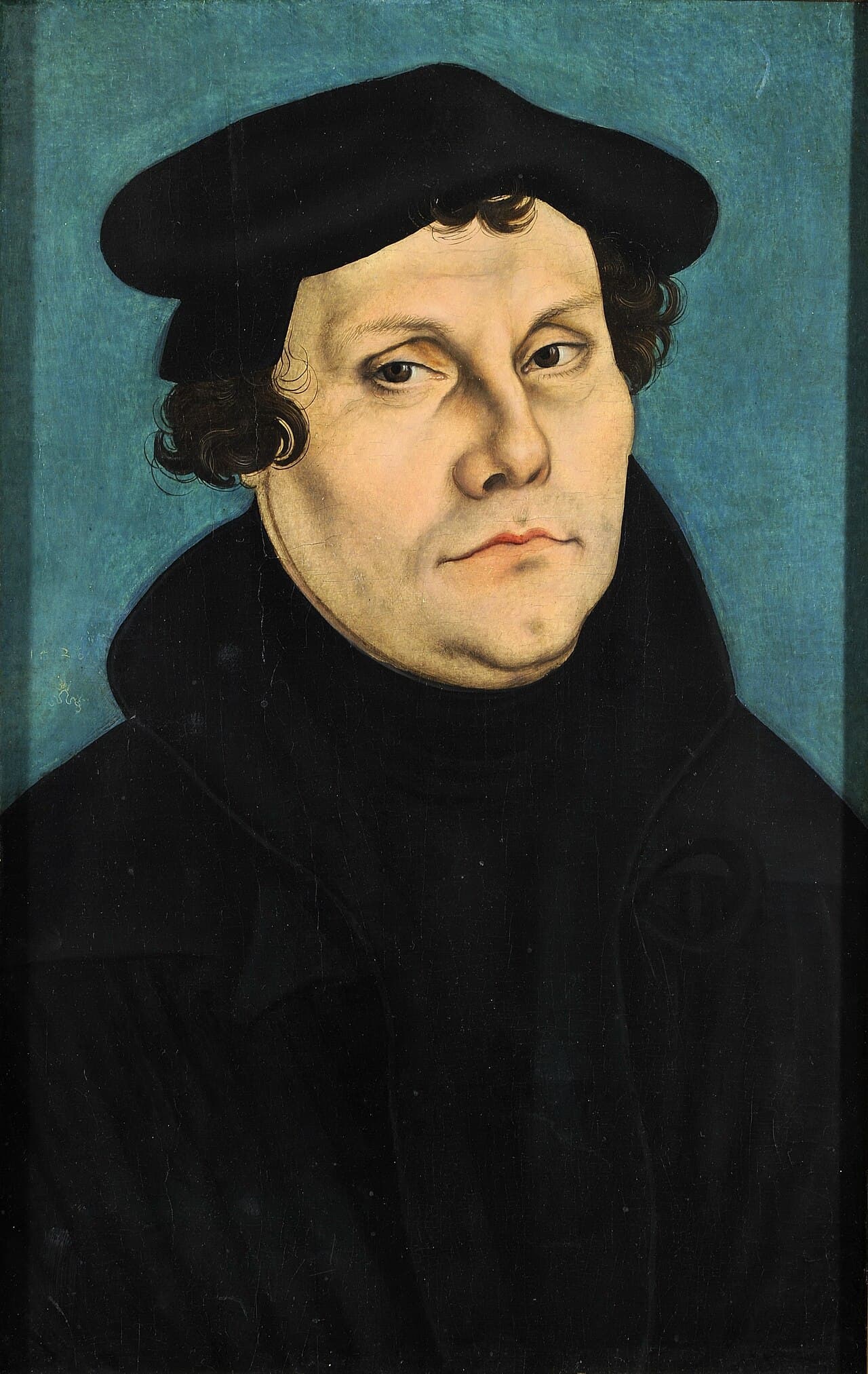
Reformers translated Psalms, offices, catechisms, and collects while rejecting invocation of saints and practices they considered meritorious or superstitious. Lutheran and Anglican prayer books preserved fixed forms; Reformed worship emphasized scriptural and often freer prayer.
How it was received
Pietist, Methodist, revivalist, and Black church traditions developed class prayer, watch nights, prayer meetings, testimony, lament, and extemporaneous intercession. Catholic and Orthodox contemplative traditions continued and also experienced renewal.
Key voicesMartin Luther · John Wesley · Jonathan Edwards
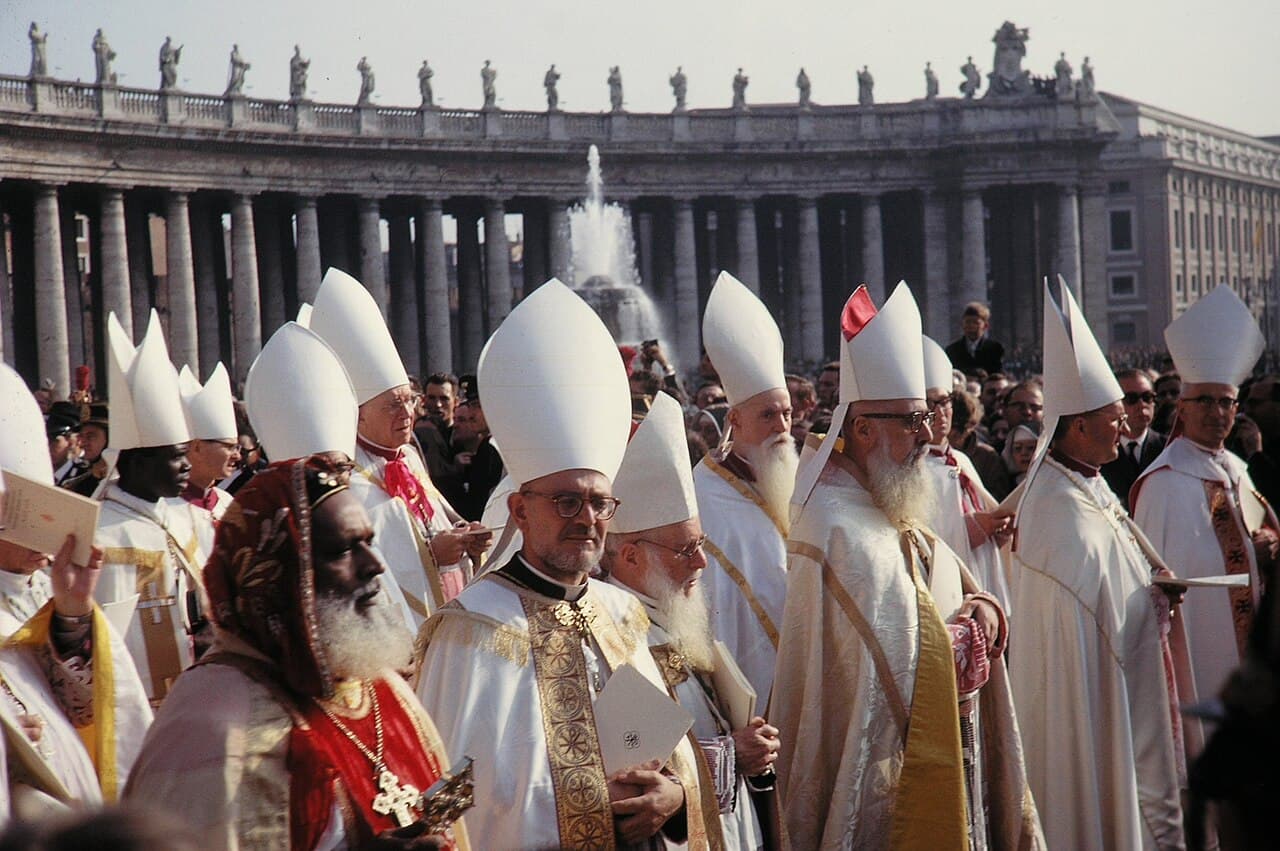
1900–today
Ecumenical, contemplative, and charismatic retrieval
What happened
Liturgical renewal expanded vernacular offices and lay participation; ecumenical communities recovered common daily prayer. Modern contemplative movements retrieved patristic and medieval practices, sometimes controversially when detached from their theological setting.
How it was received
Pentecostal and charismatic prayer foregrounds tongues, healing, prophecy, spiritual warfare, and extended corporate response. Digital prayer apps and streamed worship now place ancient offices and new devotional forms in the same pocket, raising fresh questions about attention, authority, and community.
Key voicesVatican II · Pentecostalism · BEM 1982
The present landscape
Where the traditions stand today
Catholic
Prayer is communion with Christ in the Spirit, expressed through Eucharist, Liturgy of the Hours, vocal prayer, meditation, contemplation, Scripture, and popular devotions.
Orthodox
Liturgical prayer, Psalms, icons, fasting, intercession, and the Jesus Prayer form one ascetic and sacramental life oriented toward communion with God.
Protestant
Practices range from fixed offices and collects to extemporaneous, revivalist, contemplative, and charismatic prayer; most retain the Lord's Prayer and prayer through Christ as common ground.