The argument through time
History enters the room.
c. 80–90
The text and its wordplay
What happened
Jesus renames Simon: 'You are Peter (Petros), and on this rock (petra) I will build my church' — then gives him the keys of the kingdom and the power to bind and loose. In Jesus' Aramaic the pun is seamless: kepha… kepha. In Greek, petros/petra opens just enough daylight — stone versus bedrock? or mere grammatical gender? — for two thousand years of argument.
Primary source“You are Peter, and on this rock I will build my church, and the gates of Hades will not prevail against it. I will give you the keys of the kingdom of heaven.”
— Matthew 16:18–19
How it was received
Matthew's own framing cuts both ways: five verses later the freshly named rock is called 'Satan' and 'a stumbling-stone' for refusing the cross; in Matthew 18 the power to bind and loose is given to the whole community. Peter is unmistakably first — and unmistakably fallible. Every later position picks its emphasis.
Key voicesMatthew's Gospel · Aramaic kepha · The keys
c. 200–258
The earliest readers: personal, spiritual, or shared
What happened
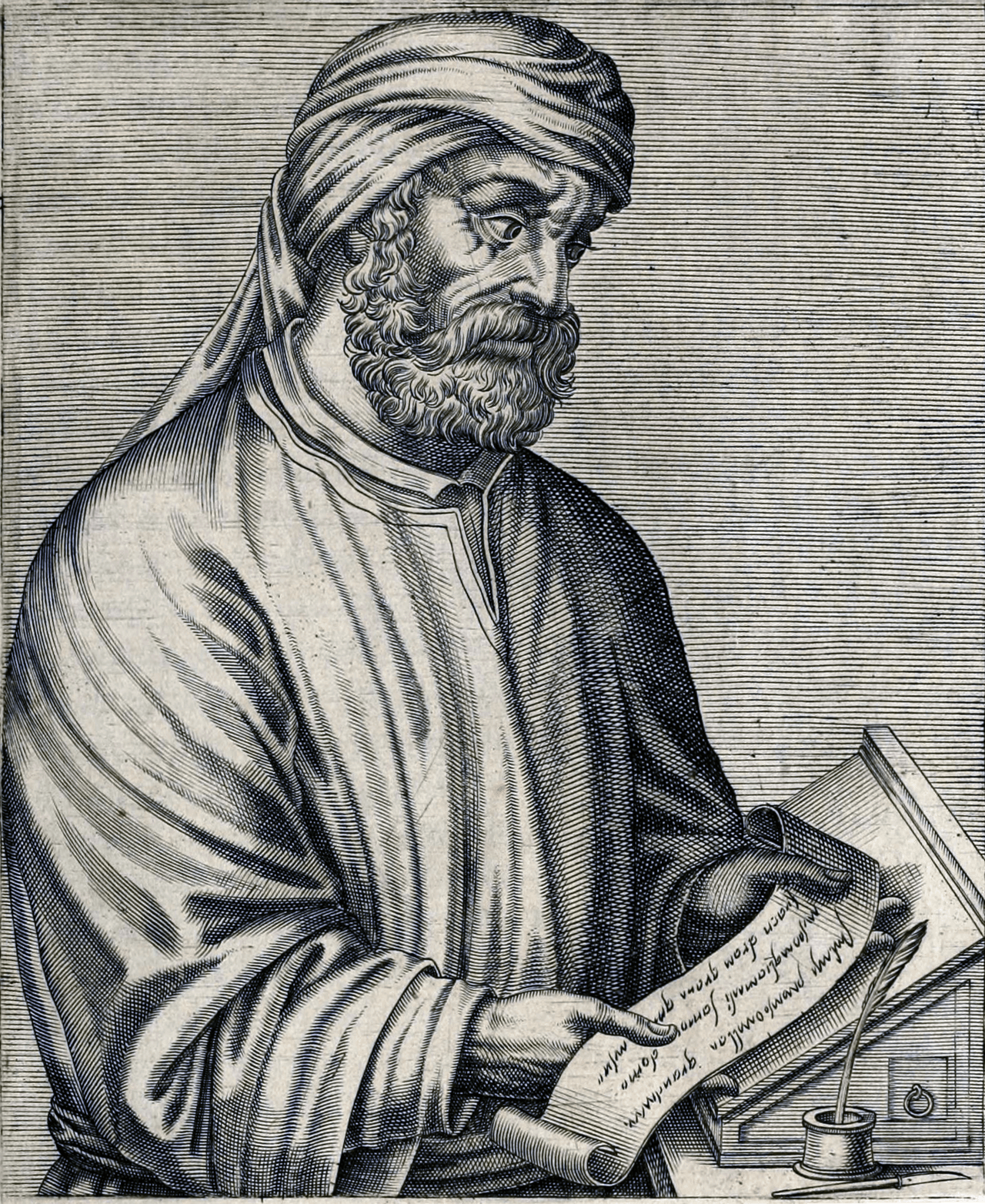
Tertullian is the first surviving commentator: the rock is Peter personally — but when a bishop of his day claimed Peter's power of the keys for the church hierarchy, Tertullian retorted that the gift was personal to Peter, not heritable. The first reading of the verse and the first rejection of its papal use arrive in the same author.
Primary source“A rock is every disciple of Christ… and upon every such rock is built the whole doctrine of the church.”
— Origen, Commentary on Matthew 12.10, c. 246
How it was received
Origen spiritualized it: every disciple who confesses Christ as Peter did becomes a rock, and the promise belongs to all such. Cyprian split the difference influentially: the church is founded on Peter as a sign of its oneness — but the same chair and the same power are held by every bishop; primacy of symbol, not of jurisdiction. Rome would later quote Cyprian's first half; the East and the Reformers, his second.
Key voicesTertullian · Origen · Cyprian of Carthage
350–430
The golden age — and its scorecard
What happened
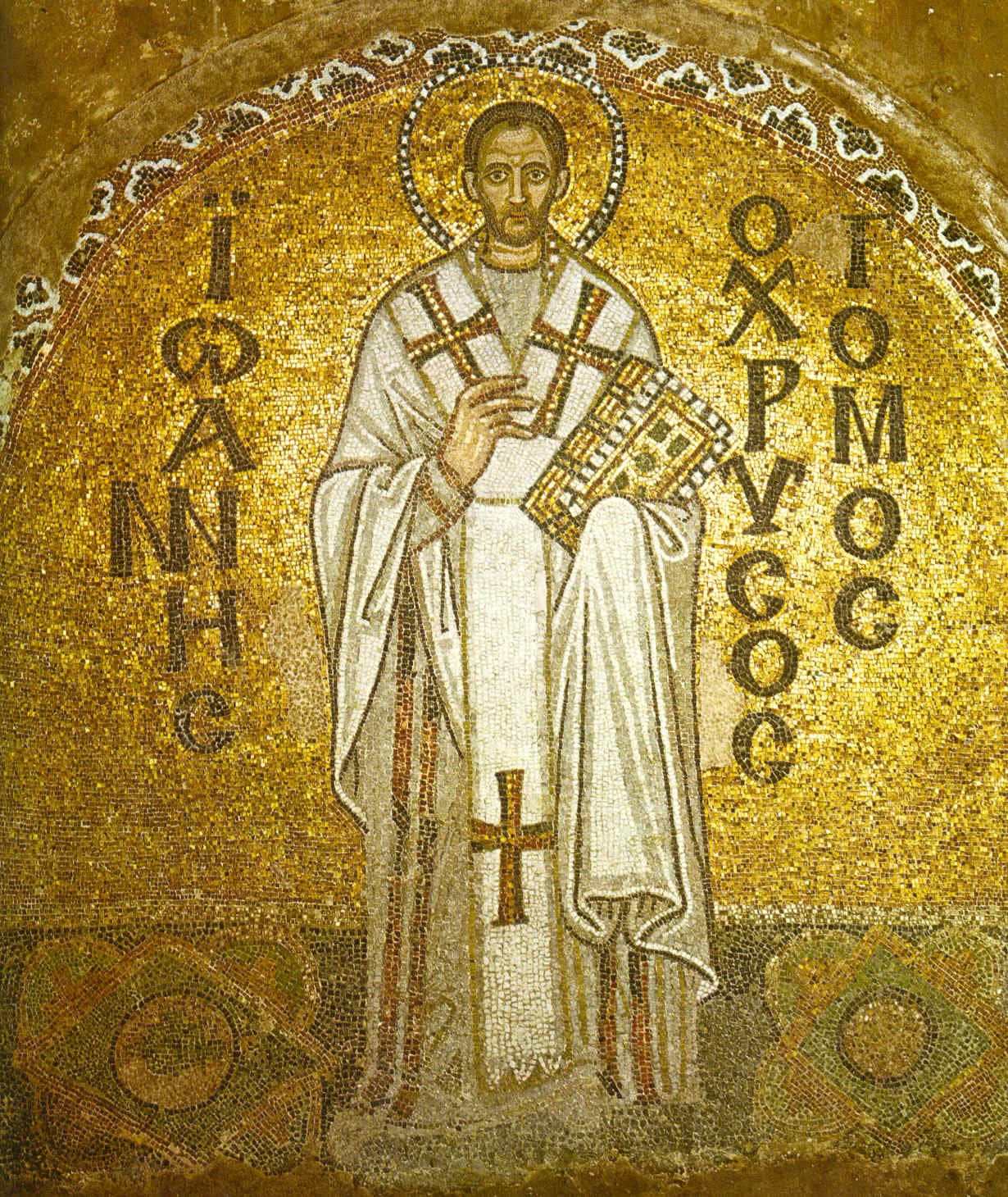
The great fathers diverge freely. Chrysostom, preaching in the East, says Christ built the church 'on the rock of his confession' — the faith Peter voiced, not the man as such — while still calling Peter the leader of the apostles. Ambrose could say both 'the rock is Christ' and that Peter received primacy. Augustine changed his mind in public: he had once written that the rock was Peter; he came to prefer that the rock is Christ, whom Peter confessed — and in his Retractations he laid out both options and told the reader to choose.
Primary source“'On this rock I will build my church' — that is, on the faith of his confession.”
— John Chrysostom, Homilies on Matthew 54, c. 390
How it was received
In the seventeenth century the Catholic scholar Jean de Launoy compiled a frequently repeated tally of patristic interpretations favoring Peter, Peter's confession, Christ, or the apostles collectively. The numbers depend heavily on how texts and repeated citations are counted, so they should not be treated as a vote. They do correctly signal that patristic exegesis of Matthew 16:18 was diverse.
Key voicesJohn Chrysostom · Ambrose · Augustine · Jean de Launoy's tally
440–461
Leo the Great: the rock lives on in his successors
What happened
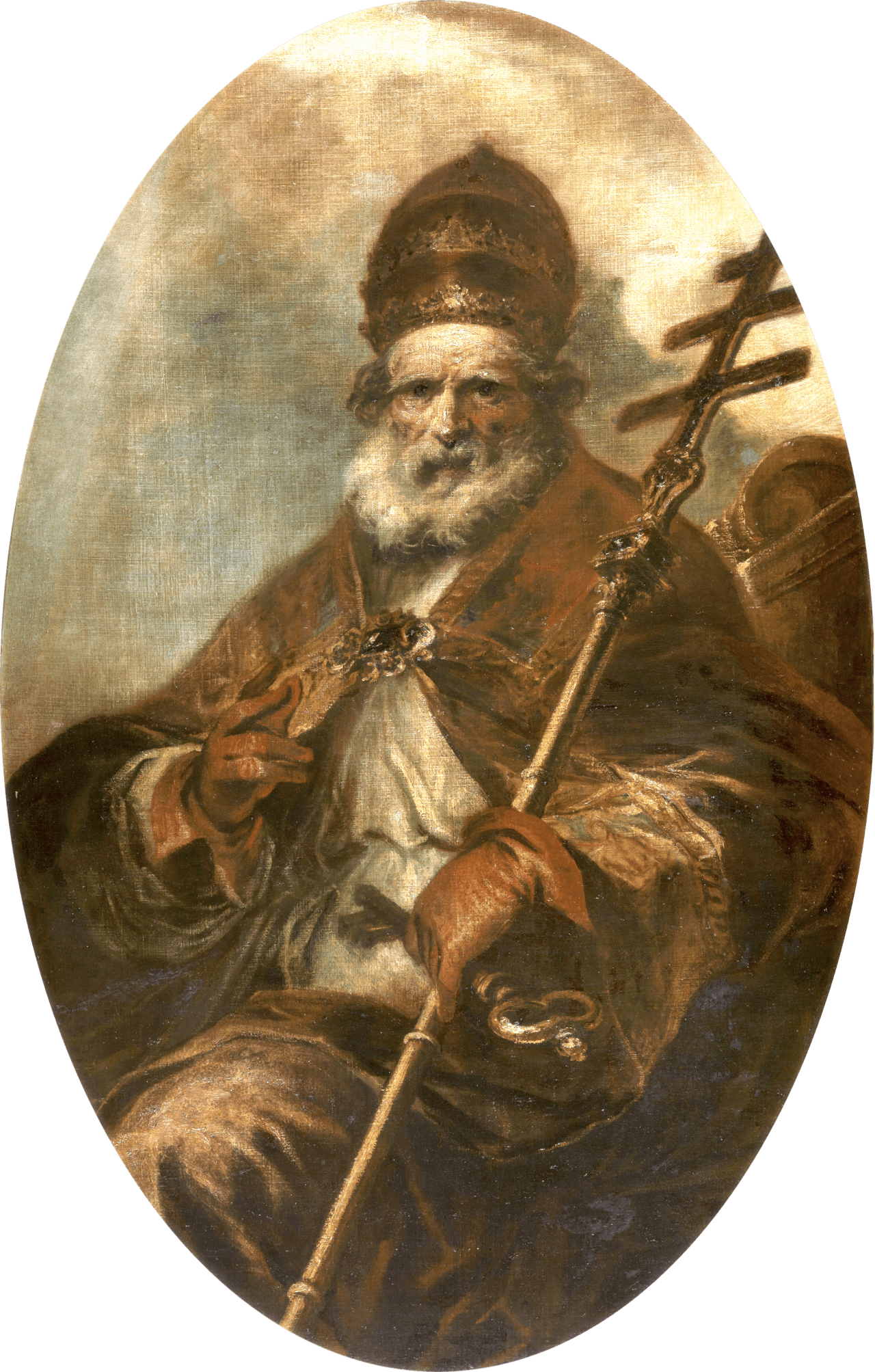
Leo I fused the readings into the durable papal synthesis: Christ is the rock in himself, Peter is made rock by participation — and what Christ gave to Peter, Peter transmits to his heirs in the Roman see. On the anniversary of his accession Leo preached that Peter himself presides in his successor: the verse now grounds an office, not just an apostle.
Primary source“The strength which the Father gave to Christ, Christ conveyed to Peter… and in Peter, blessed Leo now speaks and presides.”
— Leo the Great, Sermons 3–4 (condensed), c. 444
How it was received
This is the interpretation the medieval West inherited as simply obvious — eventually inscribed in two-meter letters around the dome of St. Peter's: TU ES PETRUS ET SUPER HANC PETRAM AEDIFICABO ECCLESIAM MEAM.
Key voicesLeo the Great · St. Peter's Basilica inscription
500–1500
The medieval proof text
What happened
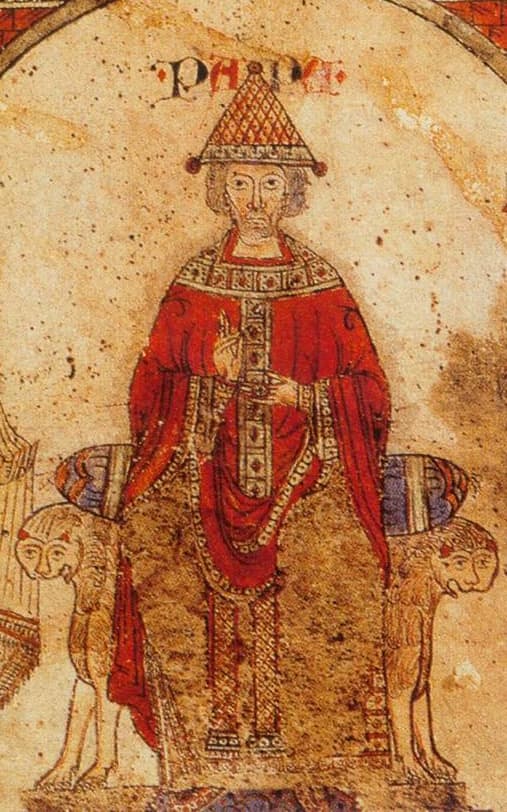
For a thousand years in the West, Matthew 16:18 headed every assertion of papal authority — in Gregory VII's Dictatus Papae, Innocent III's decretals, Boniface VIII's Unam Sanctam, and the canon lawyers between. The keys became the papal emblem itself, crossed on every papal coat of arms.
How it was received
The East never accepted the transfer: Byzantine commentators went on reading the rock as Peter's confession, honored Peter as first of the apostles (protokoryphaios) — and held that every orthodox bishop, confessing that same faith, sits in Peter's seat. Same verse, same reverence for Peter, opposite institutional conclusion.
Key voicesGregory VII · Innocent III · Byzantine commentators
1517–1600
Reformation reversal
What happened
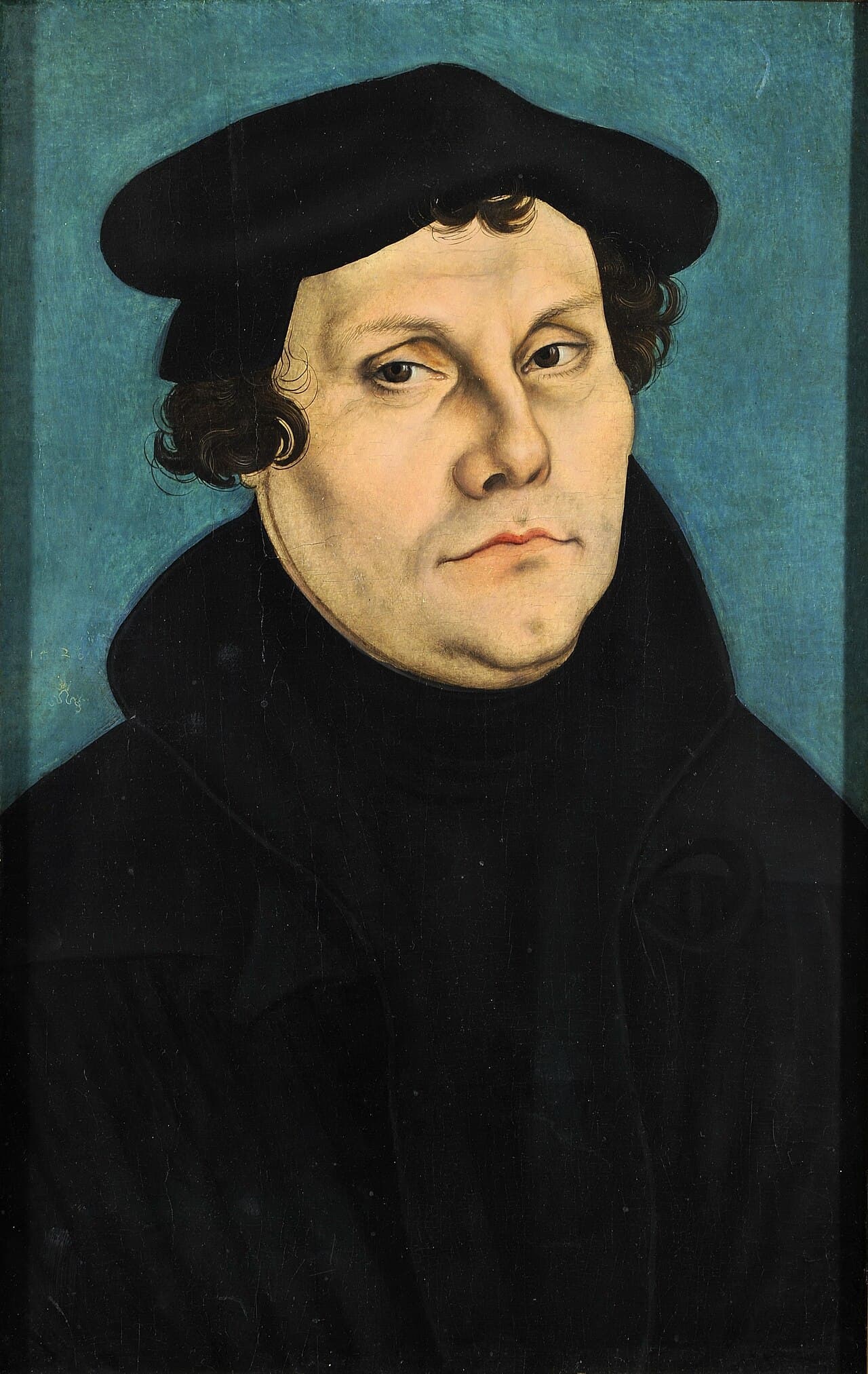
The Reformers ruled out the papal reading root and branch. Luther: the rock is Christ, or the confession of Christ — it cannot be a man, still less a succession of men, for the church is built on faith, which many popes have lacked. Calvin allowed that Peter has a certain primacy among the apostles, but denied that anything in the verse founds a Roman monarchy: the rock is the confession, and the keys are the preaching of the gospel, given to all ministers.
Primary source“The rock is the Son of God, Jesus Christ himself, and no one else… for no man's person can be the church's foundation.”
— Luther, Against the Roman Papacy (condensed), 1545
How it was received
Catholic controversialists, above all Robert Bellarmine, systematized the counter-case: the fathers who said 'the confession' meant Peter-as-confessor, and the succession follows from the office's purpose. Both sides now had complete, mutually exclusive libraries on eleven words.
Key voicesMartin Luther · John Calvin · Robert Bellarmine
1870
Vatican I: the verse becomes dogma's foundation
What happened
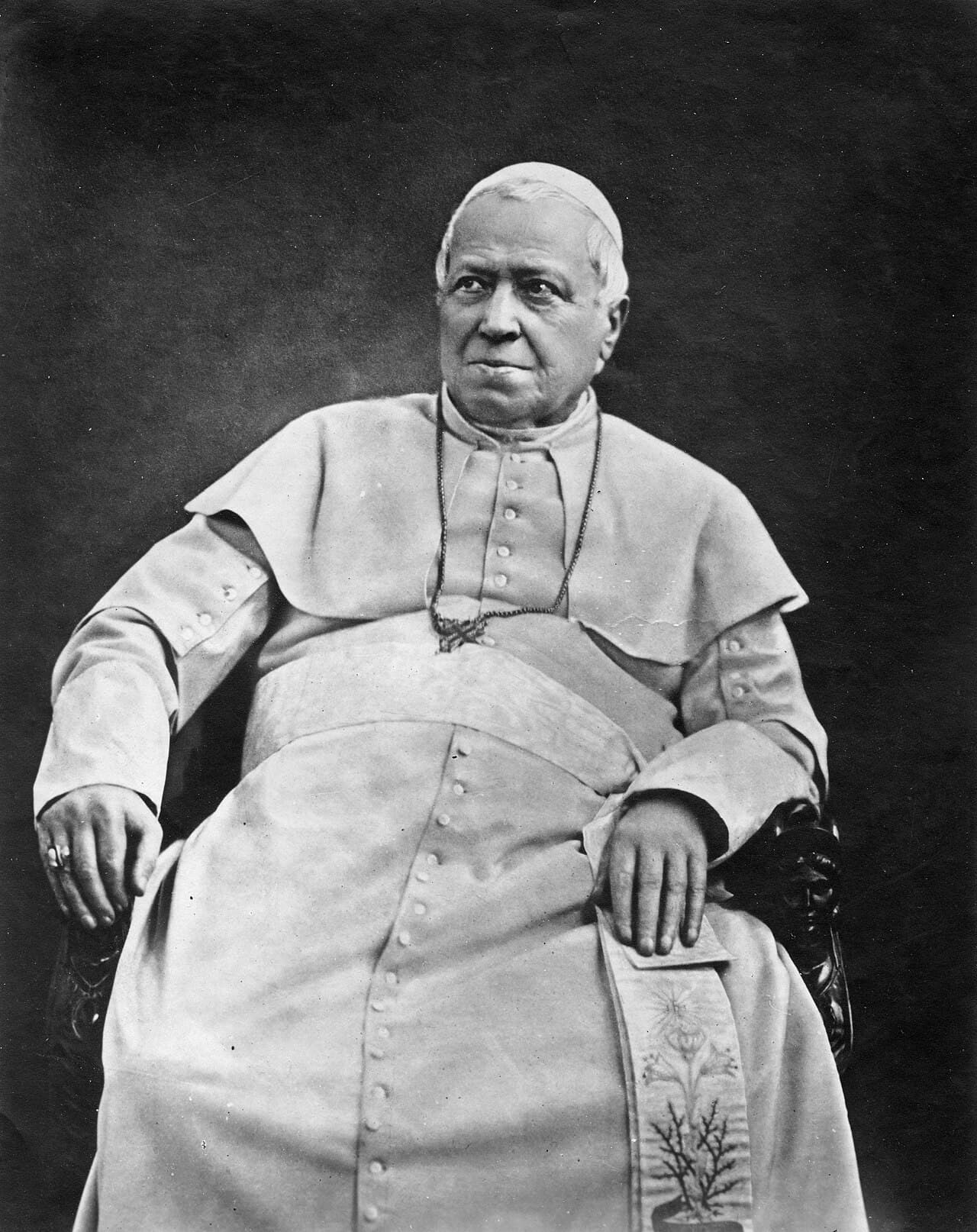
The First Vatican Council opened Pastor Aeternus with Matthew 16:18–19: Christ conferred on Peter a true primacy of jurisdiction, which passes perpetually to the bishops of Rome. The council anathematized anyone who denies that Peter's primacy was instituted by Christ in this text or that the pope is Peter's successor in it.
Primary source“If anyone says that blessed Peter the apostle was not appointed by Christ the Lord as prince of all the apostles and visible head of the whole church militant… let him be anathema.”
— Vatican I, Pastor Aeternus, canon on ch. 1, 1870
How it was received
The interpretive stakes could not be higher or more explicit: the church's most formal exegesis of a single verse, protected by anathema. Critics — Orthodox, Protestant, and the Old Catholic dissenters — objected that the definition read fifteen centuries of development back into the sentence.
Key voicesPius IX · Pastor Aeternus
1952–today
The modern twist: Protestant exegesis concedes the rock
What happened
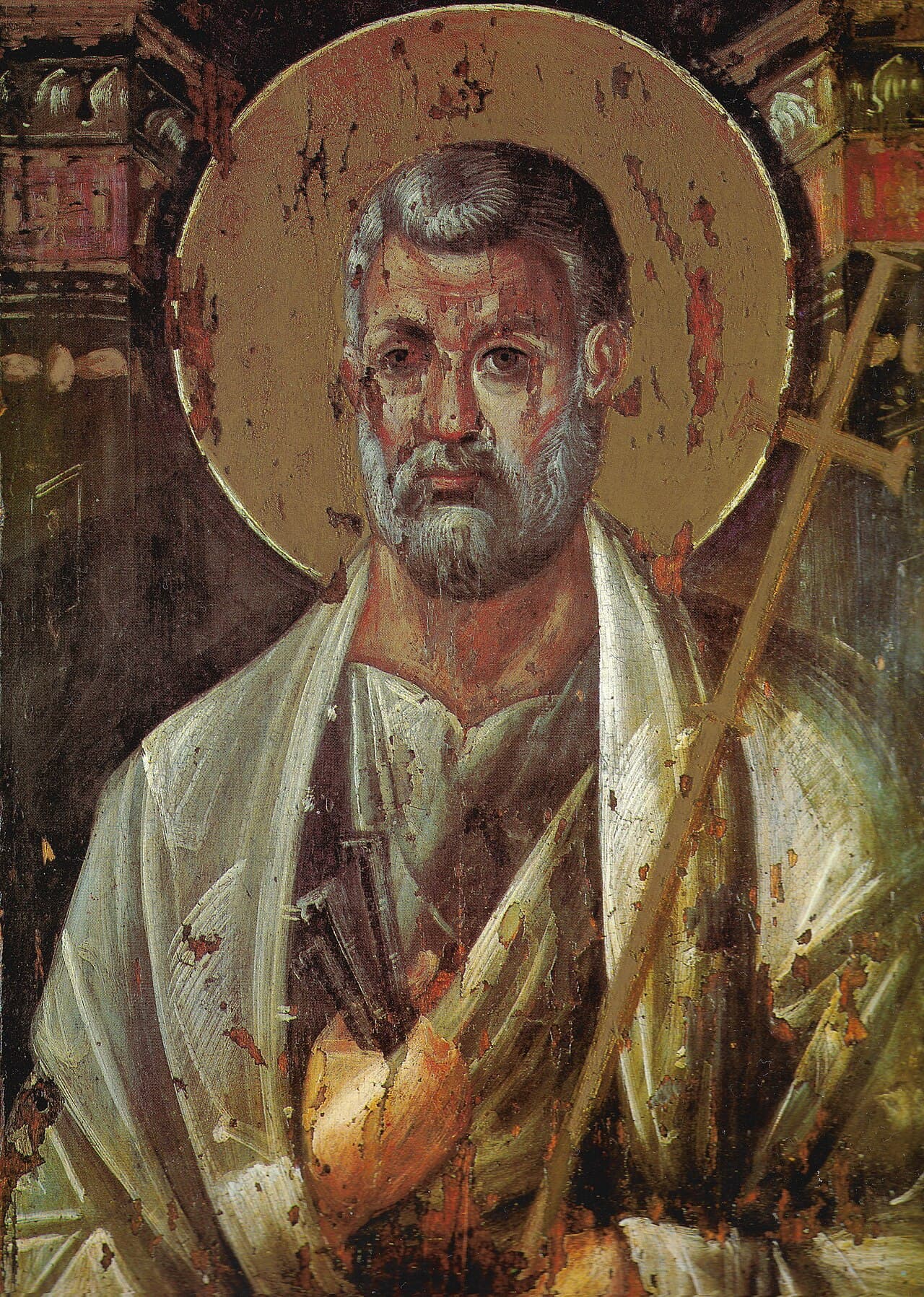
Many twentieth-century Protestant and critical exegetes concluded that the immediate referent of 'this rock' is Peter, given the Greek wordplay and its probable Aramaic background. Oscar Cullmann argued this in Peter (1952), and commentators such as R.T. France and D.A. Carson likewise regard Peter as the primary referent. They do not thereby infer a continuing Roman office: for them the text itself says nothing explicit about successors.
Primary source“It is only Protestant overreaction to the Roman Catholic claim… that has led some to deny that the rock here is Peter.”
— R.T. France, Matthew (condensed), 1985
How it was received
The ecumenical joint study Peter in the New Testament (1973, Catholic and Protestant scholars together) mapped the shared ground: Peter's real, unparalleled prominence; the open historical question of what, if anything, follows for Rome. Which returns the argument, after nineteen centuries, to almost exactly where Tertullian left it — the rock is Peter; the question is who, if anyone, inherits him.
Key voicesOscar Cullmann · R.T. France · D.A. Carson · Peter in the New Testament, 1973
The present landscape
Where the traditions stand today
Catholic
The rock is Peter, personally and by office; Christ founded the church on him and on his successors in the Roman see (Vatican I). Peter's confession and Christ's own foundational role are included, not excluded.
Orthodox
Peter is first of the apostles and the rock in a personal sense, but the faith he confessed is the church's foundation, and every orthodox bishop — not Rome alone — succeeds to his chair.
Protestant
Modern exegesis broadly grants that the rock is Peter himself in Matthew's sense, while denying any transfer to successors; confessional documents historically read the rock as Christ or the confession of faith.