The argument through time
History enters the room.
c. 950 BC–100 AD
Adam's shadow in Scripture
What happened
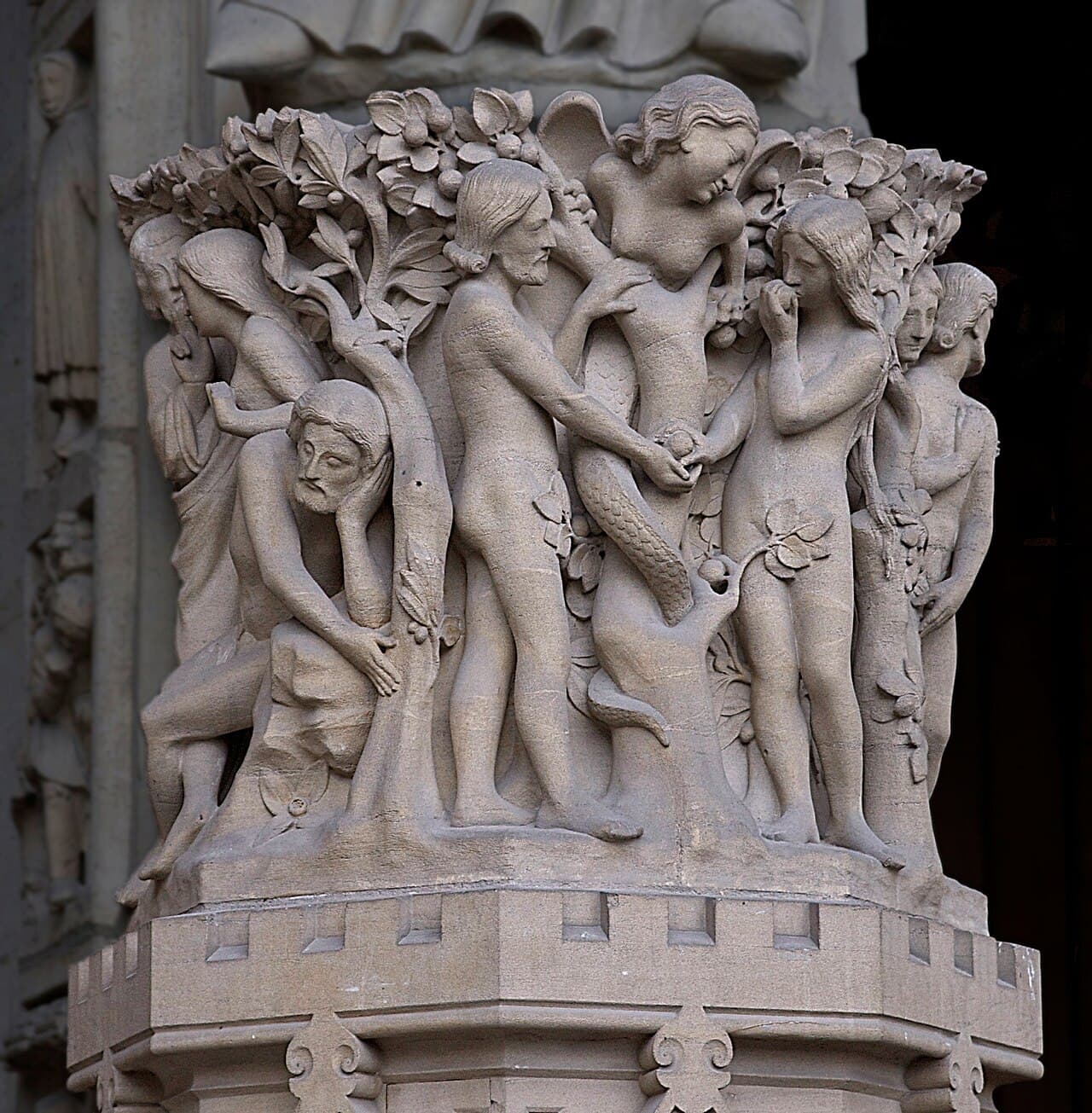
Genesis 3 never uses the words 'fall' or 'original sin' — the story tells of exile from the garden and death's arrival. The Old Testament barely mentions Adam again. Second Temple Judaism wrestled with inherited disaster (4 Ezra: 'O Adam, what have you done?') while insisting each soul sins for itself — the 'evil inclination' (yetzer hara) needing no Augustine.
Primary source“Therefore, just as sin came into the world through one man, and death through sin, and so death spread to all men, because all sinned…”
— Romans 5:12
How it was received
Paul made Adam structural: 'in Adam all die' — sin entered through one man, and death through sin (Romans 5:12). Precisely what passes to us — death? a corrupted nature? guilt? — is the exegetical hinge on which the whole history turns.
Key voicesGenesis 3 · 4 Ezra · Paul
150–400
The East's version: mortality, not guilt
What happened
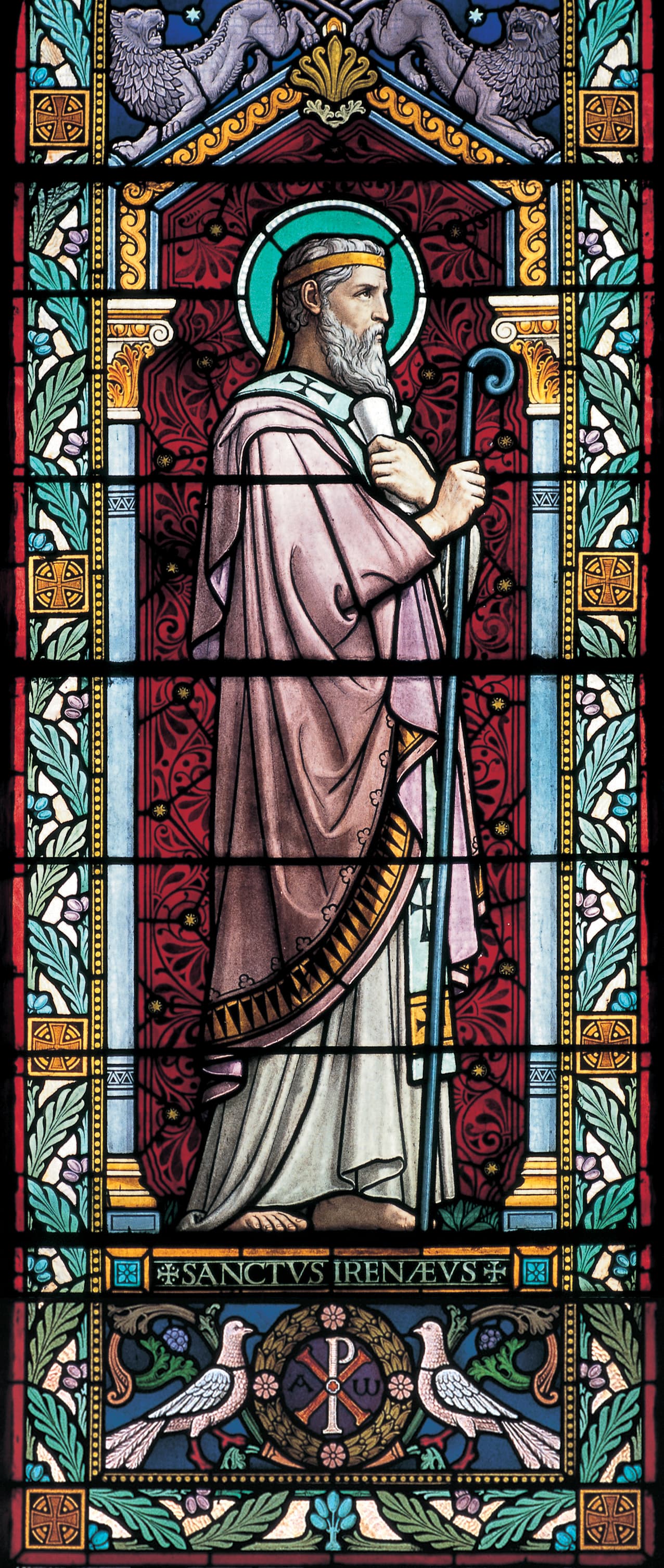
Greek patristic writers generally emphasized Adam's legacy as mortality, corruption, and a condition inclining humanity to sin rather than Augustine's later account of inherited culpability. Their formulations are not uniform. Gregory of Nazianzus, for example, described unbaptized infants as neither punished nor fully glorified.
How it was received
This emphasis remains characteristic of Eastern Orthodox accounts of 'ancestral sin.' It helps explain Orthodox rejection of inherited guilt and of the Roman Catholic definition of the Immaculate Conception, although Orthodox theologians differ in how sharply they contrast Eastern and Western traditions.
Key voicesIrenaeus · Athanasius · Gregory of Nazianzus
397–431
Augustine vs. Pelagius: guilt in the cradle
What happened
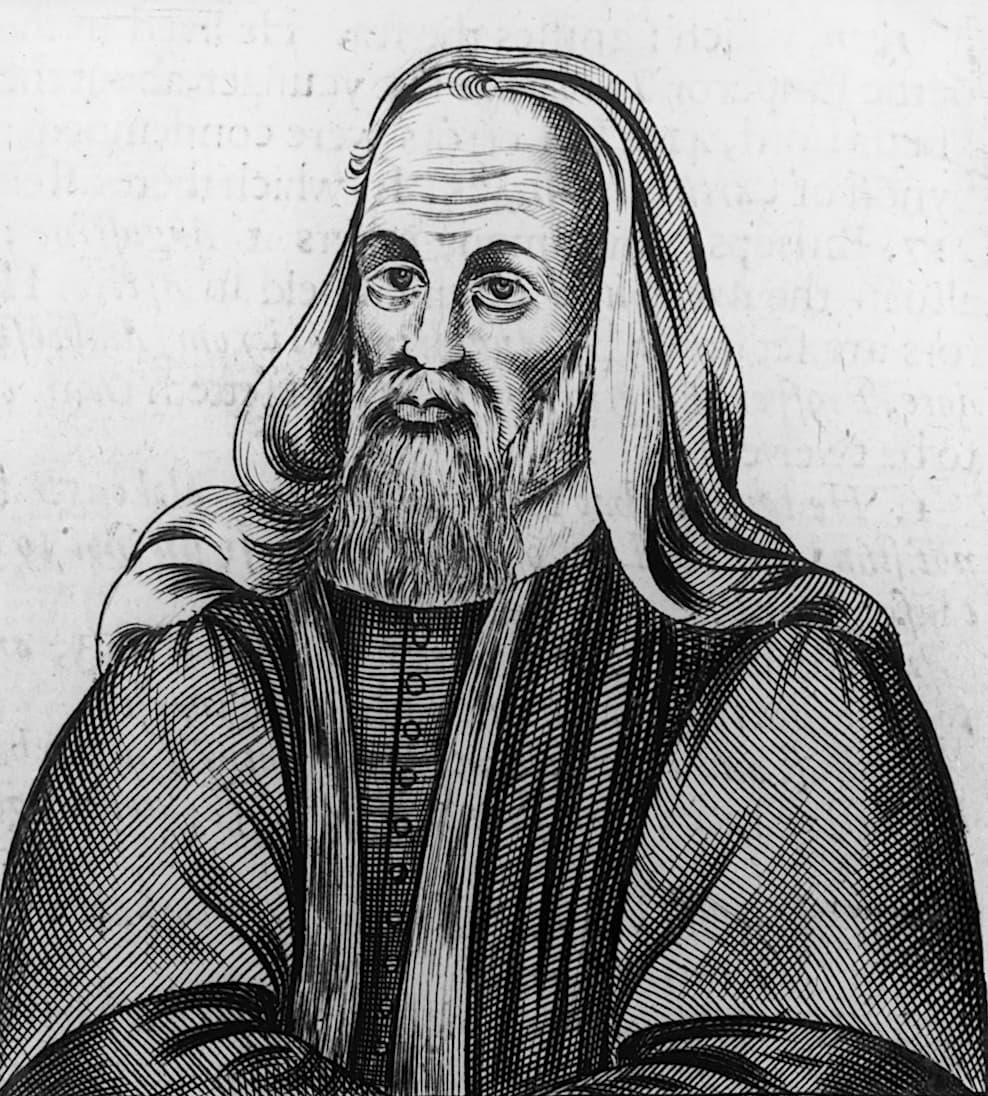
Pelagius taught that Adam injured only himself, setting a bad example; humans are born able to obey. Augustine — armed with infant baptism 'for the remission of sins,' his own experience of enslaved will, and a Latin Bible whose Romans 5:12 read 'in whom all sinned' (a rendering of the Greek most now judge mistaken) — answered that all humanity sinned in Adam: inherited corruption and inherited guilt, transmitted through generation itself.
Primary source“The deliberate sin of the first man is the cause of original sin.”
— Augustine, On Marriage and Concupiscence 2.26, c. 420
How it was received
Carthage (418) condemned Pelagian propositions, and Ephesus (431) approved the deposition of Pelagius's ally Caelestius. Augustine's Latin reading of Romans 5:12 ('in whom all sinned') reinforced his account, but it was one strand in a much wider biblical, sacramental, and theological argument; the doctrine cannot be reduced to that translation alone.
Key voicesPelagius · Augustine · Council of Carthage 418
1100–1563
Scholastic softening, Reformation hardening
What happened
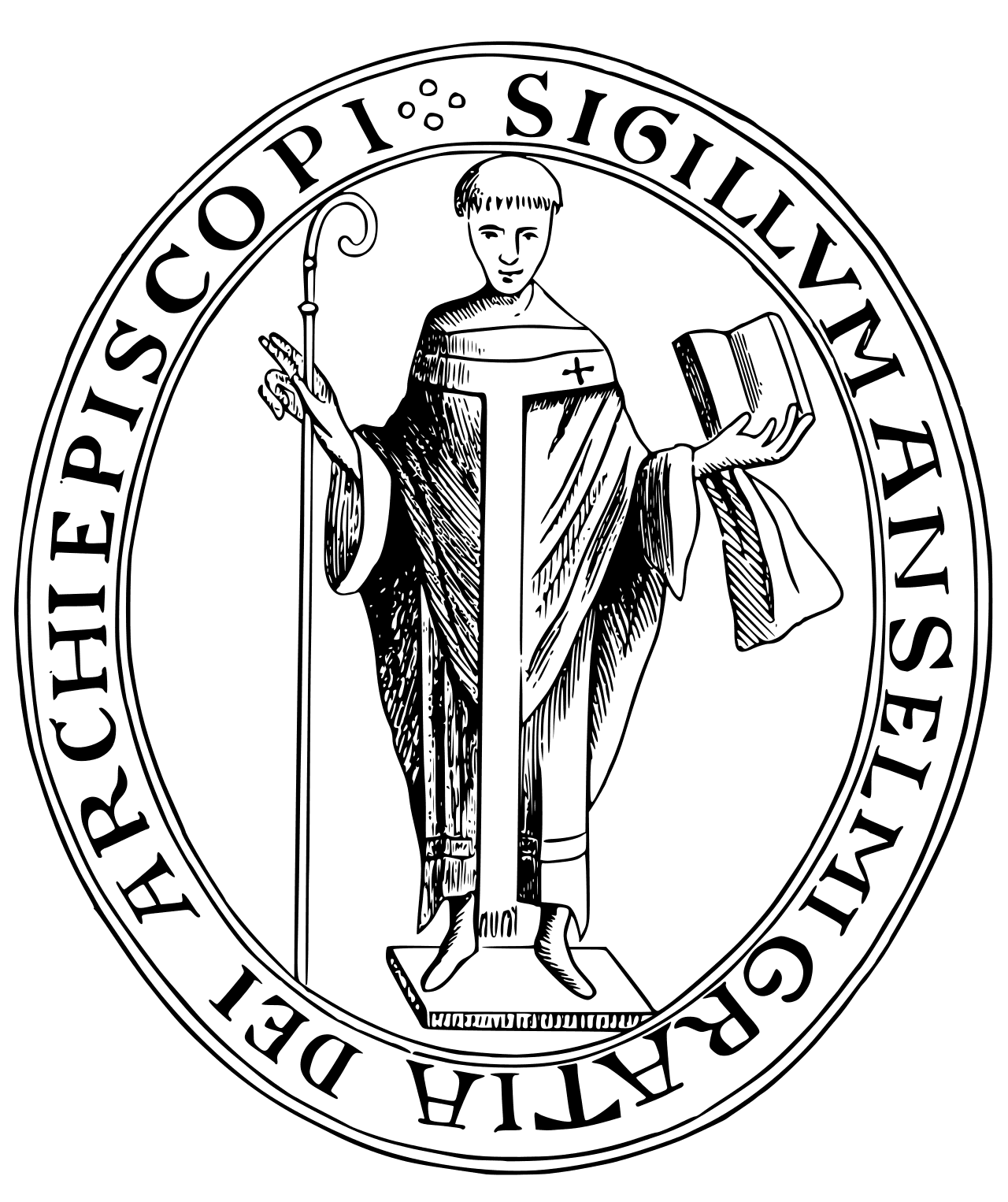
Anselm redefined original sin as the lack of original justice rather than a positive stain; Aquinas kept guilt but gentled the fate of unbaptized infants into limbo's painless natural happiness. The system was severe in principle, managed in practice.
How it was received
The Reformers reversed the softening: original sin is total corruption — every faculty bent, the will enslaved, concupiscence itself truly sin (Luther) — driving the need for grace alone. Trent responded with the balanced Catholic version: real inherited sin removed by baptism, concupiscence remaining as tinder for sin but not sin itself. The anthropologies of Protestant and Catholic Europe divided on exactly this point.
Key voicesAnselm · Thomas Aquinas · Martin Luther · Council of Trent
1750–1900
The Enlightenment's revolt — and sin's empirical comeback
What happened
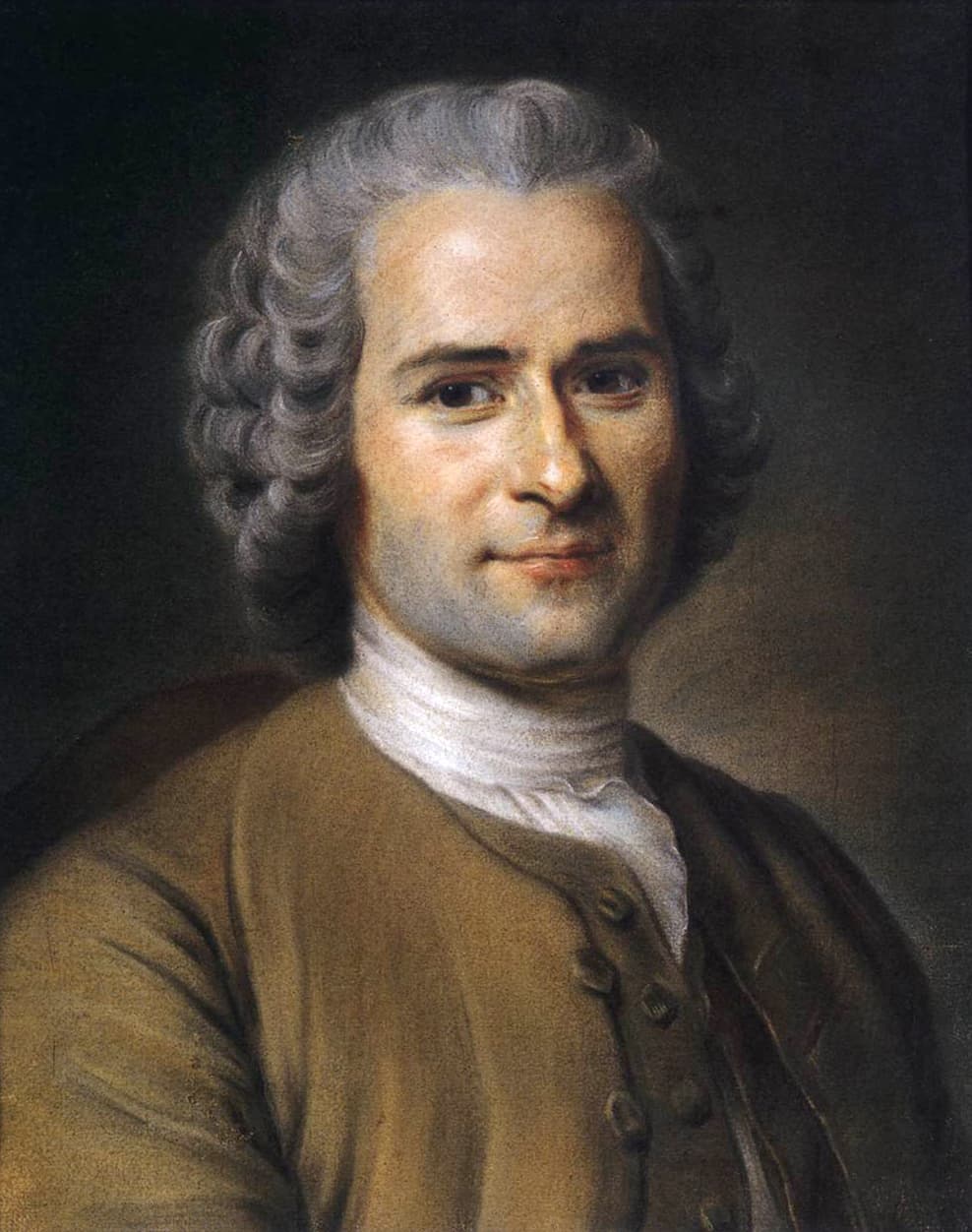
Rousseau inverted the doctrine — born good, corrupted by society — and much of modernity followed: education, progress, and revolution would do what grace once did. Liberal theology reinterpreted sin as the drag of nature on spirit (Schleiermacher) or social transmission ('the kingdom of evil' — Rauschenbusch).
How it was received
Then the twentieth century happened. Reinhold Niebuhr rebuilt a chastened Augustinianism on the evidence of the newspapers — original sin as the one Christian doctrine you can verify empirically (a quip he endorsed, whoever coined it): pride infecting even our ideals, groups more ruthless than individuals.
Key voicesRousseau · Schleiermacher · Walter Rauschenbusch · Reinhold Niebuhr
1950–today
Adam and the genome
What happened
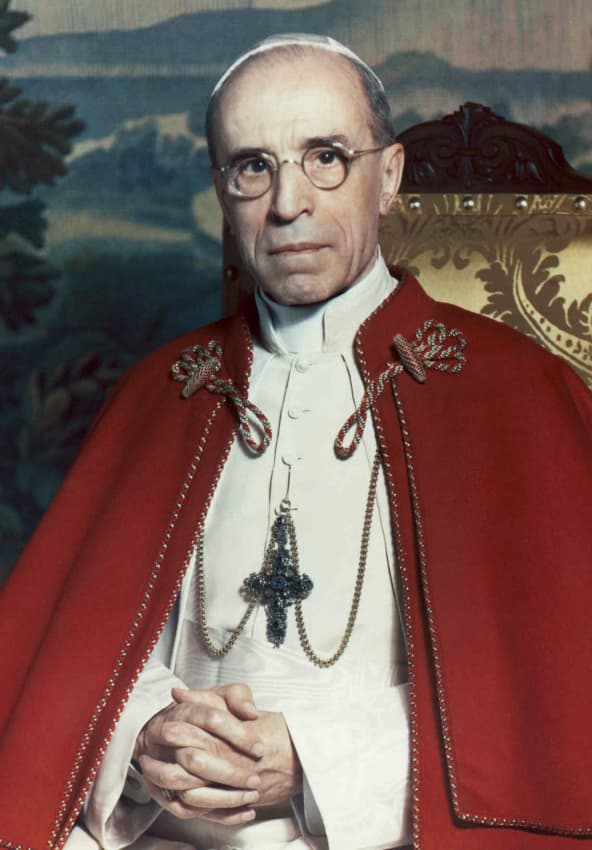
Evolutionary science reframed the question: genetic evidence does not support a recent bottleneck in which a single couple were the sole genetic progenitors of all living humans; reconstructed ancestral populations are much larger. Theological models range from young-earth literalism, through a historical representative couple within a wider population, to archetypal readings. Catholic teaching permits figurative language but still affirms a real primeval fall, while leaving important questions about human origins under discussion.
Primary source“The account of the fall in Genesis 3 uses figurative language, but affirms a primeval event, a deed that took place at the beginning of the history of man.”
— Catechism of the Catholic Church 390, 1992
How it was received
Beneath the origins debate, many Christian traditions still use the doctrine to name humanity's universal entanglement in sin, while disagreeing about guilt, biological or social transmission, and the historical role of Adam. Secular accounts of human bias or aggression may describe overlapping phenomena without affirming the theological doctrine.
Key voicesHumani Generis 1950 · Peter Enns · John Walton · CCC 390
The present landscape
Where the traditions stand today
Catholic
Original sin is the inherited deprivation of original holiness — 'contracted, not committed' — washed away in baptism, with concupiscence remaining; a real primeval fall is affirmed.
Orthodox
Ancestral sin: we inherit mortality and corruption, not Adam's guilt; infants are baptized for life in Christ, not to cancel condemnation.
Protestant
Reformed and Lutheran confessions teach inherited guilt and total depravity; Wesleyans affirm corruption with prevenient grace restoring ability; liberal Protestantism treats the fall as symbol.