The argument through time
History enters the room.

c. 950–500 BC
'Let us make man in our image'
What happened
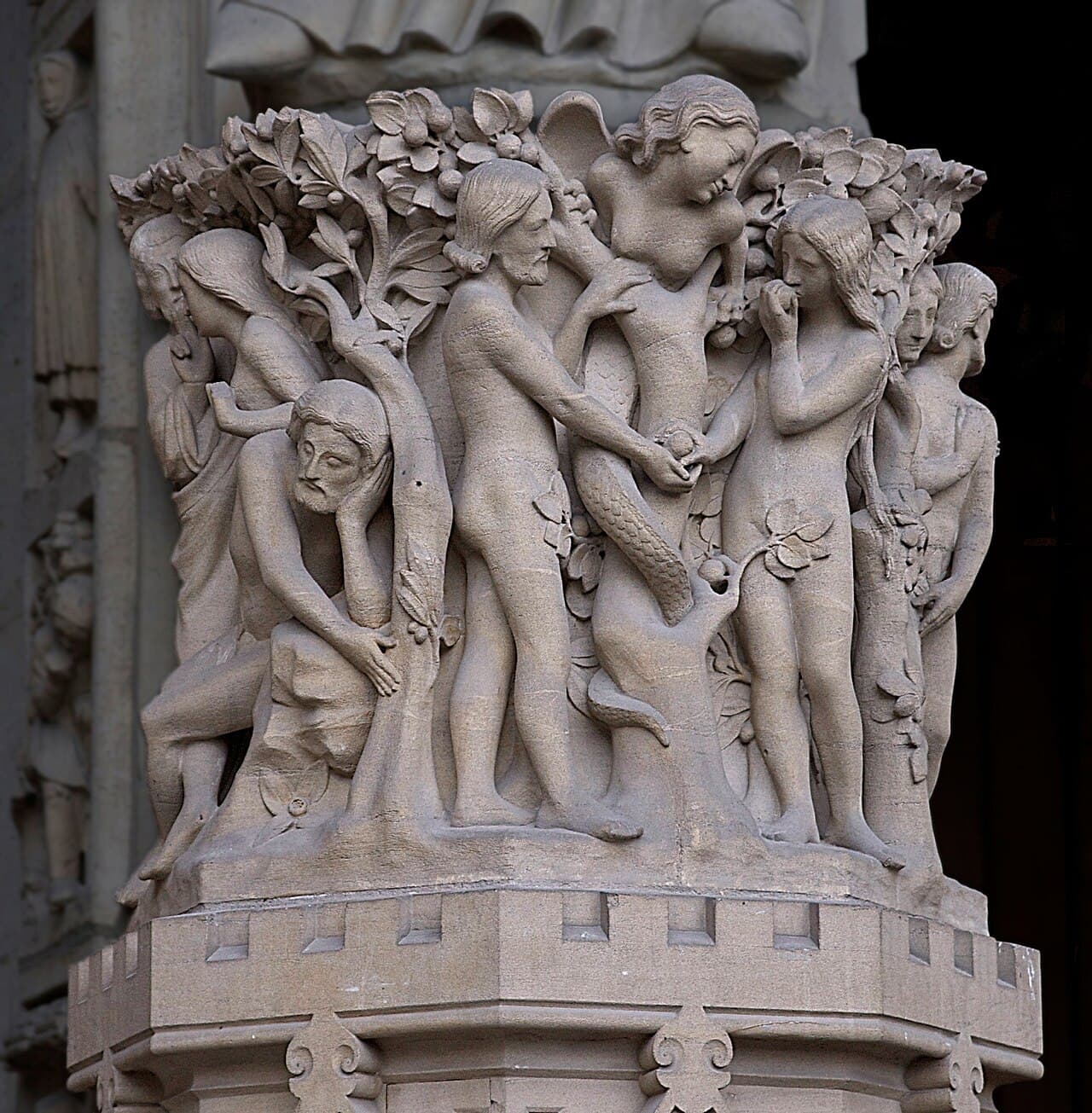
In the ancient Near East, the 'image of god' was the king — a statue-like representative of the deity, ruling on its behalf. Genesis democratizes the title: all humanity, male and female, bears it, commissioned to rule the earth as God's representatives. Modern Old Testament scholarship regards this royal-functional sense as the likeliest original meaning.
Primary source“So God created man in his own image, in the image of God he created him; male and female he created them.”
— Genesis 1:27
How it was received
The text itself defines nothing — it locates the image in humans and attaches dominion and blessing. Everything else is the history of interpretation.
Key voicesGenesis 1 · ANE royal ideology
180–430
Image and likeness; the rational soul
What happened
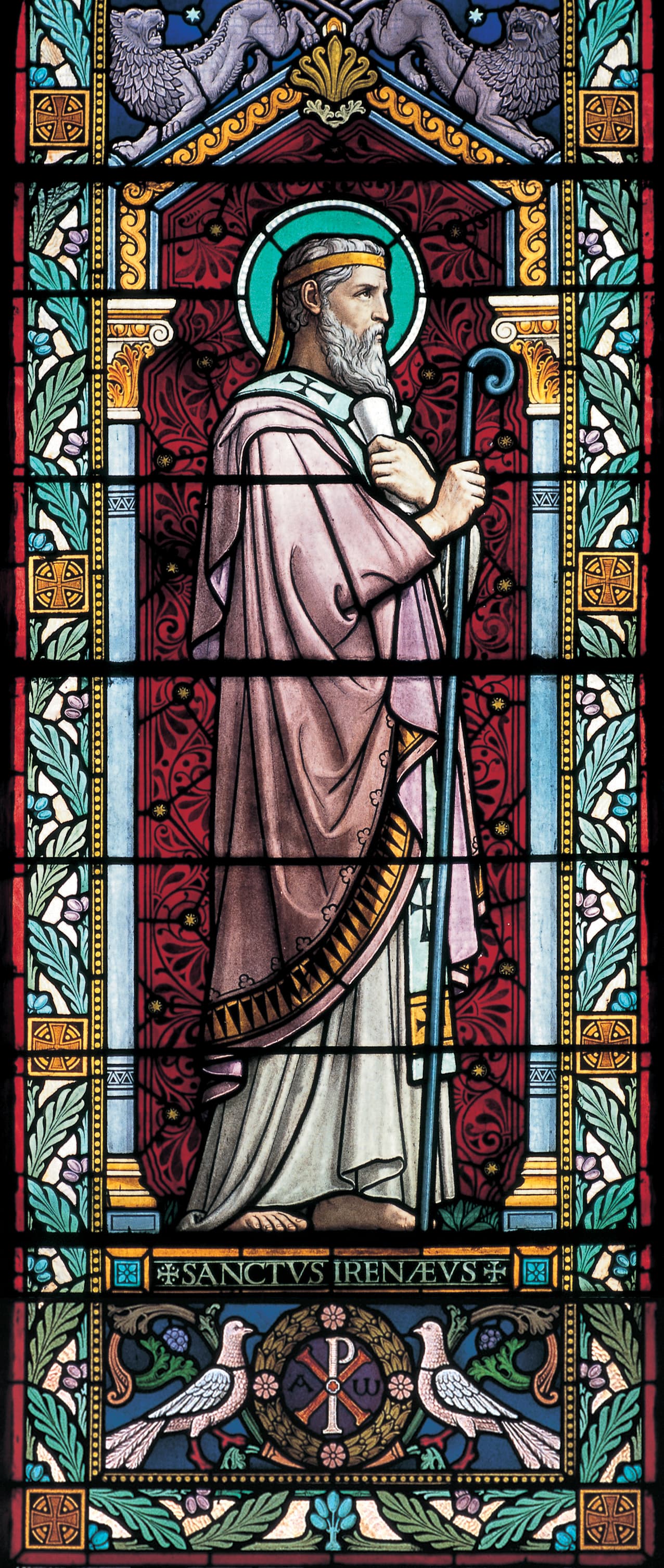
Irenaeus drew a distinction from the doublet 'image and likeness': the image (rationality, freedom) survives the fall; the likeness (moral resemblance to God) is lost and restored in Christ — exegetically shaky, theologically momentous. Christ himself, Paul's 'image of the invisible God,' became the interpretive key: humanity is made according to the true Image.
How it was received
Many Greek-speaking fathers and Augustine located the image especially in rational and spiritual capacities; Augustine explored analogies in mind, knowledge, and love. They also defended bodily resurrection, even while drawing on Platonic distinctions between soul and body. Origen's theory of preexistent souls was rejected; Western theologians continued to debate creationism and traducianism because each posed different questions about the transmission of original sin.
Key voicesIrenaeus · Origen · Augustine · Colossians 1:15
379–1274
The image against slavery — a road not taken
What happened
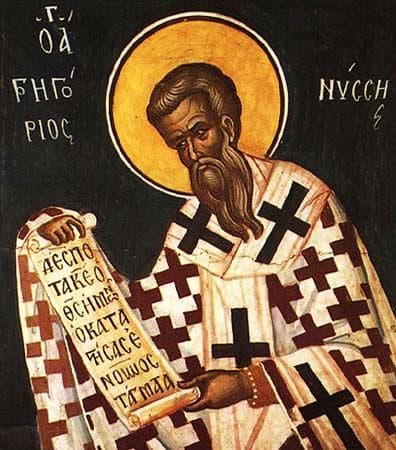
Gregory of Nyssa delivered one of antiquity's most sweeping surviving Christian attacks on slave ownership, arguing that no price can be set on a person made in God's image. The argument did not become the church's controlling social ethic: Christians continued to own slaves, and influential theologians including Augustine treated slavery as a consequence of sin without demanding its immediate abolition.
Primary source“You condemn to slavery man, whose nature is free and self-determining, and you make laws opposed to God… who can buy the image of God?”
— Gregory of Nyssa, Homilies on Ecclesiastes 4 (condensed), c. 379
How it was received
Aquinas systematized the classical view: the image is the intellectual nature, existing in degrees — in all humans by nature, in the graced by conformity, in the blessed by glory. Dominion, reason, and immortality of the soul formed the standard medieval package.
Key voicesGregory of Nyssa · Augustine · Thomas Aquinas
1511–1863
Valladolid, abolition: the doctrine's trial by fire
What happened
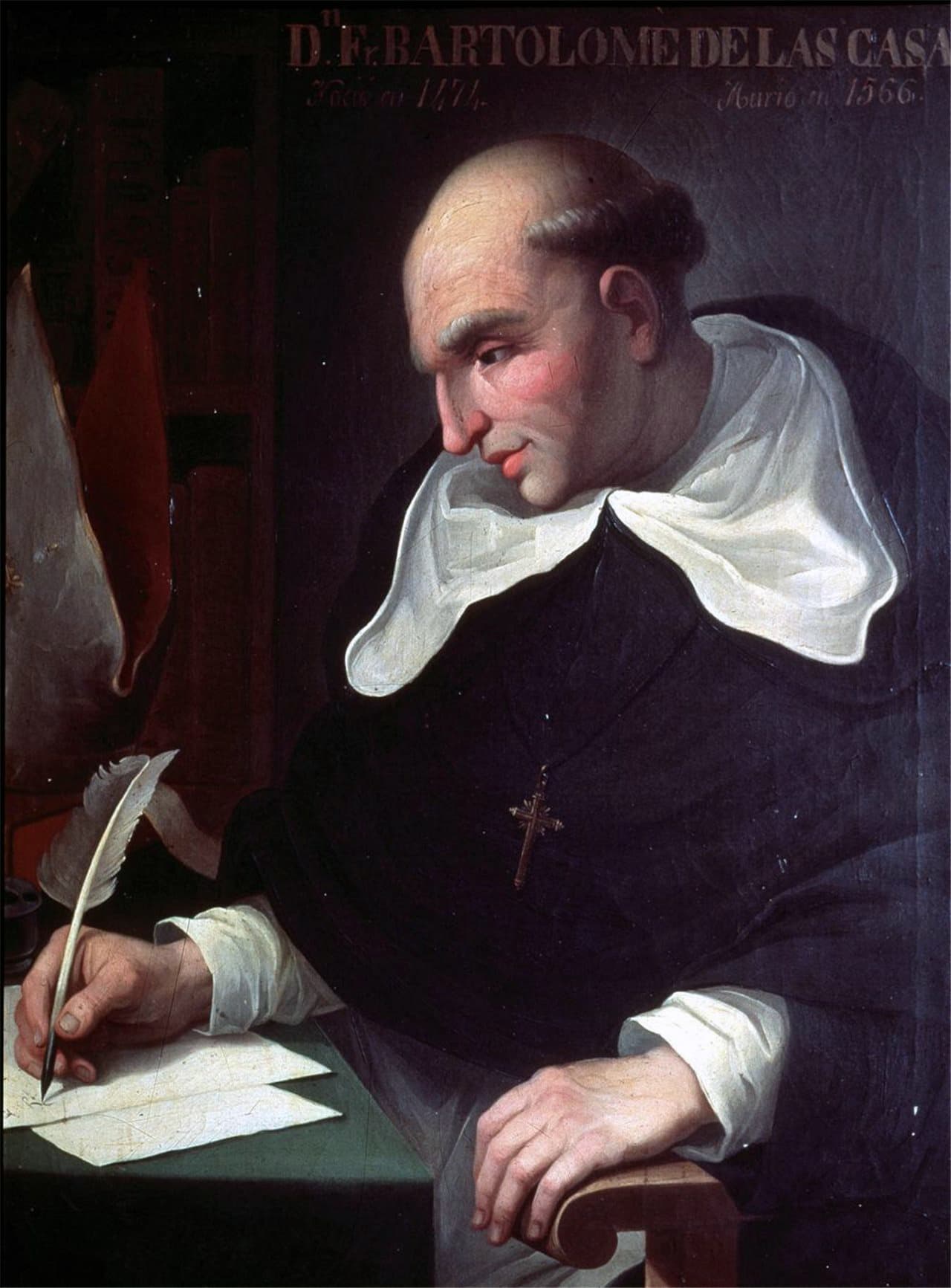
The conquest of the Americas forced the question in blood: Montesinos's Advent sermon (1511) — 'are these not men?' — and the Valladolid debate (1550) between Las Casas and Sepúlveda turned on whether Indigenous peoples bore the full image. Papal teaching (Sublimis Deus, 1537) answered yes — 'true men,' not to be enslaved — enforcement lagging doctrine by centuries.
How it was received
The abolition movements finally cashed Gregory of Nyssa's check: Quaker, evangelical, and Black church arguments against slavery ran straight through the image of God, even as slaveholding Christians quoted the curse of Ham. The doctrine's history is inseparable from this fight — its greatest failure and its greatest vindication.
Key voicesBartolomé de las Casas · Sublimis Deus 1537 · Frederick Douglass · Abolitionists
1930–1980
The relational turn
What happened
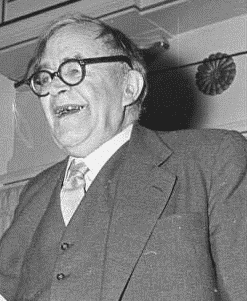
The twentieth century relocated the image again: Barth read 'male and female he created them' as the clue — the image is being-in-relationship, counterpart and encounter, mirroring the God who is himself relational. Others (Brunner, later Moltmann) developed relational and social readings; the functional-royal reading returned via Old Testament scholarship.
Primary source“Man is the image of God insofar as he is man with man — the co-existence of I and Thou.”
— Karl Barth, Church Dogmatics III/1 (condensed), 1945
How it was received
The practical edge sharpened after the Holocaust and the eugenics era: image-of-God language became the theological backbone of human-rights and human-dignity discourse, Christian and secular alike — arguably the doctrine's largest public legacy.
Key voicesKarl Barth · Emil Brunner · Human dignity discourse
1980–today
Embodied wholes: the anthropology debate reopens
What happened
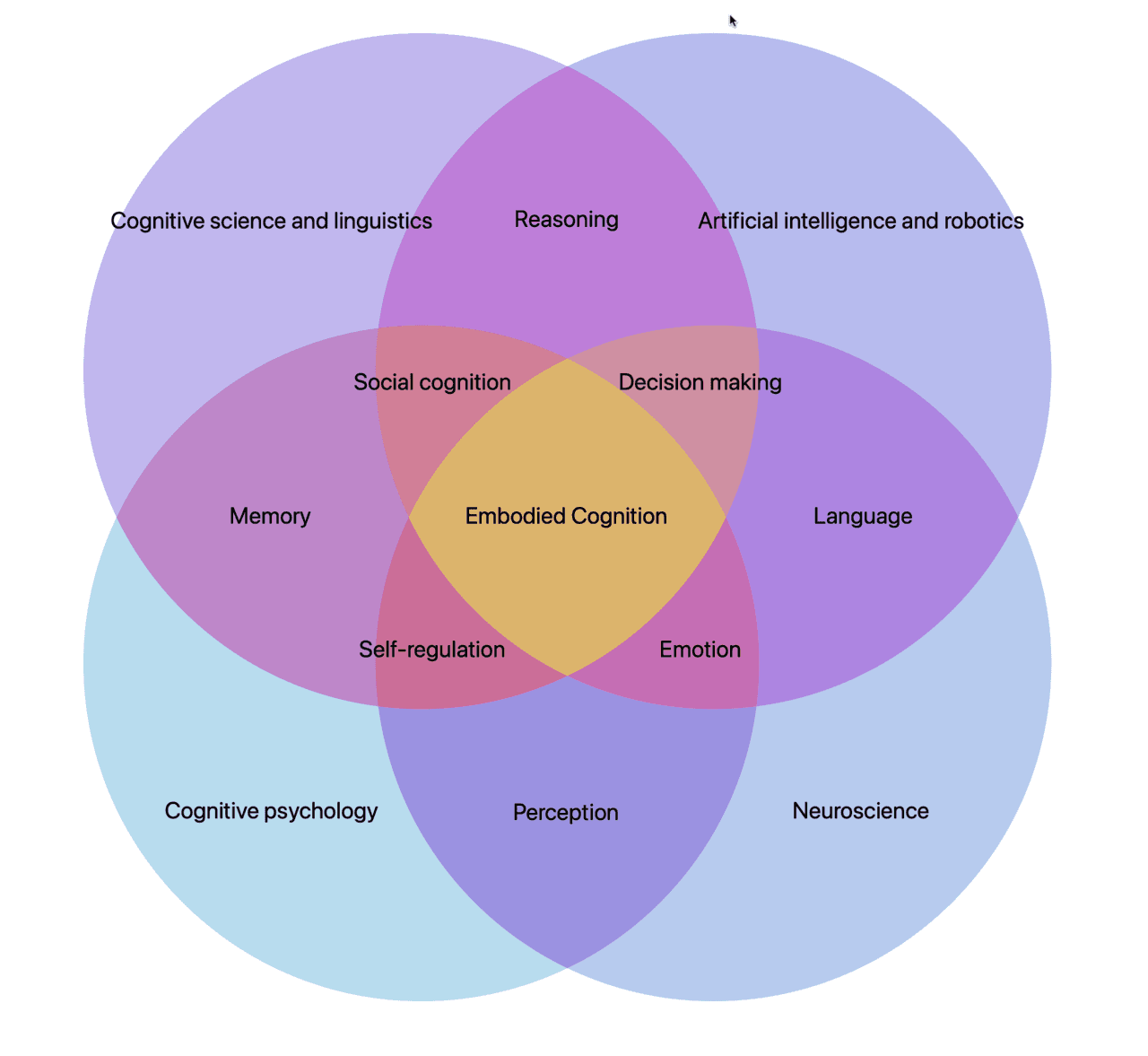
Modern biblical scholarship often emphasizes the holistic character of Hebrew anthropology: nephesh commonly names a living being or life, not a detachable ghost. Some Christian philosophers and theologians therefore defend physicalism, while substance dualists and 'holistic dualists' argue that personal continuity through the intermediate state still requires a soul. Neuroscience informs but does not by itself decide that metaphysical dispute.
How it was received
Image-of-God language now shapes Christian arguments about abortion, disability, dementia, artificial intelligence, and transhumanism because it can ground dignity in relation to God rather than in capacities that vary or can be lost. Traditions disagree about its precise content while broadly agreeing that every human being bears the image.
Key voicesNancey Murphy · John W. Cooper · Bioethics debates · AI personhood
The present landscape
Where the traditions stand today
Catholic
The image is the spiritual soul with intellect and free will, wounded not erased by sin, restored in Christ; it grounds inviolable dignity from conception to death.
Orthodox
Made in the image (gift) to grow into the likeness (task) — the Irenaean distinction lives on; the destiny of the image is theosis.
Protestant
Classic confessions: original righteousness lost, image marred but not destroyed. Modern readings split among substantive (reason), relational (Barth), and functional-royal (dominion) interpretations.