The argument through time
History enters the room.

c. 950–150 BC
Genesis against the gods
What happened
Read beside Babylon's Enuma Elish, Genesis 1 is polemic as much as chronicle: no theogony, no combat, no rival gods — sun and moon reduced to unnamed 'lamps,' sea monsters to created pets. One God speaks, and order is.
How it was received
Whether the Hebrew opens 'In the beginning God created' or 'When God began to create…' — creation from nothing or ordering of chaos — is a genuine grammatical question, and the tradition would settle it theologically rather than grammatically. By 2 Maccabees (2nd c. BC), a Jewish mother can tell her martyred son that God made heaven and earth 'not out of things that existed.'
Key voicesGenesis 1 · Enuma Elish · 2 Maccabees 7:28
150–230
Creatio ex nihilo defined
What happened
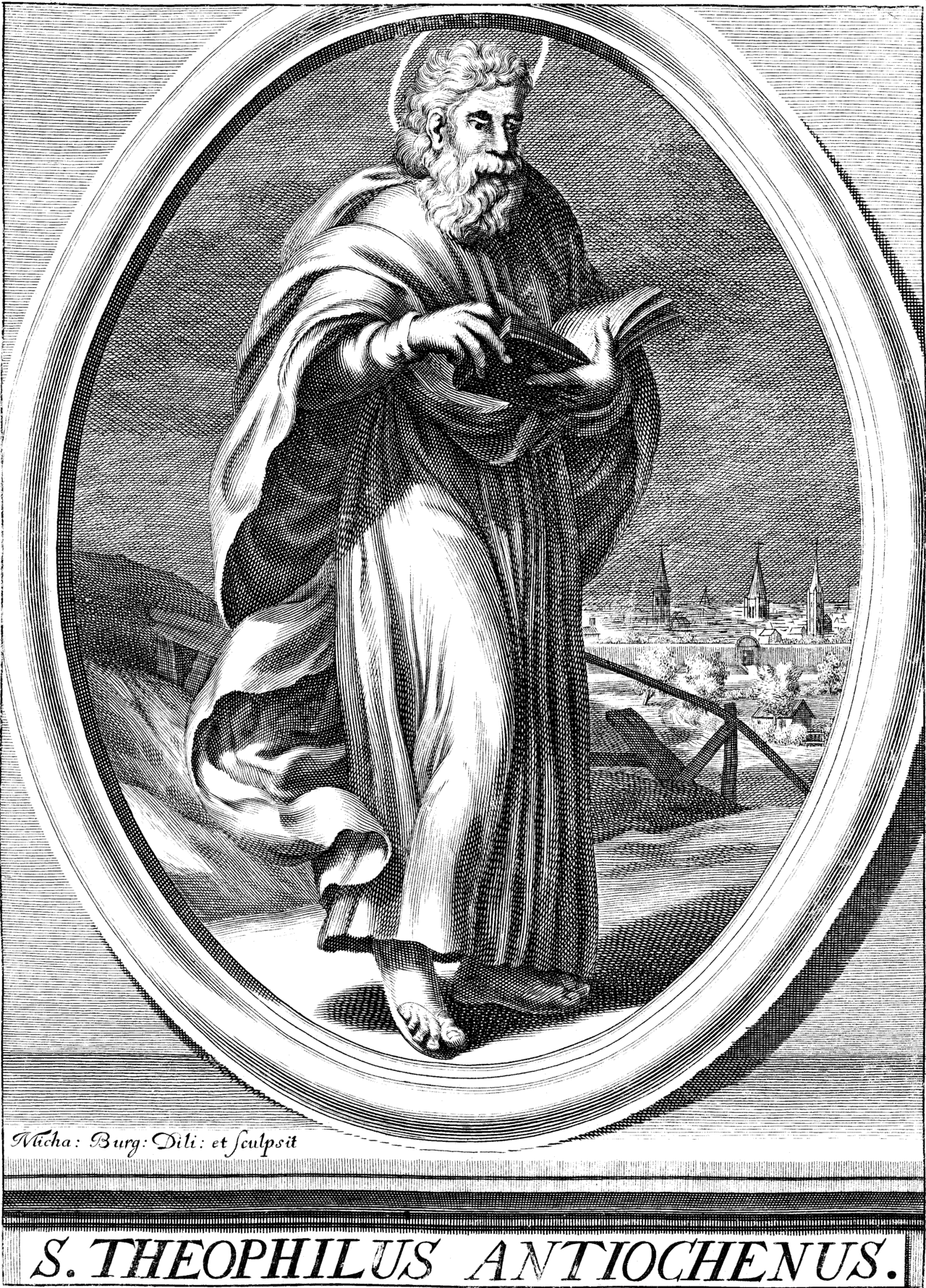
Greek philosophy took matter as eternal — the craftsman-god of Plato's Timaeus shapes what he did not make. Against this (and against Gnostic demiurges), Theophilus of Antioch and Irenaeus drew the line that became bedrock: God created all things from nothing, matter included; nothing is co-eternal with God, and the material world is his good work.
Primary source“God made all things out of nothing; for nothing is coeval with God.”
— Theophilus of Antioch, To Autolycus 2.4, c. 180
How it was received
The stakes were never merely cosmological: ex nihilo grounds creation's total dependence, its goodness, and God's freedom — the doctrinal spine of everything from sacraments to resurrection.
Key voicesTheophilus · Irenaeus · Tertullian
200–430
The days: literal, allegorical — and Augustine's warning
What happened
Patristic readings of the six days diverged immediately. Origen thought no intelligent person could take days one to three literally — evenings and mornings before a sun? Basil preached the days straightforwardly; Augustine concluded creation was instantaneous, the 'days' a teaching arrangement, with creatures unfolding over time from implanted 'seminal reasons' — a patristic anticipation of development.
Primary source“It is a disgraceful and dangerous thing for an infidel to hear a Christian, presumably giving the meaning of Holy Scripture, talking nonsense on these topics… reckless and incompetent expounders of Holy Scripture bring untold trouble and sorrow on their wiser brethren.”
— Augustine, The Literal Meaning of Genesis 1.19, c. 415
How it was received
Augustine also issued the warning every side now quotes: when Christians confidently assert scientific nonsense from Scripture, unbelievers laugh, and the faith is discredited on matters that actually count. Literal-days readings and figurative readings are both ancient; neither is the innovation.
Key voicesOrigen · Basil's Hexaemeron · Augustine
1215–1650
Doctrine defined; the clock wound to 4004 BC
What happened
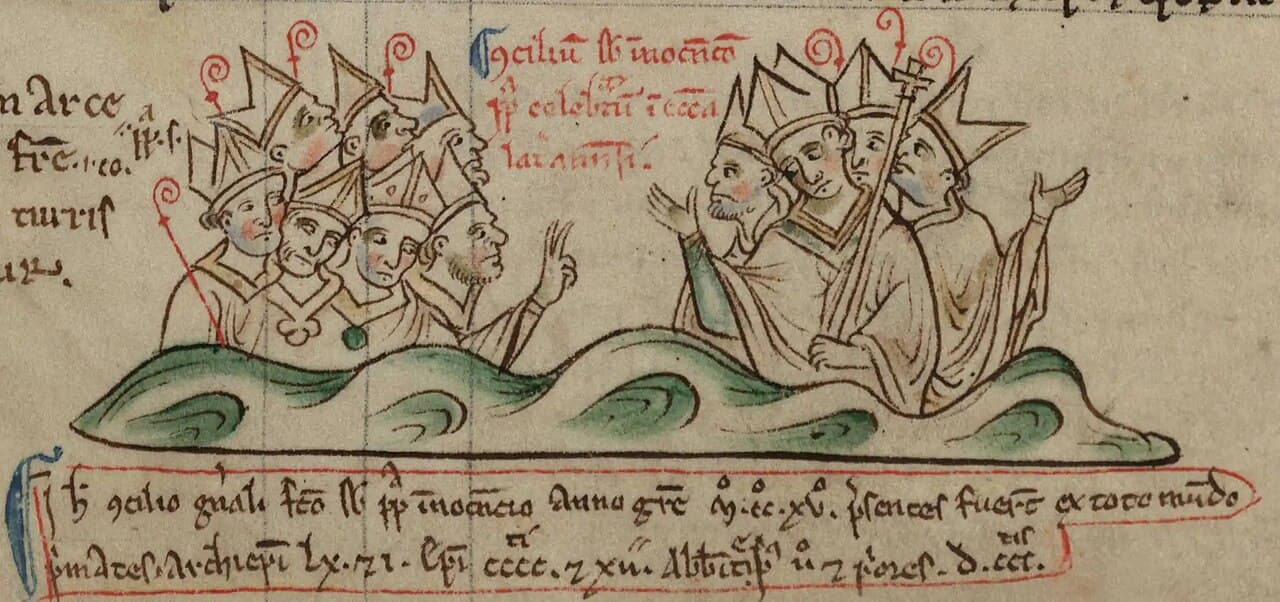
Lateran IV (1215) made ex nihilo dogma. Aquinas added a famous nuance: philosophically, an eternally created world is possible (creation is about dependence, not datedness) — that the world began we know only by revelation. Bonaventure disagreed; the scholastics debated it freely.
How it was received
The Reformation's plain-sense exegesis re-literalized the days (Luther pointedly against Augustine), and the new precision produced chronology: Archbishop Ussher's date of creation — nightfall before October 23, 4004 BC — printed in Bible margins for two centuries, set the stage for the modern collision.
Key voicesLateran IV · Thomas Aquinas · Martin Luther · James Ussher
1790–1925
Deep time and Darwin
What happened
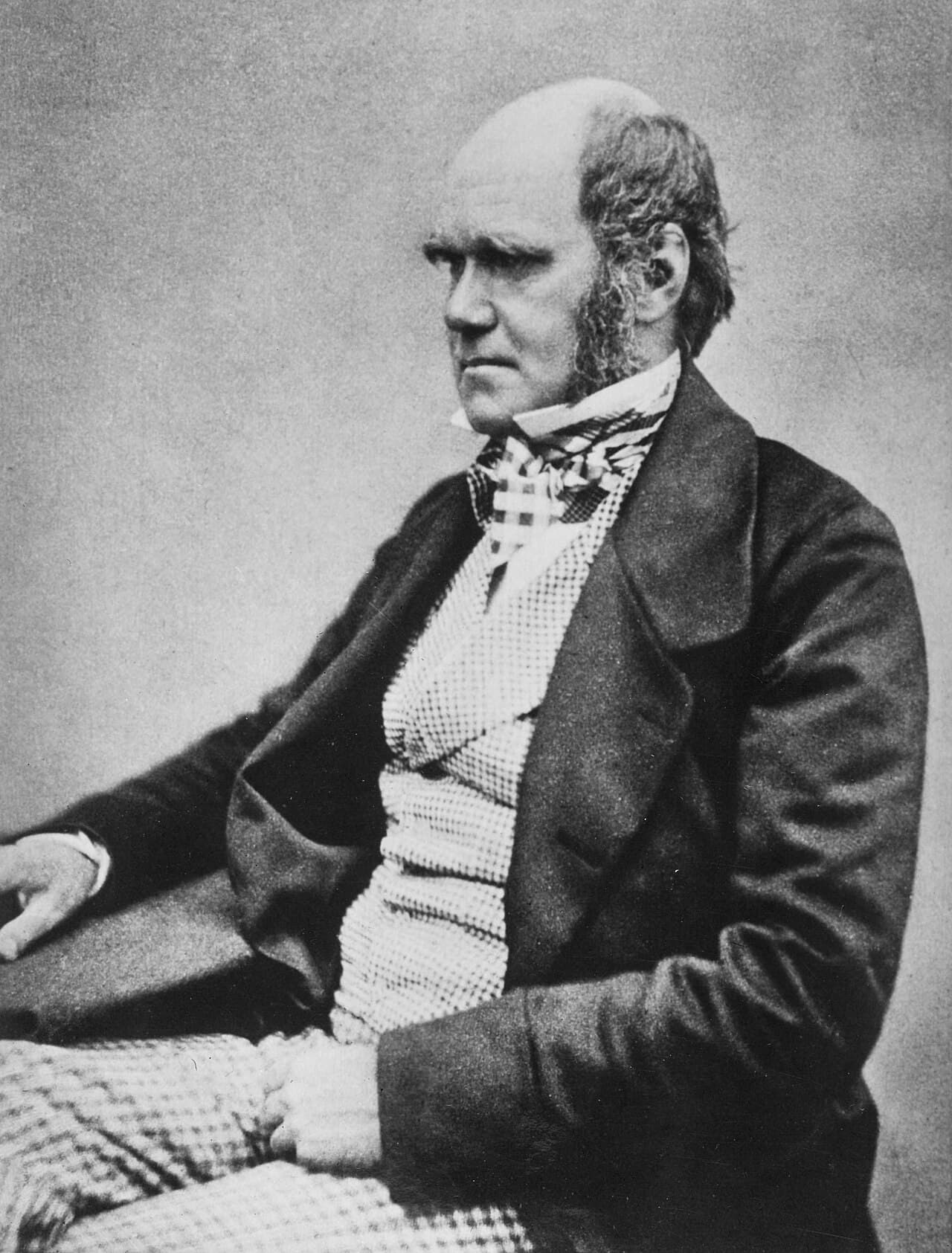
Geology stretched earth's age beyond any chronology; Christians responded with the gap theory (ages hidden between the first two verses) and day-age readings (each 'day' an epoch) — accommodation, not yet crisis. Darwin (1859) made it a crisis: not the earth's age but humanity's origin. Reactions spanned immediate embrace (Asa Gray, B.B. Warfield allowed evolution while defending inspiration) to root-and-branch rejection.
How it was received
The Scopes trial (1925) fixed the warfare narrative in the public mind — though historians note the 'conflict thesis' of science versus religion was itself a nineteenth-century invention.
Key voicesCharles Darwin · Asa Gray · B.B. Warfield · Scopes trial
1950–today
Big Bang theology and the spectrum settles in
What happened
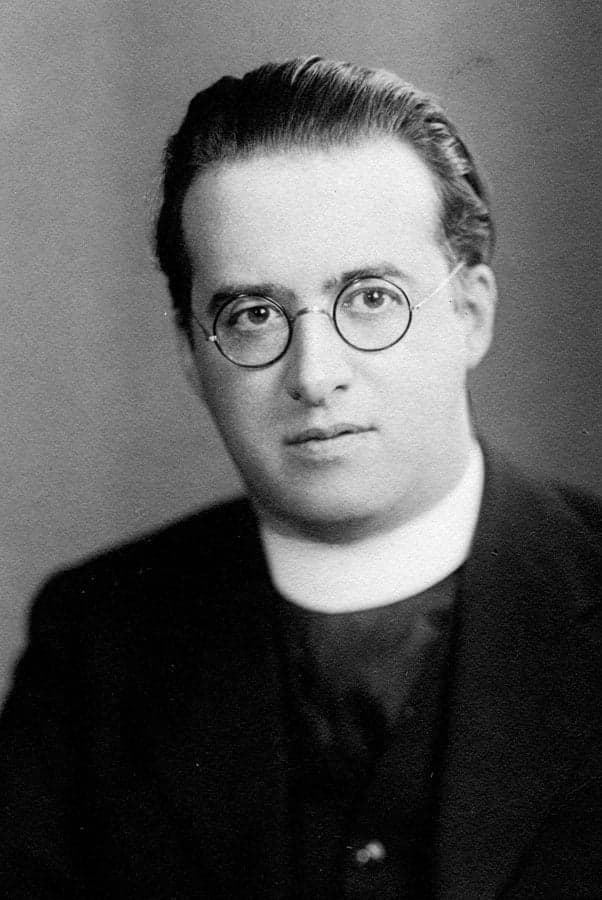
The expanding-universe model now called the Big Bang was developed by the Belgian priest and physicist Georges Lemaître. Humani Generis (1950) permitted Catholic discussion of evolution of the human body while requiring the soul's direct creation, and John Paul II (1996) described evolution as more than a hypothesis. Many mainline Protestant and Orthodox theologians accept evolutionary science, though neither communion is monolithic; Francis Collins helped make evolutionary creation more visible among evangelicals.
How it was received
Young-earth creationism, revived by The Genesis Flood (1961), built museums and a movement; Intelligent Design fought the courts in the 2000s; and scholars like John Walton re-read Genesis 1 as ancient cosmic-temple inauguration — arguing the text never intended to answer the modern question at all. Augustine's warning and Ussher's margin notes both have living heirs.
Key voicesGeorges Lemaître · Henry Morris · Francis Collins · John Walton
The present landscape
Where the traditions stand today
Catholic
Creation ex nihilo is dogma; evolution of the body is compatible with faith provided the soul's creation and human dignity are held; Genesis teaches the that and why, not the how.
Orthodox
Ex nihilo and creation's goodness are central; the days were read flexibly by the fathers, and most Orthodox theology sees no quarrel with evolutionary science.
Protestant
The full spectrum lives here: young-earth literalism, old-earth concordism, evolutionary creation, and literary-framework readings — often within the same congregation.