The argument through time
History enters the room.
c. 30–150
Marriage restored, celibacy honored
What happened
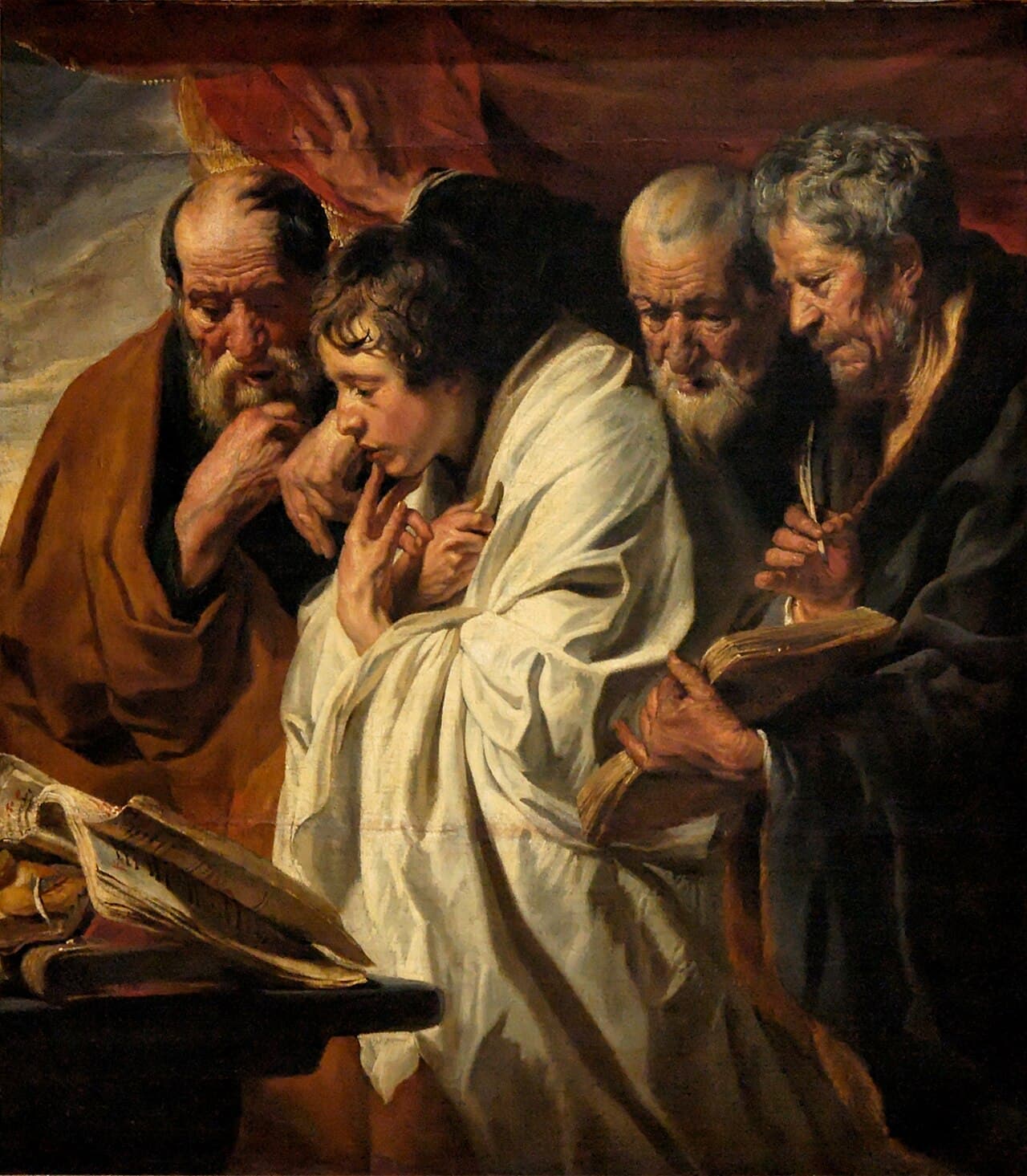
Jesus' teaching appeals beyond Mosaic divorce permission to creation's 'one flesh,' while Paul treats marriage as a mutual covenant and celibacy as a gift rather than a command for everyone. The New Testament therefore supplies both a demanding account of marital fidelity and an eschatological commendation of singleness.
How it was received
Early churches inherited Jewish, Greek, and Roman marriage customs rather than one Christian wedding rite. Their distinctive discipline formed around monogamy, sexual fidelity, care for widows, and the conviction that baptism reordered household life under Christ.
Key voicesGospels · Paul · Apostolic church
c. 150–450
Ascetic enthusiasm—and marriage defended
What happened
Martyrdom, virginity, widowhood, and monastic renunciation gave celibacy exceptional prestige. Some rigorist groups disparaged marriage, but mainstream writers rejected the claim that creation or marital union was evil.
How it was received
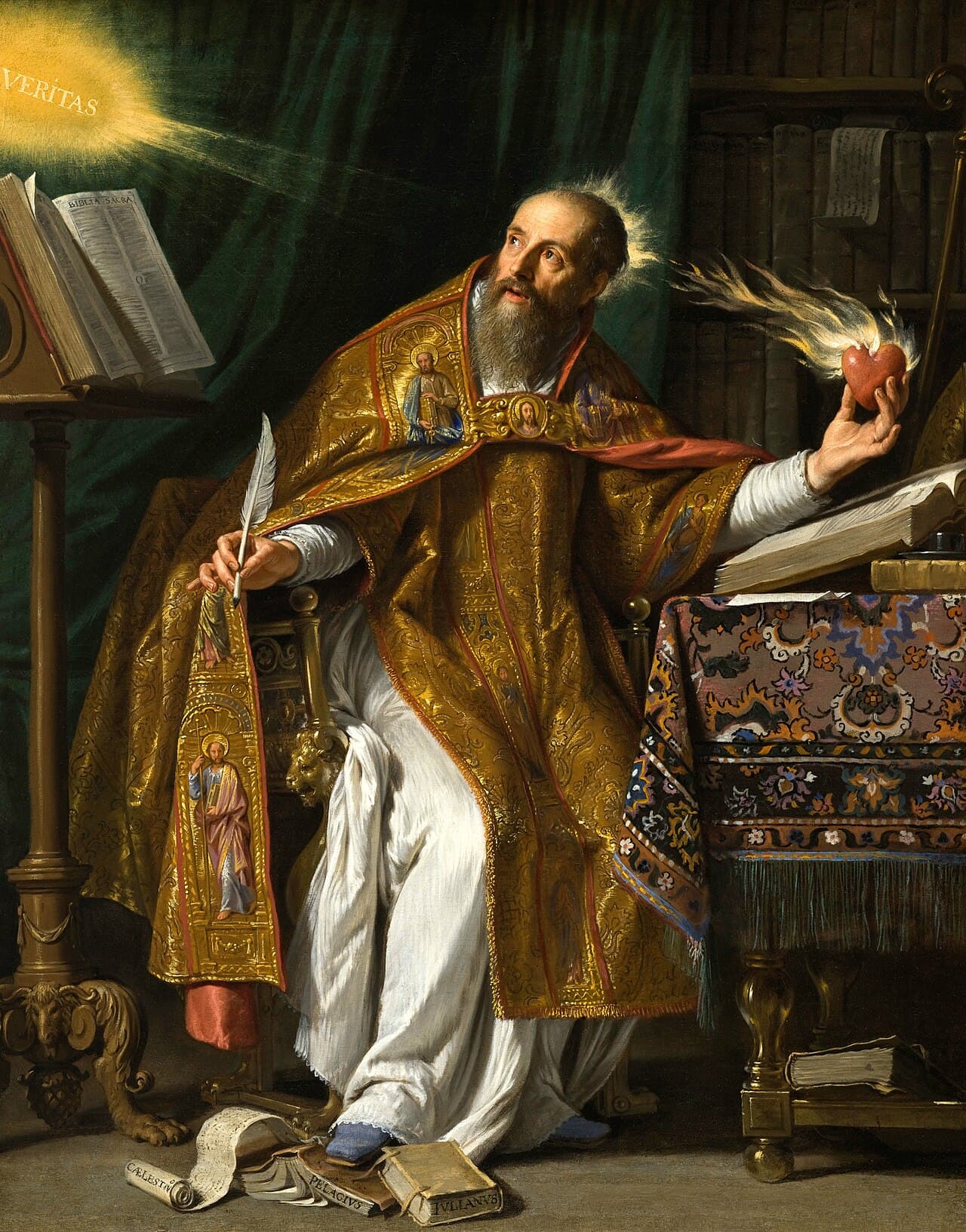
Augustine described offspring, fidelity, and an enduring bond as goods of marriage, while ranking consecrated virginity as a higher vocation. Eastern and Western disciplines increasingly restricted remarriage and clerical marriage, but they did so unevenly and with different pastoral exceptions.
Key voicesAugustine · John Chrysostom · Desert Fathers
451–1215
Clerical disciplines diverge
What happened
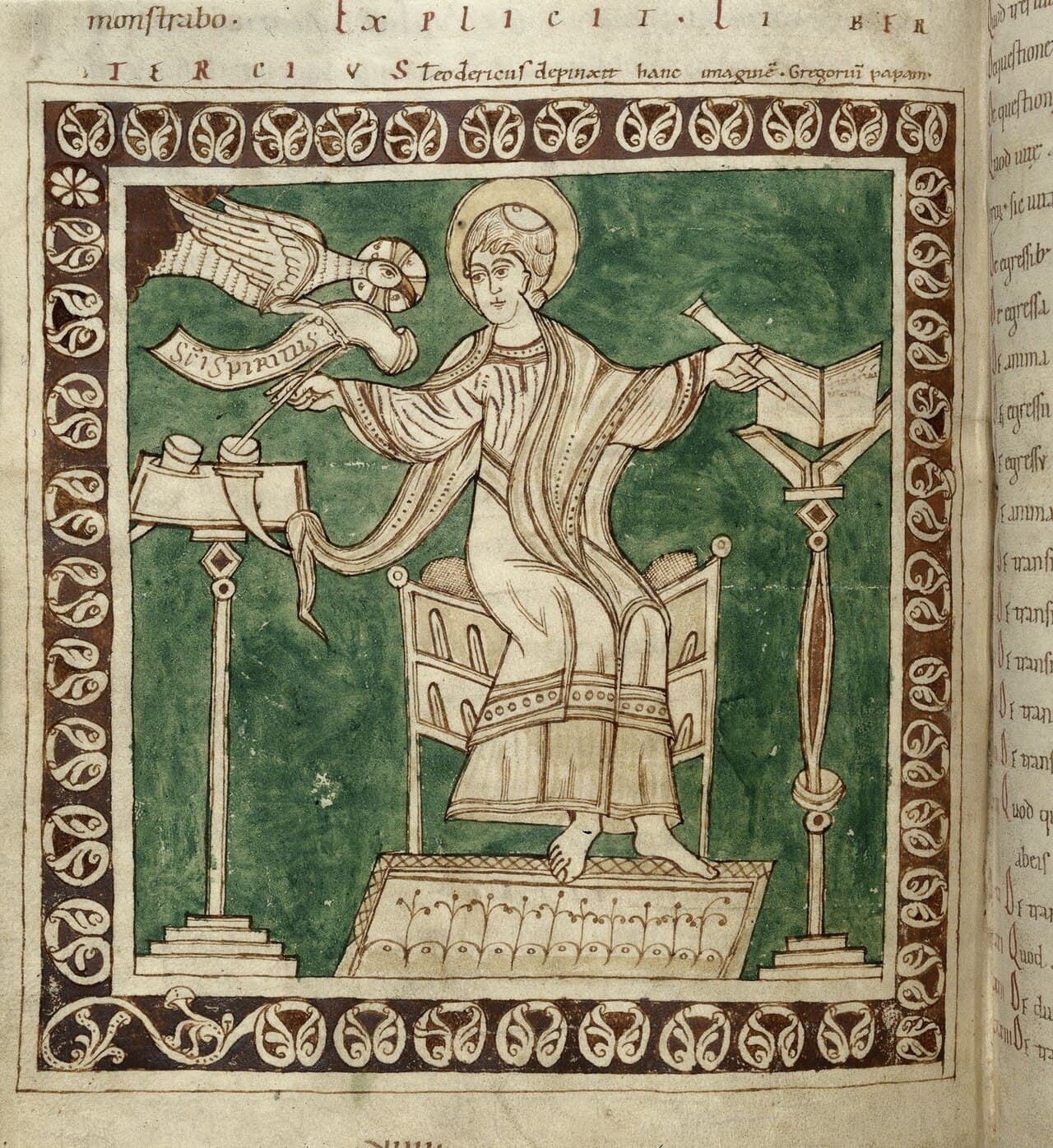
The Byzantine pattern normally permitted a married man to be ordained priest but did not permit marriage after ordination; bishops were chosen from celibate clergy. The Latin church moved through recurring reforms toward mandatory continence and then celibacy for priests.
How it was received
Eastern churches also developed penitential rites for some second and third marriages, including remarriage after divorce in limited circumstances. The West increasingly treated a valid consummated Christian marriage as an indissoluble bond and distinguished declarations of nullity from divorce.
Key voicesGregory the Great · Benedict · Lateran IV
1215–1563
Sacrament, consent, and Reformation rupture
What happened
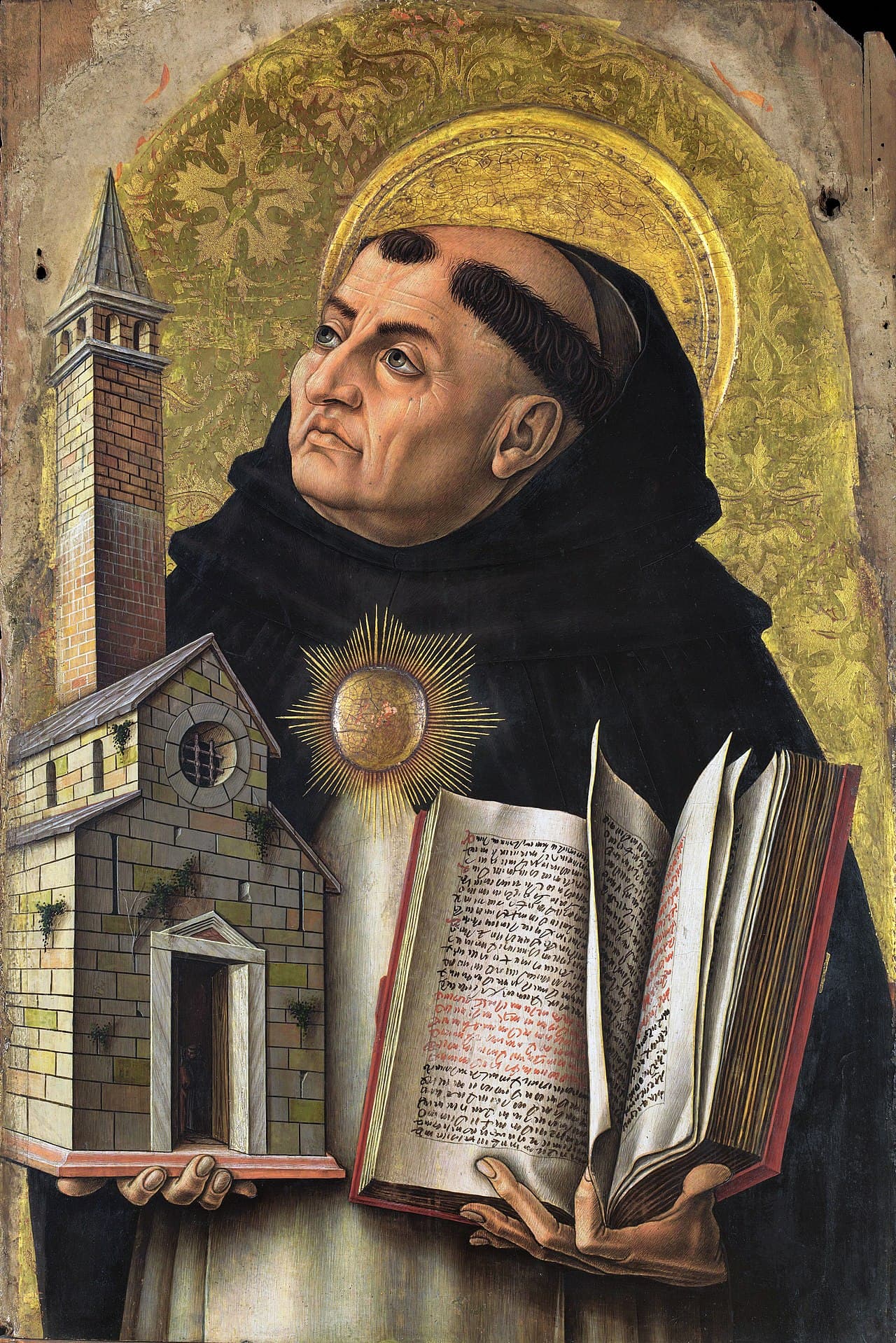
Medieval canonists made the free consent of the spouses central to marriage and placed matrimony within the developing seven-sacrament system. Church courts adjudicated validity, separation, prohibited degrees, and dispensations.
How it was received
The Reformers rejected mandatory clerical celibacy and usually described marriage as a divine estate rather than a sacrament of the Gospel. Lutherans and Reformed churches permitted divorce and remarriage on specified biblical grounds; Trent defended sacramental marriage and the Latin discipline of clerical celibacy.
Key voicesThomas Aquinas · Martin Luther · Council of Trent
1563–1930
Confessional households meet civil marriage
What happened
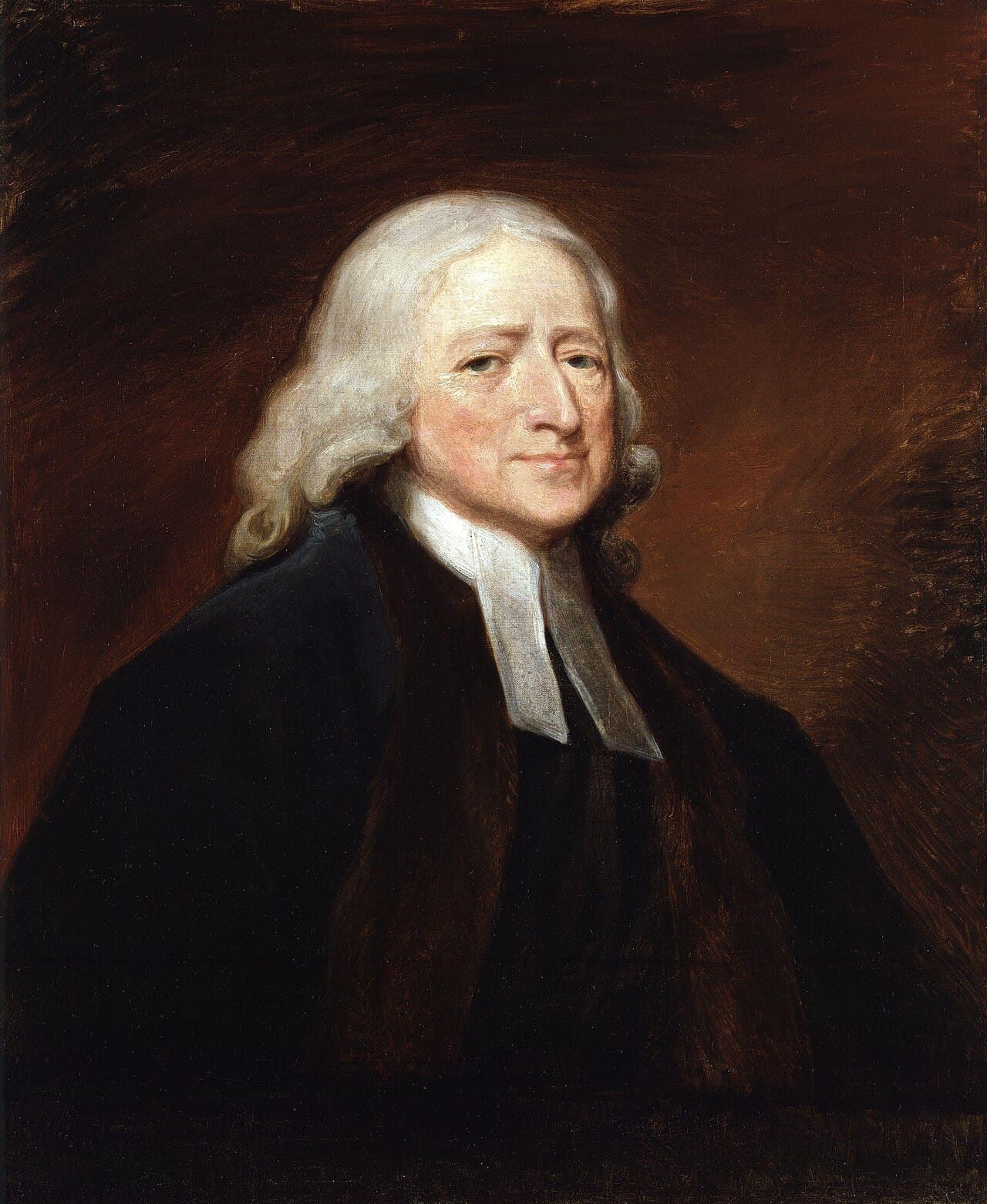
Catholic, Orthodox, Anglican, Lutheran, and Reformed societies built distinct legal settlements around marriage. As modern states assumed jurisdiction and civil divorce expanded, churches had to distinguish civil status from ecclesial recognition.
How it was received
Industrialization, migration, and women's legal reforms changed the social setting of marriage. Protestant denominations gradually differed over remarriage after divorce, while Catholic teaching maintained the indissolubility of a valid sacramental bond and Orthodox practice retained limited penitential remarriage.
Key voicesJohn Wesley · Vatican II · Martin Luther
1930–today
Marriage under modern revision
What happened
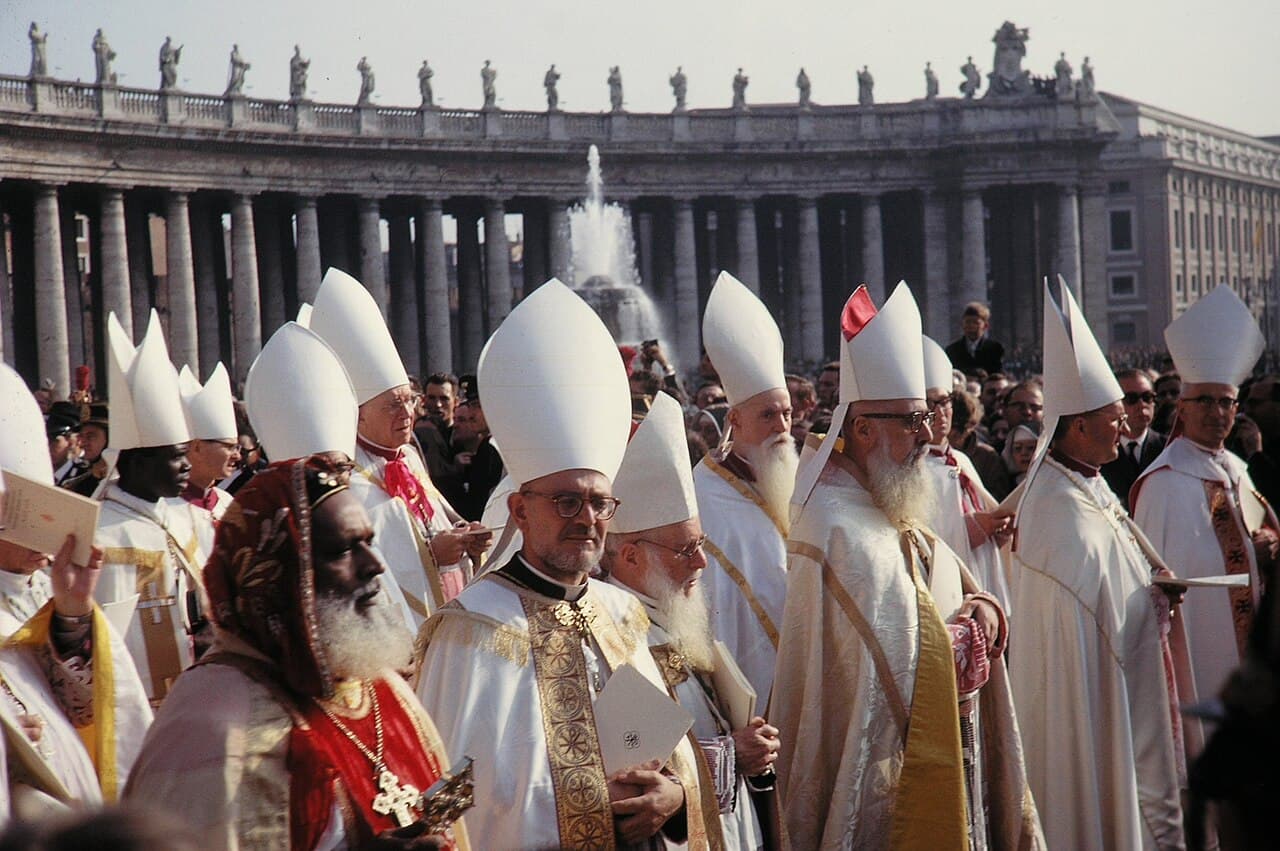
The 1930 Lambeth Conference cautiously permitted contraception within marriage in limited cases, a landmark in the widening divergence over fertility. Many Protestant churches later revised disciplines on divorce and remarriage; debates over gender and same-sex unions produced further denominational division.
How it was received
Catholic teaching continues to define marriage as an exclusive, indissoluble covenant between a man and a woman and distinguishes annulment from divorce. Orthodox churches preserve sacramental ideals with penitential remarriage in some cases. Protestant practice now ranges from strict permanence to pastoral remarriage and differing definitions of marriage.
Key voicesVatican II · Karl Barth · Edinburgh 1910
The present landscape
Where the traditions stand today
Catholic
Marriage between baptized persons is a sacrament and a valid consummated bond is indissoluble. The Latin Church ordinarily requires priestly celibacy; annulment judges whether a valid bond arose.
Orthodox
Marriage is a holy mystery. Bishops are celibate and married men may be ordained priests; some churches permit penitential second or third marriages after divorce.
Protestant
Most permit clergy to marry. Views differ widely on sacramentality, divorce, remarriage, contraception, and same-sex marriage, from strict confessional limits to revisionist practice.