The argument through time
History enters the room.
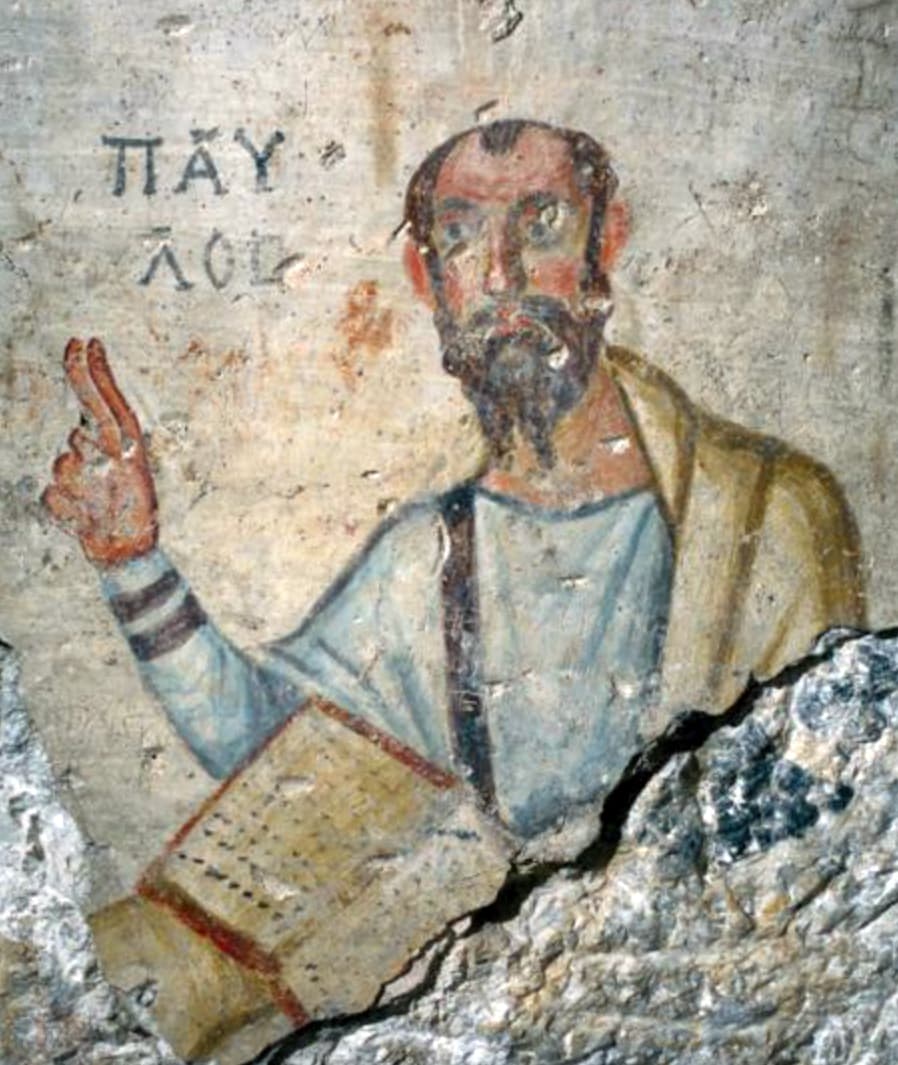
c. 48–100
Gentiles, Torah, and the law of Christ
What happened
The apostolic mission confronted whether Gentiles must be circumcised and keep Israel's Torah to belong to God's people. Acts 15 and Paul's letters reject Torah observance as the basis of Gentile inclusion while continuing to speak of holy, just, and fulfilled command.
How it was received
Already the New Testament holds together claims later systems would separate: believers are not under law in one sense, fulfill the law through love in another, and live under the law of Christ. The controversy cannot be reduced to a simple opposition between legalism and grace.
Key voicesPaul · Apostolic church · Matthew's Gospel
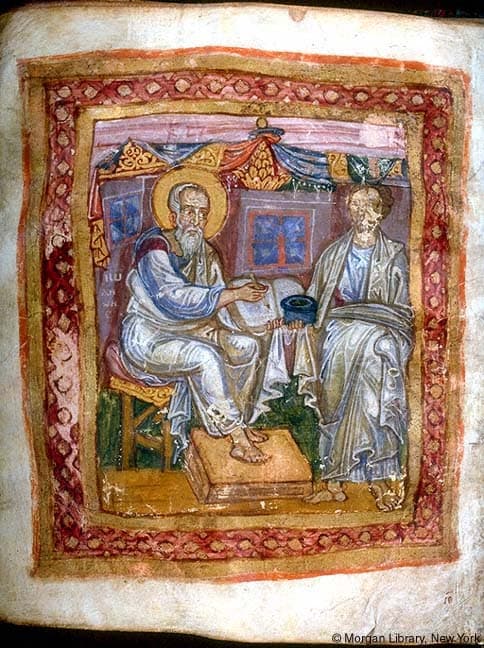
c. 140–400
Marcion's rupture—and the church's refusal
What happened
Marcion opposed the lawgiving Creator to the Father revealed by Jesus and rejected Israel's Scriptures. The church refused this solution, retaining the Old Testament and confessing one God while developing typological, moral, and allegorical ways of reading difficult commands.
How it was received
Patristic writers distinguished enduring moral instruction from ritual and national provisions fulfilled in Christ. Their accounts varied, but anti-Marcionite theology made continuity between creation, Israel, Christ, and church a nonnegotiable Christian claim.
Key voicesMarcion · Irenaeus · Origen
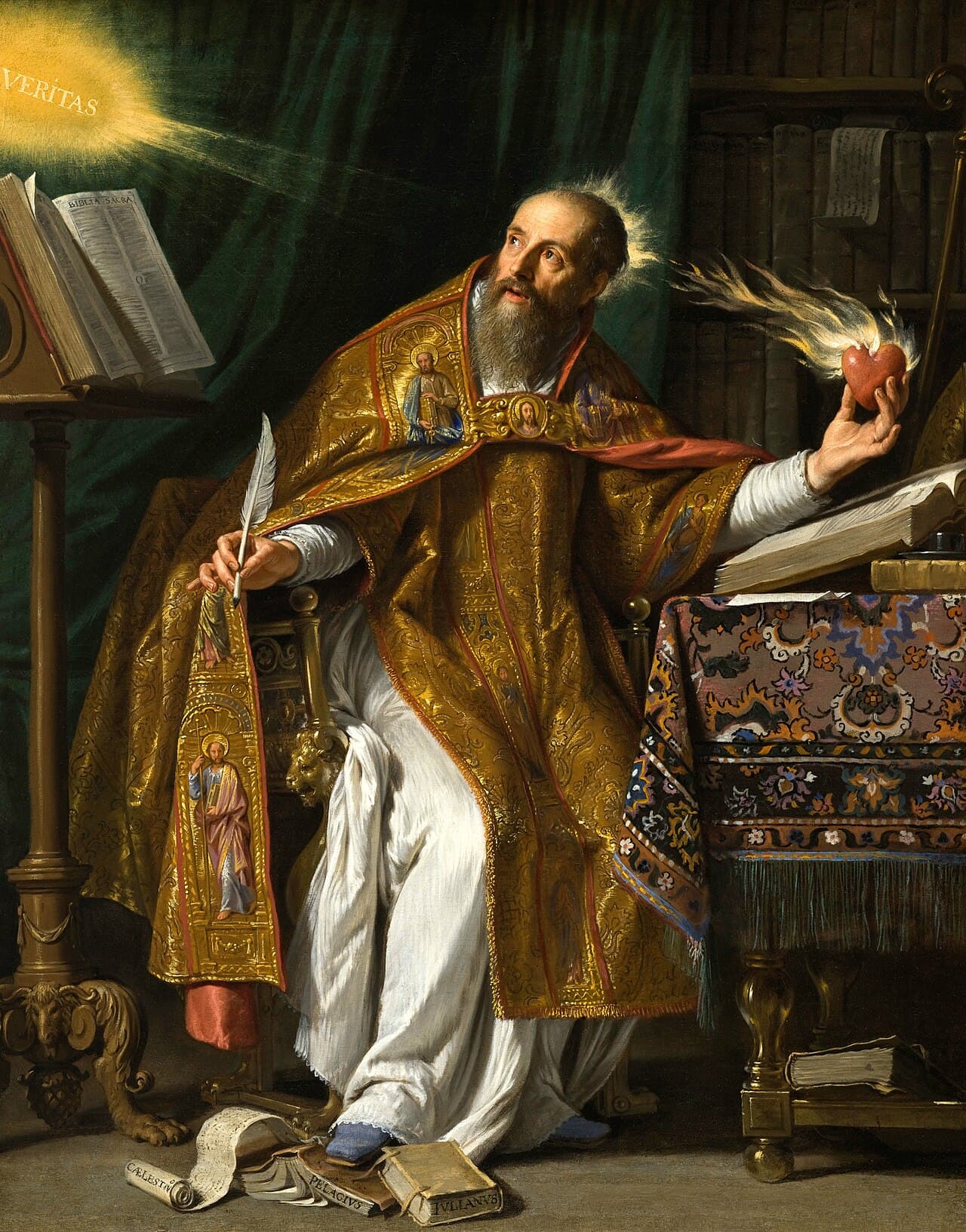
354–1274
Grace heals command
What happened
Augustine argued against Pelagian self-sufficiency that law reveals and commands the good but grace enables love and obedience. Medieval theology developed this relation through virtue, sacrament, natural law, and the distinction between old and new law.
How it was received
Aquinas described eternal law, natural law, human law, old law, and new law within one providential order. The new law is principally the grace of the Holy Spirit, yet also instructs outward life. This differs from later Lutheran usage even where both insist that grace does what command alone cannot.
Key voicesAugustine · Pelagius · Thomas Aquinas
1517–1580
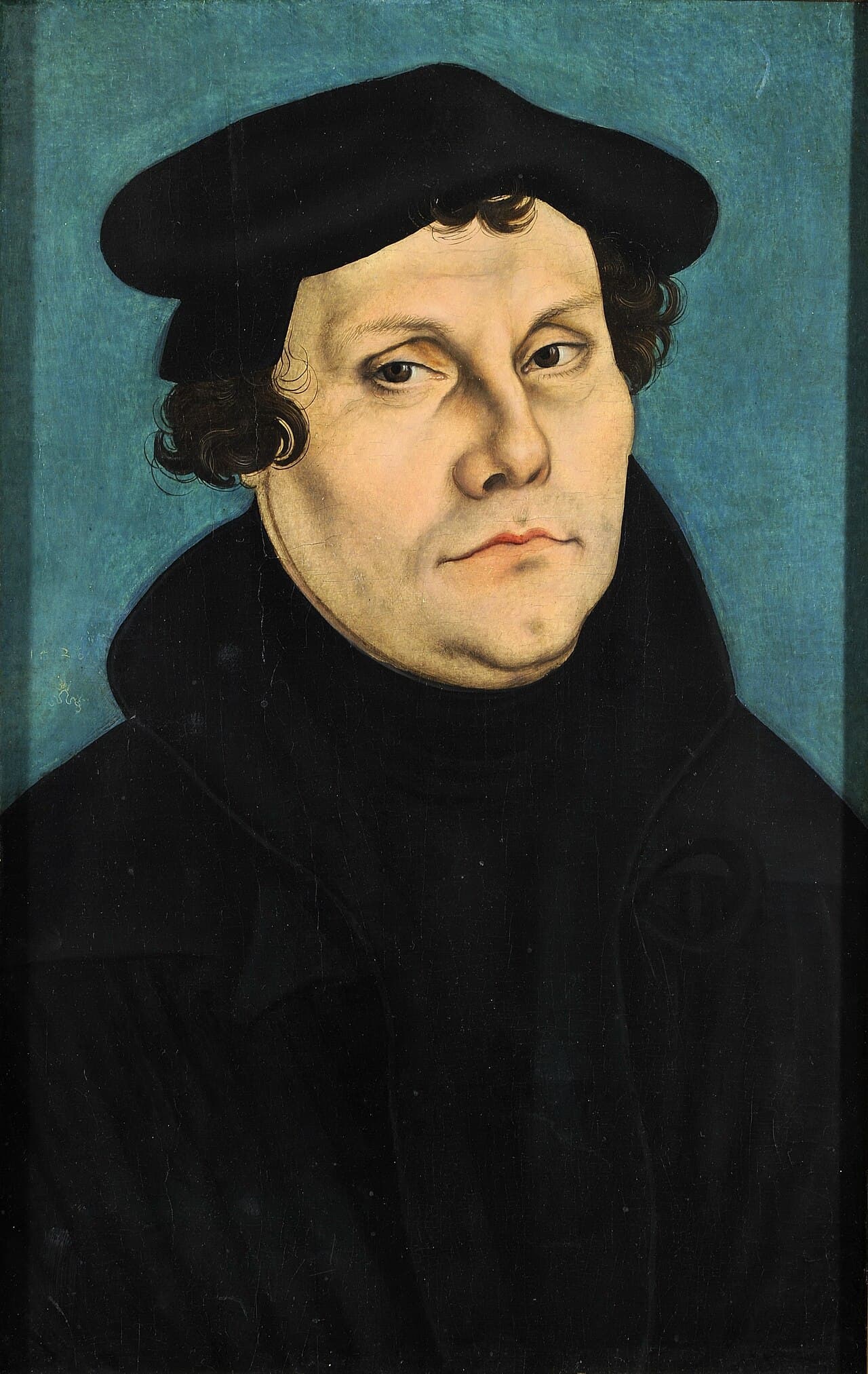
Lutheran law and gospel
What happened
Lutheran theology distinguished law, which commands and exposes sin, from Gospel, which promises forgiveness in Christ. The distinction concerns what a word does, not a crude division between Old and New Testaments.
Primary source“The Law was given to men for three reasons…”
— Formula of Concord, Epitome VI, 1577
How it was received
Controversy soon arose over whether the regenerate need the law as a rule. The Formula of Concord affirmed three uses: civil restraint, knowledge of sin, and guidance for believers, while insisting that willing obedience arises from the Spirit rather than coercion.
Key voicesMartin Luther · Augsburg Confession · Formula of Concord
1536–1647
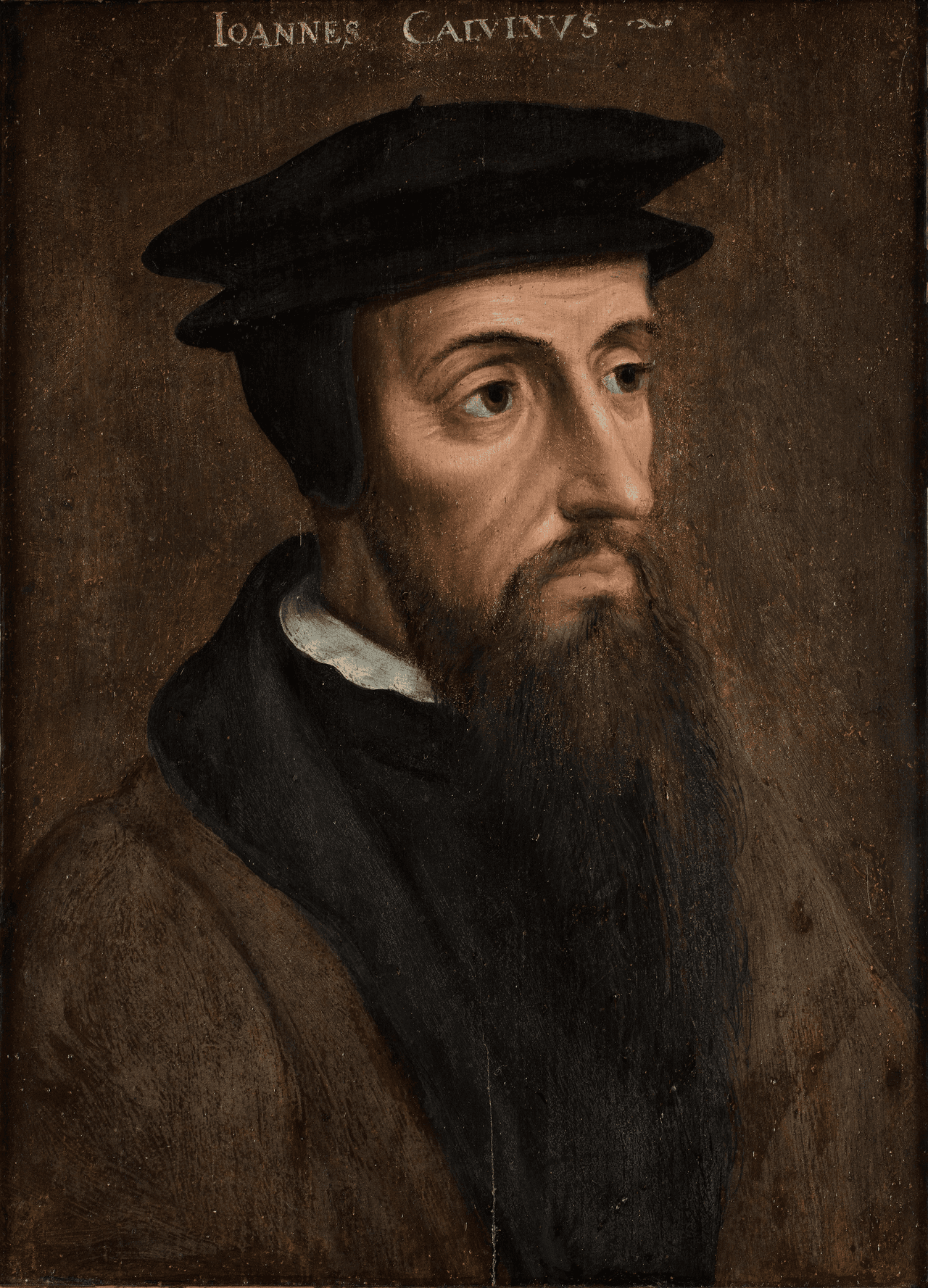
Reformed uses, liberty, and Sabbath
What happened
Reformed theology also distinguished uses of the moral law but often gave its positive guidance in the Christian life a more architectonic place. Calvin spoke of the law as a mirror, civil restraint, and rule of life; later confessions connected it to covenant, conscience, worship, and Sabbath.
How it was received
Christian liberty protected the conscience from human doctrines imposed as necessary for salvation, yet did not mean freedom from moral obligation. Reformed churches differed over ceremonies and the Lord's Day even while opposing both legal merit and antinomian license.
Key voicesJohn Calvin · Westminster Assembly · Puritans
1640–1900
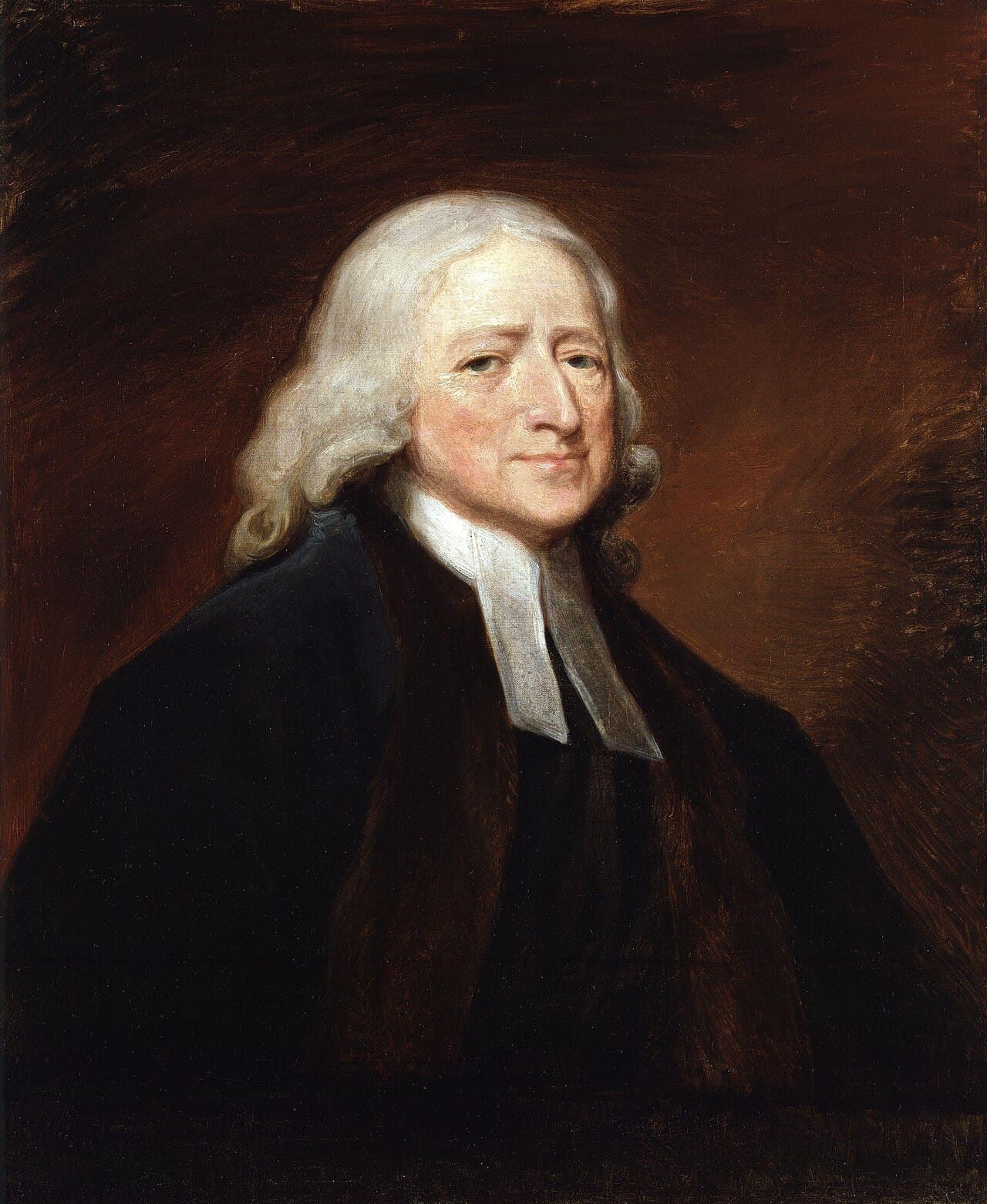
Antinomians, Methodists, and moral formation
What happened
Antinomian controversies repeatedly asked whether strong preaching of free grace dissolves moral seriousness. Accusations were often polemical: opponents labeled one another antinomian even when both affirmed transformed conduct.
How it was received
Wesley retained a robust place for moral law within sanctification and perfect love, while rejecting justification by works. Revivalist Protestantism alternated between strict moral codes and rhetoric of freedom, demonstrating that communities could reject ceremonial law while constructing demanding new disciplines.
Key voicesJohn Wesley · Jonathan Edwards · Dietrich Bonhoeffer
1900–today
Dispensations, New Perspective, and natural law
What happened
Dispensational systems sharpened distinctions between Mosaic law and the church age; New Covenant theology later argued that believers are governed by the law of Christ rather than the Mosaic code as a unit. Other evangelicals retained Reformed covenantal continuity.
How it was received
The New Perspective on Paul relocated parts of the debate from individual legalism to covenant membership and Jew–Gentile relations. Catholic and Protestant thinkers also revived natural-law arguments, while modern disputes over Sabbath, sexuality, politics, and conscience show that law and freedom remain inseparable from interpretation.
Key voicesJohn Nelson Darby · N.T. Wright · Karl Barth
The present landscape
Where the traditions stand today
Catholic
Eternal and natural law, the old law, and the new law of grace belong to one economy; moral teaching is fulfilled and empowered by charity and the Spirit.
Orthodox
Commandments function therapeutically within life in Christ, exposing passions and training freedom in love rather than forming a sharply separated law–gospel system.
Protestant
Lutheran law–gospel, Reformed three-use and covenantal accounts, Wesleyan moral theology, dispensationalism, and New Covenant theology disagree over continuity, Sabbath, conscience, and the law's role for believers.