The argument through time
History enters the room.
c. 30–150
The New Testament joins good news, witness, and sending
What happened
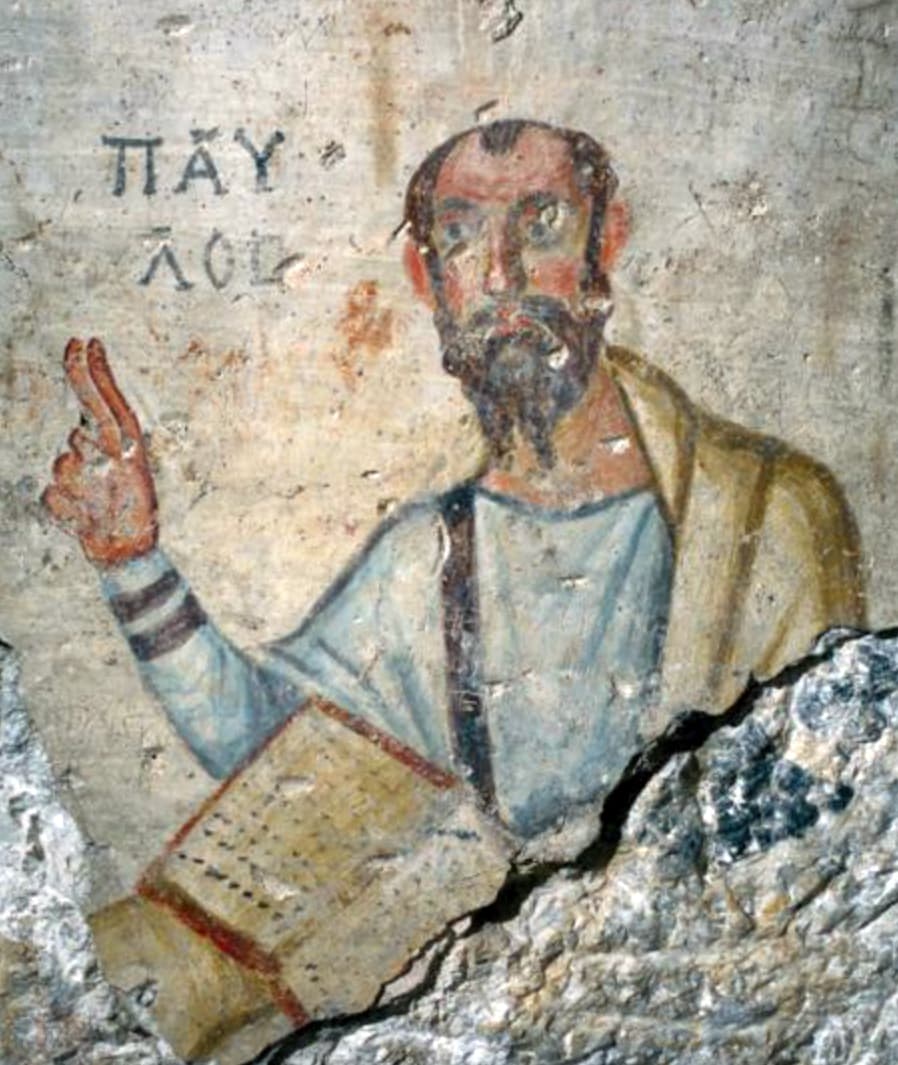
The New Testament does not give the church a later technical distinction between evangelism and mission. It speaks instead of announcing good news, bearing witness, being sent, making disciples, baptizing, teaching, serving, and gathering churches. Matthew 28:16–20 is one commission among several: Luke stresses repentance and forgiveness, John continues Jesus’ own sending, and Acts promises Spirit-empowered witness to the ends of the earth.
Primary source“Go therefore and make disciples of all nations, baptizing them in the name of the Father and of the Son and of the Holy Spirit.”
— Matthew 28:19
How it was received
The eleven receive Matthew’s command directly, but its worldwide horizon and promise ‘to the end of the age’ led Christians to hear an enduring vocation. Acts and Paul show that vocation taking several forms: apostles cross boundaries, scattered believers speak about Christ, households host congregations, and new churches become witnesses in their own places. The text was ancient; the title ‘Great Commission’ was not.
Key voicesApostolic church · Paul · Gospels
150–600
Christians evangelize before they have a mission theory
What happened
Christianity spread through preaching and travel, but also through kinship, trade, catechesis, worship, care for the poor, martyr witness, and the patient formation of local communities. Bishops, apologists, teachers, monks, and itinerants appear in surviving texts; many ordinary believers who carried the faith across streets and households remain unnamed. Syriac-speaking churches also moved east while the faith grew within and beyond the Roman world.
How it was received
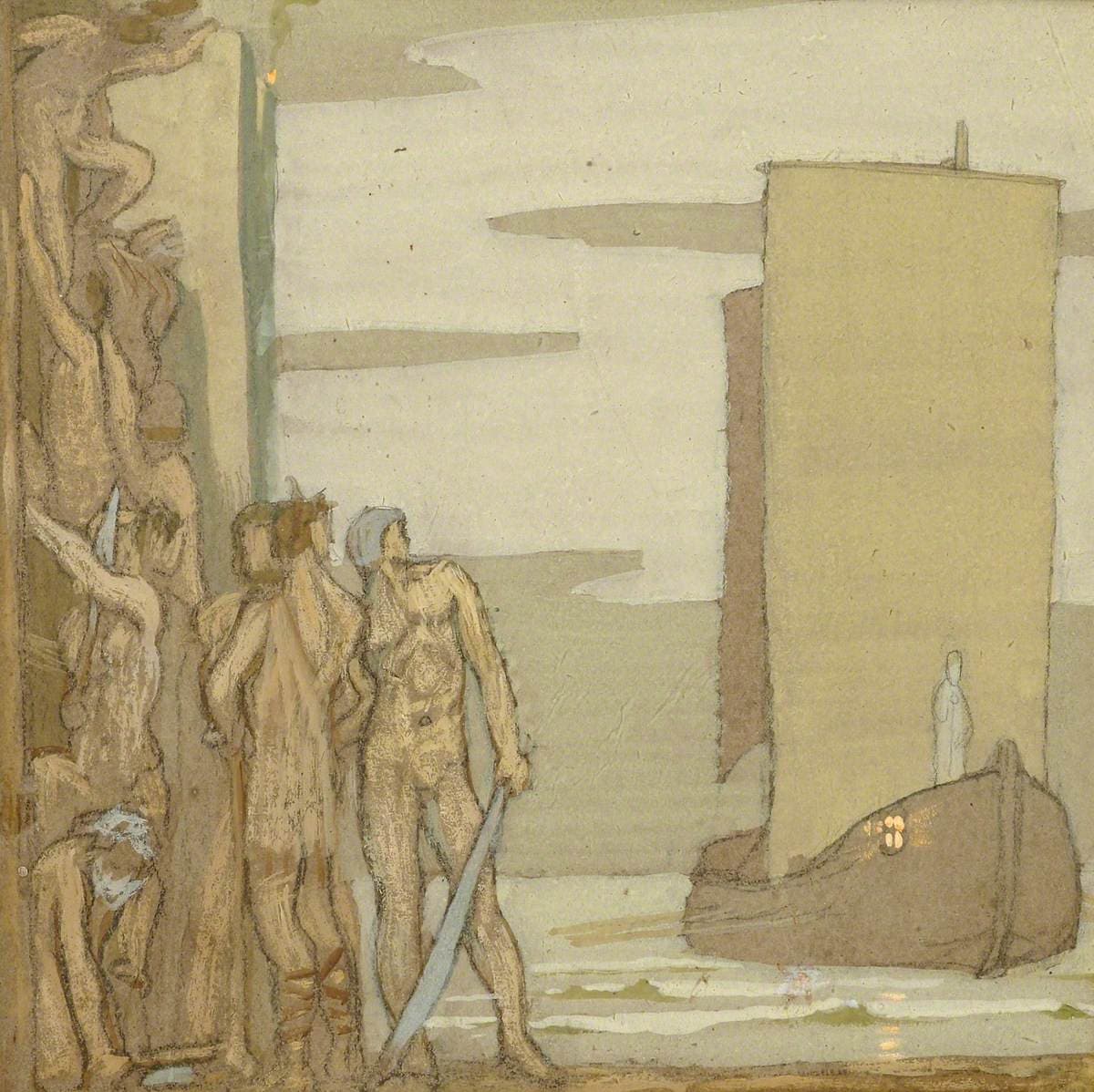
After Constantine, wider access came with a dangerous new alliance between Christian witness and imperial power. Patrick still described his work among the Irish as a costly response to Christ’s worldwide command. Yet rulers increasingly treated religious unity as a political good, and Augustine eventually defended state pressure against Donatists. Persuasion, public service, patronage, and coercion could now occupy the same missionary landscape.
Key voicesPatrick · Augustine · Syriac churches
600–1492
Monks, translators, and rulers carry the faith across frontiers
What happened
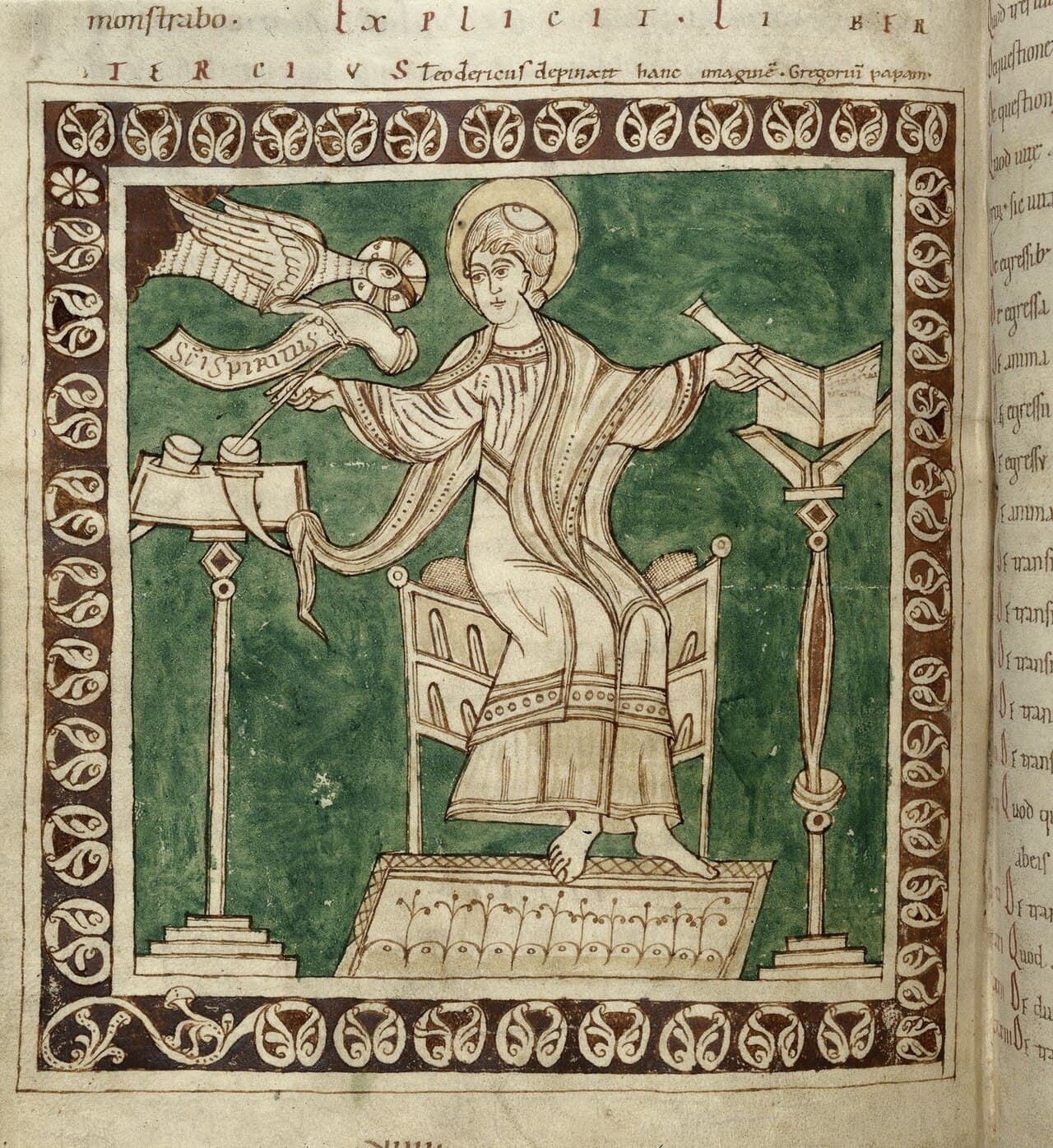
Western monks evangelized among Germanic and northern European peoples; Byzantine Christians carried the faith among Slavic peoples; and the Church of the East established communities across Central Asia and in China. Gregory the Great’s instructions for the mission to Kent and Cyril and Methodius’s work in Slavonic illustrate a durable missionary problem: how much of a culture should be received, corrected, translated, or replaced?
Primary source“The temples of the idols in that nation ought not to be destroyed; but let the idols that are in them be destroyed.”
— Gregory the Great to Mellitus, 601
How it was received
The period also exposes why mission cannot be told only as a story of heroic preachers. A ruler’s baptism could draw a people into Christian institutions before sustained catechesis, while forced conversion among Saxons and later Baltic crusades confused discipleship with political submission. Franciscans and Dominicans crossed into Muslim and Mongol settings through preaching, study, diplomacy, and service, sometimes with genuine curiosity and sometimes with the assumptions of Christendom.
Key voicesGregory the Great · Cyril and Methodius · Francis of Assisi
1492–1792
Global expansion creates rival patterns of mission
What happened
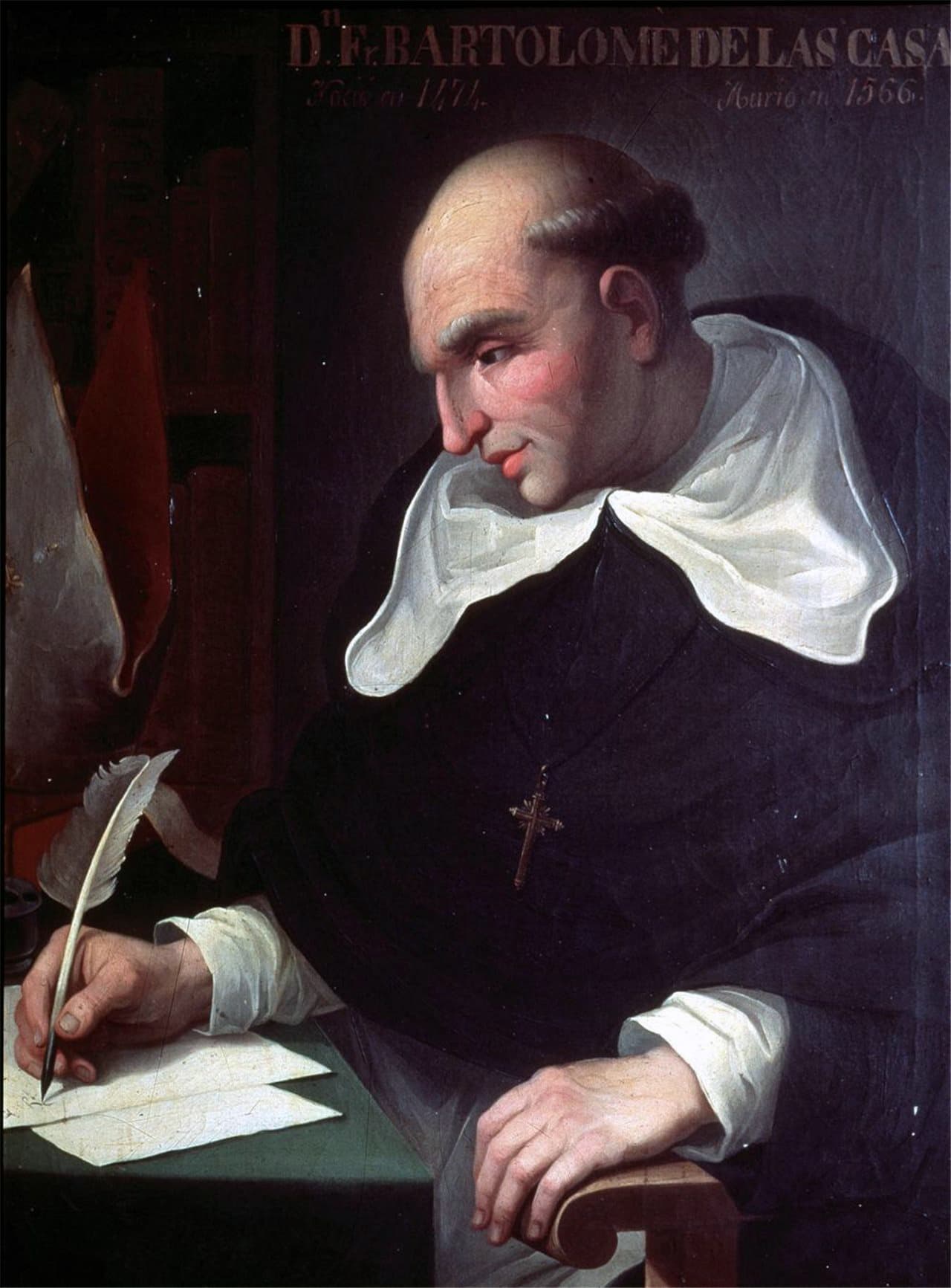
Spanish and Portuguese expansion carried Catholic orders into the Americas, Africa, and Asia. Francis Xavier preached across Asian ports; Matteo Ricci pursued linguistic and intellectual accommodation in China; and Bartolomé de las Casas opposed colonial violence against Indigenous peoples. Translation, schools, medicine, and local churches grew alongside forced baptism, cultural destruction, and imperial control. Orthodox clergy and monastics likewise moved east with Russian expansion, joining vernacular Christian formation to another imperial frontier.
How it was received
Magisterial Protestants expected the gospel to spread but usually assigned formal proclamation to ordained ministry and built few overseas institutions. Anabaptists made voluntary, itinerant witness part of a gathered church’s life; Pietists and Moravians later formed sustained cross-cultural communities. During these disputes, Matthew 28 acquired a new history: the English expression ‘Great Commission’ appeared by 1590 and only gradually became a standard title and missionary slogan.
Key voicesBartolomé de las Casas · Francis Xavier · Count Zinzendorf
1792–1910
Missions become organized—and unmistakably global
What happened
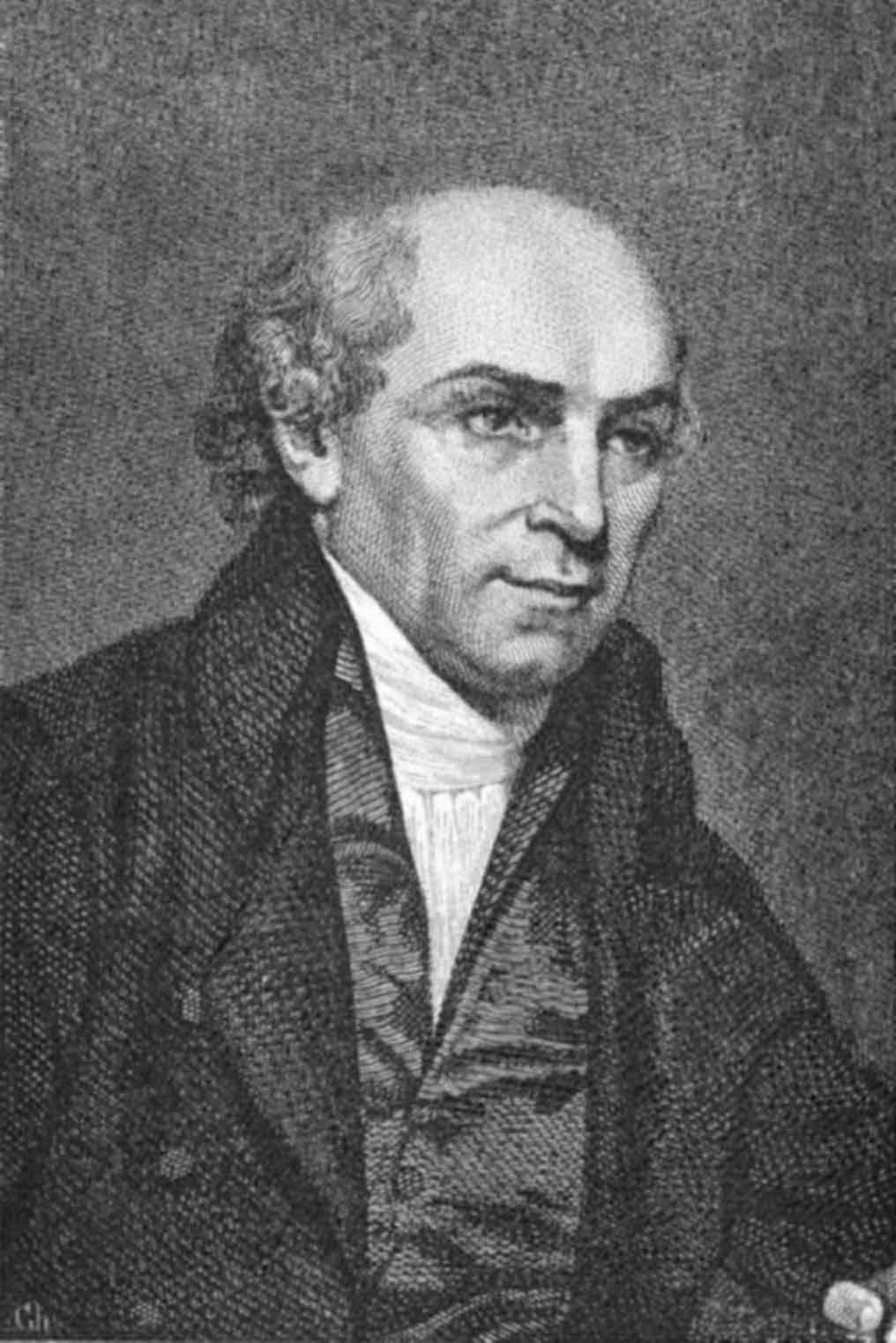
William Carey’s Enquiry (1792) argued that Christ’s command still obligated later Christians and that prayer should lead to organized action. Baptist, Anglican, Methodist, Presbyterian, interdenominational, and women’s societies mobilized money, training, printing, translation, schools, medicine, and long-term residence. Catholic missionary orders and associations expanded in the same century, while the Orthodox mission to Alaska joined worship and catechesis to Indigenous languages and clergy.
Primary source“If the command of Christ to teach all nations extend only to the apostles, then... the promise of the divine presence... must be so limited.”
— William Carey, Enquiry, 1792 (condensed)
How it was received
This expansion was neither simply heroic nor simply colonial. Missionaries sometimes resisted slavery, settler violence, or abusive companies and helped preserve local languages; others assumed European superiority or benefited from imperial force. Indigenous catechists, translators, clergy, evangelists, and families usually carried Christianity farther than foreign personnel. Edinburgh 1910 enabled unprecedented Protestant cooperation, yet its delegates remained overwhelmingly British and American and gave younger churches limited voice.
Key voicesWilliam Carey · Samuel Ajayi Crowther · Innocent of Alaska
1910–1974
Decolonization changes who sends, who receives, and what mission means
What happened
World wars, decolonization, migration, and the growth of self-governing churches dismantled the old map of a Christian West sending to a non-Christian world. The International Missionary Council and ecumenical movement linked mission with unity and social transformation. Mid-century theologians increasingly spoke of missio Dei: the triune God, not the church’s expansion, is the source and agent of mission, and the church participates in work already belonging to God.
Primary source“Since the whole Church is missionary, and the work of evangelization is a basic duty of the People of God...”
— Vatican II, Ad Gentes 35, 1965
How it was received
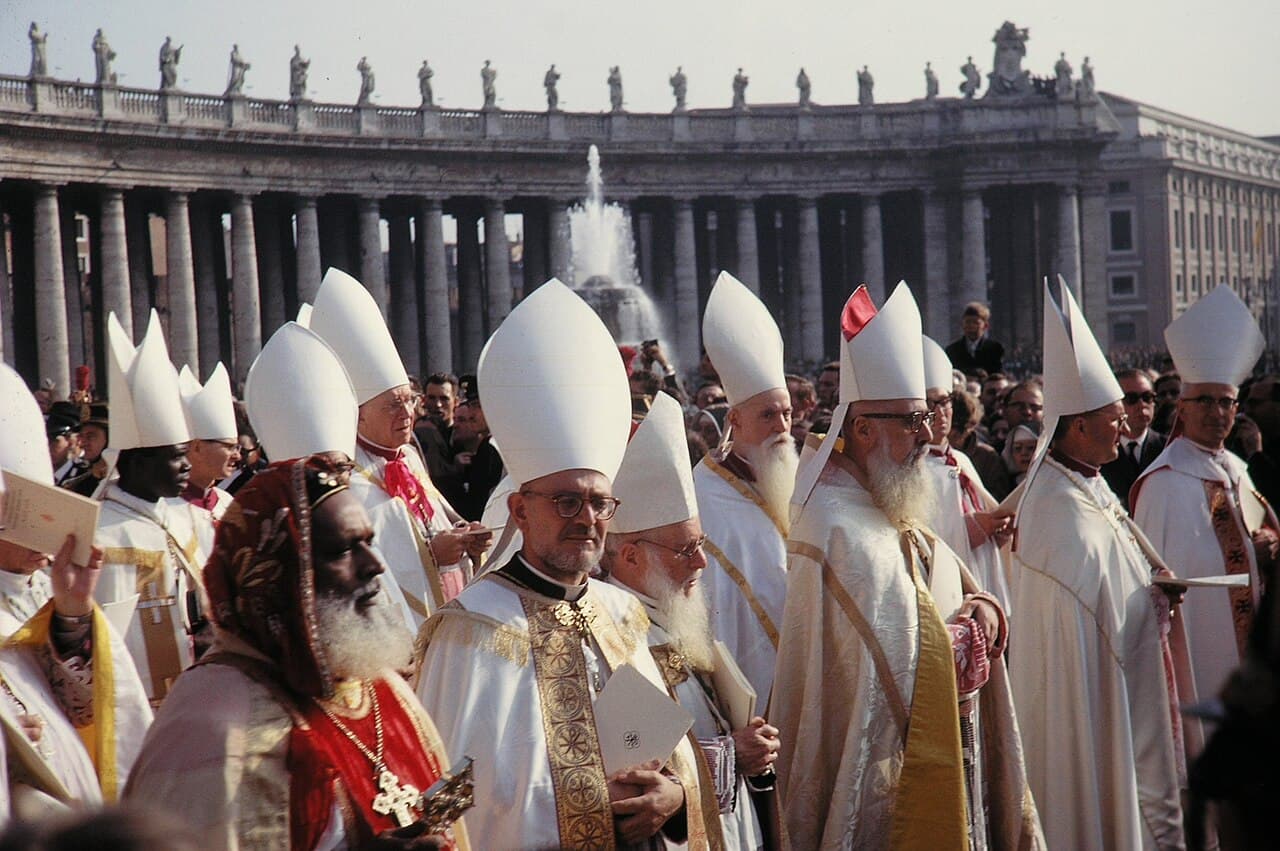
Vatican II’s Ad Gentes called the whole church missionary and joined proclamation, sacrament, local church formation, freedom, service, and cultural engagement. Orthodox missiology renewed its Trinitarian, Eucharistic account of witness. Pentecostal churches expanded through testimony, Spirit empowerment, healing, lay participation, and new congregations. ‘Mission’ was becoming the wider category, while ‘evangelism’ increasingly named its explicit verbal and invitational dimension—though Catholic usage of evangelization often remained more comprehensive.
Key voicesInternational Missionary Council · Vatican II · Pentecostalism
1974–today
Evangelism and mission are distinguished without being separated
What happened
The Lausanne Covenant (1974) gave evangelical cooperation a memorable formula: the whole church taking the whole gospel to the whole world. It treated evangelism—proclaiming Christ so that people may repent, believe, and enter his church—as primary within mission, while also naming social responsibility a Christian duty. Paul VI’s Evangelii Nuntiandi used evangelization more broadly for renewal, witness, explicit proclamation, adherence, community, sacrament, and apostolic initiative.
Primary source“Evangelism and socio-political involvement are both part of our Christian duty.”
— Lausanne Covenant 5, 1974
How it was received
Ecumenical Protestants increasingly describe evangelism as explicit gospel articulation within God’s wider mission of worship, unity, justice, peace, and care for creation. Orthodox accounts begin with Trinitarian and Eucharistic life expressed in proclamation, holiness, translation, and service; Pentecostals stress Spirit-empowered testimony, conversion, healing, and church formation. Migration and Christianity’s demographic growth beyond the West now make mission ‘everywhere to everywhere.’ Major global bodies also reject coercion, deception, and exploitation even as they continue to disagree about conversion, dialogue, and the priority of proclamation.
Key voicesLausanne Movement · Paul VI · World Council of Churches
The present landscape
Where the traditions stand today
Catholic
Catholic teaching says the church is missionary by nature because she shares in the missions of the Son and Spirit. <em>Evangelization</em> is often the broad term: witness, explicit proclamation, conversion, catechesis, sacrament, inculturation, local church formation, dialogue, liberation, and service belong to one complex process. Proclamation remains indispensable, but coercion violates both faith and human dignity.
Orthodox
Orthodox mission flows from the Trinity and becomes visible in Pentecost, holiness, Eucharistic life, and witness to the Kingdom. Evangelism is not merely a technique or decision campaign: proclamation, baptism, worship in local languages, an indigenous church, ascetic holiness, and loving service should form one ecclesial life. Practice varies widely because Orthodoxy has no single centralized mission agency.
Evangelical Protestant
Evangelicals usually distinguish the church’s broad mission from evangelism’s specific work of communicating the gospel and inviting repentance, faith, discipleship, and incorporation into a church. Bible translation, cross-cultural sending, unreached peoples, and church planting remain prominent. Since Lausanne, many evangelical accounts describe justice and compassion as integral Christian duties while still giving gospel proclamation logical priority.
Ecumenical Protestant
Mainline and ecumenical churches commonly begin with <em>missio Dei</em>: God’s reconciling and life-giving work precedes the church. Mission therefore includes worship, explicit evangelism, unity, dialogue, justice, peace, and care for creation, with special attention to witness ‘from the margins.’ Critics worry that this breadth can make invitation to faith indistinct; official ecumenical texts continue to name explicit gospel articulation as essential.
Pentecostal & Charismatic
Pentecostal and charismatic missions center Acts’ promise of Spirit-empowered witness. Personal testimony, conversion, prayer, healing, spiritual gifts, lay initiative, compassion, and rapidly reproducible local churches commonly reinforce one another. The movement’s decentralized and Indigenous character has helped mission travel through migration and local networks, although Pentecostal bodies differ over prosperity teaching, social engagement, and formal missionary structures.