The argument through time
History enters the room.
c. 50–150
One olive tree—and a Gentile crisis
What happened
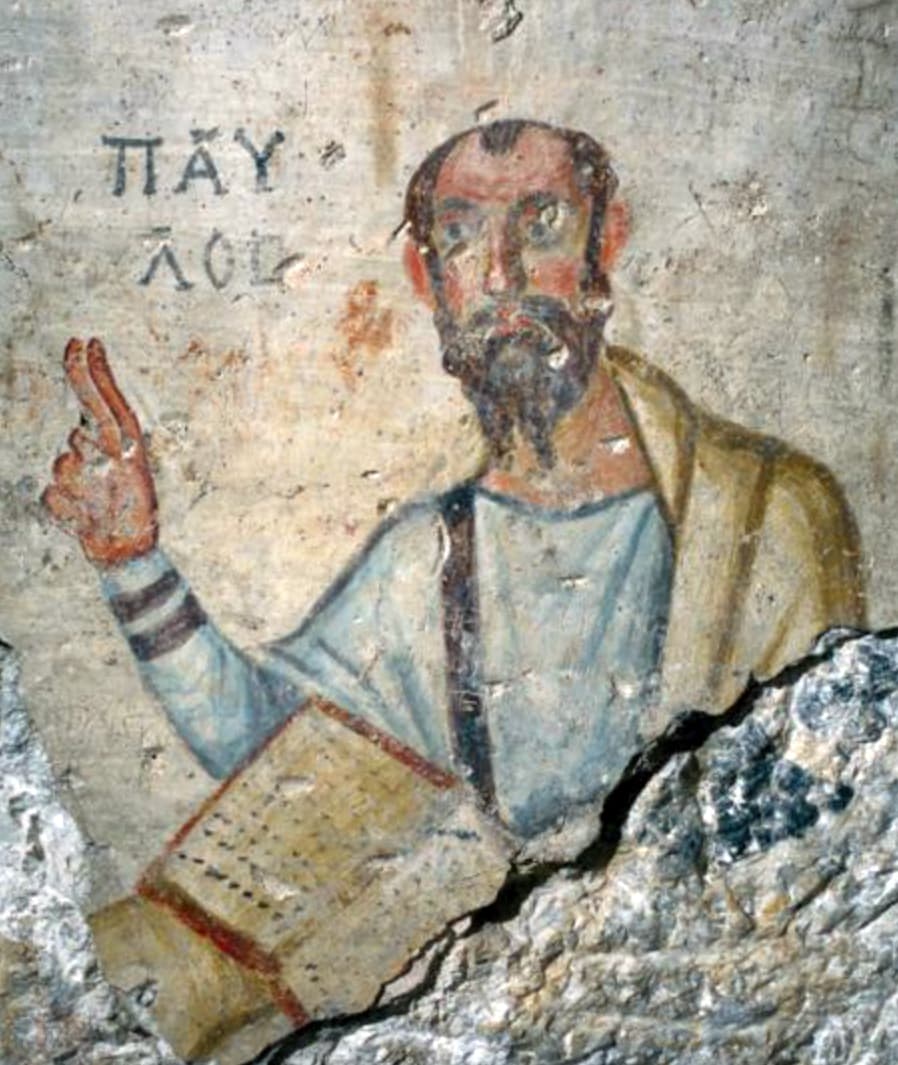
Paul describes Gentile believers as grafted into Israel's olive tree and warns them not to boast over the branches. At the same time, the New Testament applies covenant language, temple imagery, and titles for God's people to communities gathered around Christ.
How it was received
The earliest dispute was therefore not whether Israel mattered but how Israel's Messiah, Torah, promises, and Gentile mission belonged together. Romans 9–11, Galatians, Hebrews, and Acts supplied different emphases that later systems would combine in sharply different ways.
Key voicesPaul · Apostolic church · Matthew's Gospel
c. 140–500
Against Marcion—and beyond Israel
What happened
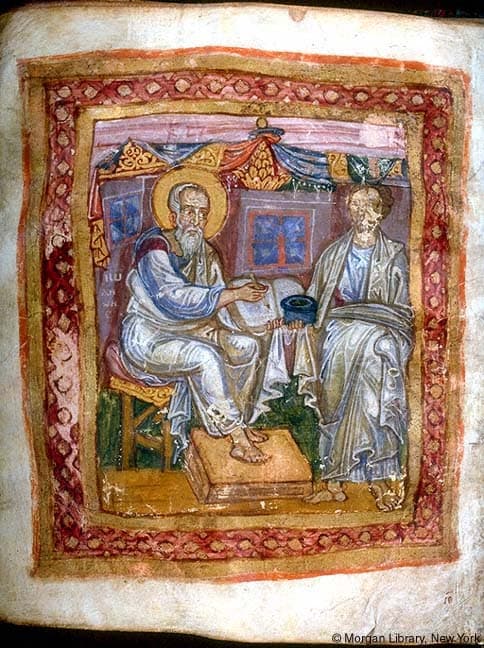
Marcion's rejection of Israel's God and Scriptures provoked Christian defenses of one Creator and one saving history. Irenaeus emphasized recapitulation and the unity of the testaments. Yet many patristic writers also treated the church as the people in whom Israel's promises reached their intended fulfillment.
How it was received
These fulfillment readings often hardened into claims that Jewish covenantal vocation had simply expired, especially as Christian imperial power grew. The modern label supersessionism covers several distinct claims and must be used carefully rather than projected unchanged onto every father.
Key voicesMarcion · Irenaeus · Augustine
500–1500
A Christian society reads Israel allegorically
What happened
Medieval theology read Israel's history typologically and sacramentally: exodus, temple, priesthood, and land prefigured Christ and the church. Jewish communities nevertheless remained living neighbors whose presence complicated theological claims that Israel's role belonged only to the past.
How it was received
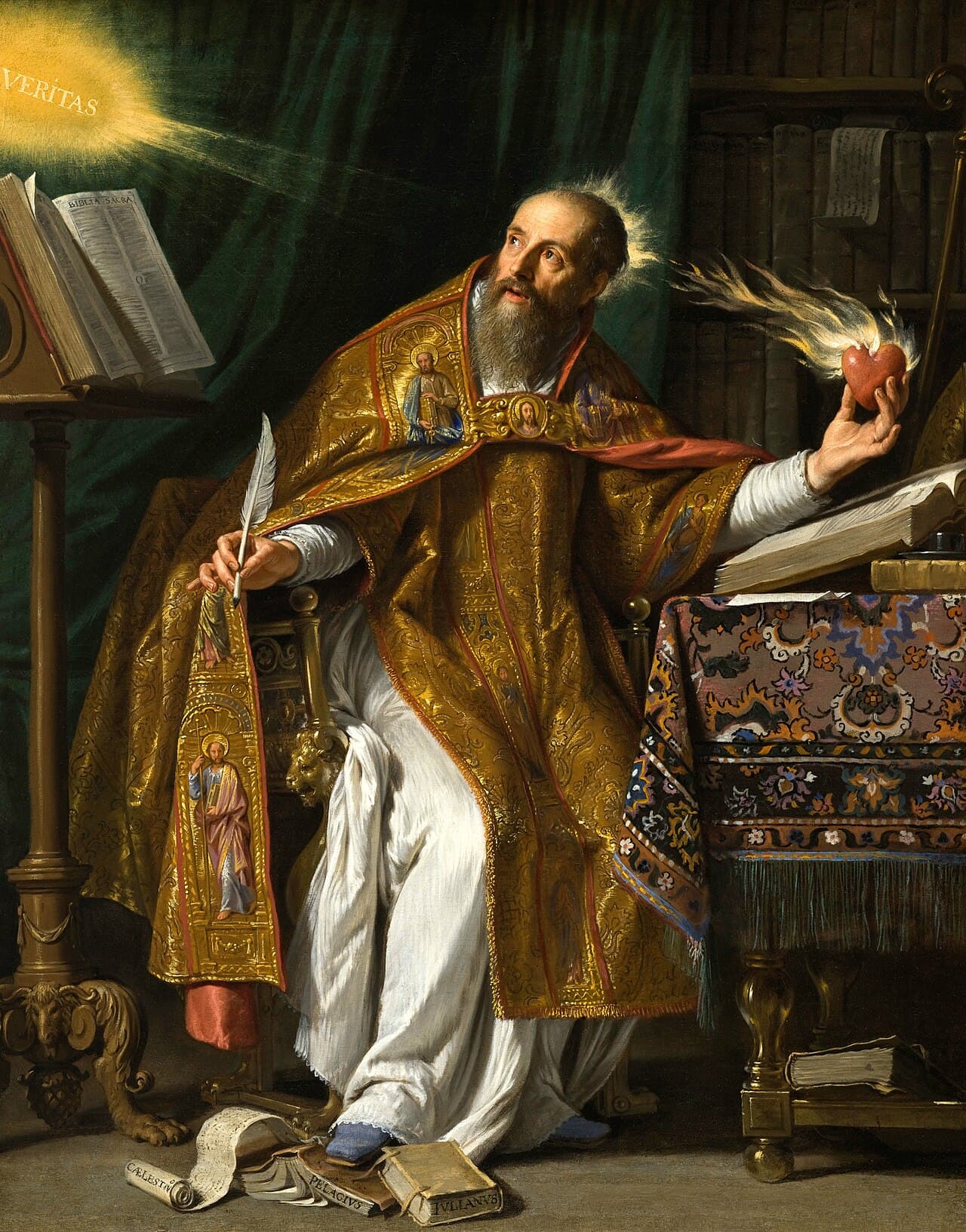
Augustinian policies sometimes restrained coercion by treating Jewish survival as a witness to Scripture, while Christian polemic, legal restriction, forced disputation, and violence showed the destructive possibilities of anti-Jewish theology. The history cannot be reduced to a single uninterrupted policy.
Key voicesAugustine · Fourfold sense · Thomas Aquinas
1520–1647
Federal theology: works, grace, and one people
What happened
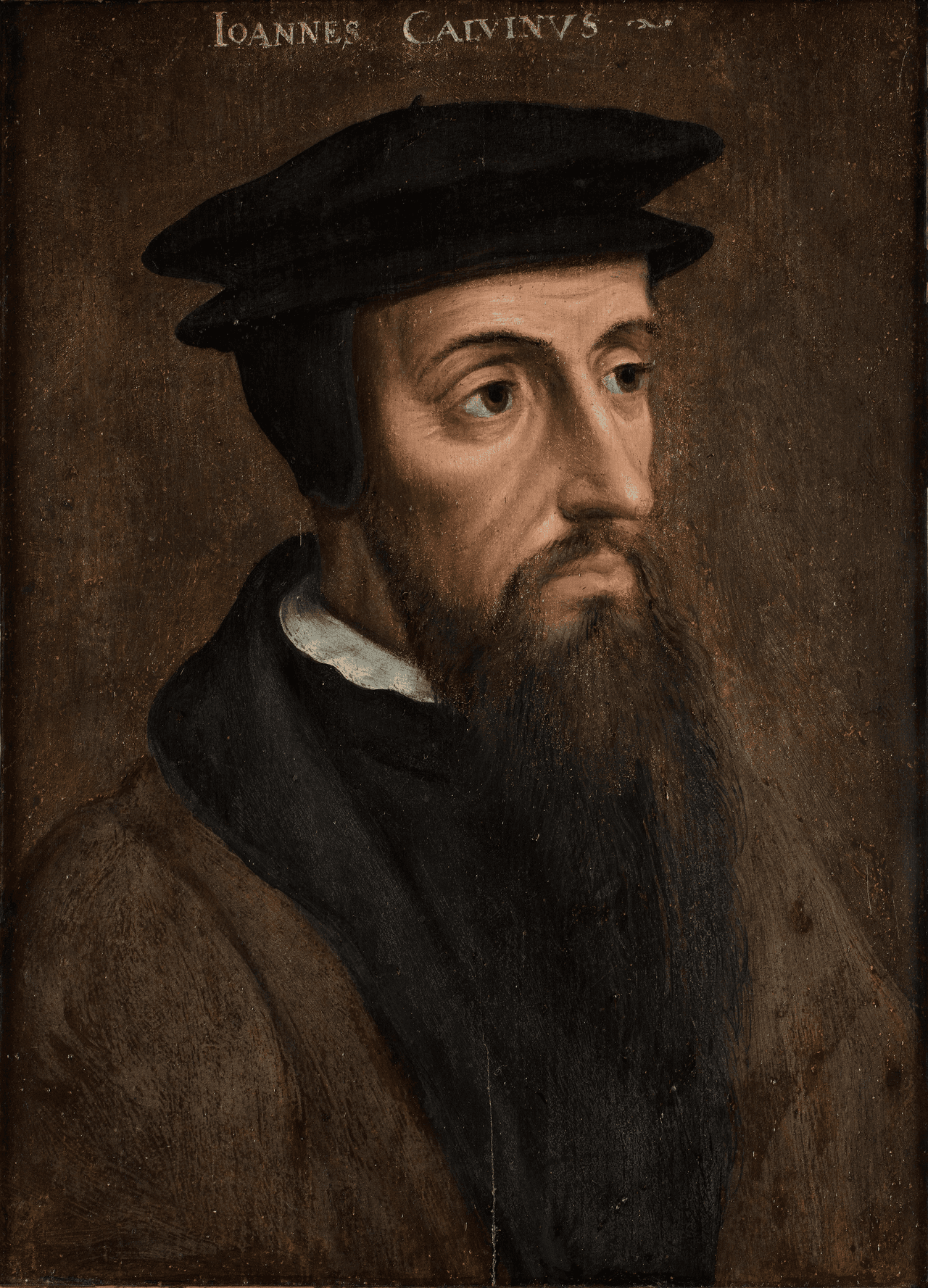
Reformed theologians organized Scripture through covenants, eventually distinguishing a covenant of works associated with Adam and a covenant of grace administered through successive biblical economies and fulfilled in Christ. The Westminster Confession gave this federal pattern classic confessional form.
How it was received
The framework strongly emphasized continuity between Israel and the church while allowing changes in administration. It was never the only Protestant reading: Lutherans resisted making a covenant scheme the master structure, and Reformed theologians themselves differed over the Mosaic covenant and the place of Israel.
Key voicesJohn Calvin · Westminster Assembly · Johannes Cocceius
1609–1689
Baptists revise the covenant map
What happened
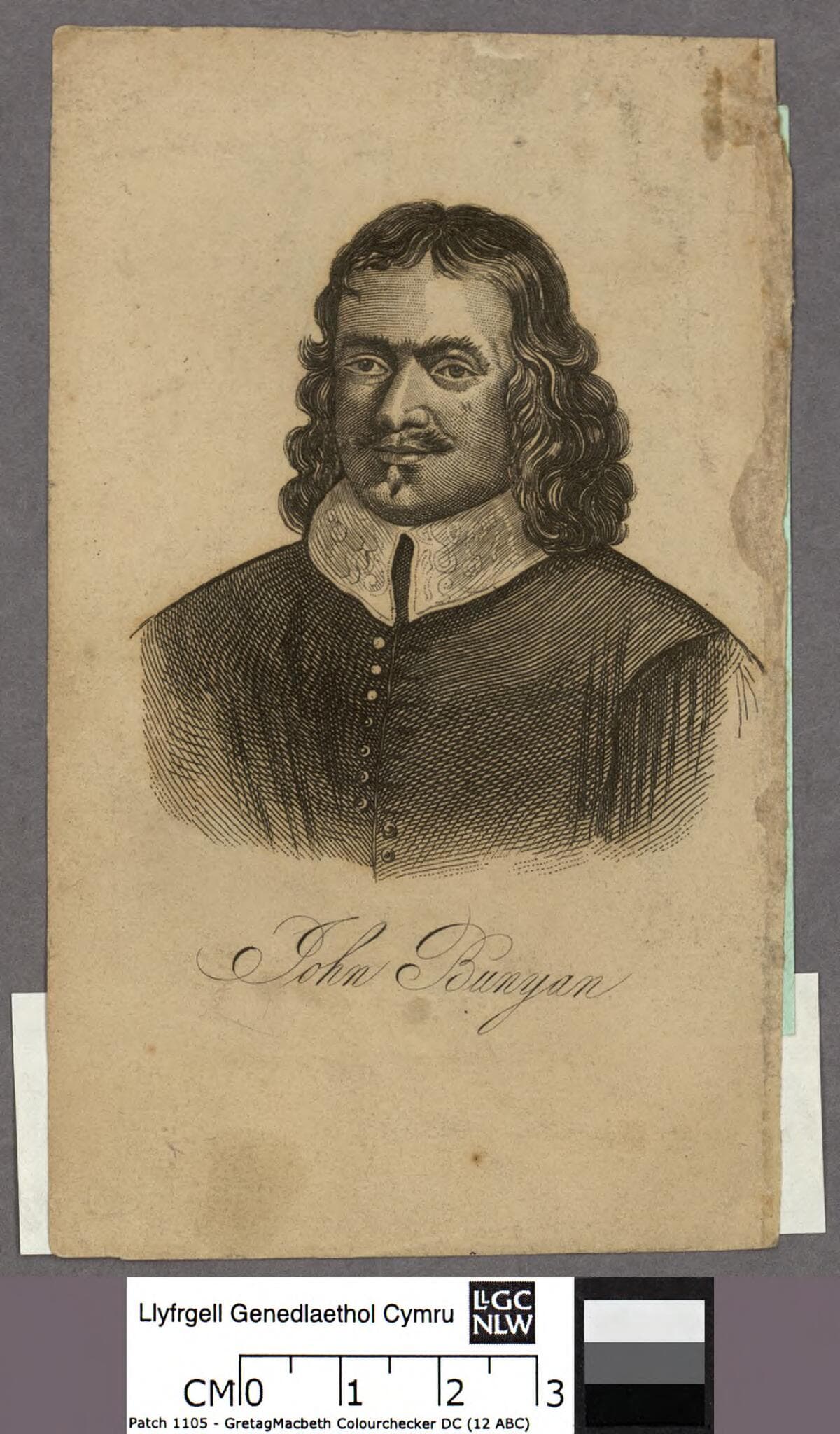
Baptists agreed that salvation is covenantal but disputed whether the children of believers stand in the new covenant as infants stood within Israel. Particular Baptists developed federal accounts in which the new covenant's formally constituted membership belongs to professing believers.
How it was received
This revision supported believer's baptism without requiring rejection of the Old Testament or of covenant theology itself. Later Baptist traditions divided among covenantal, dispensational, New Covenant, and other frameworks.
Key voicesJohn Bunyan · 1689 Baptist Confession · Baptists
1830–1945
Dispensationalism distinguishes Israel and the church
What happened
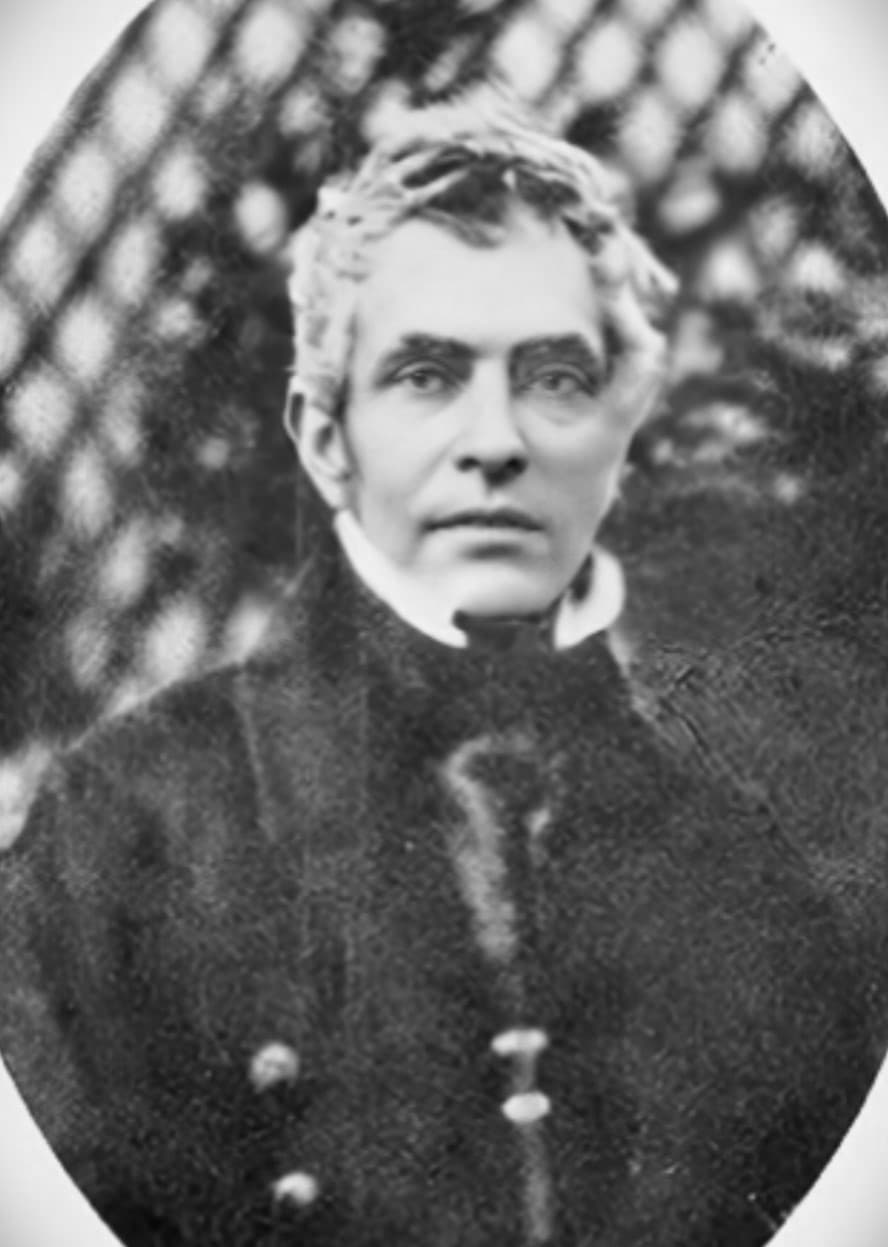
John Nelson Darby and the Brethren developed a dispensational system that sharply distinguished Israel's earthly calling from the church's heavenly calling and placed a pretribulation rapture within a new prophetic chronology. The Scofield Reference Bible later spread related ideas widely in American evangelicalism.
How it was received
Dispensationalism changed over time. Classical, revised, and progressive forms disagree about the covenants, kingdom, church age, and future Israel. It should not be reduced to a single chart or equated with every form of Christian Zionism.
Key voicesJohn Nelson Darby · Scofield Reference Bible · Hal Lindsey
1945–today
After the Shoah: promises not revoked
What happened
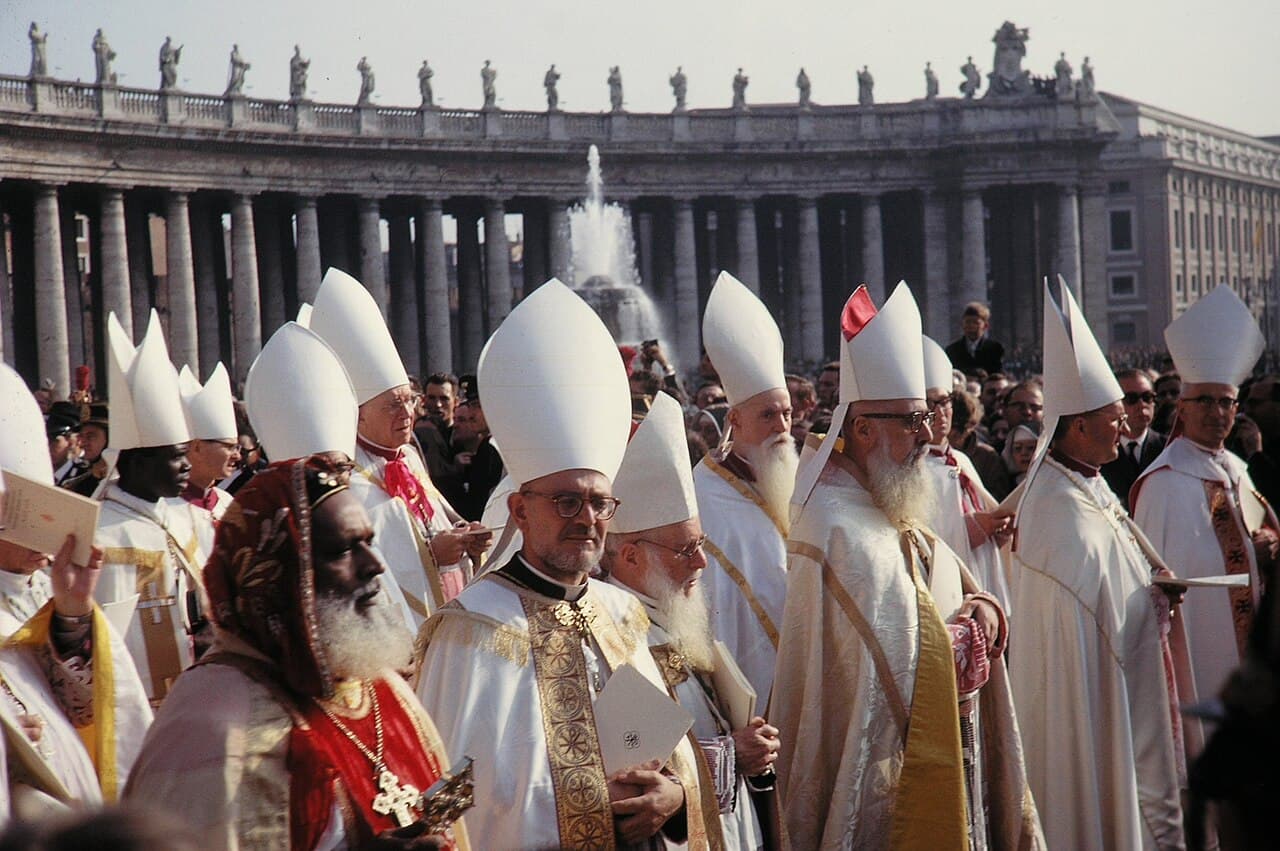
The Holocaust forced Christian churches to confront the theological and cultural anti-Judaism embedded in their histories. Vatican II's Nostra Aetate rejected presenting Jews as rejected or accursed by God and called for mutual understanding; later Catholic statements emphasized the enduring significance of God's gifts and calling.
How it was received
Protestant and Orthodox reassessment has been diverse. Contemporary positions include covenantal fulfillment, dispensational futures for ethnic Israel, progressive covenantalism, non-supersessionist readings, and rare dual-covenant proposals. Debate continues over mission, land, statehood, Torah, and the meaning of Romans 9–11.
Key voicesVatican II · Nostra Aetate · Karl Barth
The present landscape
Where the traditions stand today
Catholic
The church is the people of the new covenant in Christ while God's gifts and calling to Israel are not revoked; Catholic teaching rejects contempt for Jews and does not endorse a simple two-independent-salvations scheme.
Orthodox
The church understands itself as the covenant people gathered in Christ and reads Israel typologically in liturgy; modern Orthodox reflection on Judaism and supersessionism is less centrally standardized.
Protestant
Reformed covenantal, Baptist covenantal, dispensational, progressive dispensational, New Covenant, and non-supersessionist models coexist and often disagree sharply about Israel and the church.