The argument through time
History enters the room.
c. 48–200
Assembly, letter, and communal judgment
What happened
Acts 15 portrays apostles and elders debating the Gentile question, announcing a judgment in the Spirit, and sending a letter to churches. New Testament communities also practiced correction, exclusion, forgiveness, and restoration.
How it was received
This meeting became a model, but later ecumenical councils were not simple replicas of it. Second-century churches resolved disputes through correspondence and local or regional meetings whose authority depended on communion and reception.
Key voicesApostolic church · Paul · Clement of Rome
![Russian icon: Cyprian of Carthage Heiligenlexikon.de Image was kindly "publicized" by ÖHL [1]](/_next/image?url=%2Fimages%2Fhistory%2Fsections%2Fcyprian-of-carthage-3c7cb566.jpg&w=3840&q=75&dpl=dpl_7eb3JpnMe4ekXihsASES3CnRvKef)
200–325
Regional synods before empire
What happened
Bishops met over the date of Easter, Montanism, repentance, and disputed baptism. Cyprian's African councils show episcopal deliberation with clergy and communal acclamation, while Rome and Carthage could reach different conclusions.
How it was received
No universal administrative machine made every synod binding. Authority arose through local jurisdiction, correspondence, agreement among sees, and the persuasive claim to preserve apostolic faith.
Key voicesCyprian of Carthage · Montanus · Donatists
325–787
Ecumenical councils—and contested reception
What happened
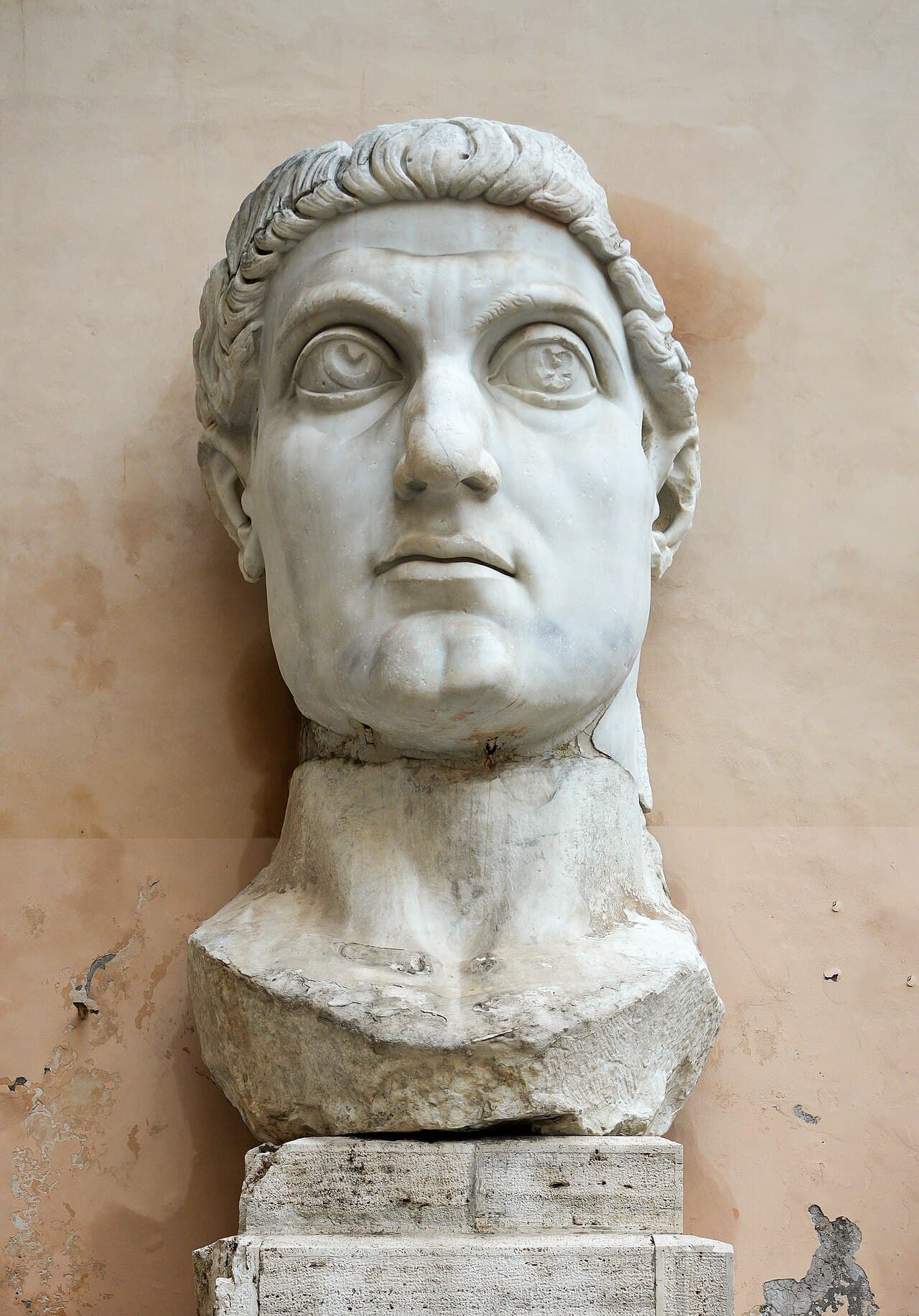
Constantine convened Nicaea, where bishops issued a creed and disciplinary canons. Later emperors convoked councils amid intense rivalry; not every large or imperially sponsored gathering was finally received as ecumenical.
How it was received
Catholic and Orthodox traditions receive the first seven councils, though they explain authority differently. Their history shows that a council's status depends not only on attendance or imperial summons but also on doctrinal continuity and reception across the church.
Key voicesConstantine · Athanasius · Nicaea II
787–1517
Pope, council, and the Western crisis
What happened
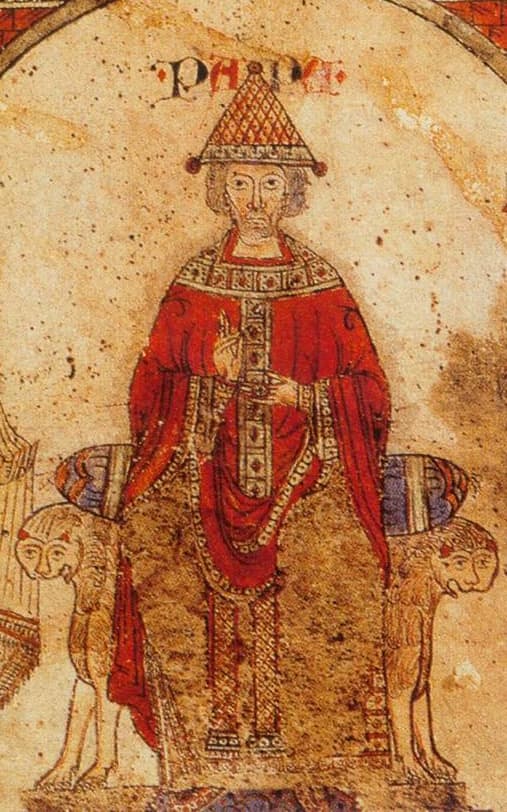
East and West continued synodal governance after their separation. In the Latin West, papal confirmation became increasingly important to an ecumenical council's authority, while canon law organized courts, censures, appeals, and local councils.
How it was received
The Great Western Schism inspired conciliarism: Constance ended rival papal obediences and claimed authority in language later disputed. Basel's conflict with the papacy showed that conciliar supremacy did not become the stable constitution of the Catholic Church.
Key voicesGregory VII · Council of Constance · Thomas Aquinas
1517–1870
Confessional systems of discipline
What happened
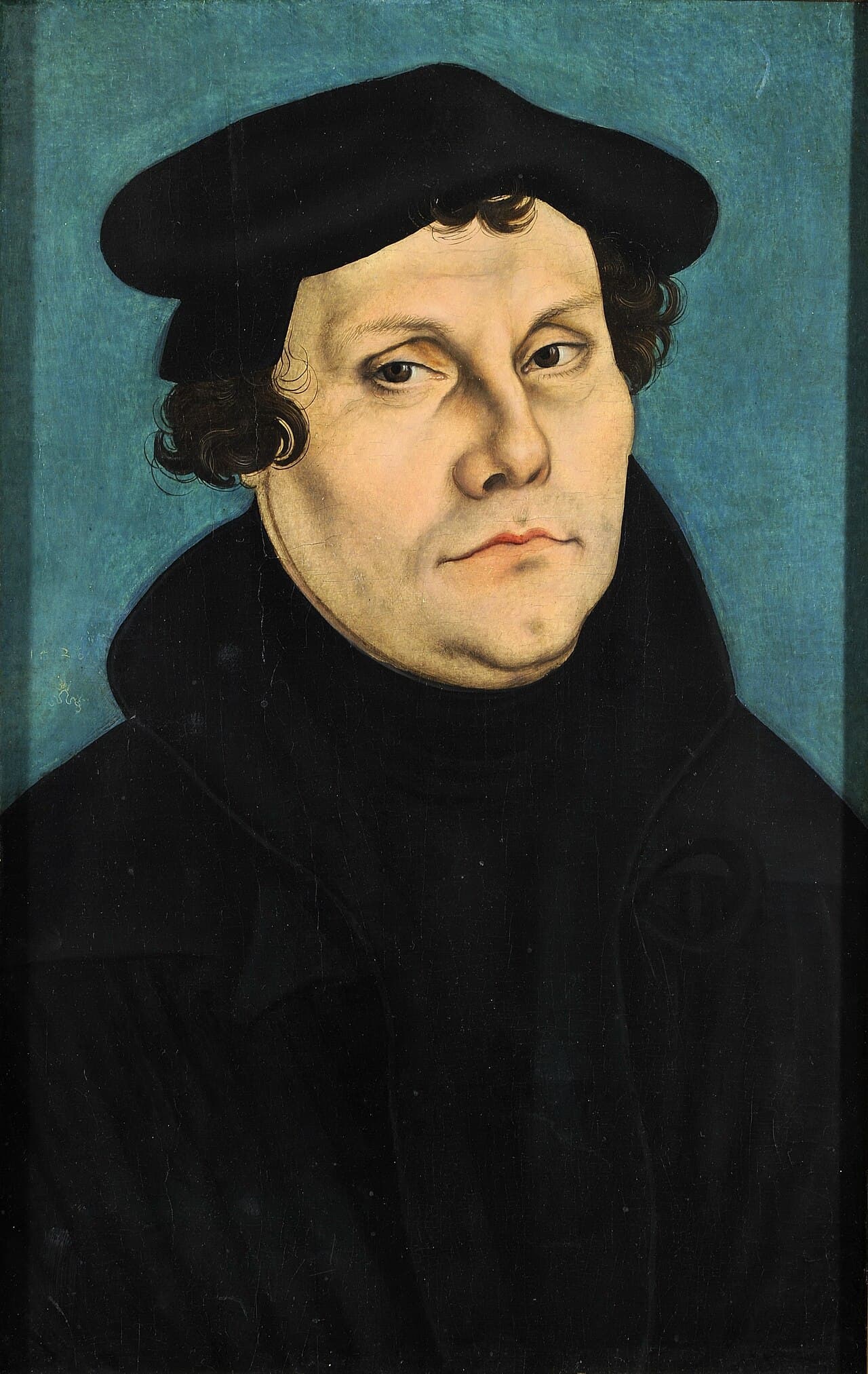
Reformation churches appealed to Scripture against papal and conciliar error, yet quickly built consistories, presbyteries, synods, conferences, and confessional assemblies. Congregationalists located final earthly jurisdiction in the gathered church; Presbyterians ordered ascending courts.
How it was received
Trent reformed Catholic discipline and doctrine under papal confirmation. Orthodox synods answered Protestant and Catholic claims through their own councils and confessions, while state power frequently enforced every confessional settlement.
Key voicesMartin Luther · John Calvin · Council of Trent
1870–today
Infallibility, synodality, and accountability
What happened
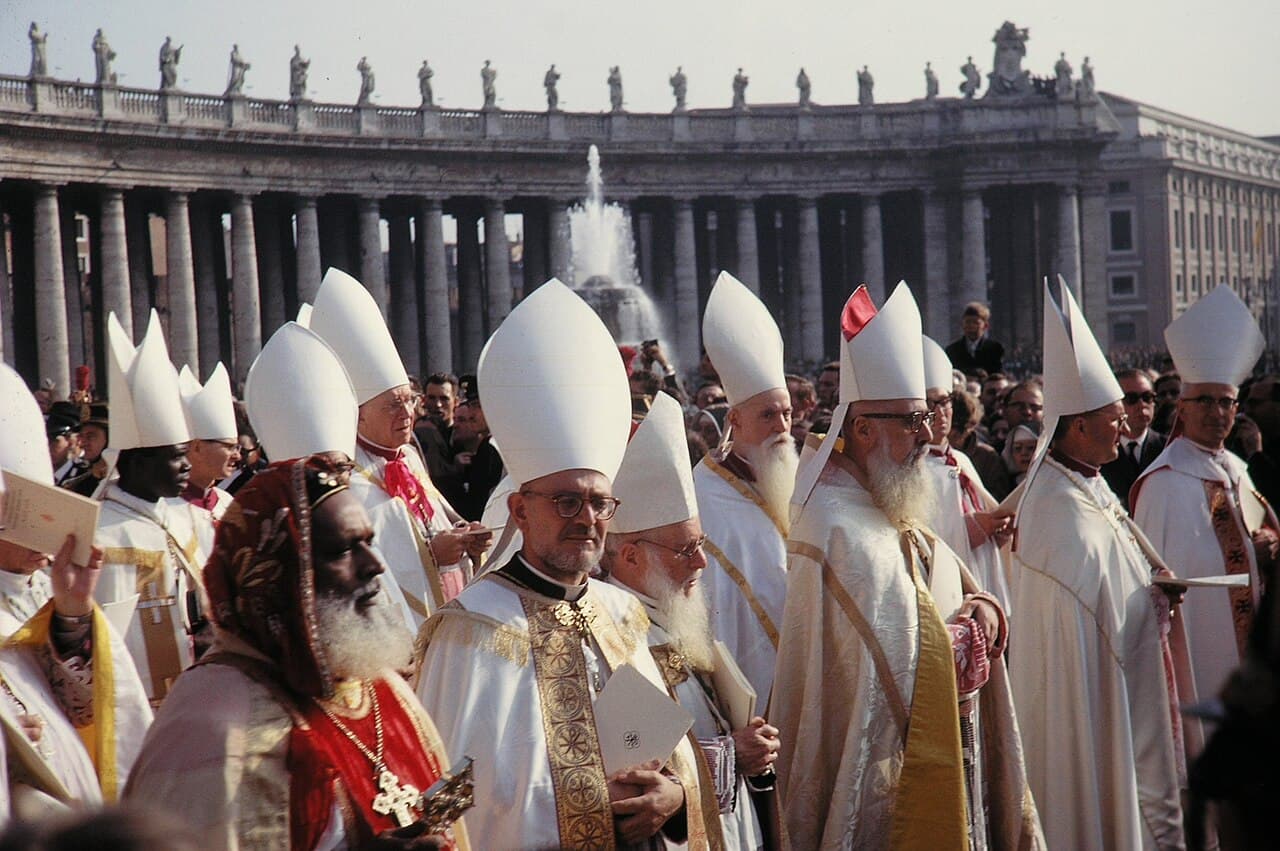
Vatican I defined papal primacy and infallibility under specified conditions; Vatican II paired primacy with episcopal collegiality. Modern Catholic debate asks how local, episcopal, and universal synodality should operate without turning consultation into a rival magisterium.
How it was received
Orthodox churches preserve synodal government but disagree over primacy and pan-Orthodox authority. Protestant polities range from episcopal to presbyterian to congregational, and recent abuse crises across traditions have exposed the danger of discipline without transparency, appeal, or independent safeguarding.
Key voicesVatican II · BEM 1982 · Edinburgh 1910
The present landscape
Where the traditions stand today
Catholic
Ecumenical councils exercise supreme authority with and under the pope; bishops govern collegially and locally within canon law, alongside synods that are ordinarily consultative.
Orthodox
The church is fundamentally conciliar: bishops govern in synods and doctrine is received by the whole church, though universal primacy and pan-Orthodox procedure remain disputed.
Protestant
Episcopal, presbyterian, congregational, and connectional systems distribute authority differently; confessions and councils remain subordinate to Scripture in classical Protestant accounts.