The argument through time
History enters the room.
c. 30–250
Repent, believe, be baptized, receive the Spirit
What happened
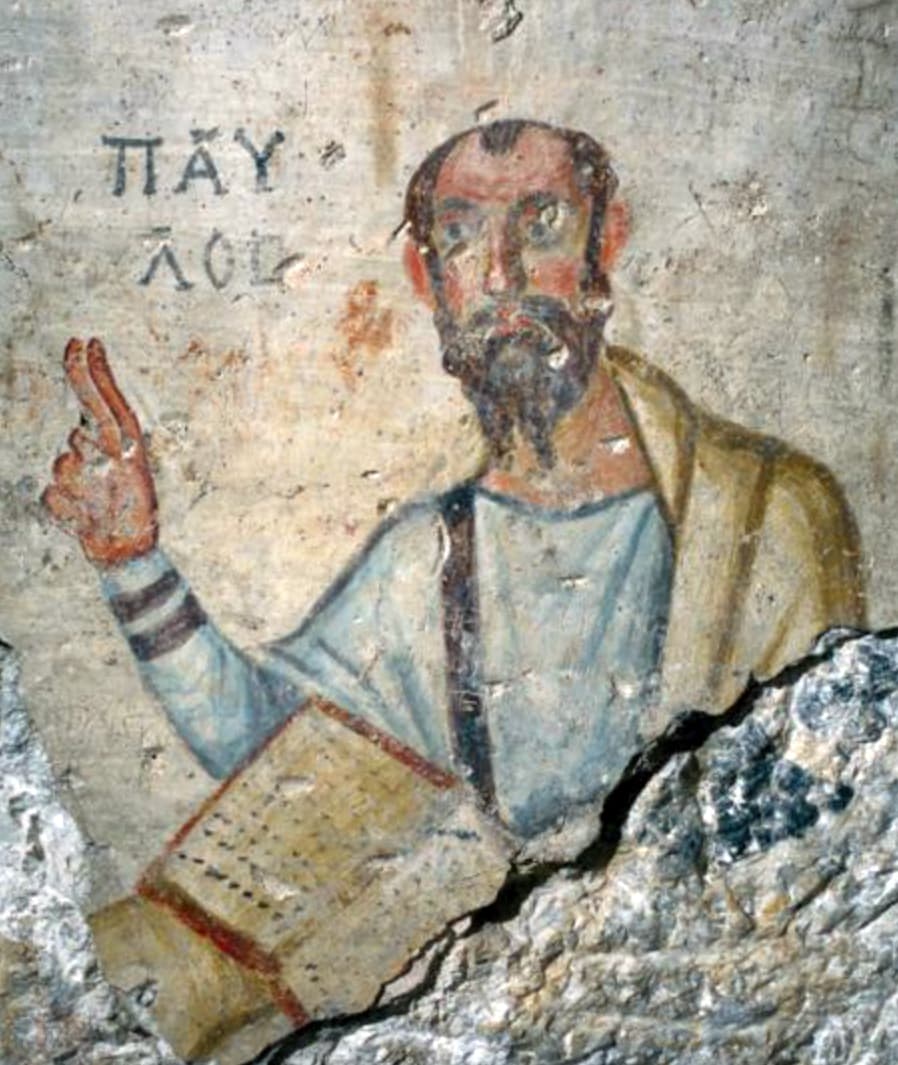
Acts and early Christian initiation join repentance, faith, baptism, forgiveness, reception of the Spirit, and entrance into the community. Second-century writers call baptism illumination, rebirth, washing, seal, and new creation without always arranging those images into a later order of salvation.
How it was received
Adult converts commonly passed through catechesis, renunciation, creed, water, anointing, Eucharist, and incorporation into a disciplined life. The experience was ecclesial and sacramental before it became an introspective search for the exact moment of regeneration.
Key voicesActs 2 · Justin Martyr · Dura-Europos
250–430
Mass Christianity and Augustine's restless conversion
What happened
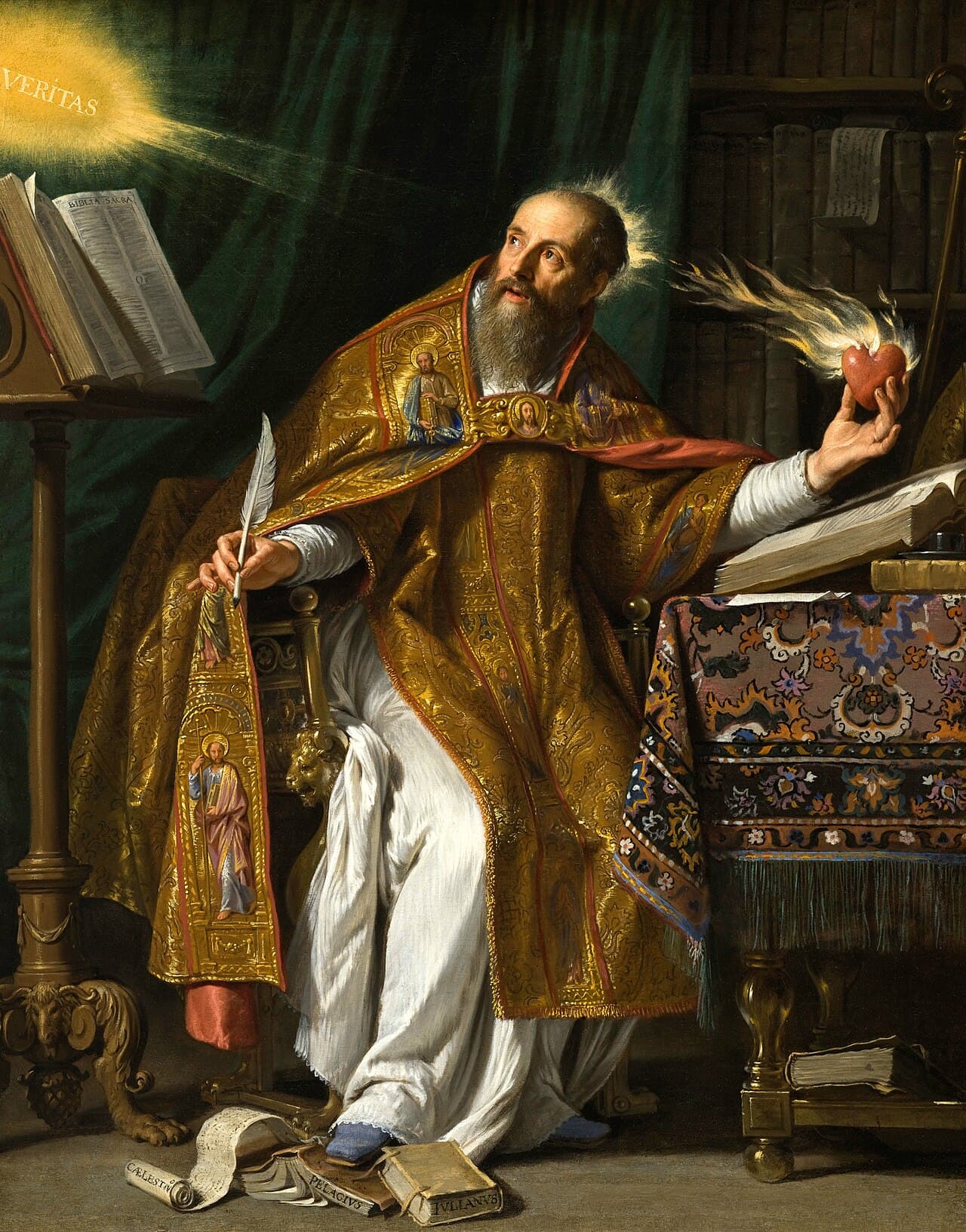
As infant baptism and Christian social belonging expanded, conversion could name both sacramental initiation and a later moral or vocational turning. Monastic renunciation offered a dramatic second conversion within a baptized society.
How it was received
Augustine's story became paradigmatic in the West, yet his mature theology emphasized prevenient and effective grace rather than the autonomous will. His struggle with perseverance also exposed the difference between receiving baptism, experiencing renewal, and finally remaining in grace.
Key voicesAugustine · Monasticism · Pelagius
500–1500
Habitus, pilgrimage, and repeated turning
What happened
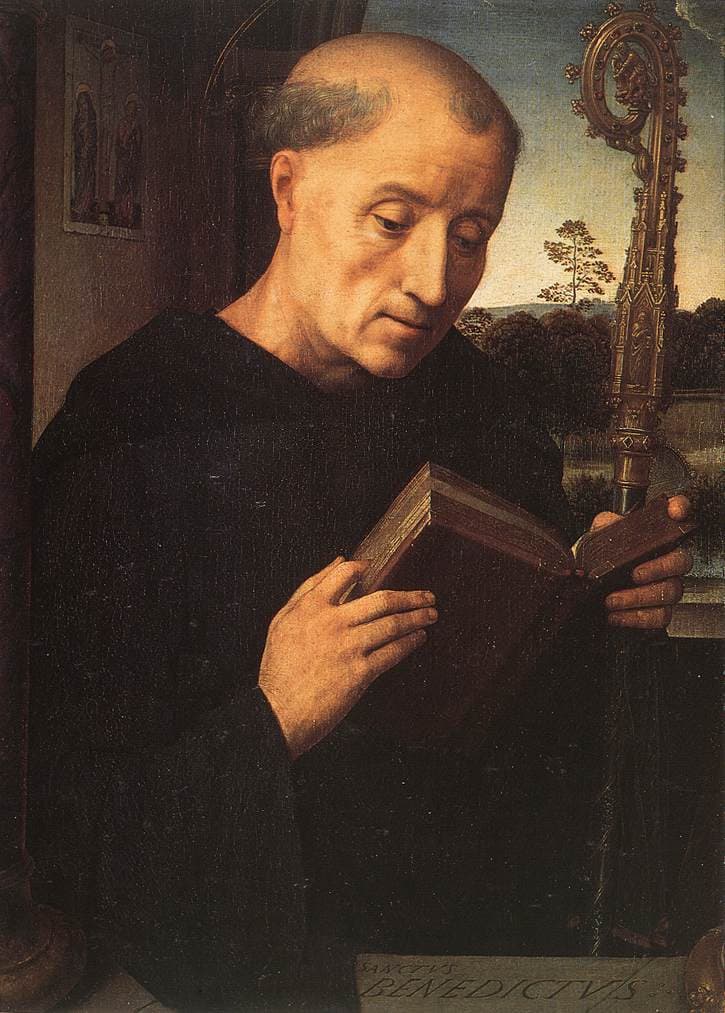
Medieval Western theology described grace as healing and elevating the person through baptism, faith formed by love, sacramental life, repentance, and growth in virtue. Conversion was not normally reduced to a single datable decision, though monastic profession, pilgrimage, preaching, and penitential movements produced dramatic turnings.
How it was received
Eastern Christianity emphasized illumination, ascetic healing, participation in divine life, and continual repentance. Both East and West could distinguish decisive initiation from the lifelong conversion of desire and practice.
Key voicesBenedict · Thomas Aquinas · Gregory Palamas
1517–1647
Calling, faith, adoption, assurance
What happened
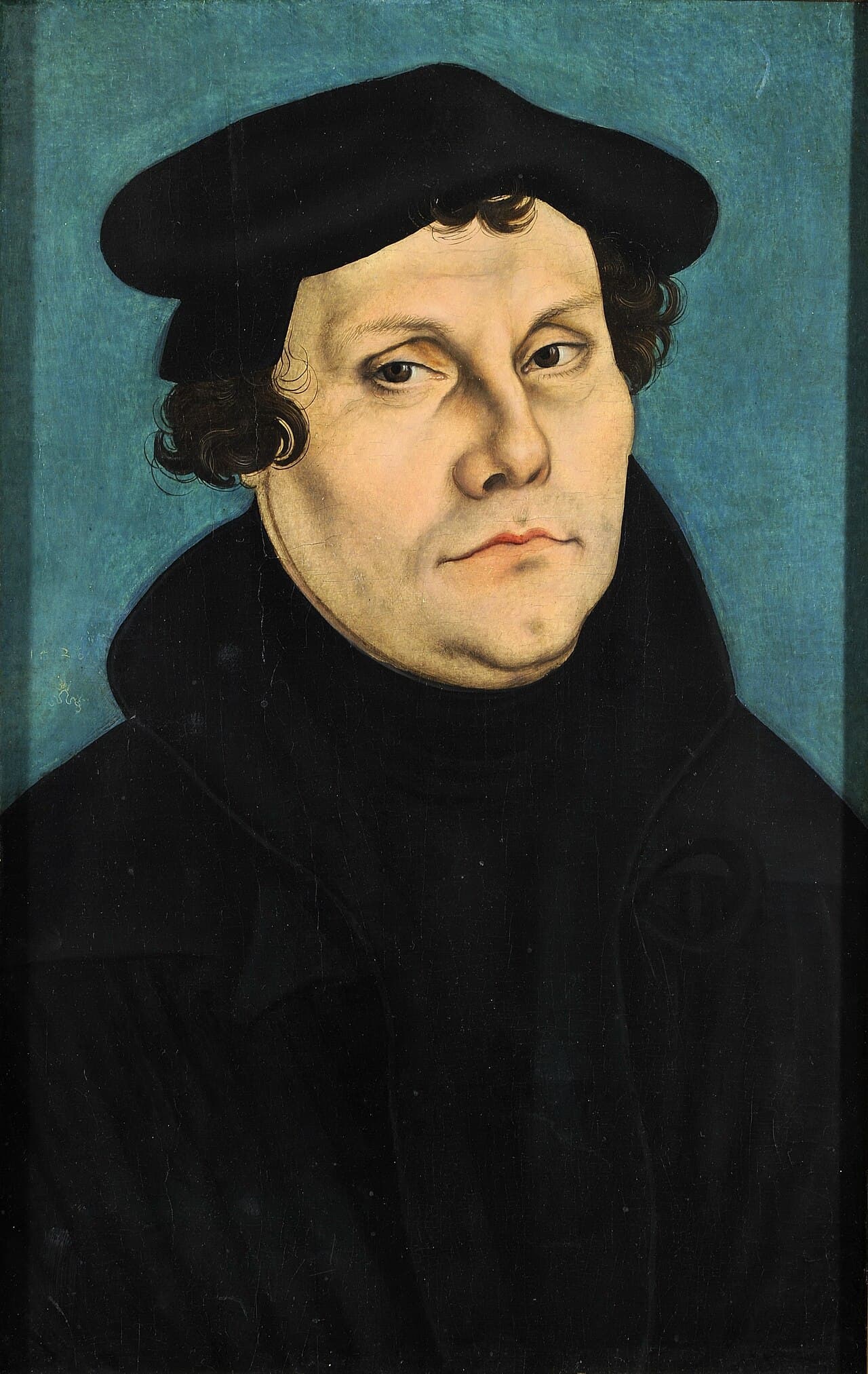
The Reformation sharpened distinctions within salvation. Lutheran teaching joined the external Word, baptism, repentance, and faith while locating assurance in Christ's promise rather than spiritual achievement. Reformed theology developed a more explicit sequence of effectual calling, regeneration, faith, justification, adoption, sanctification, perseverance, and assurance.
How it was received
These distinctions were analytical, not necessarily a timeline of conscious experiences. Puritans nevertheless examined signs of grace closely, creating both rich pastoral theology and anxiety over false assurance.
Key voicesMartin Luther · John Calvin · Westminster Assembly
1738–1900
The new birth becomes an event
What happened
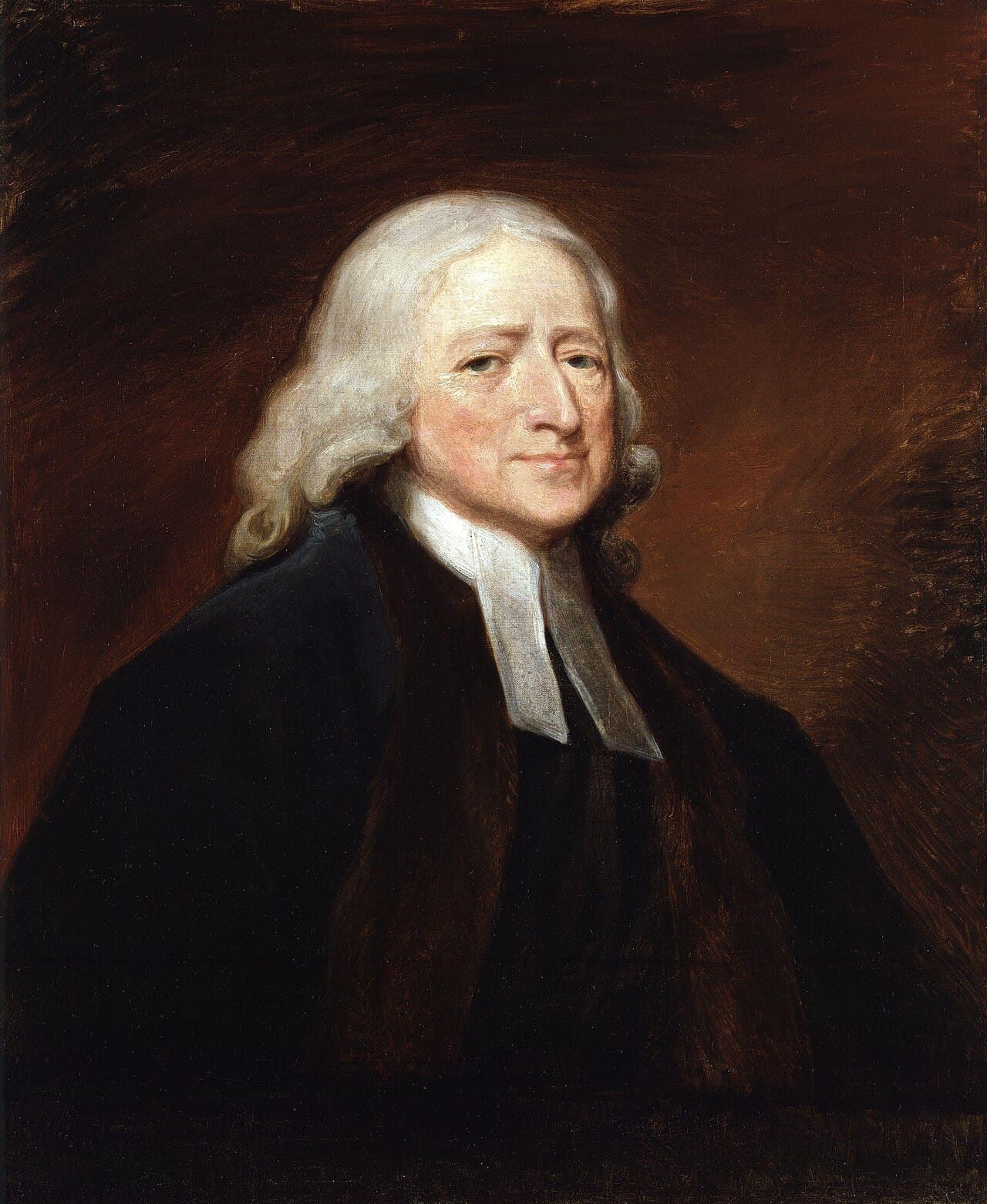
John Wesley called justification and new birth fundamental works of grace: forgiveness for us and renewal in us. His Aldersgate experience and Methodist testimony gave assurance of present pardon a distinctive place while retaining the possibility of falling away.
Primary source“The former relating to that great work which God does for us… the latter, to the great work which God does in us.”
— John Wesley, The New Birth
How it was received
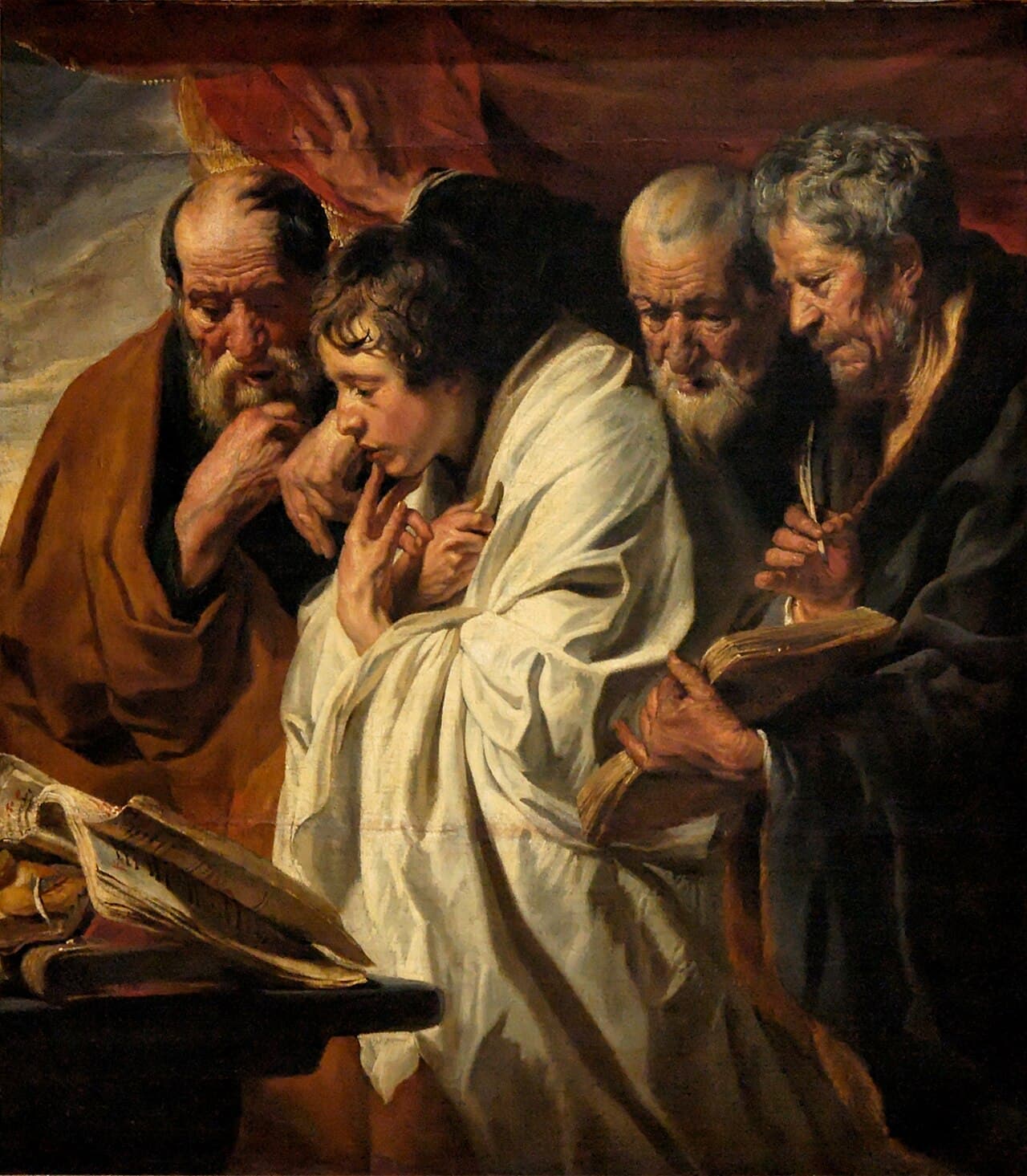
Awakenings increasingly expected hearers to pass through conviction, conversion, and testimony. Charles Finney's measures and later revivalism made decision more immediate and reproducible; critics warned that technique could manufacture assurance without durable discipleship.
Key voicesJohn Wesley · Jonathan Edwards · Revivalism
1901–1970
Born again—and empowered
What happened
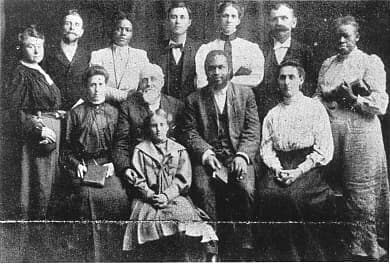
Fundamentalist and evangelical movements made the language of being 'born again' a boundary of authentic Christianity, often distinguishing nominal church membership from personal conversion. Pentecostals retained conversion while adding a subsequent empowerment or baptism in the Spirit, evidenced in classical Pentecostalism by tongues.
How it was received
Catholic and Orthodox theology continued to locate regeneration centrally in baptism while also recognizing personal appropriation, repentance, renewal, and conversion. Twentieth-century ecumenical encounters revealed that traditions sometimes used the same words for different moments and different words for similar realities.
Key voicesWilliam Seymour · Pentecostalism · Billy Graham
1970–today
Can conversion be moment, process, and mystery?
What happened
Contemporary Christians describe conversion as sacramental incorporation, conscious decision, liberation, healing, deification, communal belonging, or some combination. Evangelical testimony culture still privileges a datable story, while many believers formed from childhood understand conversion as gradual.
How it was received
Assurance likewise differs: Catholic and Orthodox writers ordinarily frame hope within lived faith, grace, and perseverance; Reformed traditions ground assurance in promise and Spirit while debating its relation to election; Wesleyans distinguish present assurance from unconditional final security; free churches range from eternal security to the real possibility of apostasy.
Key voicesBilly Graham · Vatican II · Pentecostalism
The present landscape
Where the traditions stand today
Catholic
Regeneration is sacramentally given in baptism; conversion and repentance continue throughout life. Assurance is confident hope in God's grace rather than an ordinary claim to infallible certainty about final perseverance.
Orthodox
Baptism and chrismation initiate new life, which unfolds through repentance, Eucharist, ascetic healing, and theosis. Assurance is normally expressed as hope and fidelity rather than a settled psychological status.
Protestant
Lutheran, Reformed, Wesleyan, Baptist, evangelical, and Pentecostal accounts differ over baptismal regeneration, the order of salvation, decisional conversion, assurance, eternal security, and apostasy.