The argument through time
History enters the room.
c. 100–313
The martyrs remain part of the church
What happened
Communities preserved martyr stories, commemorated death anniversaries, celebrated Eucharist near tombs, and sought burial near holy witnesses. The practice expressed confidence that death did not sever the body of Christ.
How it was received
Evidence for commemoration, relics, prayers for the dead, and direct invocation does not all appear at the same moment. The earliest centuries show development and local variation rather than a complete later system already in place.
Key voicesApostolic church · Martyrdom of Polycarp · Cyprian of Carthage
313–600
Relics, shrines, and appeals for intercession
What happened
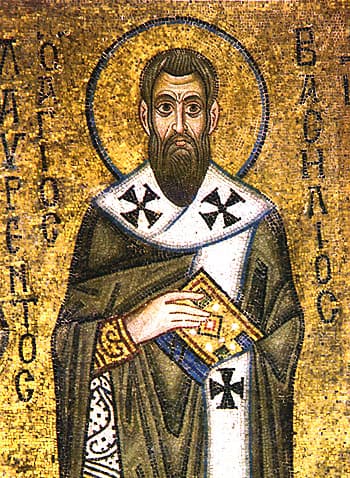
After persecution ended, martyr shrines, translations of relics, feast days, and pilgrimage expanded dramatically. Basil, Gregory of Nyssa, Ambrose, Augustine, and others testify to a world in which saints were remembered as living members of Christ's body and asked for prayer.
How it was received
The growth also provoked criticism and regulation. Theological defenses appealed to resurrection, the Spirit's work in holy bodies, and the difference between honoring God's servants and worshiping God. Popular practice did not always observe later conceptual precision.
Key voicesBasil the Great · Gregory of Nyssa · Augustine
787–1200
Nicaea II and the grammar of veneration
What happened
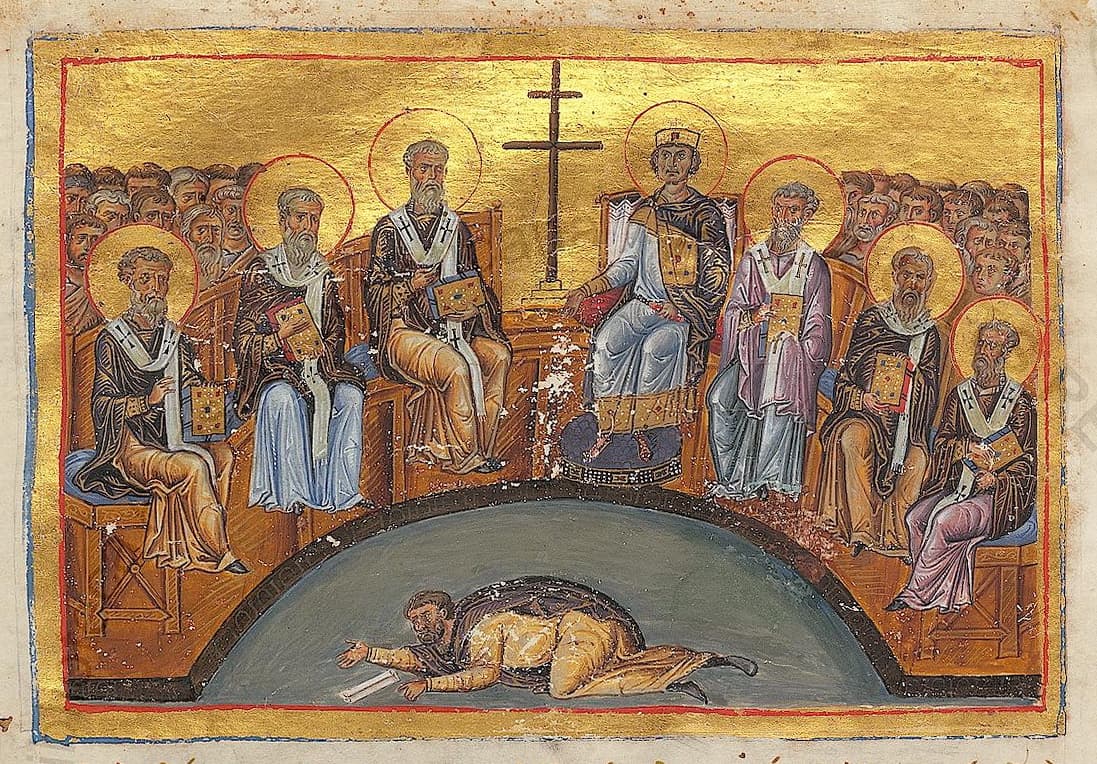
Nicaea II primarily addressed sacred images, but its distinction between reverential honor and worship owed to God alone also shaped defenses of saints and relics. The council ordered relics to be present in consecrated altars and treated honor shown to an image as passing to its prototype.
How it was received
Eastern and Western practice shared much while developing different liturgical and institutional forms. Relics authenticated altars, saints became civic patrons, and calendars joined local memory to a wider communion.
Key voicesNicaea II · Theodore the Studite · Relics
1000–1500
Canonization and the economy of pilgrimage
What happened
Western canonization gradually became centralized under papal authority. Shrines, pilgrimage, relic translation, patronage, confraternities, and miracle collections made the saints visible throughout social life.
How it was received
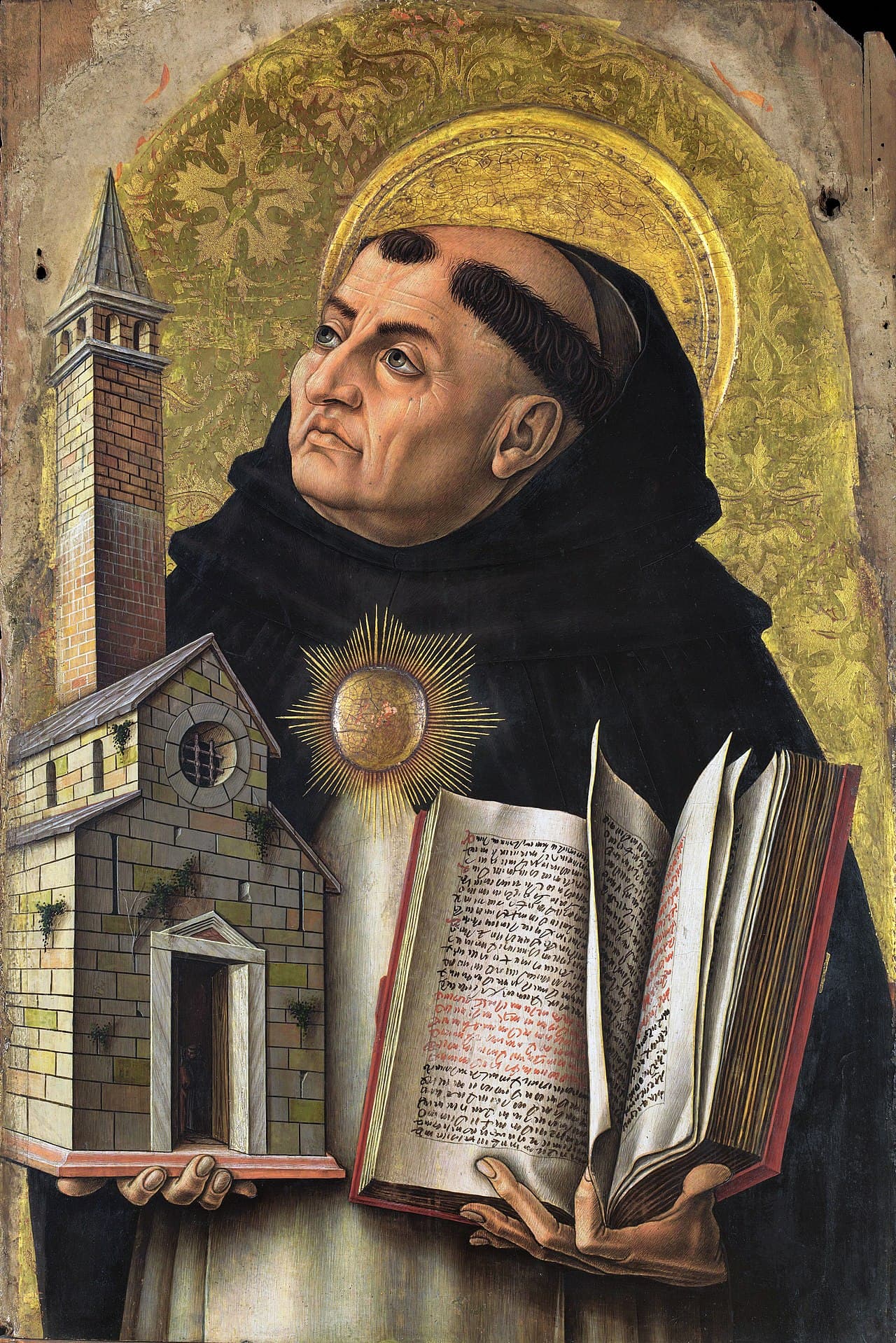
Abuses, dubious relic claims, and commercial interests attracted recurring criticism from within the church. Yet medieval devotion was not simply a rival religion: theologians presented saints as members of Christ whose intercession depends wholly on God.
Key voicesThomas Aquinas · Pilgrimage · Council of Constance
1517–1563
Remember—but do not invoke
What happened
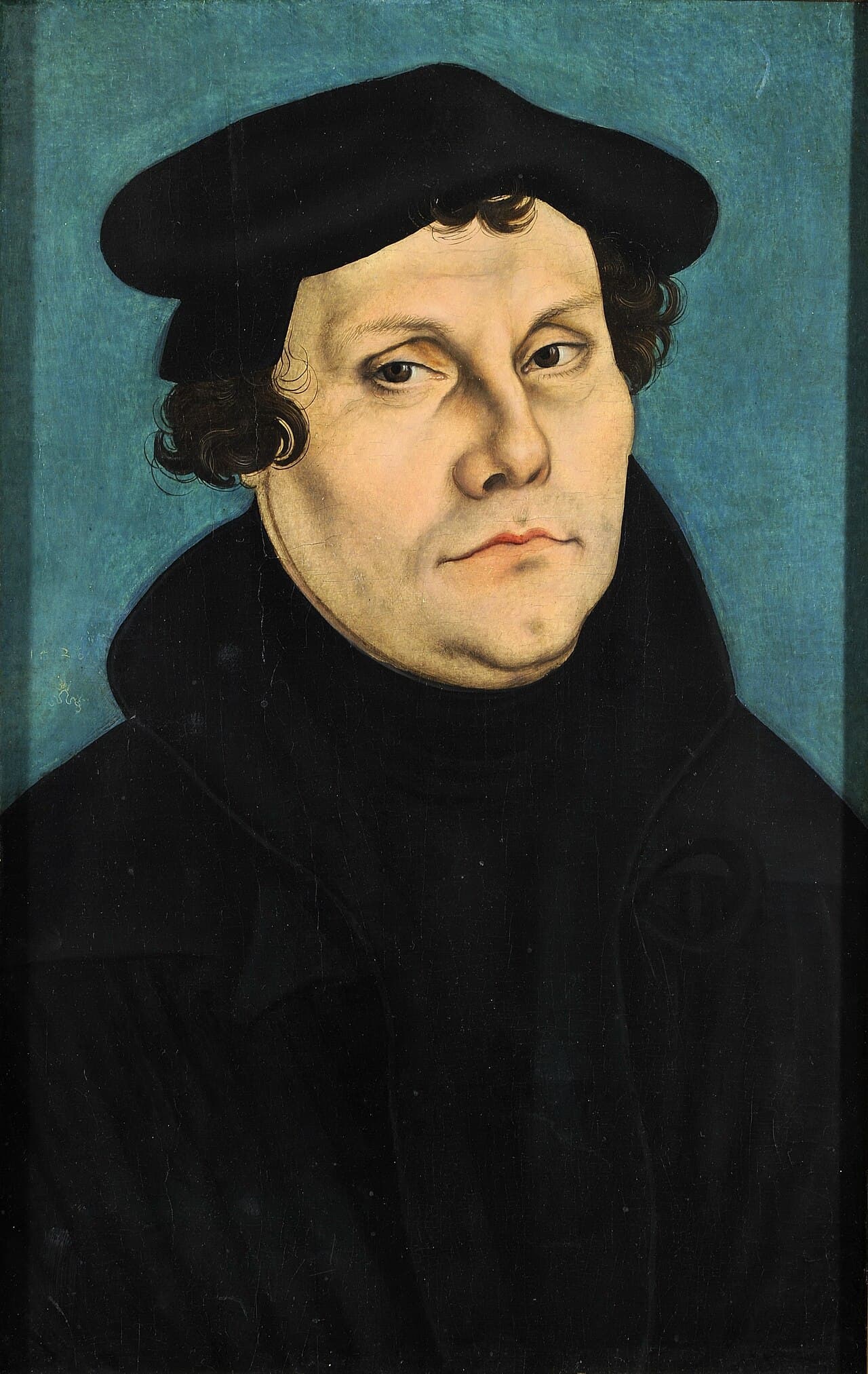
The Augsburg Confession retained the memory of saints as examples of faith and good works but rejected invocation because Scripture presents Christ as the unique mediator and gives no command to call upon saints. Reformed churches went further in dismantling shrines, relic cults, calendars, and images.
How it was received
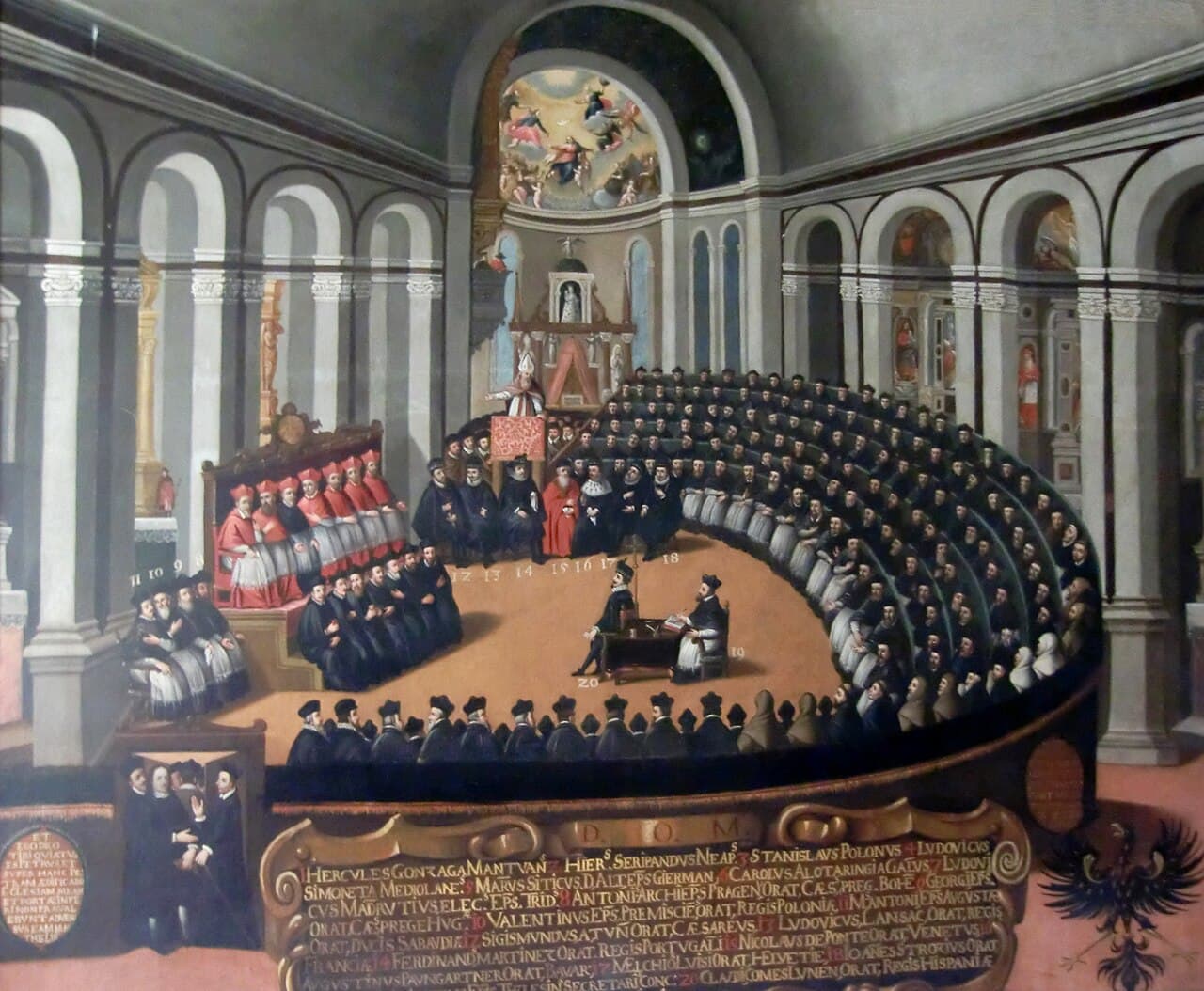
Trent answered that saints in heaven pray for believers and may be invoked, and that relics and sacred images deserve due honor. The dispute was therefore not whether exemplary Christians should be remembered but whether heavenly communion includes addressed requests and material veneration.
Key voicesMartin Luther · Augsburg Confession · Council of Trent
1563–1964
Confessional identities harden
What happened
Catholic reform regulated relic authentication and promoted saints through new religious orders, missions, and centralized canonization. Orthodox churches maintained dense liturgical communion with saints and local relic traditions without the same papal process.
How it was received
Protestant cultures ranged from severe rejection to selective commemoration. Anglicans preserved a calendar and language of the communion of saints while officially restricting invocation; later Anglo-Catholics recovered practices that evangelicals continued to oppose.
Key voicesCouncil of Trent · John Wesley · Oxford Movement
1964–today
Communion, memory, and unresolved invocation
What happened
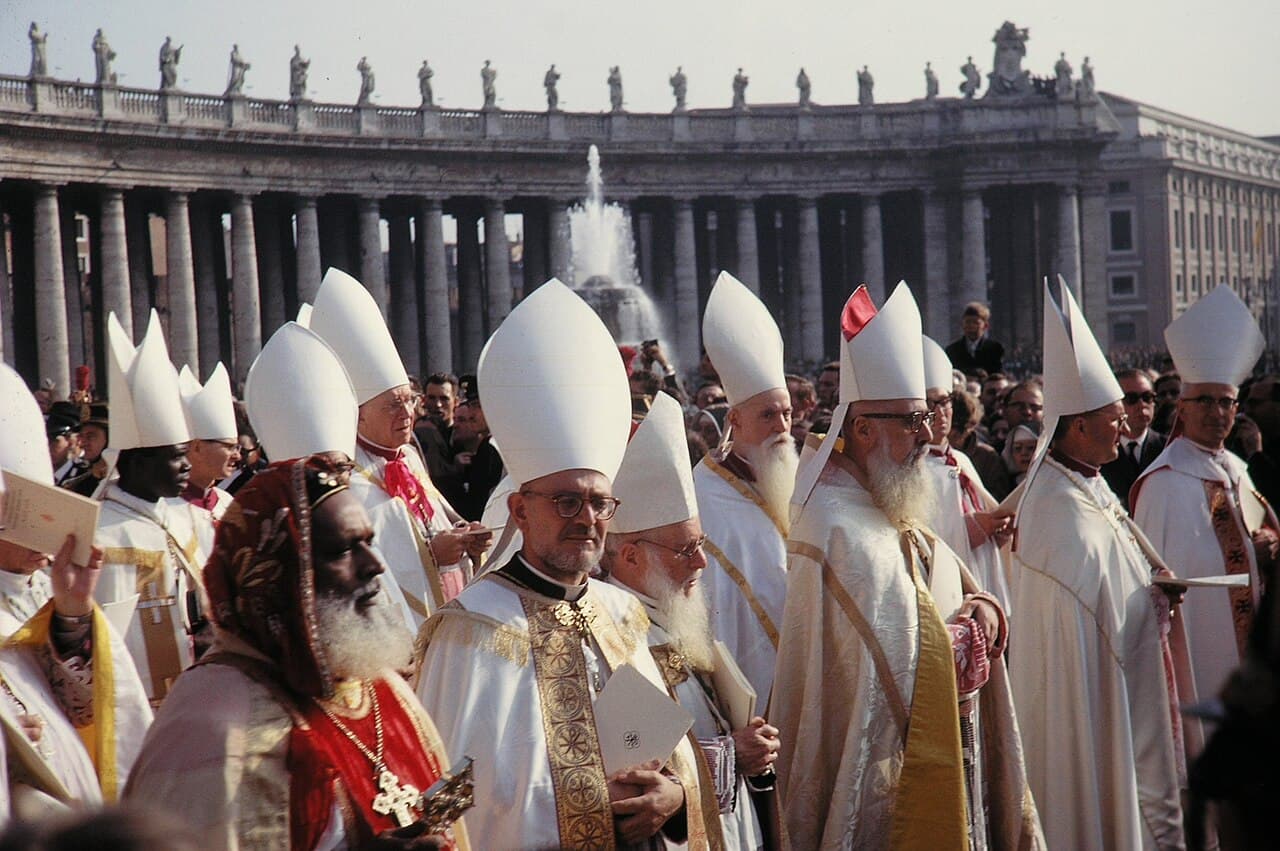
Vatican II located Marian and saintly devotion within the communion of the whole church and warned against both exaggeration and narrowness. Ecumenical dialogue has recovered shared language about the church across death and the exemplary witness of the saints.
How it was received
The central divide persists. Catholic and Orthodox Christians invoke saints and venerate relics; many Anglicans do so optionally; Lutherans commemorate saints but generally do not invoke them; Reformed, Baptist, and evangelical traditions ordinarily reject invocation while affirming communion with all believers in Christ.
Key voicesVatican II · BEM 1982 · Edinburgh 1910
The present landscape
Where the traditions stand today
Catholic
Saints in glory intercede for the church; believers may ask their prayers and venerate relics, while worship belongs to God alone. Canonization authorizes public veneration.
Orthodox
Invocation, icons, relics, feast days, and local holy persons are woven into liturgy; veneration honors God's work in the saints and remains distinct from worship.
Protestant
Anglican practice ranges widely; Lutherans commemorate saints without ordinarily invoking them; Reformed, Baptist, and evangelical churches generally honor examples of faith while rejecting invocation and relic veneration.