The argument through time
History enters the room.
c. 30–100
The kingdom heals—and the sick are anointed
What happened
The Gospels present healings and exorcisms as signs of God's reign, acts of compassion, and anticipations of resurrection. The New Testament also refuses a simple equation between sickness and personal sin.
How it was received
James directs the sick to summon the church's elders for prayer and anointing with oil. Paul names gifts of healings while also recording weakness, illness, and coworkers who were not immediately cured.
Key voicesGospels · Paul · Apostolic church
100–600
Prayer, oil, exorcism, medicine
What happened
Early Christians prayed for healing, used blessed oil, practiced exorcism, cared for the sick, and narrated miracles around martyrs and holy people. Such reports vary in genre and cannot all be evaluated as modern clinical claims.
How it was received
Christian care also helped institutionalize hospitals and medical charity. Patristic writers could affirm physicians and providential medicine while also expecting extraordinary divine action; sacrament and medicine were not inherently rival explanations.
Key voicesApostolic church · Basil the Great · Augustine
600–1274
Healing rite becomes preparation for death
What happened
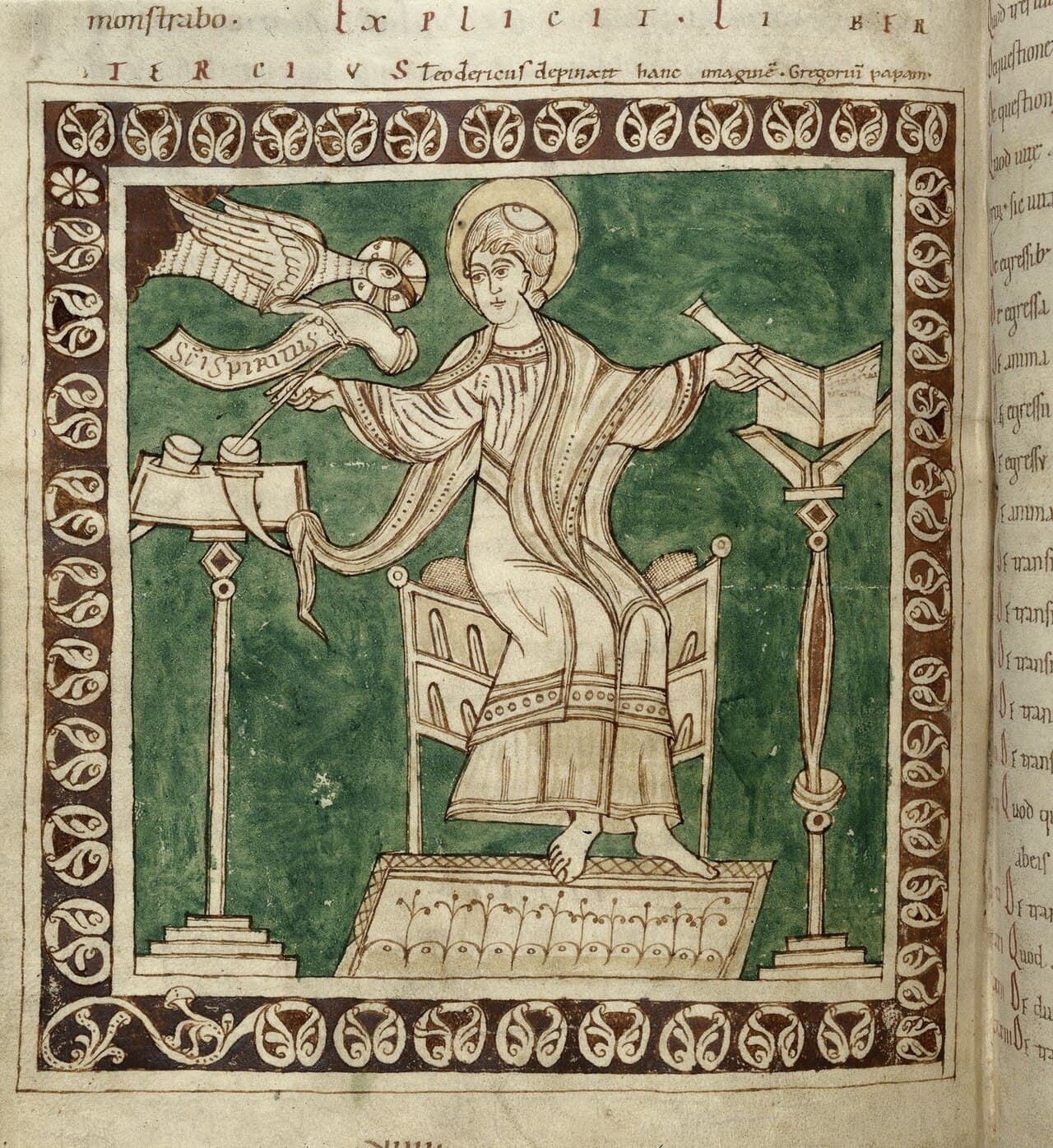
Western anointing gradually became concentrated near death and was called extreme unction, though its older associations with healing did not disappear. The rite joined forgiveness, strengthening, and preparation for the final passage.
How it was received
Eastern churches retained a fuller communal office of holy unction for healing of soul and body. Pilgrimage, relics, shrines, and saints' intercession also formed a widespread healing culture in both East and West.
Key voicesGregory the Great · Thomas Aquinas · Bernard of Clairvaux
1517–1800
Sacrament rejected, providence retained
What happened
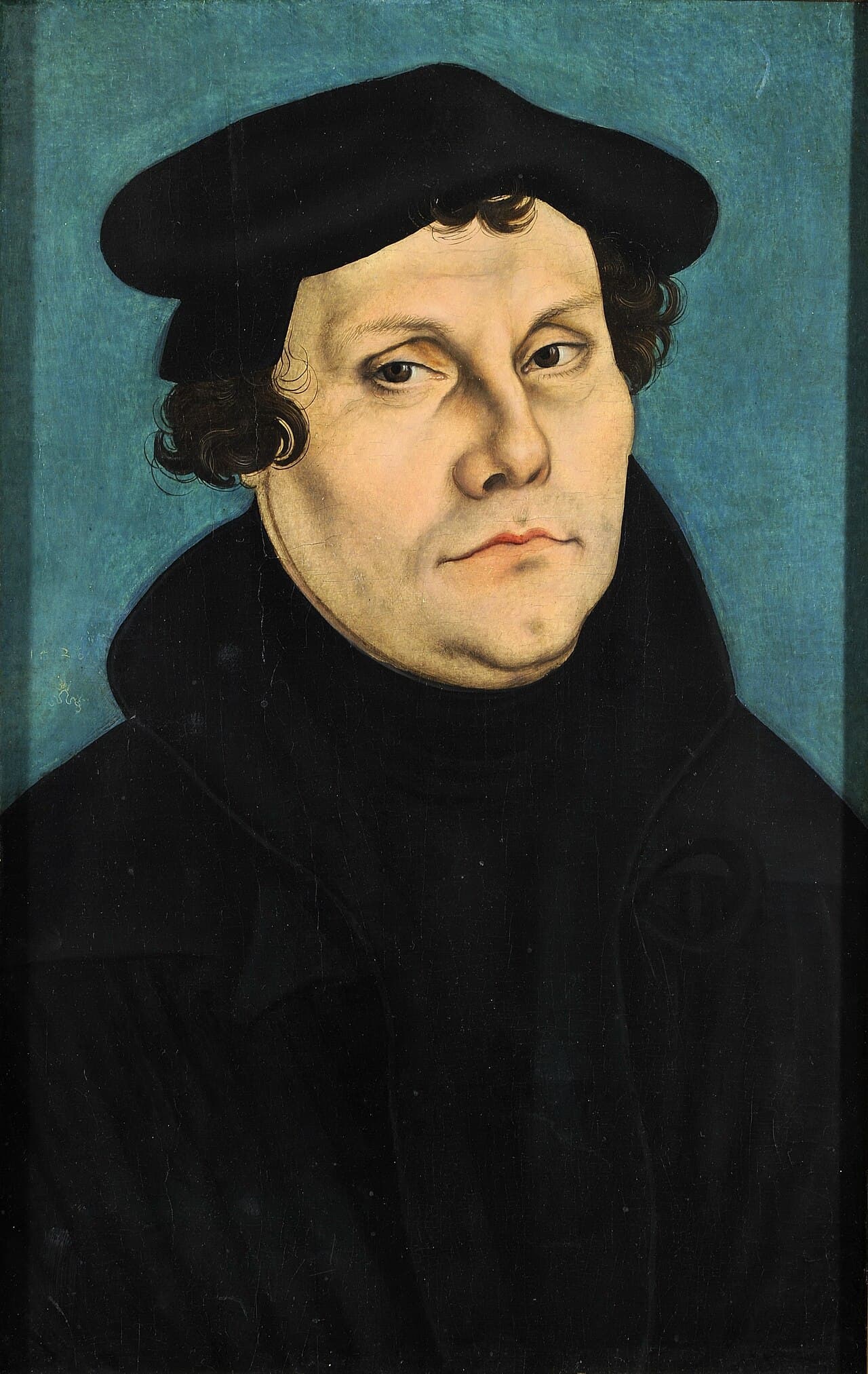
The Reformers generally rejected extreme unction as a sacrament instituted by Christ, while continuing prayer for the sick and belief that God could heal. Protestant criticism targeted sacramental claims and miracle cults more than divine omnipotence itself.
How it was received
Some Protestants argued that sign gifts belonged especially to the apostolic foundation; Catholic and Orthodox traditions continued miracle narratives and sacramental anointing. In every camp, ordinary providence and medical care remained part of Christian responses to illness.
Key voicesMartin Luther · John Calvin · Council of Trent
1800–1960
Faith cure, medicine, and Pentecostal healing
What happened
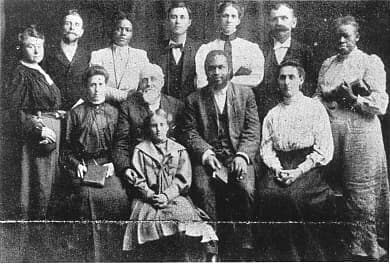
Nineteenth-century holiness and faith-cure movements renewed claims that healing should be sought through prayer, sometimes polemically against medicine. Christian Science offered a different metaphysical healing system that historic churches rejected.
How it was received
Early Pentecostalism made divine healing part of its 'full Gospel.' Testimony and mission spread healing expectation globally, while failures, exaggeration, and the treatment of disabled or chronically ill people generated ethical and theological criticism.
Key voicesWilliam Seymour · Pentecostalism · John Wesley
1960–today
Sacramental recovery and charismatic globalization
What happened
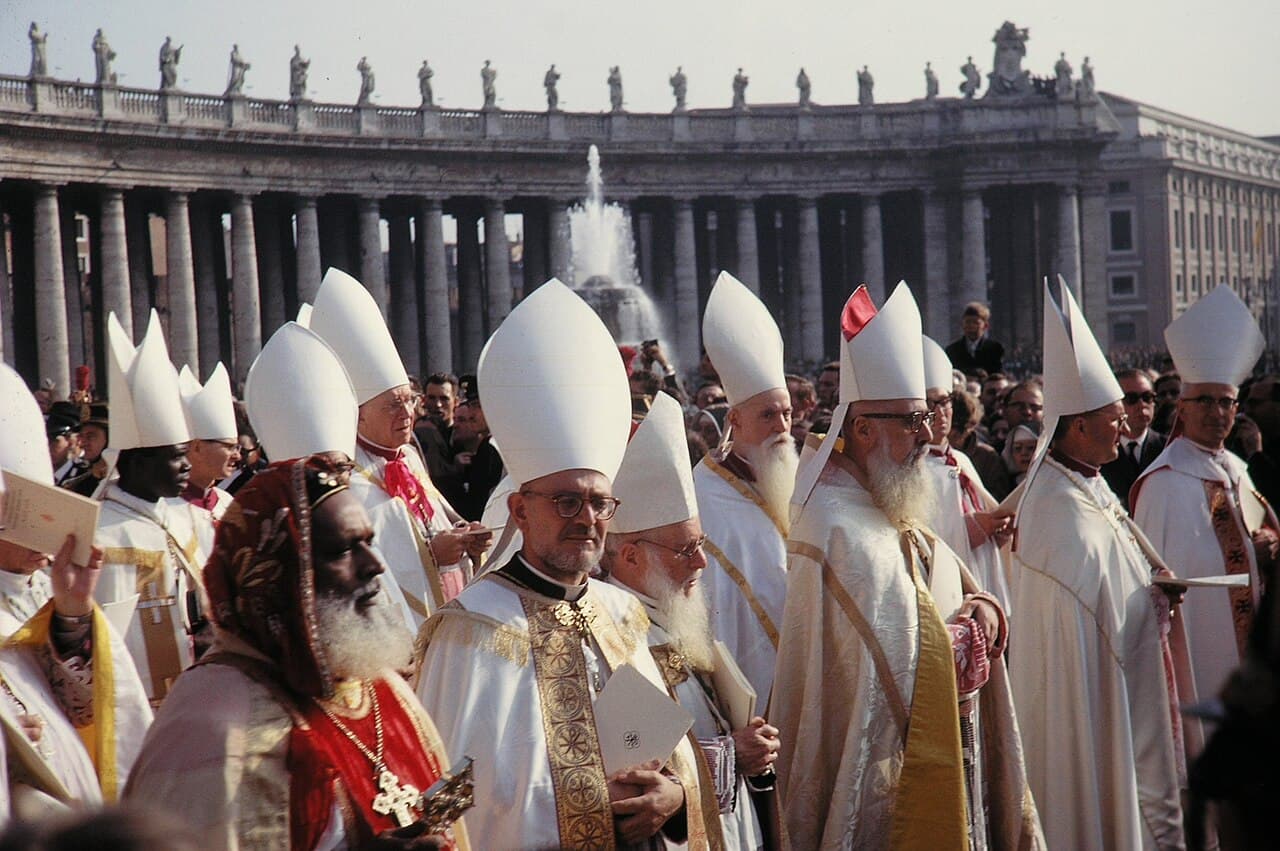
Catholic reform restored the name Anointing of the Sick and stressed that it is not only for the final moments; bodily recovery may be sought, while strengthening and union with Christ remain central. Many Anglicans and other Protestants also recovered liturgical anointing.
How it was received
Charismatic Christianity normalized healing prayer across denominations. Responsible practice now requires consent, protection from financial or psychological coercion, refusal to blame the unhealed, continued medical care, and honesty about what has and has not been independently verified.
Key voicesVatican II · Pentecostalism · BEM 1982
The present landscape
Where the traditions stand today
Catholic
Anointing of the Sick is a repeatable sacrament for serious illness or age, giving strengthening, forgiveness where needed, and sometimes bodily restoration if conducive to salvation.
Orthodox
Holy Unction is prayer for healing of soul and body, often celebrated communally as well as for individuals, without guaranteeing physical cure.
Protestant
Practice ranges from cessationist prayer for providential healing to liturgical anointing and charismatic gifts; most traditions affirm medicine, while prosperity-healing guarantees are widely contested.