The argument through time
History enters the room.
c. 30–100
Christ among angels, demons, and powers
What happened
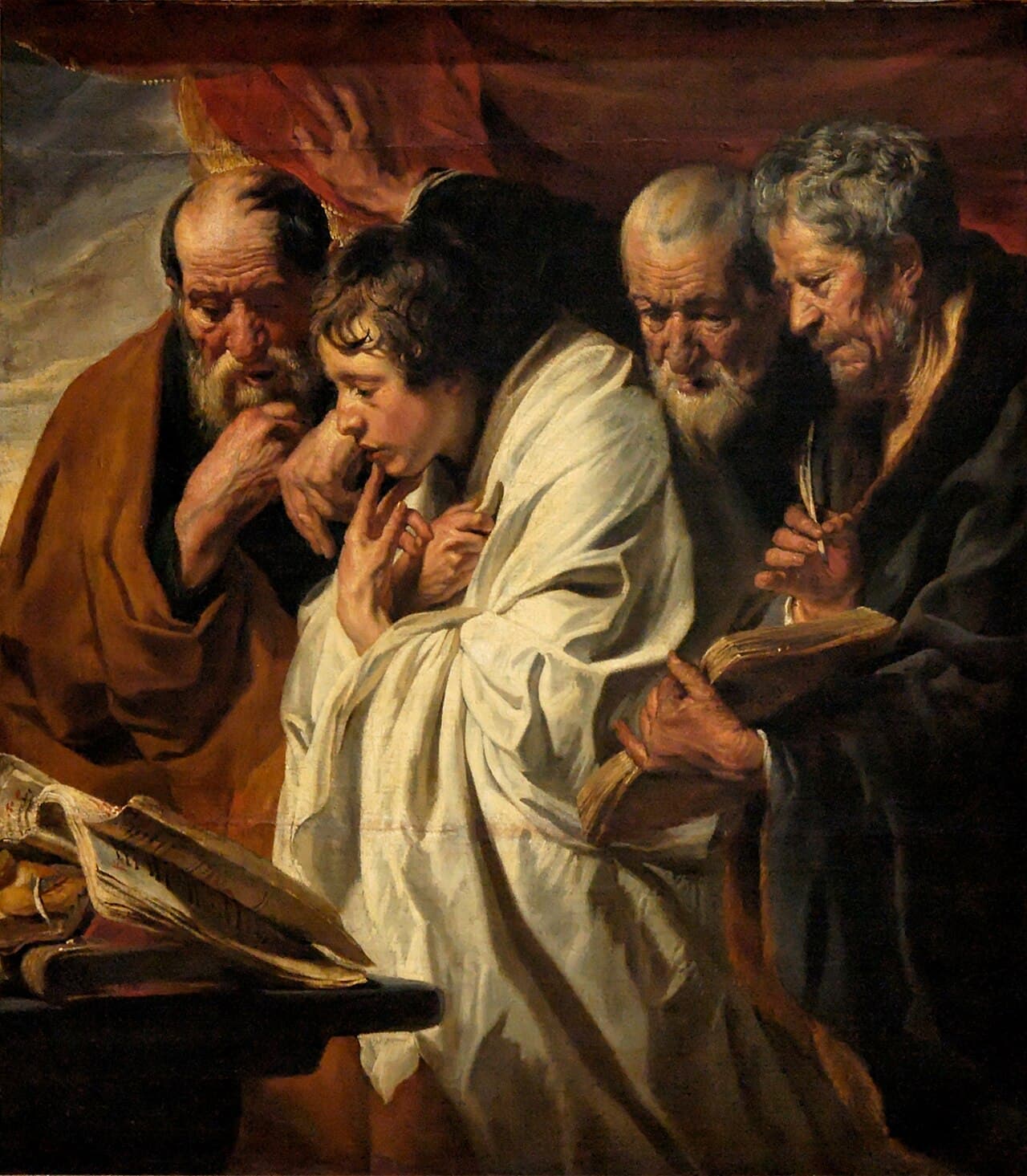
The New Testament assumes angels as God's servants and depicts Jesus confronting unclean spirits, resisting Satan, and triumphing over rulers and powers. It also warns against angel worship and makes every spiritual authority subordinate to Christ.
How it was received
Its language draws on Israel's Scriptures and diverse Second Temple Jewish traditions. Later theology systematized material that the biblical authors present through narrative, apocalypse, worship, pastoral warning, and cosmic imagery.
Key voicesGospels · Paul · Revelation 20
100–400
Fallen spirits and the church's conflict
What happened
Apologists described pagan idols and persecution through demonic agency, while baptismal rites developed renunciations and exorcisms. Accounts of Satan's fall combined biblical passages that did not originally form one continuous biography.
How it was received
Origen, Athanasius, and desert traditions placed spiritual discernment within ascetic struggle. Mainstream theology insisted that demons were creatures, not an eternal evil principle, preserving creation's goodness against dualism.
Key voicesOrigen · Athanasius · Desert Fathers
400–1200
Celestial hierarchy and guardian care
What happened
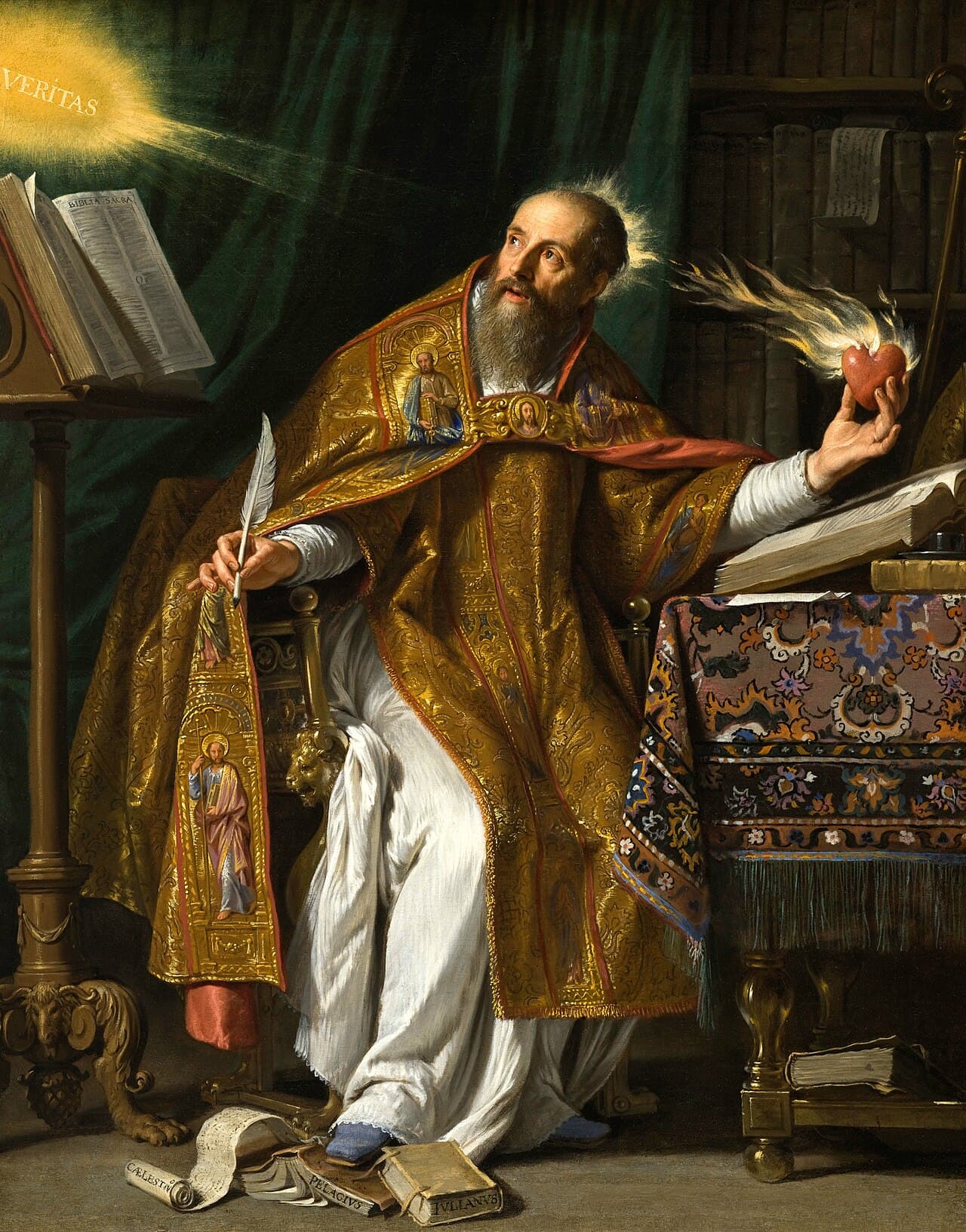
Augustine helped consolidate the Western view that demons are angels who freely fell. Pseudo-Dionysius arranged nine angelic orders into a celestial hierarchy whose liturgical and symbolic influence reached both East and West.
How it was received
Feasts, prayers, pilgrimage, and art made Michael, Gabriel, guardian angels, and heavenly hosts part of ordinary Christian imagination. These devotions coexisted with caution against curiosity, magic, and attempts to control spirits.
Key voicesAugustine · Gregory the Great · Basil the Great
1200–1700
Scholastic precision—and confessional fear
What happened
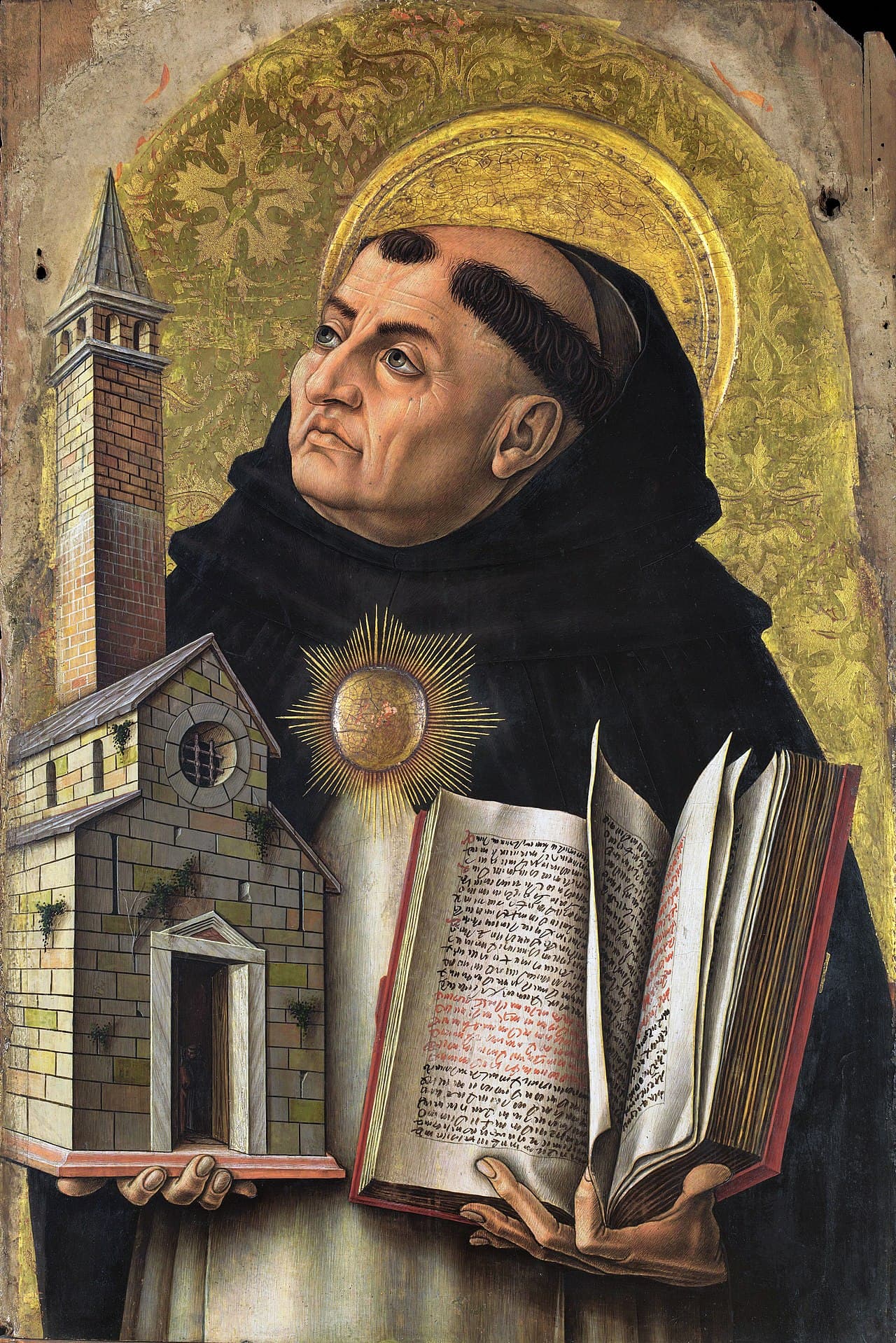
Aquinas treated angels as immaterial intellectual creatures, distinguished angelic knowledge and will, and integrated demons into a doctrine of providence that denied them unlimited power.
How it was received
Reformers retained angels, Satan, and exorcistic prayer while rejecting many invocations and speculative traditions. Early modern confessional societies also intensified witch prosecutions; their legal, social, and gendered dynamics must not be presented as a direct entailment of one doctrine of demons.
Key voicesThomas Aquinas · Martin Luther · John Calvin
1700–1960
Disenchantment, psychology, and theological reinterpretation
What happened
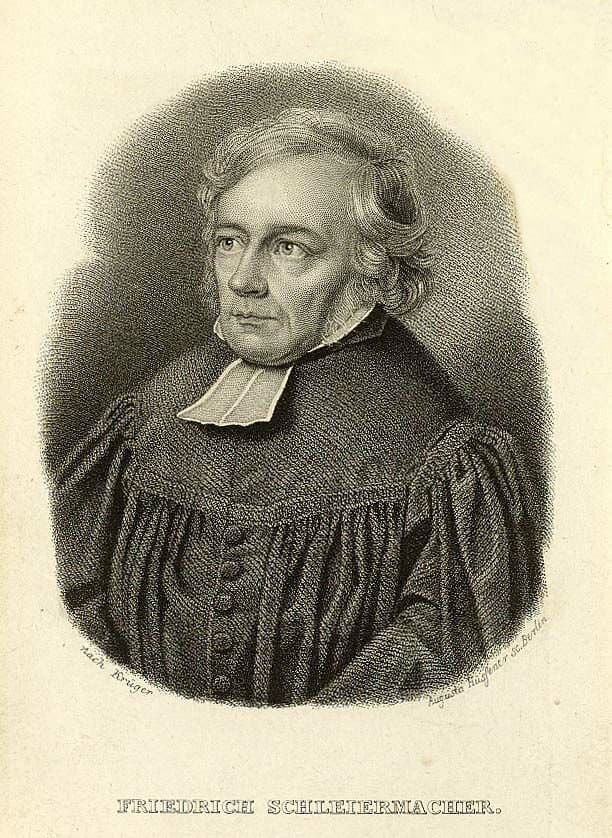
Enlightenment criticism and modern medicine recast many possession and miracle claims as superstition or pathology. Liberal theology often interpreted demonic language symbolically, while revivalist and missionary Christianity retained a more personal account of evil spirits.
How it was received
Karl Barth recovered angels as witnesses and messengers within a Christ-centered theology but treated demons as the disorder of 'nothingness,' resisting both mythological fascination and simple dismissal.
Key voicesSchleiermacher · Karl Barth · Dietrich Bonhoeffer
1960–today
Global Christianity and renewed spiritual warfare
What happened
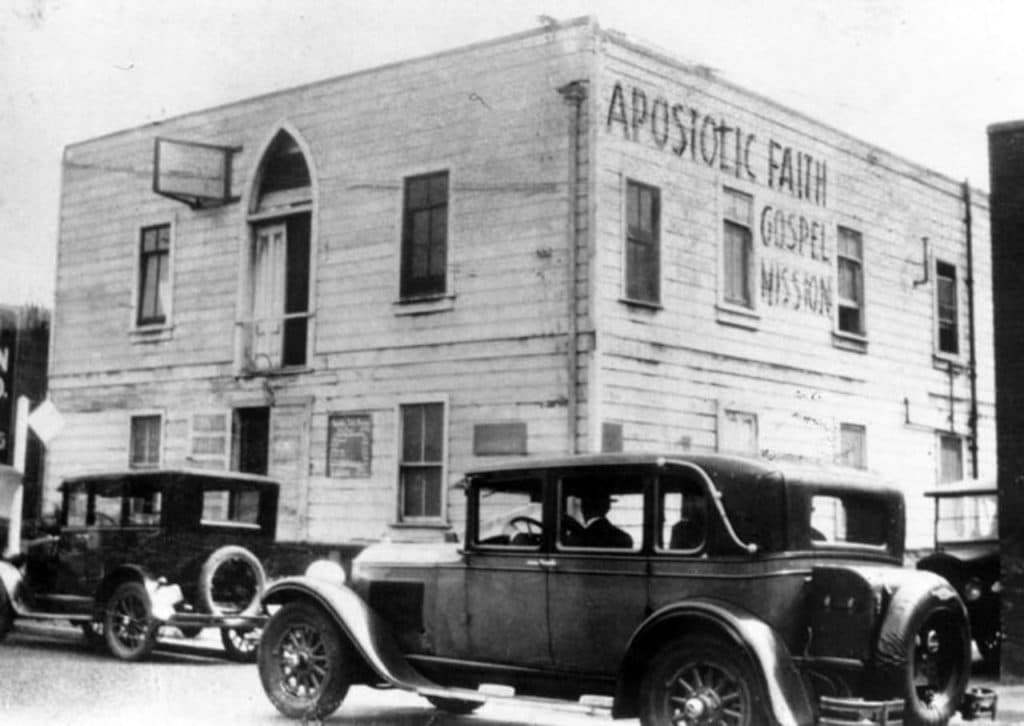
Pentecostal and charismatic growth brought healing, deliverance, and spiritual warfare into global Christian prominence. These practices often interpret experiences differently from secular psychiatry and from sacramental rites of exorcism.
How it was received
Catholic, Orthodox, and many Protestant churches still confess created angels and personal demonic evil, but differ over deliverance practice and symbolic readings. Responsible ministry must rule out abuse, respect mental-health expertise, and avoid assigning illness or social opponents to demonic causes without warrant.
Key voicesPentecostalism · Vatican II · Karl Rahner
The present landscape
Where the traditions stand today
Catholic
Angels are created personal spirits and Satan and demons are fallen creatures; formal exorcism is regulated, and psychological or medical assessment is required where appropriate.
Orthodox
Angelic and demonic powers are embedded in liturgy and ascetic spirituality; the Christian struggle is pursued through sacramental, communal, and discerning pastoral practice.
Protestant
Views range from personal angels, demons, and deliverance ministry to strongly symbolic interpretation; Pentecostal practice foregrounds spiritual warfare while many mainline churches speak more cautiously.